
How grafting works
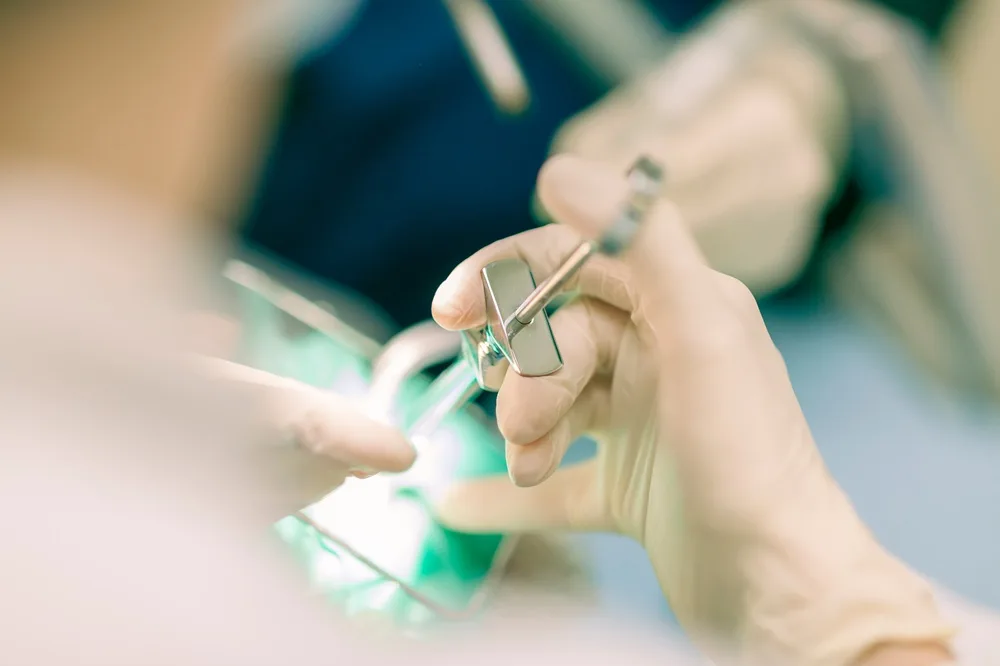
Graft material is placed where bone is required and covered with a protective membrane. Your own bone grows into it over the following months. The healing period before an implant can be placed depends on how much bone was needed.
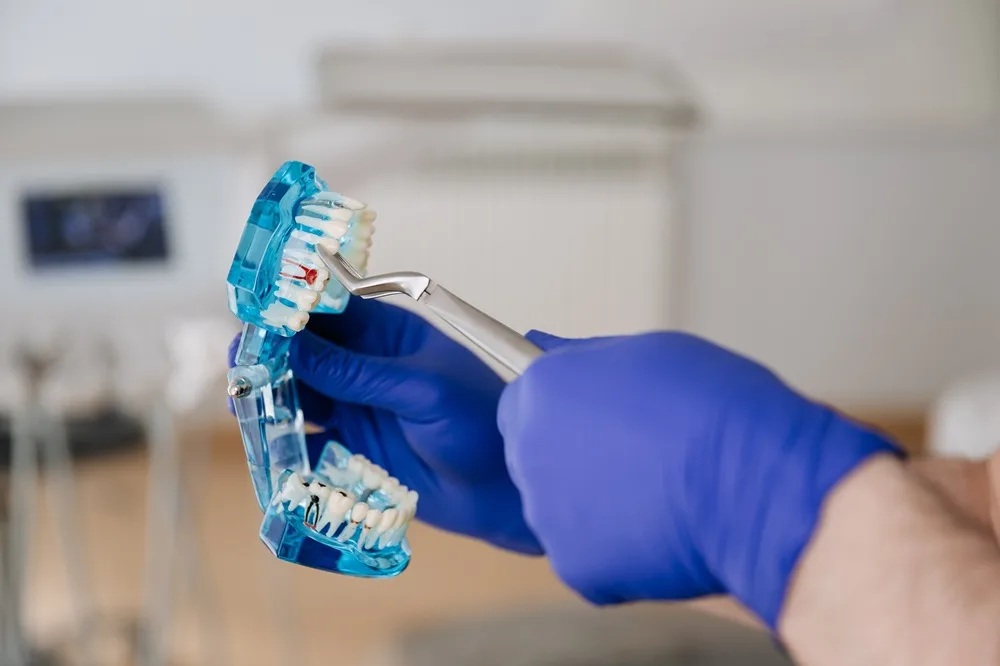
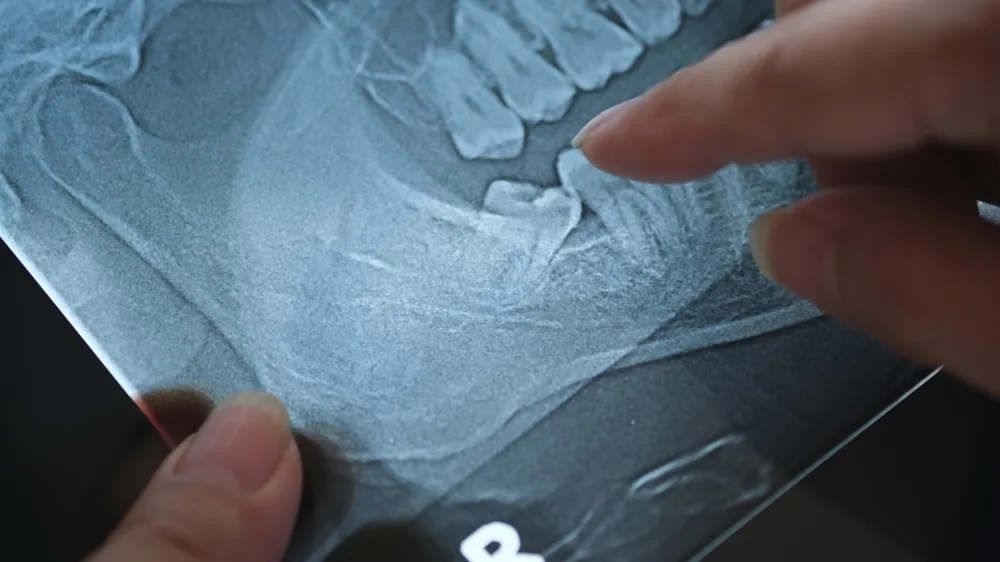
Jawbone exists to support teeth. Once a tooth is gone, the bone in that area is no longer loaded and gradually thins, most rapidly in the first year. Where too little remains, grafting may be recommended before an implant can be placed.
Graft material is placed where bone is required and covered with a protective membrane. Your own bone grows into it over the following months. The healing period before an implant can be placed depends on how much bone was needed.
Where a tooth is being removed and an implant is likely later, placing a graft into the socket at the same appointment can preserve the shape of the ridge and may avoid a larger procedure afterwards. Raise it before the extraction rather than after.
In many cases there is sufficient bone and no graft is required. A 3D scan shows what is present, which is why imaging comes before any recommendation.
Book an appointment and our team will follow up to confirm a time, or call 909.283.3130. An examination is required before a treatment recommendation can be made.
Book AppointmentBone thins after a tooth is lost because it is no longer being loaded. If too little remains to hold an implant securely, grafting rebuilds the foundation first. Imaging determines whether it is necessary.
Healing generally spans several months before an implant can be placed, and the exact period depends on how much bone was grafted. Dr. Zou will give you an expected timeline for your case.
Several sources are used, including processed donor material and synthetic options. Dr. Zou will explain which is being recommended for your situation and why.
Often yes. Placing a graft into the socket at the time of extraction can preserve the ridge shape and may reduce the need for a larger graft later, so it is worth discussing before the tooth is removed.
No. Many patients have sufficient bone and need no graft at all. It is recommended only when imaging shows the available bone is inadequate for secure implant placement.