
Finding the right type of denture
Full dentures replace an entire arch of teeth, while partial dentures fill selected spaces when some natural teeth remain. We assess your oral health and discuss which design or alternative aligns with your needs.
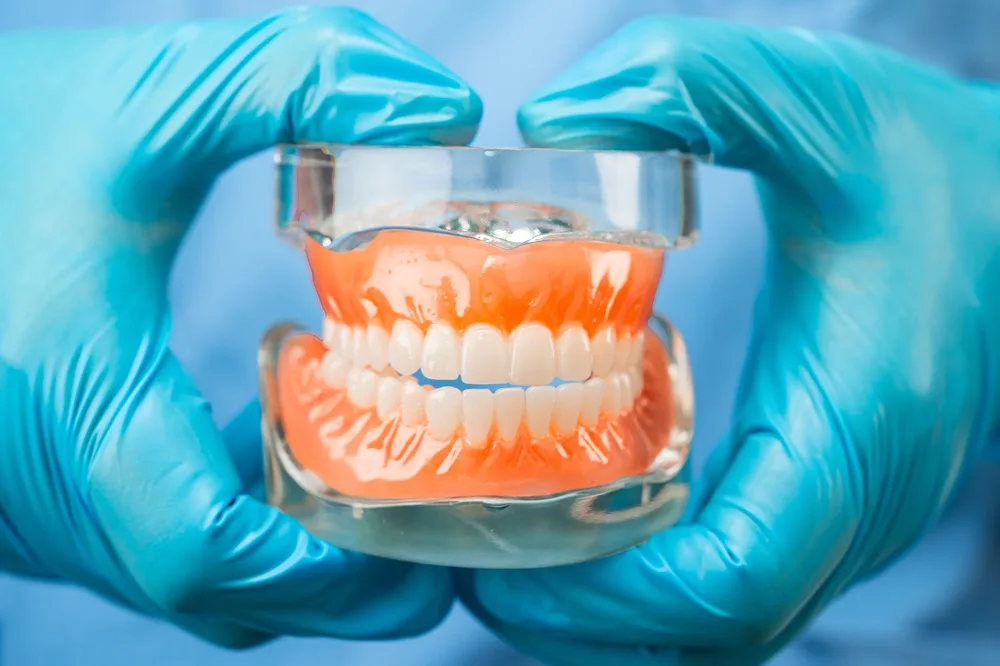
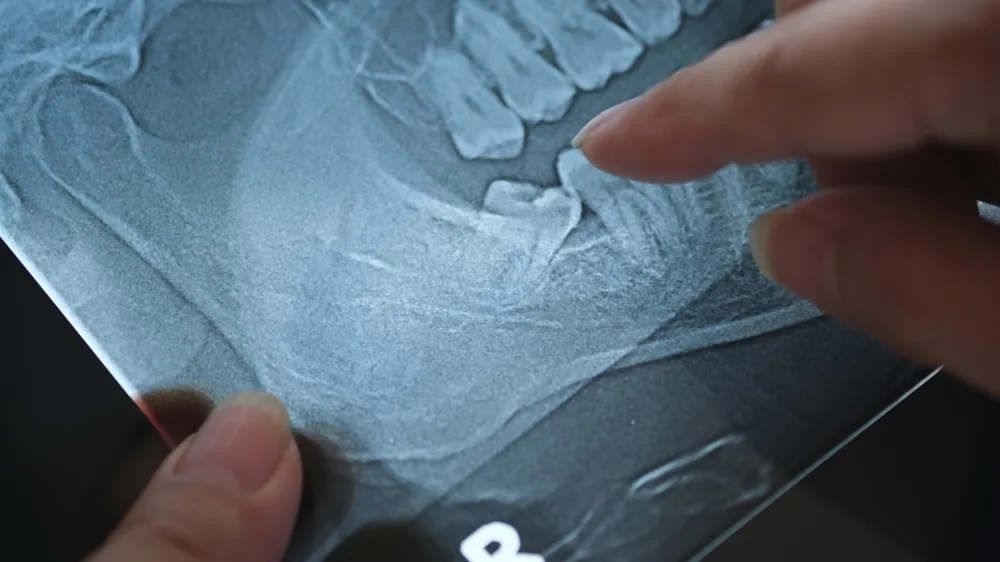
Full dentures replace an arch of teeth, while partial dentures fill selected spaces when natural teeth remain. Dr. Zou examines your mouth, remaining teeth, gums, and bite before explaining whether a removable denture or another replacement option should be considered.
Full dentures replace an entire arch of teeth, while partial dentures fill selected spaces when some natural teeth remain. We assess your oral health and discuss which design or alternative aligns with your needs.
Measurements and records help plan the fit and function of a denture. The appliance is made for the individual mouth with attention to contours, appearance, and the way the teeth meet when you bite.
A new denture can feel unfamiliar at first, and speaking or eating may take practice. We provide practical guidance during this adjustment period and check the fit so that concerns can be addressed rather than tolerated.
Consistent cleaning protects both the denture and the tissues that support it. Keep the follow-up schedule recommended by our team, and let us know if you develop sore areas, looseness, or changes in your bite. Adjustments can help maintain comfort as your mouth changes over time.
Book an appointment and our team will follow up to confirm a time, or call 909.283.3130. An examination is required before a treatment recommendation can be made.
Book AppointmentA partial denture replaces some missing teeth and fits around remaining natural teeth. A full denture replaces all teeth in an upper or lower arch. We evaluate your mouth to determine which design is appropriate.
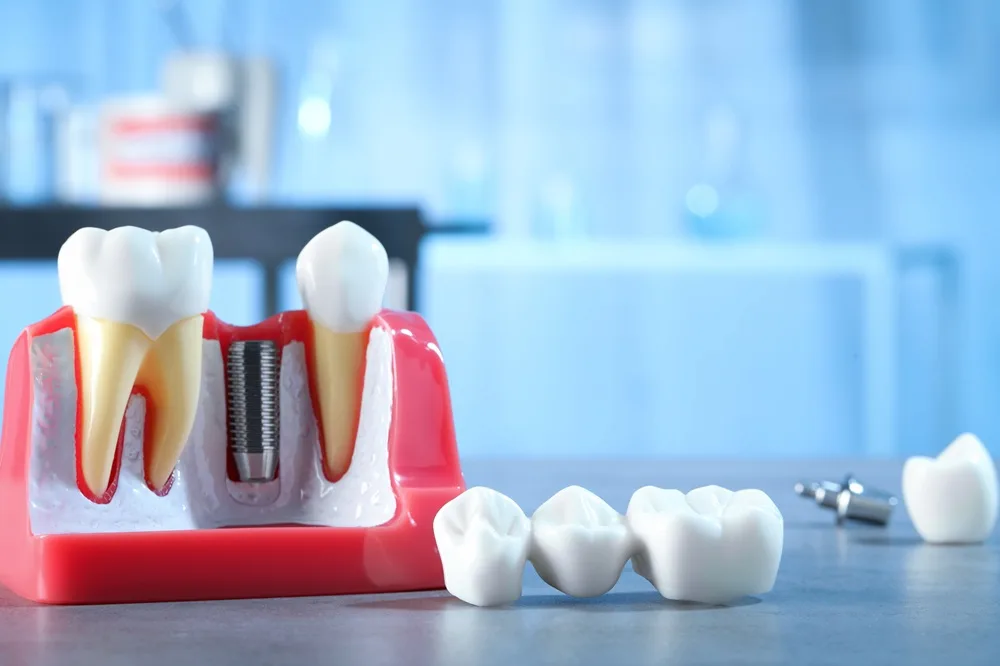
Depending on your oral health and goals, alternatives may include a bridge or an implant-based option. Availability, candidacy, costs, and whether referral is needed must be discussed after an examination.
Adjustment time varies. It is normal for a new appliance to feel unfamiliar while you practice speaking and eating. Follow-up visits allow us to check the fit and make appropriate adjustments if sore areas or other concerns develop.
Clean your dentures every day using the method and products our team recommends. Your mouth also needs daily care. Follow your personalized instructions about nighttime wear, since the right routine depends on your denture and oral health.
Schedule an evaluation if a denture becomes loose, causes recurring sore spots, affects your bite, or is damaged. Your mouth can change over time, so regular checks help determine whether an adjustment, repair, or replacement is appropriate.