

Chinese Dentist Chino CA: General Dentistry in Mandarin
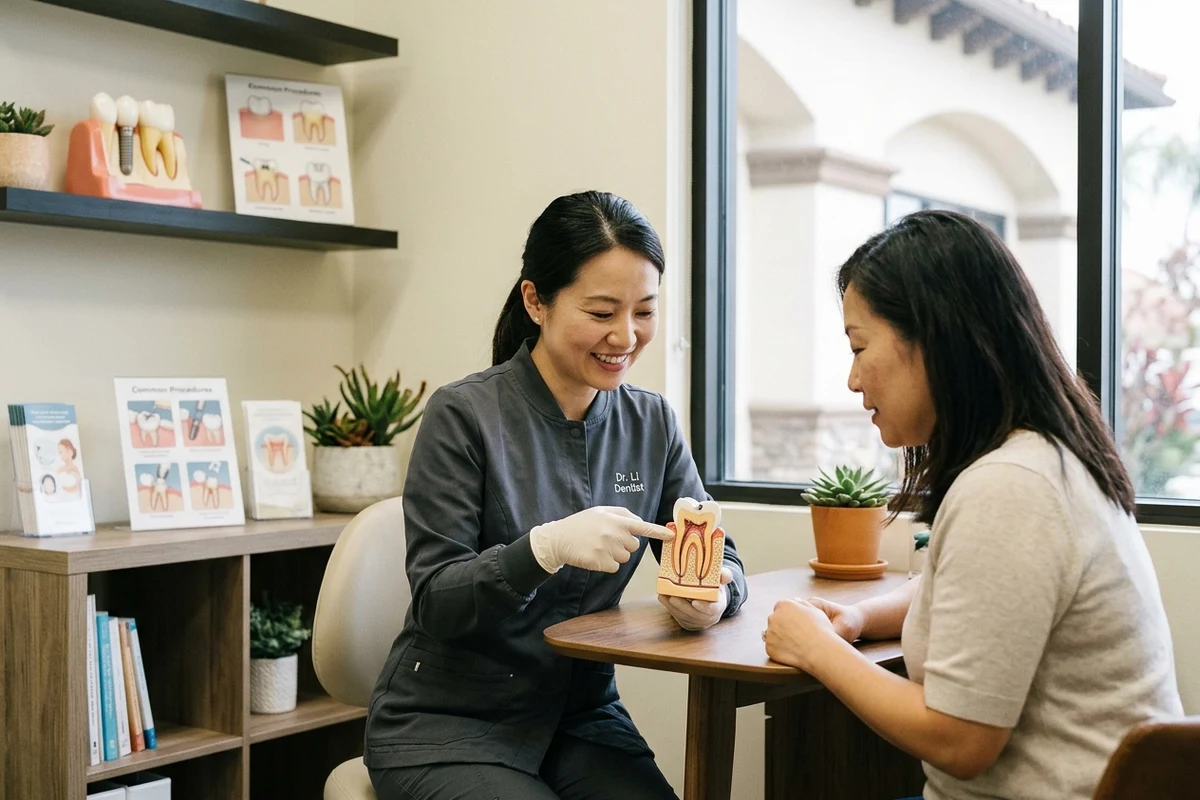
Searching for a Chinese dentist Chino CA connects patients with accessible general dentistry. Federal civil rights laws protect your right to qualified language interpretation, clear informed consent, and comprehensive oral healthcare communication.
Language Accessibility in General Dentistry
Navigating general dentistry requires seamless dialogue between patients and dental professionals. Effective communication allows dental teams to diagnose oral conditions accurately, outline therapeutic options, and deliver preventive treatments while ensuring patients understand every stage of their routine or restorative oral healthcare.[1][3]
Communication and Clinical Standards
When patients search for a Chinese speaking dentist near me, they often seek dental professionals who can bridge critical communication gaps. General dental procedures, such as restorative fillings and periodontal care, depend heavily on mutual understanding. Clear communication helps clinicians address patient symptoms accurately while preventing misunderstandings regarding dental recommendations.[1][3]
Federal Civil Rights Protections
Federal regulations establish meaningful access standards for healthcare settings. Under Title VI of the Civil Rights Act and Section 1557 of the Affordable Care Act, federally assisted dental practices must provide free language assistance services to patients with limited English proficiency, ensuring access to timely and qualified dental interpretation.[1][2]
Key Clinical and Legal Considerations
Selecting an accessible dental provider involves clinical safety and ethical standards. Patients must receive care in an environment where health information is communicated clearly, protecting both their diagnostic accuracy and legal rights during general dental procedures.[1][3]
Informed Consent and Health Histories
Similarly, individuals consulting a Chinese dentist Diamond Bar should expect professional language services rather than ad-hoc translation by companions. True informed consent requires patients to comprehend proposed dental treatments, potential risks, and alternative options fully. Furthermore, accurately disclosing systemic health conditions, prescription medications, and drug allergies prevents severe adverse clinical events.[1][3]
Restrictions on Untrained Interpreters
Federal rules restrict dental practices from relying on untrained staff, adult companions, or minor children to interpret clinical discussions. Untrained individuals frequently misunderstand complex dental terminology, creating substantial safety hazards. Qualified medical interpreters must be utilized instead, except in life-threatening emergencies where no qualified interpreter is immediately available.[1][2]
Timing Your Language Assistance Requests
Recognizing communication barriers early prevents delays during dental appointments. Language assistance should be arranged well before clinical examinations take place, ensuring that qualified interpreters or auxiliary aids are ready when the dentist begins discussing diagnostic findings and treatment recommendations.[1][2]
Arranging Accommodations Before Treatment
When booking an exam with a Mandarin dentist Chino, patients should request language accommodations well before treatment commences. Notifying the office early allows staff to schedule on-site interpreters or configure remote communication platforms. Patients should withhold consent for non-emergency procedures until all diagnostic details and financial agreements are completely understood.[1][2]
Assessing Patient Communication Preferences
Dental teams evaluate communication needs during registration to determine whether language interpretation or auxiliary aids are necessary. This systematic intake process helps providers deliver tailored clinical care while meeting federal accessibility mandates throughout the patient's general dental visits.[1][2]
Intake Protocols and Literacy Screening
A patient consulting a Chinese dentist Chino Hills can expect the dental team to evaluate language preferences during initial check-in. Clinicians identify preferred languages and assess health literacy levels without judgment. This protocol ensures providers select suitable interpretation modalities and prepare translated educational documents before clinical evaluations and discussions begin.[1][3]
Delivery Formats for Language Services
Dental offices implement various qualified interpretation methods to accommodate diverse patient linguistic needs. Choosing the appropriate format ensures effective communication during routine dental cleanings, restorative procedures, and complex oral health consultations, ensuring that every clinical detail is accurately shared between the clinician and patient.[1][2]
Qualified Interpretation Formats
Healthcare practices rely on standardized interpretation technologies and certified professionals to facilitate accurate dental dialogues. These authorized services ensure that technical terminology is translated correctly, avoiding the dangerous diagnostic errors that often occur when using informal translation approaches during general dental care consultations and comprehensive oral examinations.[1][2]
- On-site qualified medical interpreters who facilitate direct, in-person clinical discussions.
- Video remote interpreting services that connect clinicians and patients with certified interpreters via secure video.
- Over-the-phone interpretation lines that provide immediate access to qualified language specialists during appointments.
Multimodal and Translated Aids
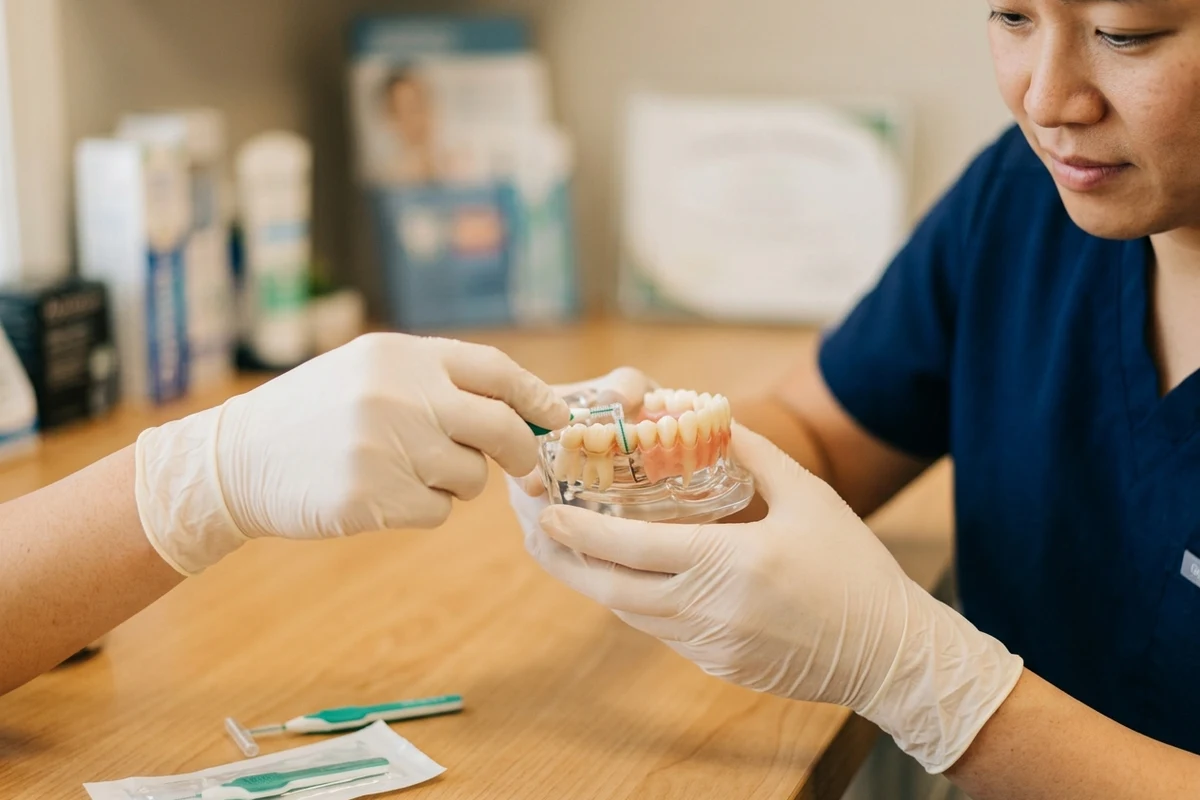
In addition to spoken interpretation, dental teams utilize multimodal tools to reinforce clinical discussions. Visual diagrams, anatomical tooth models, radiographs, and professionally translated written materials help clarify complex procedures. These supplemental resources enable patients to review diagnostic findings thoroughly and participate actively in their dental care planning.[2][3]

The Structured Clinical Appointment Experience
A language-supported dental visit follows structured clinical communication guidelines to maintain clarity and mutual respect. Clinicians pace discussions deliberately, allowing certified interpreters adequate time to convey diagnostic findings, treatment recommendations, and procedural expectations clearly.[1][2]
Direct Clinical Engagement
During language-assisted consultations, general dentists speak directly to the patient in the first person rather than addressing the interpreter. Clinicians use short, clear sentences and pause regularly to allow accurate translation. This conversational rhythm prevents confusion and reassures patients that their individual questions are being addressed directly.[1][2]
Confirming Understanding with Teach-Back
Dental teams employ the evidence-based teach-back technique to verify genuine patient comprehension. Instead of accepting a polite nod or simple agreement, the dentist gently asks the patient to explain the care plan in their own words. This process identifies any misunderstandings regarding procedures or medications before treatment starts.[1][3]
Post-Treatment Care and Ongoing Oral Health
Effective communication remains vital after general dental procedures conclude. Clear post-operative instructions and ongoing preventive guidance ensure patients recover safely at home, avoid complications, and maintain their oral health between routine dental examinations and hygiene visits.[1][3]
Post-Operative Instructions in Primary Languages
Patients should receive translated written instructions explaining how to manage minor post-treatment bleeding, oral soreness, and prescribed mouth rinses after restorative or periodontal care. Reviewing these home care guidelines with a qualified interpreter ensures patients understand activity restrictions and appropriate oral hygiene steps during the initial recovery window.[1][3]
Sustaining Preventive Care and Maintenance
Maintaining long-term oral health requires regular check-ups, cleanings, and diligent at-home brushing and flossing. When patients have consistent access to language assistance, they can comfortably schedule recare visits, report emerging dental symptoms promptly, and ask ongoing questions about their periodontal health and general restorative maintenance.[1][3]
Mitigating Risks Through Clear Communication
Overcoming communication barriers protects patients from clinical complications, diagnostic inaccuracies, and unaddressed dental anxiety. Understanding your rights to accessible dental care empowers you to make well-informed decisions regarding your general oral healthcare needs.[1][3]
Collaborative Decision-Making for Dental Health
Patients should never feel rushed into agreeing to clinical procedures they do not fully comprehend. Requesting professional language services allows you to review treatment alternatives, projected timelines, and clinical goals thoroughly. Establishing clear communication with your dental team is the most effective step toward safe, high-quality dental care.[1][3]
Sources
Common questions
Frequently asked questions
Talk with a dentist about your next step
Please contact One Ounce Dental to schedule an appointment. Our team is available to discuss your individual oral health needs and answer questions about communication options for your general dentistry care.
More Articles
View all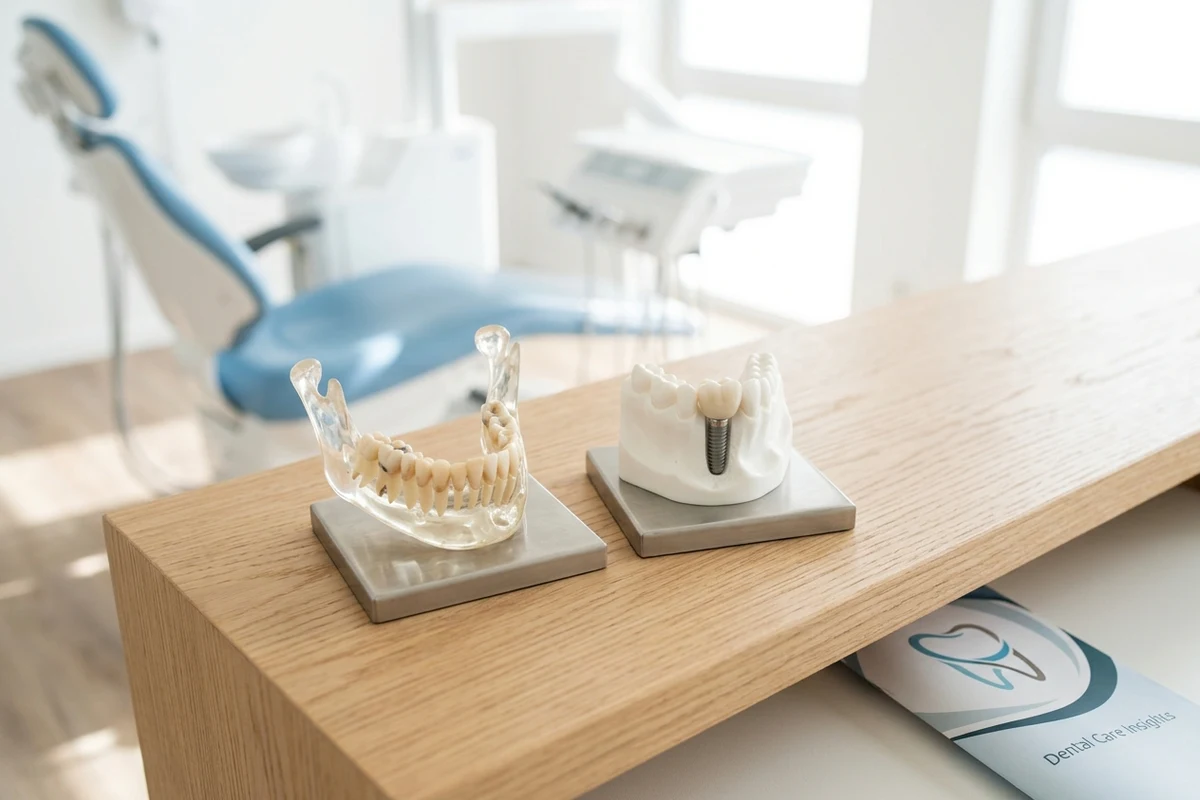 Implants & Oral Surgery
Dental Implants Chino CA: Treatment and Recovery
Dental implants provide durable, root-level support for artificial teeth. Explore candidate requirements, surgical planning, restorative options, and essential daily care to maintain healthy bone integration and long-term oral stability.September 16, 2026 · 6 min read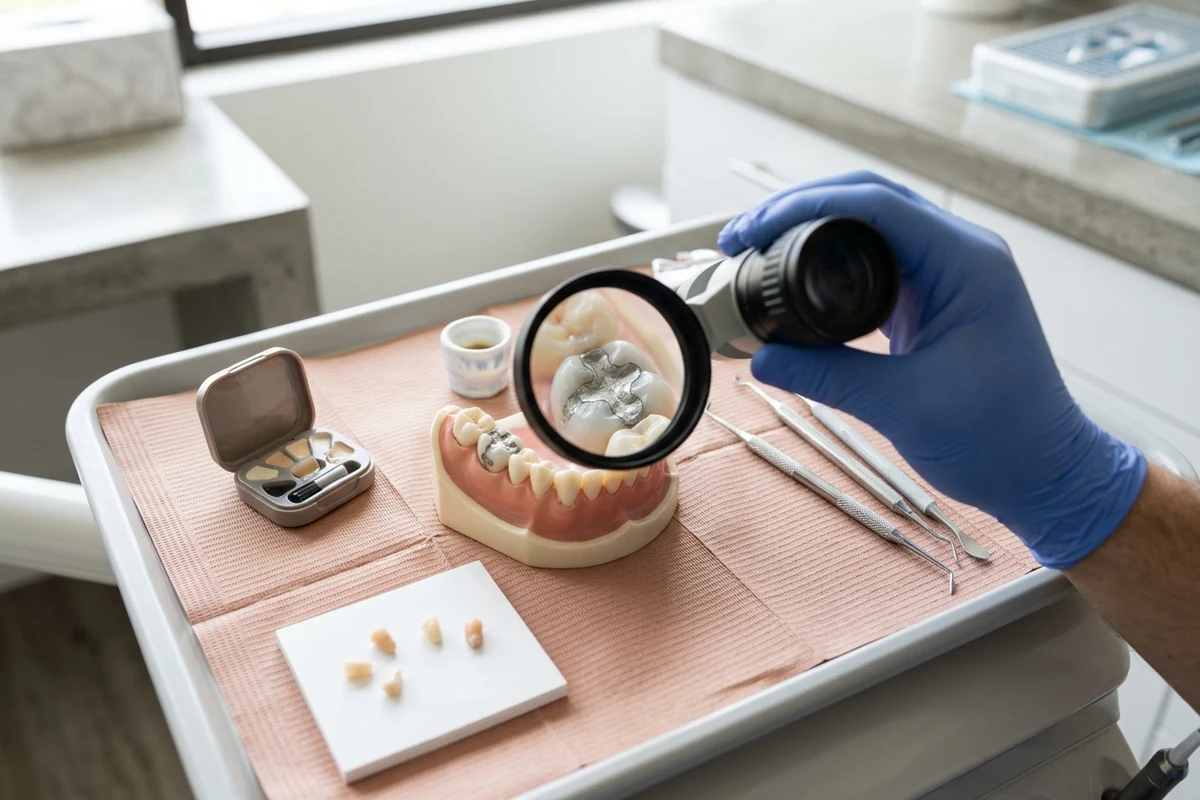 Cosmetic Dentistry
Amalgam Filling Replacement Chino: Amalgam Replacement Explained
Considering amalgam filling replacement Chino dentists evaluate existing restorations for recurrent decay, structural breakdown, or open margins before recommending modern tooth-colored options to protect natural tooth structure and restore chewing function.September 16, 2026 · 6 min read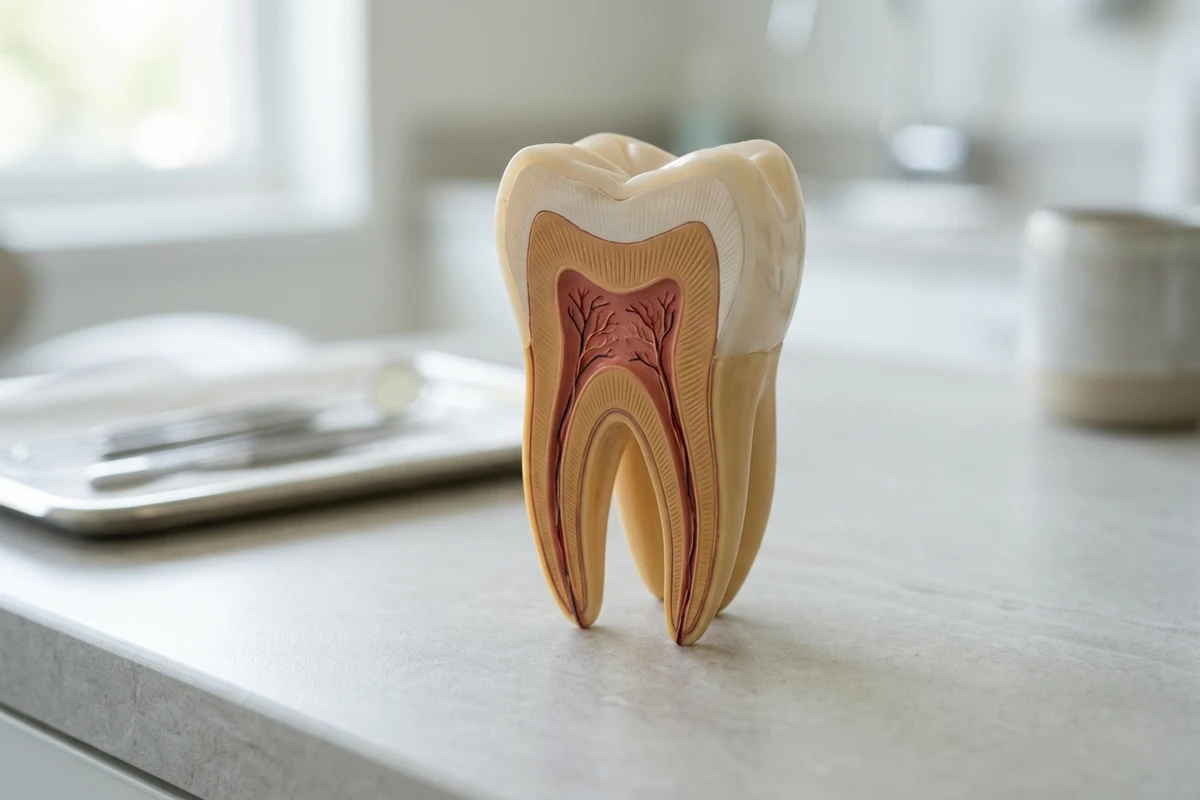 Restorative Care