

Why Does Floss Smell Bad Between Two Teeth? 6 Common Causes

If you notice that your floss smells bad between two teeth, trapped food, a hidden cavity, or gum problems could be the reason. Learn what causes the odor and how to fix it.
Floss Odor Between Teeth at a Glance
Smelly floss is very common, and up to ninety percent of bad breath begins right inside the mouth. When food or bacteria sit in tight gaps, they produce smelly sulfur gases that cling to your strand. You might wonder why floss smells bad between two teeth when the rest of your mouth feels clean. The quick guide below highlights six common reasons for this odor, the clues to look for, and what helps resolve it.[2]
| Cause | The Clue | What Helps |
|---|---|---|
| Hidden tooth decay[3] | Floss shreds or catches | Composite Fillings |
| Chipped or leaking filling[1][2][3] | Food gets stuck often | Repair or replacement |
| Bacterial plaque buildup[1][2] | Foul sulfur odor on floss | Daily brushing and flossing |
| Hardened tartar deposits[1][5] | Hardened buildup below the gumline | Office Dental Cleaning |
| Early gum disease[1][4] | Red gums that bleed easily | Daily hygiene and checkups |
| Deep gum pockets[2][4] | Swelling and persistent odor | Deep Periodontal Treatment |
Food Trapped in a Hidden Cavity
A cavity between your teeth (interproximal lesion) can act like a small bowl that traps bits of food. When food stays caught in this opening, oral bacteria break it down and create an unpleasant smell. Floss that passes through this rough spot will pick up that odor right away.
You might also notice your strand shredding or fraying as it slides past the damaged tooth structure. Sugary foods can cause a sharp ache because fluid shifts inside the tooth tubules to irritate the inner pulp. While early enamel damage can be repaired with fluoride, deeper decay into softer dentin requires Composite Fillings to seal the hole.[3]
Chipped or Damaged Tooth Fillings
Fillings can chip or pull away from the tooth surface over time. This wear creates a tiny ledge where bacterial plaque gathers beneath the filling. These defective margins are a common source of bad breath because bacteria hide where standard bristles cannot easily reach them.
A damaged filling often catches or tears your floss as you slide it between your teeth. When plaque stays trapped beneath the old material, new tooth decay can develop underneath the filling. Your dentist can examine the edges and smooth or replace the material to keep the space clean.[1][2][3]
Sticky Bacterial Plaque
Dental plaque is a clear, sticky film of bacteria that constantly coats your teeth. When this film stays in tight gaps between teeth, the germs break down cellular debris, food bits, and proteins in your saliva. This breakdown produces smelly sulfur compounds (gases), including hydrogen sulfide and methyl mercaptan.
Together with dimethyl sulfide, these sulfur gases make up about ninety percent of volatile sulfur compounds in bad breath. If you skip cleaning between your teeth for a day or two, plaque quickly builds up and creates a strong smell on your floss. Cleaning between your teeth every day helps remove this soft film before it causes more trouble.[1][2][5]
Hardened Tartar Below the Gumline
When soft plaque is not cleared away by regular brushing and flossing, it hardens over time into tartar (calculus). This buildup can form below your gumline and irritate your gums, potentially worsening into more severe gum disease if left untreated.
Unlike soft plaque, tartar cannot be brushed or flossed away at home. Tartar can only be removed safely by your dentist or dental hygienist during a routine Dental Cleaning.[1][3][5]
Mild Gum Disease
When trapped plaque sits against your gums, the bacteria release acids that irritate the soft tissue. This irritation causes an early form of gum disease known as gingivitis. People with gum disease are about 3.6 times more likely to have bad breath than people with healthy gums.
The main signs of this early stage include red, puffy gums that bleed easily when you brush or floss. The condition can be quiet at first, so you might only notice bleeding or bad odors on your floss. Mild gum disease is completely reversible with good daily brushing, regular flossing, and care from your dental team.[1][2][4][5]
Deep Gum Pockets
If early gum irritation is left untreated, plaque bacteria can spread deeper beneath the gumline. This progression leads to advanced gum disease (periodontitis), where bacterial toxins trigger chronic inflammation that breaks down supporting bone and tissue. As bone pulls back, infected spaces or pockets form between your gums and teeth.
Gum pockets deeper than three to five millimeters harbor bacteria that create much higher levels of smelly sulfur compounds. Over forty percent of people with this condition have noticeable breath odor. Periodontal Treatment clears out this deep buildup and lowers the levels of smelly sulfur gases.[2][4]
When to See a Dentist
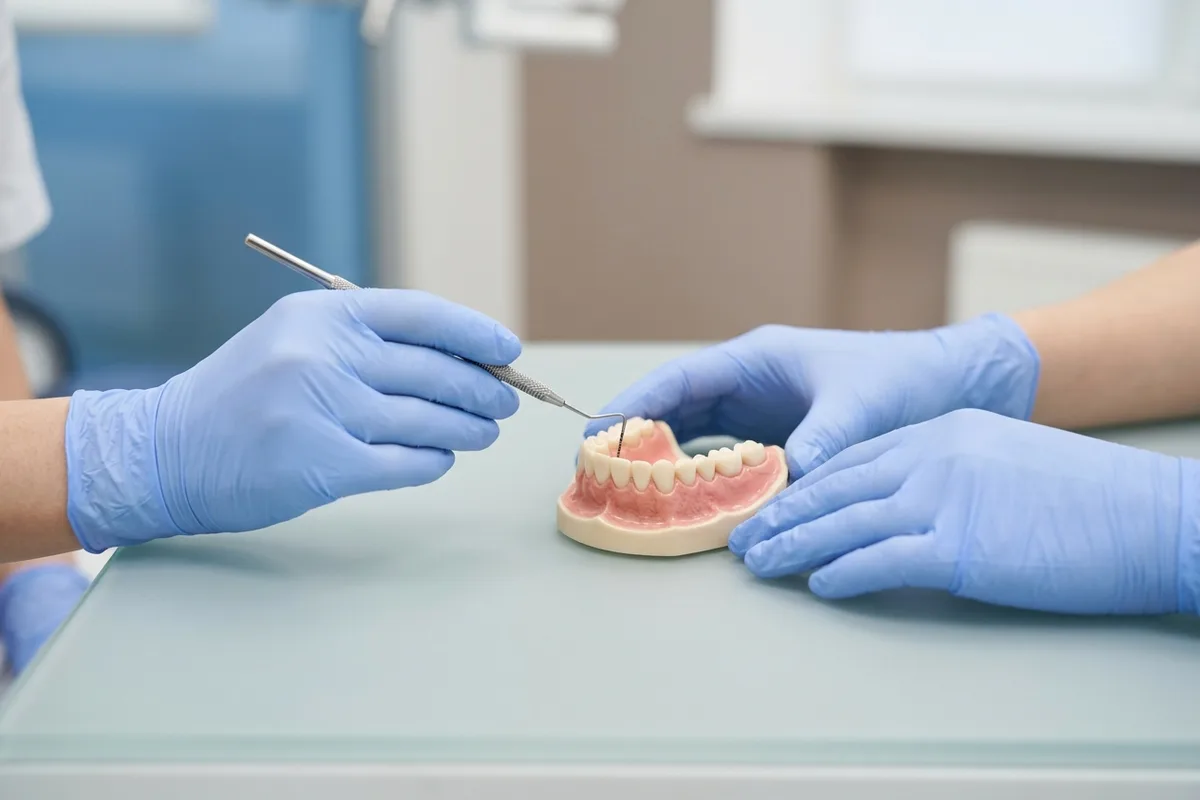
Gum problems can often develop without pain, so you might not feel discomfort until an issue has advanced. You should schedule a visit if bad odors on your floss linger for days or if your gums stay red, tender, or swollen. It is also important to seek care if floss shreds often between the same teeth or if sweet foods cause pain.
Make an appointment right away if you notice receding gums, loose teeth, or changes in your bite. Pus between your teeth and gums is another clear warning sign of progressive gum disease. At One Ounce Dental in Chino, CA, you can discuss your symptoms with Dr. Yiyang Zou during your exam.[3][4]
How to Prevent Smelly Floss Between Teeth
You can prevent smelly buildup between your teeth by sticking to simple daily habits. Brushing twice a day and flossing at least once each day clears away fresh plaque before it can harden. Drinking water with fluoride strengthens your enamel throughout the day, while avoiding tobacco lowers your risk for gum disease.
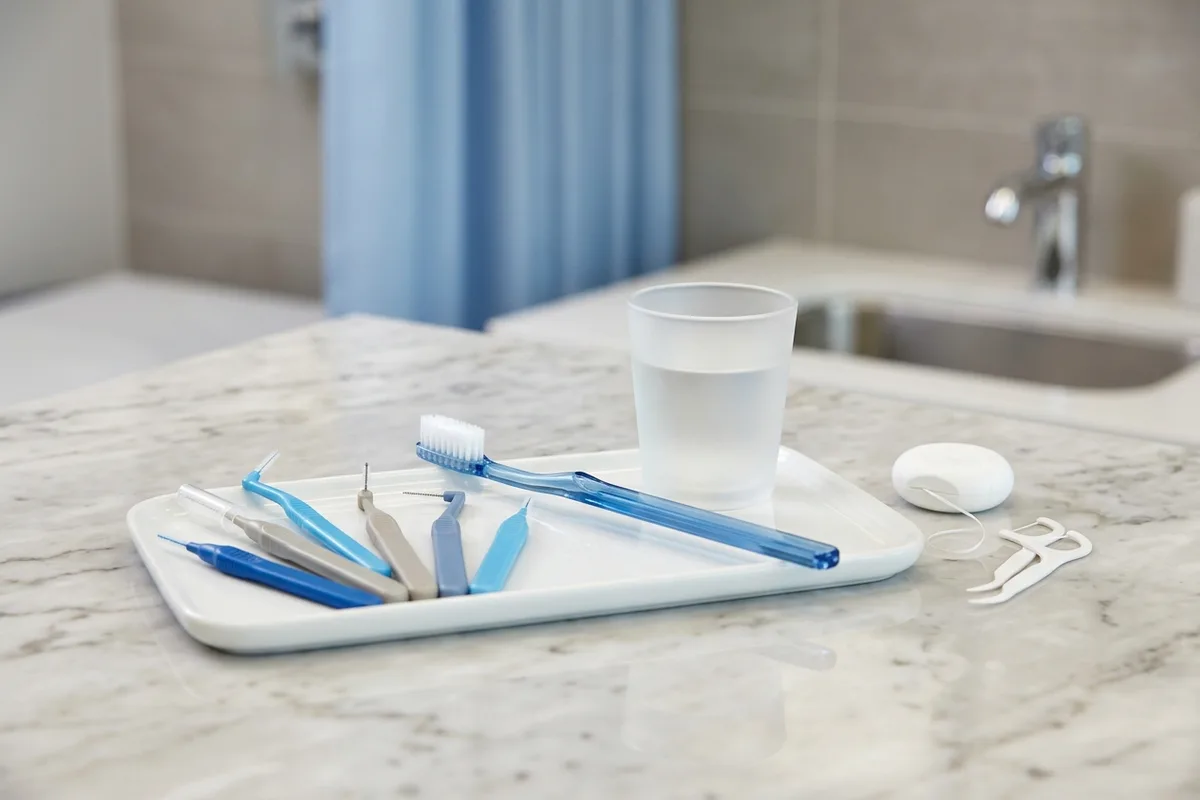
Using proper cleaning technique makes a major difference in keeping tight spaces clean:[1][5]
- Curve your floss into a gentle C-shape against the side of each tooth.
- Slide the strand softly up and down beneath your gumline to clear plaque.
- Try tools like water flossers, small interdental brushes, or floss holders if regular floss feels tricky.
- Avoid sharing cups, spoons, or toothbrushes with family members because gum bacteria spread through saliva.
- Visit your dental clinic for regular cleanings to remove hardened tartar that brushing cannot clear.
Sources
- Oral Hygiene — National Institute of Dental and Craniofacial Research
- Investigation of volatile sulfur compound level and halitosis in patients with gingivitis and periodontitis — pmc.ncbi.nlm.nih.gov
- How To Know If I Have A Cavity: The Complete Clinical Guide To Dental Caries Detection — stories.nyack.edu
- Gum Disease Information — American Academy of Periodontology
- FAQs — American Academy of Periodontology
Common questions
Frequently asked questions
Questions about your own smile?
If you notice persistent odor or snagging when flossing between your teeth, request an appointment at One Ounce Dental. You can talk through your care options with Dr. Yiyang Zou to keep your smile healthy.
More Articles
View all Dental care
Why Do I Have a Metallic Taste in My Mouth? 7 Common Causes
A lingering metallic flavor can come from swollen gums, everyday drugs, sinus colds, or dry mouth. Learn what causes this strange taste and how to find relief.November 17, 2026 · 6 min read Dental care
Why Is My Tongue White? 7 Common Causes
A white tongue can stem from harmless debris, surface irritation, fungal thrush, or precancerous patches. Discover what causes these color changes, how to spot warning signs, and when to seek dental care.November 16, 2026 · 6 min read Dental care