

Do Gums Grow Back: A Patient Guide to Periodontal Treatment

Many patients ask if their gums can grow back after noticing changes in their smile. Although lost gum tissue does not regenerate on its own, professional dental care offers effective solutions to protect your oral health.
Understanding Gum Tissue and Recession
When gum tissue pulls away from the teeth, it leaves the underlying roots vulnerable to damage. Understanding why this happens and how it relates to comprehensive periodontal care is the first step in effectively managing your long-term oral health.[1][2]
The reality of gum regeneration
Gum tissue consists of specialized cells that do not possess the ability to regenerate once they are lost. Because the human body cannot naturally replace this missing tissue, any recession that occurs is considered permanent without professional physical intervention from a dental specialist. Patients must understand that waiting for natural regrowth is ineffective.[1][2]
Connection to periodontal treatment
Because gums cannot heal themselves by growing back, periodontal treatment focuses entirely on stopping the progression of tissue loss. Dental professionals use specific therapies to manage the underlying causes, ensuring that the remaining healthy tissue stays intact, functional, and firmly attached to the teeth.[2][3]
Causes and Risk Factors for Receding Gums
Several different elements contribute to the gradual loss of gum tissue over time. Accurately identifying these underlying causes helps dental professionals determine the most appropriate treatment plan to prevent further damage to your smile and protect your oral health.[1][5]
Common causes of gum recession
Periodontal disease is a leading cause of tissue loss, as bacterial infections actively destroy the supporting structures of the teeth. Additionally, aggressive tooth brushing or using a hard-bristled toothbrush can physically wear down the delicate gum tissue over time, forcing it to recede from the crown.[1][2][5]
Risk factors and genetics
Certain lifestyle habits and biological factors can significantly increase the likelihood of experiencing gum recession. Poor daily oral hygiene allows harmful plaque to accumulate, while tobacco use severely impairs gum health. Furthermore, some individuals have a genetic predisposition to naturally thinner gum tissue, increasing their risk.[1][3][5]
Recognizing the Symptoms of Recession
Catching gum recession early is vital since the lost tissue cannot regenerate on its own. Paying close attention to changes in how your teeth look and feel can help you know exactly when it is time to seek professional dental care.[1][2]
When to seek evaluation
Common signs of recession include teeth that suddenly appear longer than normal or have visible, exposed roots. You may also experience increased tooth sensitivity to hot or cold temperatures. If you notice these specific changes, or have bleeding, red, or swollen gums, you should schedule a dental visit.[1][2][5]
How a Dentist Assesses Gum Health
A thorough clinical evaluation is necessary to determine the exact extent of tissue loss and the health of the surrounding bone. This comprehensive assessment directly guides the selection of the most effective periodontal therapies for your specific situation.[1][3]
The diagnostic process
During an exam, a dentist carefully measures the depth of the pockets around each tooth to check for active periodontal disease. They will also evaluate the amount of exposed root surface and review your dental history to identify contributing factors like aggressive brushing habits or tobacco use.[1][2][3]
Exploring Periodontal Treatment Options
While natural regrowth is not possible, several clinical options exist to effectively manage recession. The right approach depends heavily on whether active gum disease is currently present and exactly how much tissue has already been lost.[2][3]
Non-surgical interventions
If periodontal disease is the primary cause of your receding gums, a dentist may recommend non-surgical treatments to clear the underlying infection. Scaling and root planing is a specialized deep cleaning method used to meticulously remove hardened plaque and tartar from beneath the gumline.[2][4]
Surgical restoration options
When tissue loss is severe and leaves tooth roots dangerously exposed, physical restoration may be necessary to protect the tooth. A periodontist can perform surgical interventions, such as soft tissue gum grafts, to physically cover the exposed roots and reinforce the thinning gumline for long-term stability.[2][3]

The Treatment Process for Gum Recession
Understanding the specific steps involved in periodontal care can help you feel much more comfortable about your upcoming treatment. Both non-surgical and surgical methods follow strict clinical protocols to ensure a safe, comfortable, and effective outcome.[3][4]
The deep cleaning process
During scaling and root planing, a dental professional carefully cleans deep below the gumline to remove toxic bacterial buildup. They then smooth the rough root surfaces, which discourages further plaque accumulation and helps the remaining healthy gum tissue reattach much more firmly to the tooth.[4]
The gum grafting procedure
If a soft tissue graft is required, a periodontist typically takes a small piece of healthy tissue from the roof of the mouth or utilizes a safe donor source. This tissue is then meticulously attached to the recessed area to cover the vulnerable root and restore the gumline.[3]
Maintaining Gum Health After Treatment
Because gums do not grow back, preserving your existing natural tissue and any surgical grafts is absolutely essential. A dedicated combination of excellent home care and ongoing professional monitoring is the best way to maintain your treatment results.[1][2]
Daily oral hygiene habits
Preventive measures at home are critical for halting further recession. Adopting a gentle daily routine protects vulnerable gum tissue from additional physical wear or bacterial infection.[1][2][5]
- Brush gently twice daily using a soft-bristled toothbrush to avoid tissue damage.
- Clean between your teeth every day to remove hidden plaque and food particles.
- Avoid all tobacco products to support healthy circulation and healing in the gums.
Professional maintenance
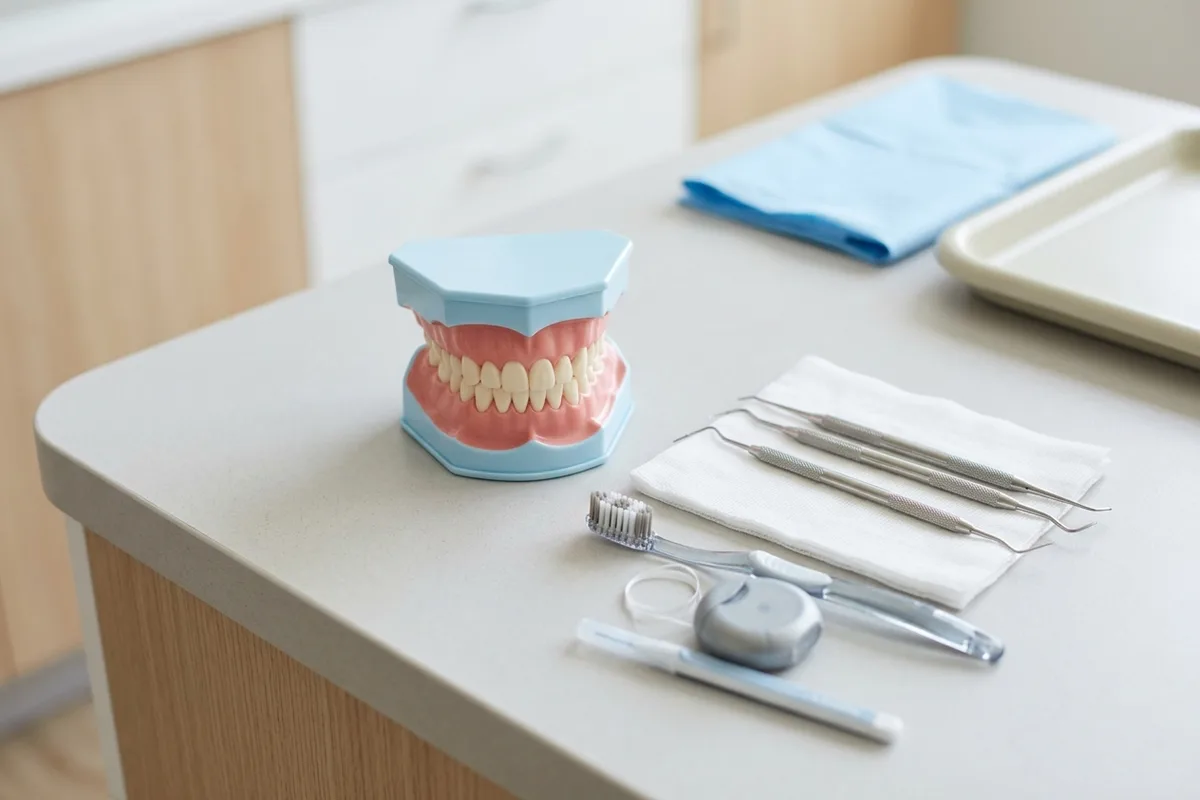
Even with excellent home care, regular professional dental cleanings are necessary to safely remove tartar that daily brushing alone cannot eliminate. Your dentist will closely monitor your gum levels at these routine visits to ensure the recession has stabilized and no new infection has developed.[1][2]
Complications of Untreated Recession
Ignoring receding gums can quickly lead to worsening oral health issues. Taking proactive steps to address the problem early minimizes the risk of severe complications and helps preserve your natural smile for years to come.[1][5]
The risks of delaying care
Without prompt intervention, exposed tooth roots remain highly susceptible to rapid decay and severe temperature sensitivity. If the underlying cause is untreated periodontal disease, the infection can eventually destroy the supporting jawbone, potentially leading to loose teeth and permanent tooth loss that requires extensive restoration.[1][2][5]
Sources
- Gum Disease — National Institute of Dental and Craniofacial Research
- Gum Disease — American Dental Association
- Gum Disease Information — American Academy of Periodontology
- Scaling and Root Planing — American Dental Association
- Gum Disease — medlineplus.gov
Common questions
Frequently asked questions
Talk with One Ounce Dental about your next step
If you are concerned about receding gums or experiencing tooth sensitivity, book an appointment at One Ounce Dental. Our team can evaluate your smile and discuss personalized treatment options to protect your oral health.
More Articles
View all Dental care
How to Straighten Teeth Without Braces (Step-by-Step)
Wondering how to straighten teeth without braces? Custom clear trays can gently shift your smile into place when you follow key daily steps, wear them enough hours, and keep your teeth clean.October 16, 2026 · 6 min read Preventive & General
Enamel Erosion Symptoms: A Patient Guide to Dental Cleaning and Exams
Enamel erosion involves the chemical loss of tooth structure from acids. Understanding the early signs and risk factors can help you discuss prevention strategies during your regular dental cleaning and exams.October 15, 2026 · 6 min read Preventive & General