

How to Straighten Teeth Without Braces (Step-by-Step)
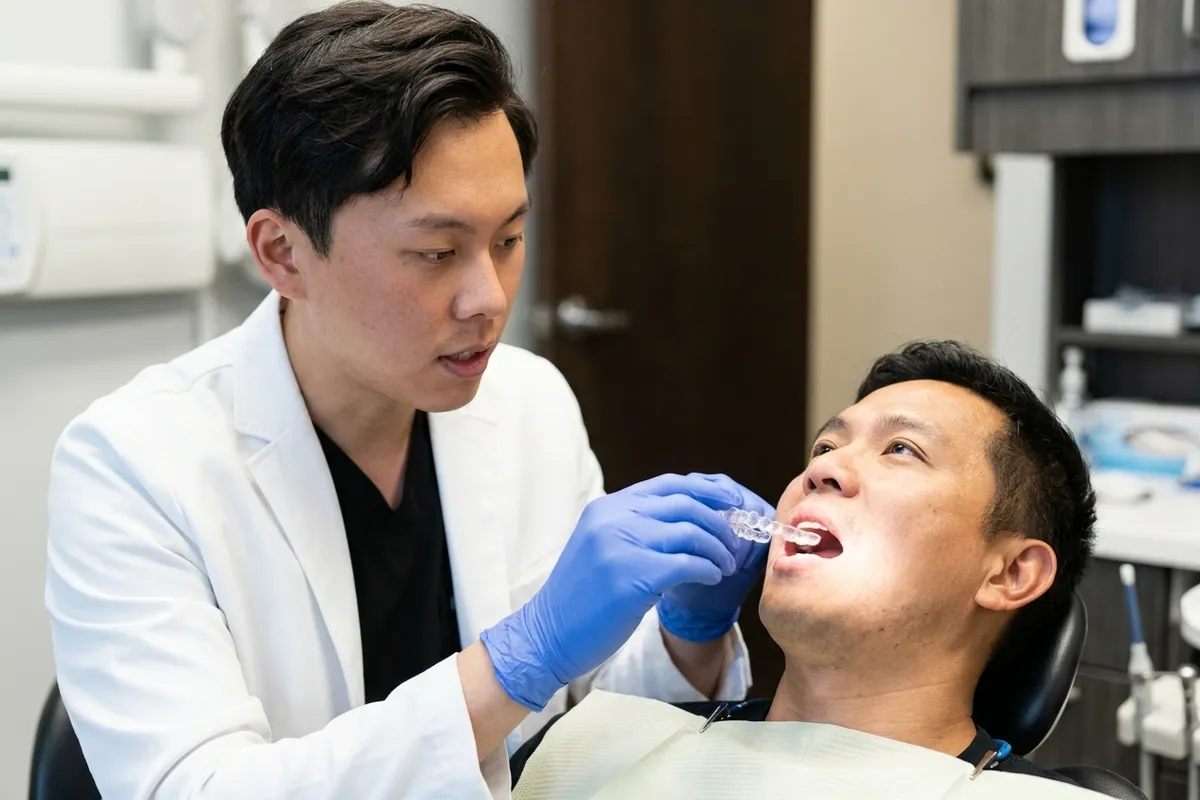
Wondering how to straighten teeth without braces? Custom clear trays can gently shift your smile into place when you follow key daily steps, wear them enough hours, and keep your teeth clean.
What You'll Need to Straighten Teeth Without Braces
Straightening your smile without brackets begins with careful planning and the right daily tools. Clear trays move teeth by tiny amounts over time, but they require good oral habits to stay clean and work well. Having your supplies ready helps you protect your mouth and avoid delays from the very first day.
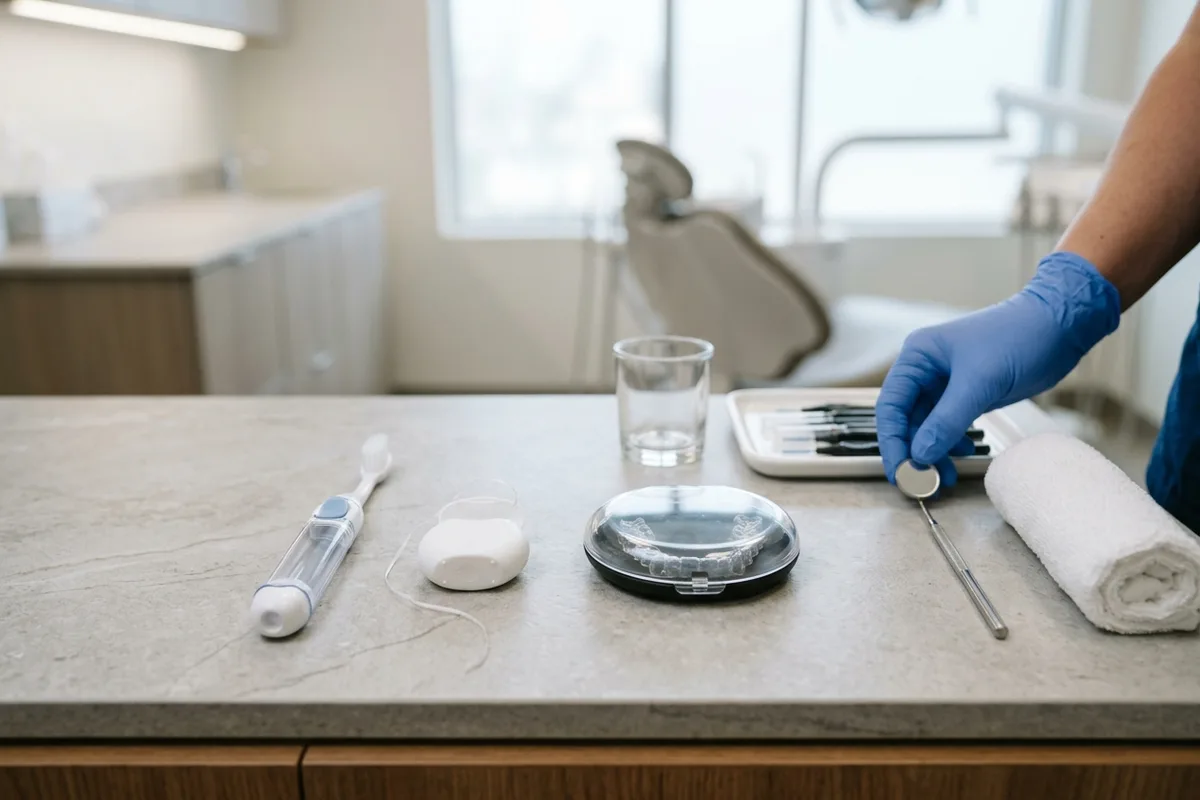
Gather these basic supplies before you begin your clear aligner care:[1][2]
- A fresh dental exam and professional teeth cleaning to resolve any decay before treatment starts
- A digital mouth scan taken by a dental provider to build your custom plastic aligner series
- A hard protective storage box to hold your removable trays whenever you eat or drink
- A soft toothbrush and fluoride paste to clean your teeth before snapping your trays back on
- A bottle of plain drinking water to stay hydrated without taking your aligners out of your mouth
Step by Step: Straightening Teeth with Clear Trays
Clear aligners offer a neat way to improve your smile without metal wires. Following each step keeps your teeth moving on schedule and prevents damage to your teeth.[1][3]
Get an In-Person Mouth Check
Your dentist must check your teeth and gums in person before any tooth movement begins. Having cleanings and dental fillings done first ensures your mouth stays healthy during treatment. You'll know it's working when your dentist confirms your mouth is free of active decay and ready for scans.[2][5]
Have Guiding Bumps Placed on Teeth
Your dental provider may bond tiny, tooth-colored bumps to your enamel. These small bumps give the plastic trays a firm grip so they can guide stubborn teeth into position. You'll know it's working when your trays click securely over the bumps without sliding out of place.[1]
Wear Your Trays Twenty-Two Hours Daily
Keep your plastic trays in place for at least twenty-two hours throughout the day and night. Removing them too often slows down progress, lengthens your total treatment time, and harms your final alignment. Avoid leaving trays out of your mouth for more than two hours across an entire day.[1][2][3]
Take Trays Out for Every Meal
Always take your aligners out before you chew food or drink anything other than plain water. This habit lets you eat your regular meals without the food limits of metal brackets. Avoid chewing food while wearing your trays.[1][2][3]
Clean Teeth Before Snapping Trays Back
Brush and floss your teeth after meals before you put your clear trays back in your mouth. Trapping sweet or sour liquids inside the trays can cause tooth stains and rapid tooth decay (caries). You'll know it's working when your trays look crystal clear and your breath stays fresh throughout the day.[1][3][4]
Store Trays Inside a Sturdy Case
Whenever you take your trays out to eat, put them directly into your hard travel case. Trays wrapped in paper napkins are easily tossed into the trash or chewed by house pets. Avoid wrapping your clear trays in loose napkins or leaving them out on open tables.[1][3]
Advance to the Next Tray on Schedule
Move to your next set of trays every one to two weeks based on your provider's instructions. Each new set shifts your teeth by fractions of a millimeter closer to their planned resting spots. You'll know it's working when each new tray seats down completely over your teeth with steady, gentle pressure.[2][3][4]

Timeline: What to Expect During Tray Treatment
Shifting teeth without brackets takes steady commitment over several stages. Knowing what to expect during each phase helps you stay comfortable and keep your smile transformation moving forward on time.[2]
| When | What to Expect | What to Do |
|---|---|---|
| Weeks 1 to 6[2] | Mouth scans are sent out and your custom trays arrive from the maker | Keep teeth clean and attend your fitting visit to receive your first trays |
| The First Week[1][2] | Mild tooth tenderness and light pressure as your mouth adapts to the new plastic | Wear trays twenty-two hours daily as your mouth adapts to the new plastic |
| Every 1 to 2 Weeks[1][3] | Brief soreness for a few days each time you change to a newer aligner set | Switch trays on schedule and clean your teeth after every meal or snack |
| Treatment End[1] | Teeth finish active movement and reach their planned alignment positions | Wear custom retainers as instructed by your dentist to stop teeth from drifting |
What's Normal and What's Not
What Is Normal During Care
Feeling mild tooth soreness during the first few days of a new tray is completely normal. The pressure simply means the appliance is applying the light force needed to move your teeth.[1][2]
What Is Not Normal During Care
Trays that crack are not normal. You should also not see tooth staining or decay forming on your enamel under the plastic.[1][3]
When to Call Your Dentist
Call your dental office right away if an aligner tray cracks, breaks, or gets lost. Losing an appliance can halt your progress or compromise your treatment results.
If you live near Chino, CA, you can contact One Ounce Dental to talk about tray fit. Letting your dentist guide your care helps you steer clear of the tooth damage linked to mail-order kits.[1][3][5]
Your Checklist (Make Sure It's Working)
Review this quick checklist before the end of your first week to ensure your tooth alignment stays on track:[1][3]
- Do wear your trays for at least twenty-two hours every day
- Do carry your hard protective case everywhere you go
- Do brush your teeth clean before putting aligners back in
- Don't drink sugary, colored, or acidic drinks while wearing your trays
- Don't wrap removable clear aligners in paper napkins at mealtimes
Common Problems and Fixes
Lost or Damaged Aligner Tray
Aligners are small and clear, so they can easily get thrown into the trash or lost during meals. If you misplace or break a tray, call your dentist immediately rather than skipping ahead on your own.[1][3]
Risks from Mail-Order Straightening Kits
Ordering teeth trays by mail skips the in-person dental exam and close health checks needed to move teeth safely. The American Dental Association cautions against these mail-order services because moving teeth without a dentist can cause severe, lasting harm. Complications can be reported to the FDA MedWatch program if an unsupervised kit harms your bite.[5]
Habits That Help Long-Term
Straightening your smile without brackets requires good daily habits even after your active trays are finished. Teeth have a natural drift, so wearing your retainer as directed keeps your newly aligned teeth in place. Keeping up with regular cleanings stops plaque buildup around tightly spaced teeth and keeps your gums firm and healthy.[1][4]
The Bottom Line on Clear Aligners
Clear aligners offer a comfortable and subtle way to straighten teeth without braces for many smile concerns. Wearing your trays for at least twenty-two hours daily and keeping your teeth clean protects against decay. Working closely with your dentist ensures your bite moves safely without unexpected setbacks.[1][5]
Sources
- Braces vs. Clear Aligners: Which Treatment is Best for You? — American Association of Orthodontists
- Clear Aligners: Discreet Ways to Straighten Teeth — American Association of Orthodontists
- Clear Aligner Therapy: The Discreet Way to Straighten Teeth — American Association of Orthodontists
- Orthodontics, Malocclusion — National Center for Biotechnology Information
- Direct-to-Consumer Dental Services — American Dental Association
Common questions
Frequently asked questions
Questions about your own smile?
Wondering how to straighten teeth without braces? Call One Ounce Dental in Chino at 909.283.3130 to book a consultation and discuss your smile goals.
More Articles
View all Preventive & General
Enamel Erosion Symptoms: A Patient Guide to Dental Cleaning and Exams
Enamel erosion involves the chemical loss of tooth structure from acids. Understanding the early signs and risk factors can help you discuss prevention strategies during your regular dental cleaning and exams.October 15, 2026 · 6 min read Preventive & General
Retainer After Braces: A Patient Guide to Orthodontics
Following your orthodontic treatment, a retainer helps stabilize your bite and maintain your new smile. Understanding how to wear, clean, and store your retainer can help your teeth remain in their new positions over time.October 14, 2026 · 5 min read Dental care