

Teeth Straightening Options For Adults: A Patient Guide to Clear Aligners

Many adults consider orthodontic treatment to improve their smile, alleviate jaw strain, and support long-term oral health. Clear aligners offer a popular, removable alternative to traditional metal braces for correcting misaligned teeth.
Understanding Adult Orthodontics
Misaligned teeth, known clinically as malocclusion, can affect patients at any age. While many people associate orthodontics with teenagers, adults frequently seek treatment to correct shifting teeth, improve daily oral hygiene, or address cosmetic concerns.[2][3][5]
Causes of misaligned teeth
Malocclusion often develops due to genetics, early tooth loss, or the natural shifting of teeth that occurs over time. These factors can cause teeth to become crowded or spaced unevenly, prompting many adults to explore modern orthodontic solutions to restore proper alignment and improve their overall bite function.[3][5]
The role of clear aligners
Clear aligners provide a discreet method for correcting malocclusion without relying on fixed wires and metal brackets. This approach strongly appeals to adults who want a less noticeable treatment option while still achieving the functional and aesthetic benefits of a properly aligned, healthy, and beautiful smile.[4][5]
Key Considerations for Clear Aligners
Choosing the right orthodontic treatment depends on several personal and clinical factors. Patients must carefully evaluate their daily habits, the complexity of their bite issues, and their baseline oral health before committing to a specific teeth straightening method.[2][4][5]
Daily compliance requirements
Clear aligners require strict patient compliance to work effectively and achieve the desired outcome. To stay on track within the expected timeframe, individuals must commit to wearing their removable trays for twenty to twenty-two hours every day, taking them out only for meals and routine oral hygiene.[4]
Baseline oral health
Before starting any orthodontic treatment, patients must have healthy teeth and gums. A dentist will ensure that no active tooth decay or gum disease is present, as moving teeth in an unhealthy environment can lead to severe complications or compromise the final results of the alignment process.[2][5]
Recognizing the Need for Treatment
Adults often realize they need orthodontic care when they experience physical symptoms or notice changes in their smile. Identifying these signs early can help individuals seek timely professional advice and prevent more severe dental complications down the road.[3][5]
Common symptoms of malocclusion
Signs that you might benefit from teeth straightening often manifest as physical discomfort or visible changes in your bite. Recognizing these indicators early can help you seek timely professional advice and prevent more severe dental complications from developing as your teeth continue to shift over time.[3][5]
- Visibly crowded or overlapping teeth
- Difficulty chewing food comfortably
- Abnormal wear on tooth enamel
- Increased jaw strain or discomfort
Orthodontic Assessment and Planning
A thorough professional evaluation is the essential first step toward a straighter smile. During this visit, a dental professional examines the patient to determine the most appropriate and effective treatment strategy based on their unique anatomical needs.[2][5]
Evaluating the bite
A licensed dentist or orthodontist will carefully evaluate your bite to assess the severity of your malocclusion. This thorough assessment helps the provider determine whether clear aligners can successfully correct the issue or if the complexity of the case requires a different, more traditional orthodontic approach.[2][4][5]
Comparing Teeth Straightening Methods
Evidence-based adult orthodontic options range from traditional fixed hardware to modern removable systems. Understanding the differences between these approaches helps patients make informed decisions that align with their lifestyle, aesthetic preferences, and specific clinical requirements.[1][2][4][5]
Traditional and alternative braces
For severe bite issues, traditional metal braces remain a highly effective and reliable option. Adults may also consider ceramic braces, which blend in closely with the natural tooth color, or lingual braces, which are attached directly to the back of the teeth to remain completely hidden from view.[1][5]
The clear aligner alternative
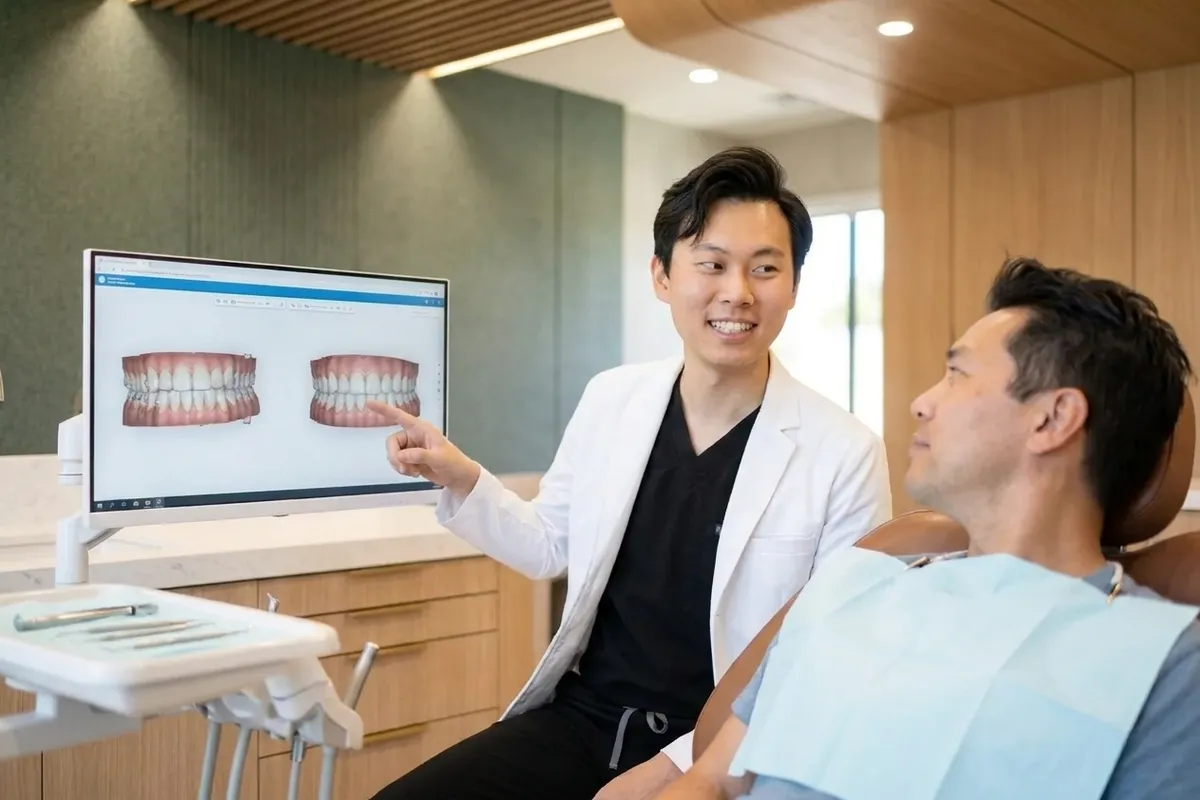
Clear aligners serve as a popular alternative to traditional braces for correcting mild to moderate malocclusion. Because they use transparent plastic trays instead of metal brackets and wires, they offer a significantly less visible treatment option while still applying the necessary pressure to move teeth effectively.[1][4]
The Clear Aligner Treatment Process
The journey to a straighter smile with clear aligners involves a carefully mapped sequence of events. Patients progress through a series of customized steps designed to shift their teeth gradually and safely into the desired optimal positions.[4]
Receiving custom trays
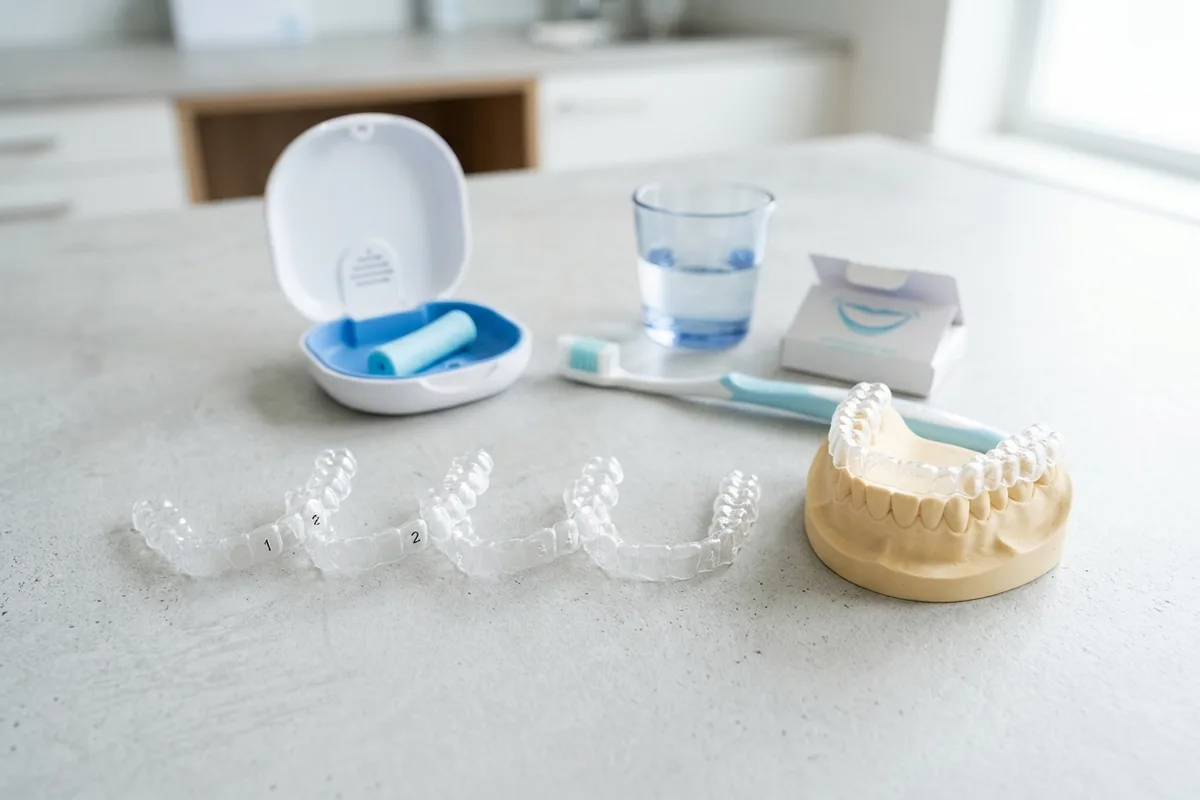
Once the treatment plan is established, patients receive a series of custom, removable plastic trays. Each specific tray is carefully manufactured to fit the current stage of the patient's bite, applying gradual and highly controlled pressure to shift the teeth incrementally toward their final destinations.[4]
Progressing through the series
Patients switch to a new aligner tray at regular intervals as directed by their provider. Mild, temporary discomfort is quite common when transitioning to a new tray, as the teeth must adjust to the new level of pressure required for continued movement and proper alignment.[4]
Maintaining Oral Health and Results
Successful orthodontic treatment requires diligent care both during the active alignment phase and after the teeth have reached their final positions. Proper maintenance ensures that the teeth remain healthy and that the newly straightened smile lasts a lifetime.[2][4][5]
Daily hygiene during treatment
Because clear aligners are completely removable, patients can easily maintain their standard brushing and flossing routines. This accessibility is a significant advantage over fixed braces, helping to prevent tooth decay and gum disease while the teeth are actively being straightened during the entire treatment process.[1][4]
Preventing relapse with retainers
After the active treatment phase concludes, teeth have a natural tendency to shift back to their original positions, a process known as relapse. To prevent this unwanted movement, patients must wear retainers exactly as directed by their orthodontist to stabilize and preserve the new alignment.[2][5]
Managing Risks and Moving Forward
While clear aligners are generally safe and effective, patients must remain aware of potential limitations and complications. Understanding these risks and knowing when to seek professional guidance ensures a smoother, more successful overall orthodontic experience.[4][5]
Limitations and professional guidance
Clear aligners may not be suitable for correcting severe bite issues, which might still require traditional braces for optimal results. Individuals should consult a licensed dentist or orthodontist to discuss their specific needs, evaluate all available options, and determine the safest path toward a healthier smile.[1][2][4][5]
Sources
- Braces | MouthHealthy - ADA — American Dental Association
- Orthodontics | MouthHealthy - ADA — American Dental Association
- Malocclusion of teeth: MedlinePlus Medical Encyclopedia — medlineplus.gov
- Clear aligners in orthodontic treatment — pmc.ncbi.nlm.nih.gov
- Orthodontic treatment in adults — pmc.ncbi.nlm.nih.gov
Common questions
Frequently asked questions
Talk with One Ounce Dental about your next step
If you are exploring teeth straightening options for adults, book an appointment at One Ounce Dental. Our team can evaluate your bite and discuss whether clear aligners are the right choice for your smile.
More Articles
View all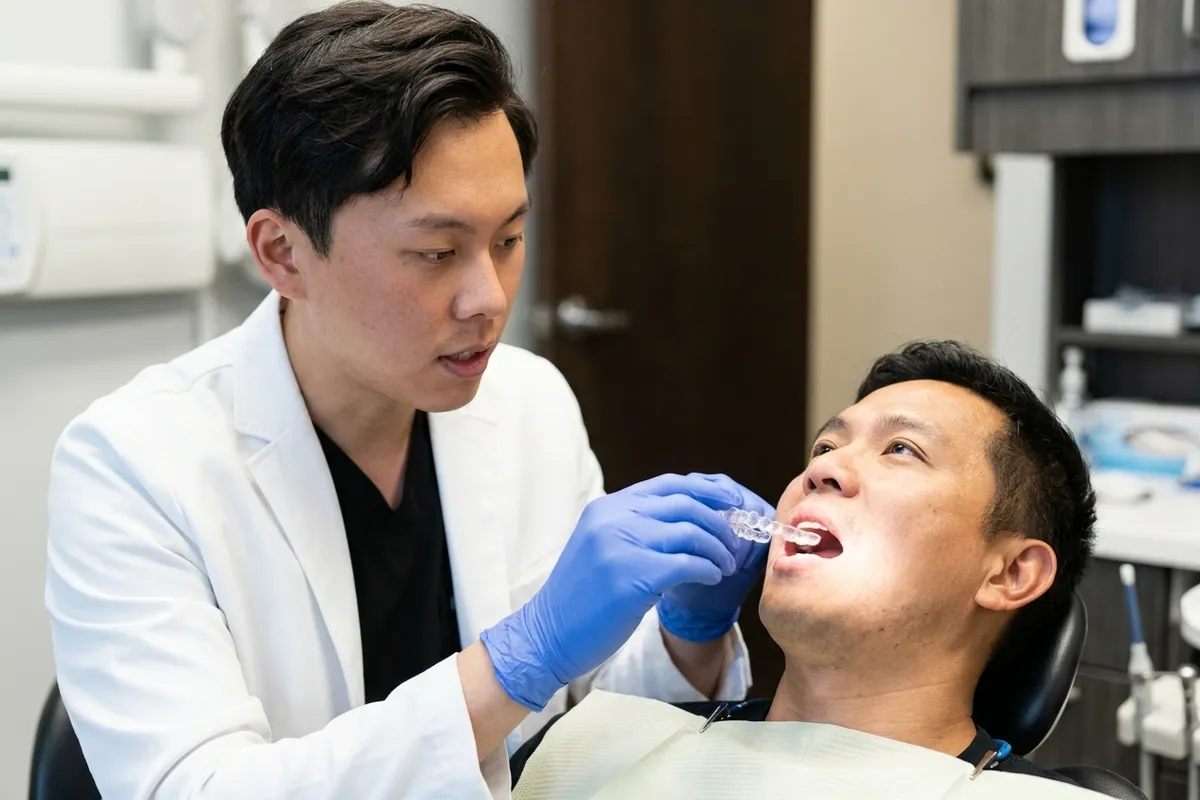 Dental care
How to Straighten Teeth Without Braces (Step-by-Step)
Wondering how to straighten teeth without braces? Custom clear trays can gently shift your smile into place when you follow key daily steps, wear them enough hours, and keep your teeth clean.October 16, 2026 · 6 min read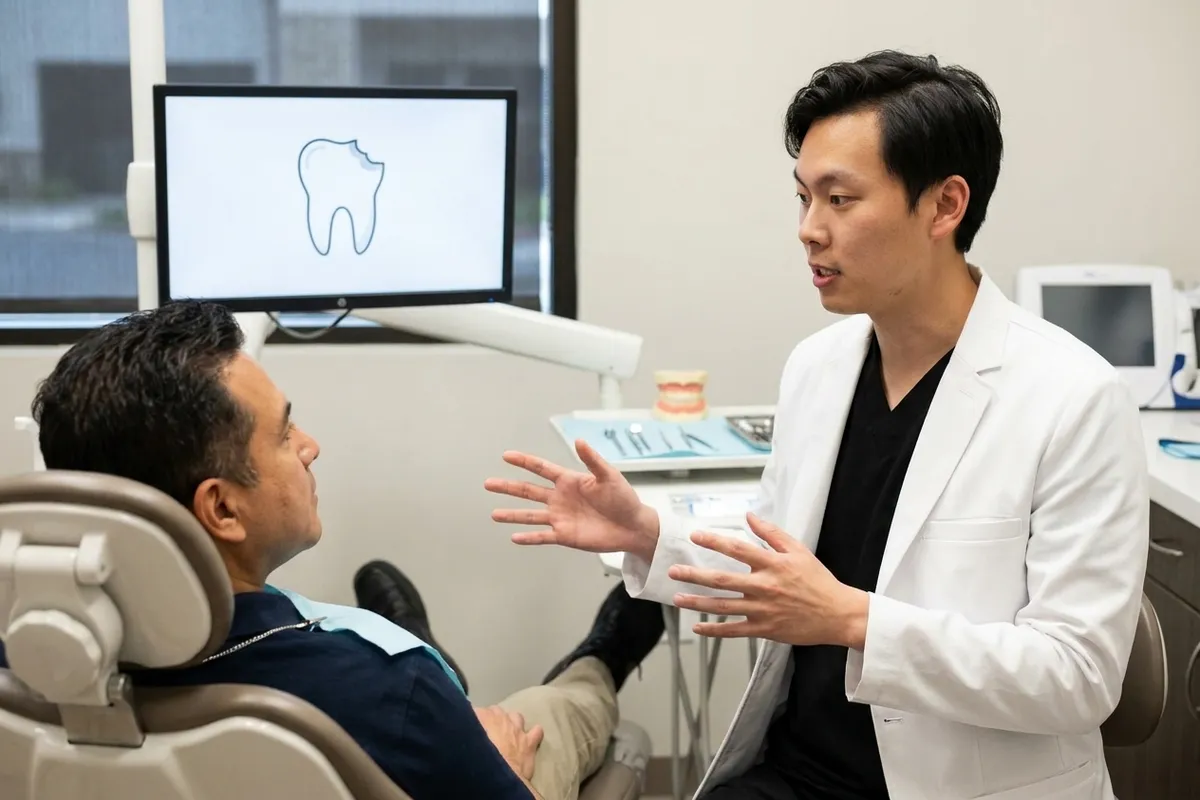 Preventive & General
Enamel Erosion Symptoms: A Patient Guide to Dental Cleaning and Exams
Enamel erosion involves the chemical loss of tooth structure from acids. Understanding the early signs and risk factors can help you discuss prevention strategies during your regular dental cleaning and exams.October 15, 2026 · 6 min read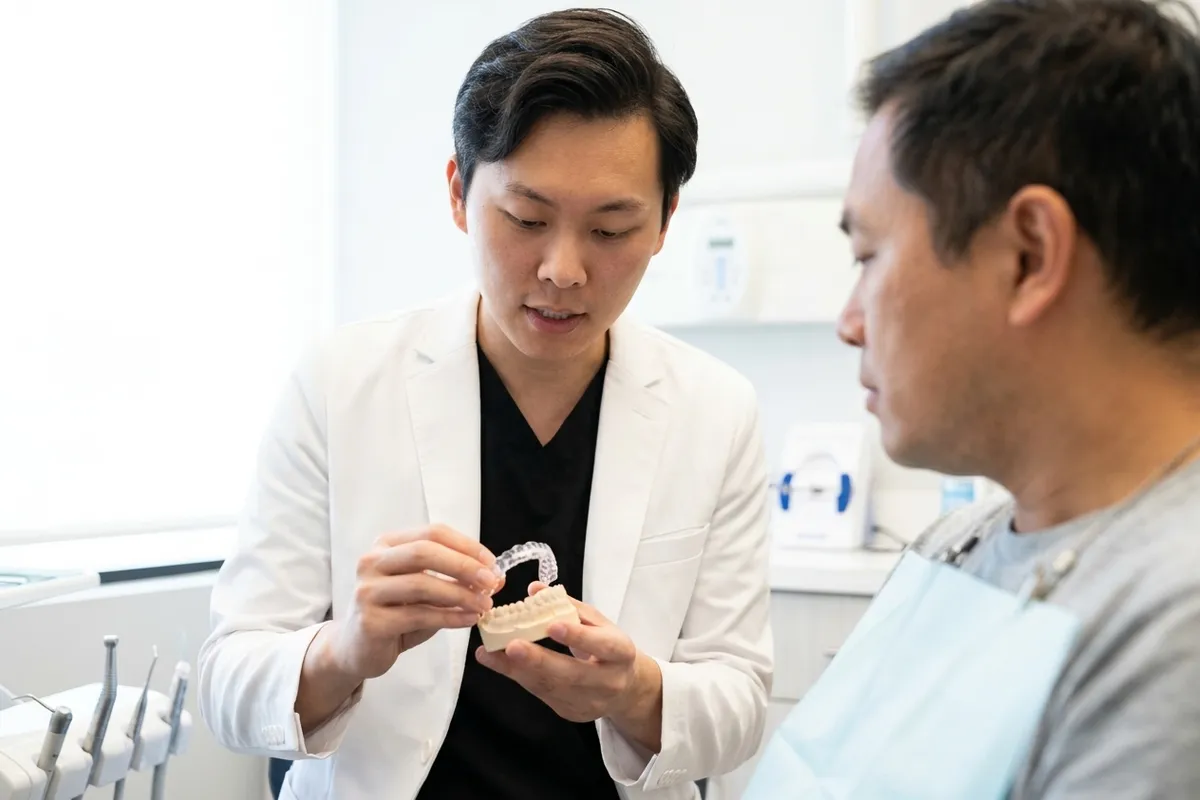 Preventive & General