

Retainer After Braces: A Patient Guide to Orthodontics
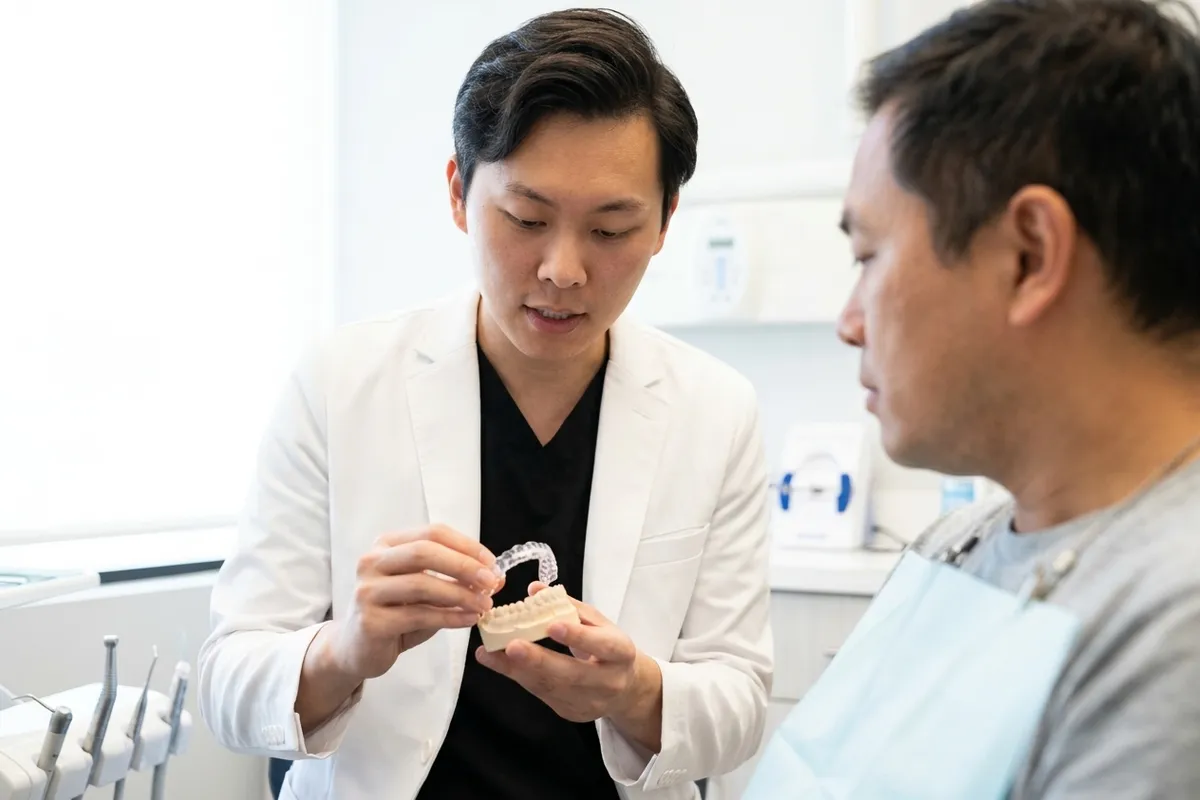
Following your orthodontic treatment, a retainer helps stabilize your bite and maintain your new smile. Understanding how to wear, clean, and store your retainer can help your teeth remain in their new positions over time.
Understanding Retention After Orthodontic Treatment
Orthodontic treatment addresses misaligned teeth and bite issues. Once the active phase concludes, retention begins. This critical follow-up phase uses custom devices to hold your new smile in place while your mouth adjusts to the changes.[1][5]
How Tissues Adapt to New Positions
When braces move your teeth, the surrounding bone and soft tissues must remodel to support them. A retainer stabilizes your teeth during this transition. Without this support, everyday forces can cause your teeth to shift back toward their original locations.[2][3]
Managing Natural Shifts Over Time
Teeth can continue to change positions throughout your life, even long after braces are removed. While a retainer helps minimize this natural movement, minor tooth movement may still occur. Consistent wear helps limit unwanted shifting over time.[1][2]
Factors Influencing Your Retention Plan
Your orthodontist determines the most appropriate retention strategy based on your individual needs and the specific stage of your treatment. This personalized approach dictates the type of device you receive and how often you need to wear it.[1][3]
Customizing Your Wear Schedule
There is no universal schedule for wearing a retainer after braces. Your provider will prescribe a specific number of hours per day based on your unique orthodontic history. Many people eventually transition to wearing their device only at night for the long term.[1][2][3]
Choosing the Right Retainer Type
The choice between fixed and removable options depends on your specific alignment needs and lifestyle. Each type requires different cleaning methods and wear considerations, which your orthodontist will evaluate to help the device support your newly aligned bite.[2][3]
Recognizing Changes in Fit and Comfort
Paying attention to how your device feels is essential for maintaining your orthodontic results. A change in fit may indicate that your teeth have shifted. Contact your orthodontist if the retainer no longer fits properly.[1][3]
When to Contact Your Orthodontist
If your removable retainer feels unusually tight, it may indicate that your teeth have moved. Missing your prescribed wear time can lead to a device that no longer fits properly. Contact your orthodontist promptly if you experience discomfort, warping, or a changed fit.[1][3][4]
Professional Assessment and Guidance
Your orthodontist guides your retention plan to help keep your teeth stable. Follow their instructions about how often to wear your retainer; the recommended schedule may change over time.[1][2]
Evaluating Device Condition and Fit
Professionals check for signs of wear, such as cracks in plastic trays or loose wires on bonded retainers. If a removable device becomes damaged, you should stop wearing it and seek professional advice. Never attempt to remove or adjust a bonded wire yourself.[3][4]
Exploring Different Retainer Options
Orthodontists use several types of devices to help keep teeth in position. Depending on your treatment outcome, your provider may recommend a single type or a combination of fixed and removable options to stabilize your upper and lower teeth.[1][2]
Hawley and Clear Plastic Trays
Removable options include traditional Hawley retainers, made of wire and acrylic, and clear plastic trays. These devices offer the convenience of being taken out for eating and oral hygiene. However, their effectiveness depends in part on following your prescribed daily wear schedule.[1][2]
Permanent Bonded Retainers
Fixed retainers consist of custom wires bonded directly behind your teeth. These are placed and removed exclusively by a dental professional. They provide continuous support without requiring you to remember a wear schedule, though they require specific techniques for thorough daily cleaning.[1][2][3]

Daily Life With Your Retainer
Integrating a retainer into your daily routine involves specific habits for eating, drinking, and storage. Following these practical steps helps protect your device from damage and help it function effectively throughout your retention phase.[1][3]
Managing Meals and Beverages
You must usually remove a removable retainer before you eat. When your device is in your mouth, drinking plain water is the safe and simple choice. Avoiding other beverages while wearing clear trays helps prevent damage and keeps your teeth healthy.[1][3]
Protecting Your Device When Removed
Whenever your removable device is not in your mouth, keep it in a protective case. Avoid loose storage where it can be easily damaged. Keep the device away from pets, hot environments, and napkins, to reduce the risk of damage or accidental disposal.[1][3]
Long-Term Maintenance and Cleaning
Proper cleaning extends the lifespan of your device and maintains your oral hygiene. Because fixed and removable options have different maintenance requirements, following your provider's specific cleaning instructions is essential for long-term success after braces.[2][4]
Daily Care for Trays and Hawley Devices
Clean removable retainers using a soft brush and lukewarm water. You may use mild soap or a suitable retainer cleaner, but avoid abrasive toothpaste, hot water, and harsh chemicals. Always follow the specific product instructions provided by your orthodontist to prevent damage.[1][4]
- Rinse the device thoroughly with lukewarm water.
- Gently scrub using a soft-bristled brush.
- Apply mild soap or an approved retainer cleaner.
- Avoid using hot water or abrasive toothpaste.
Oral Hygiene Around Bonded Retainers
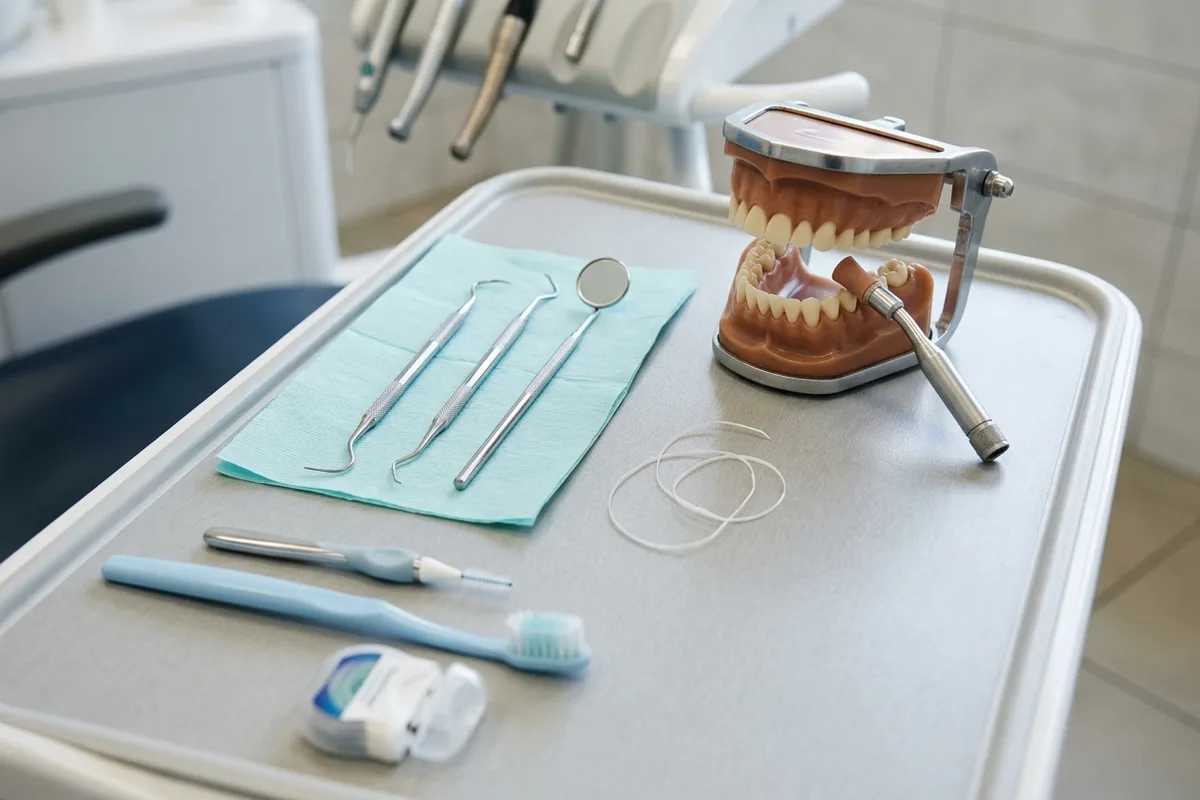
Cleaning around a fixed wire requires extra attention during your daily routine. Your orthodontist will instruct you on how to use dental floss or specialized interdental tools to carefully clean the spaces between your teeth and around the bonded wire.[1][4]
Managing Limitations and Expectations
While retention helps maintain tooth positions, it is important to have realistic expectations about lifelong tooth stability. Understanding the limitations of your device and knowing when to seek professional help can help you respond to changes in fit or comfort.[1][2]
Responding to Changes and Wear
Minor tooth movement may still occur despite diligent retention. If you notice cracks, loose wires, or significant changes in how your device fits, contact your orthodontist. Prompt professional evaluation helps preserve the results achieved during your initial orthodontic treatment.[1][2][4]
Sources
- Retainers — American Association of Orthodontists
- Will I Need to Wear Retainers? — American Association of Orthodontists
- Taking Care of Retainers — American Association of Orthodontists
- How to Clean Your Retainer — American Association of Orthodontists
- Braces — American Dental Association
Common questions
Frequently asked questions
Talk with One Ounce Dental about your next step
Maintaining your newly aligned smile requires the right retention strategy. Contact One Ounce Dental to schedule an appointment. We can answer your questions about retainer options and help keep your teeth in position.
More Articles
View all Dental care
Partial Dentures: Restoring Chewing, Speech, and Smile Appearance
Learn how removable partial dentures restore dental function and appearance, explore clasp and attachment styles, and review proper daily hygiene techniques to maintain long-term oral health and comfort.October 13, 2026 · 6 min read Preventive & General
Does Green Tea Stain Your Teeth: A Patient Guide to Professional Teeth Whitening
Tea contains pigments that can attach to tooth enamel over time. While a laboratory study shows green tea deposits elements on teeth, this evidence does not establish visible everyday staining. If discoloration occurs, professional teeth whitening may lighten natural teeth.October 12, 2026 · 5 min read Preventive & General