

Why Are My Teeth Sensitive All Of A Sudden: A Patient Guide to General Dentistry
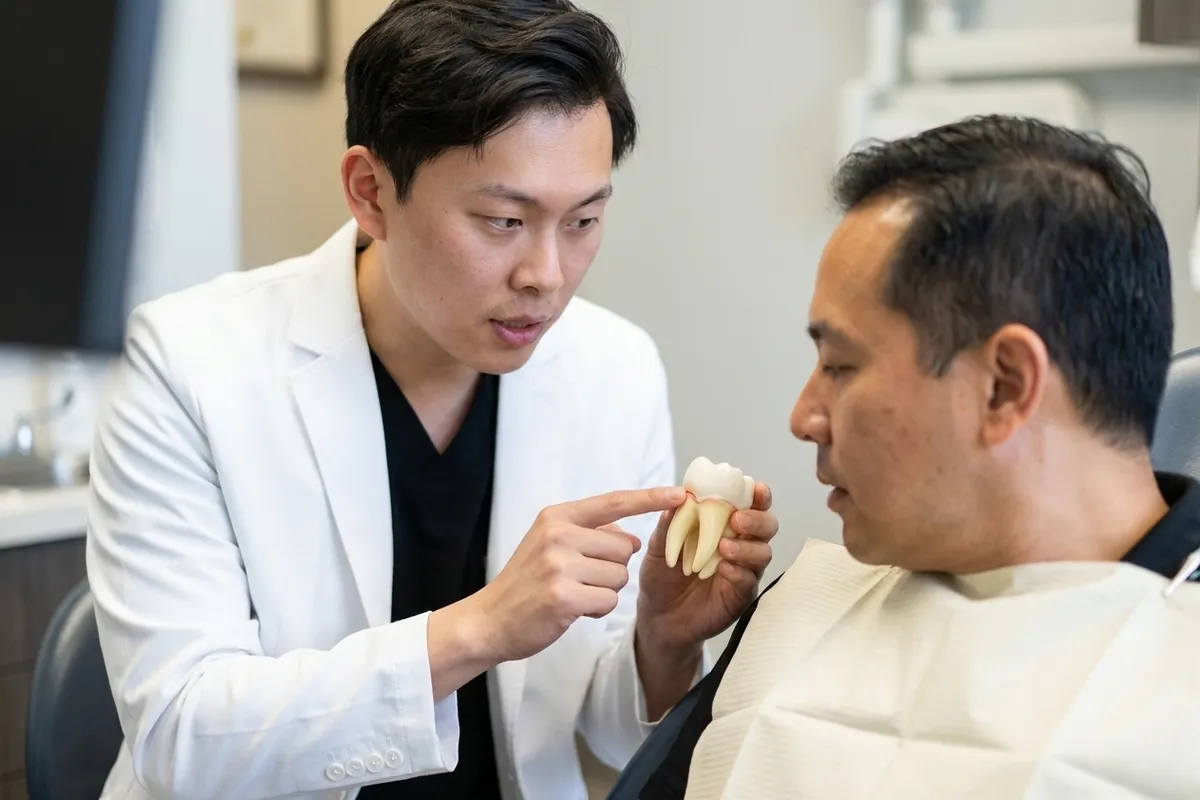
Experiencing sudden tooth sensitivity can be uncomfortable and alarming. Whether triggered by hot coffee or cold ice cream, understanding why your teeth are sensitive all of a sudden is the first step toward finding relief and protecting your smile.
Understanding sudden tooth sensitivity
Sudden tooth sensitivity can occur when the protective outer layers of your teeth are compromised. Understanding the structure of your teeth helps explain why you might feel a sharp pain when eating or drinking certain foods.[1]
The anatomy of a tooth
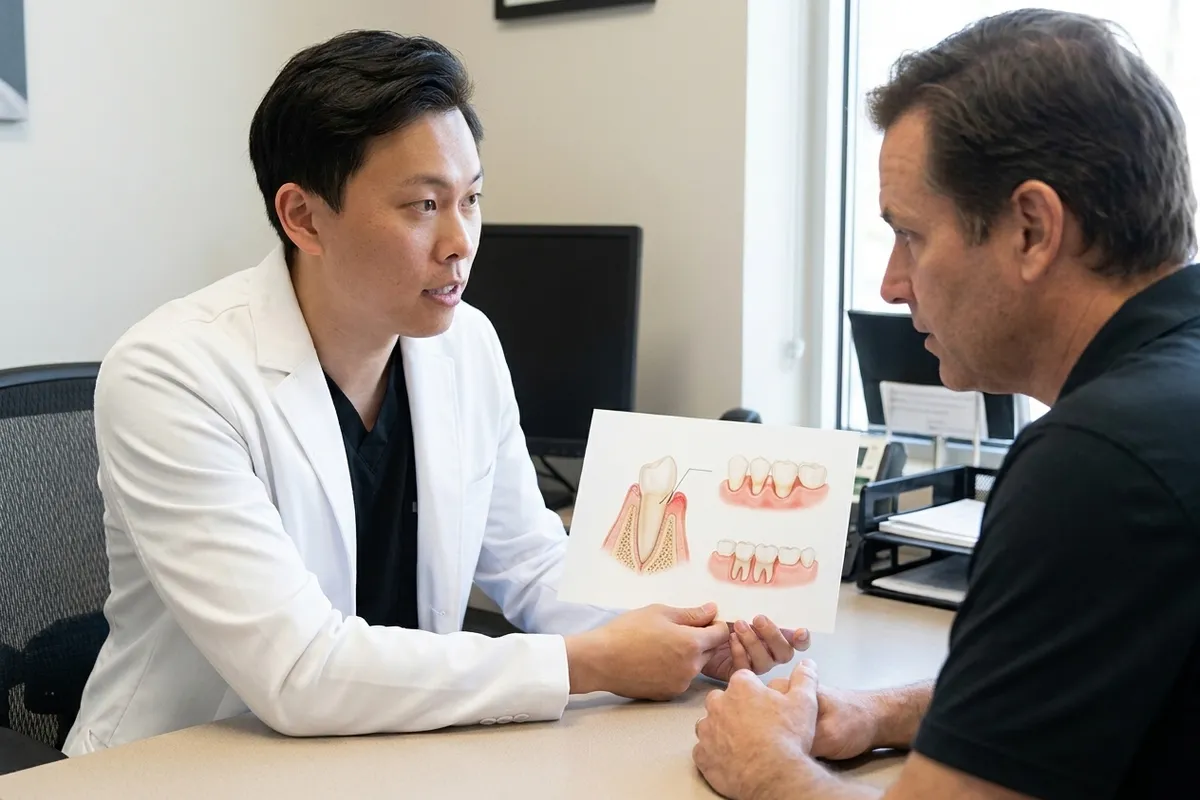
A healthy tooth is protected by a hard outer layer called enamel above the gum line and cementum below it. Beneath these protective shields lies the dentin, a softer layer containing microscopic hollow tubes that lead directly to the nerves inside the tooth.[1]
How triggers reach the nerve
When the enamel or cementum wears away, the underlying dentin becomes exposed. This allows temperature changes and other food-related stimuli to reach the nerves and cells inside the tooth, resulting in sudden discomfort or a sharp wincing sensation.[1][3]
Common causes of sensitive teeth
Many different factors can strip away your tooth's protective layers or expose the sensitive roots. Identifying the underlying cause is essential for finding the right treatment and preventing further damage to your smile.[1][2][4]
Dental issues and physical wear
Tooth decay, fractured teeth, and worn dental fillings are possible causes of sensitivity. Gum disease and exposed tooth roots are also possible causes of sensitivity.[1][2]
Dietary acids and other triggers
Consuming highly acidic items like citrus fruits, carbonated soft drinks, sports beverages, and sour candies can cause tooth erosion, permanently wearing away enamel. Tooth pain can also stem from teeth grinding, dental trauma, or referred pain from a sinus infection, earache, or heart attack.[1][2][4]
Recognizing the symptoms of enamel wear
Paying attention to when and how your teeth hurt can provide valuable clues about your oral health. Possible symptoms include pain with hot or cold foods and toothache.[1][3][4]
From mild sensitivity to severe pain
You may notice pain or wincing when consuming hot, cold, sweet, or acidic items, or even while brushing. If conditions like tooth decay or erosion advance, you might experience a toothache, yellowish tooth discoloration, or an abscess that causes facial swelling and fever.[1][3][4]
Professional dental evaluation
Because sudden tooth sensitivity can result from many different issues, a thorough professional evaluation is necessary. A dentist can safely determine the exact source of your discomfort without you having to guess.[2][3]
Diagnosing the source of your pain
During your visit, a dentist will examine your mouth, teeth, gums, and surrounding areas like your throat and neck. They will ask about your medical history and specific symptoms, and they may take dental x-rays to check for decay.[2][3]
Treatment options for sensitive teeth
Once your dentist identifies the cause of your sudden tooth sensitivity, they can recommend an appropriate treatment plan. Options range from simple preventive products to more involved restorative procedures, depending on the severity of the damage.[1][2][4]
Non-invasive therapies and appliances
For minor sensitivity, your dentist may apply an in-office fluoride gel to strengthen your enamel or recommend a desensitizing toothpaste to block nerve transmission. If your discomfort is caused by teeth grinding, they might suggest wearing a special protective appliance to prevent further wear.[1][2]
Restorative dental procedures
Structural damage or severe decay may require fillings, inlays, crowns, or bonding to restore the tooth. If receding gums are the issue, a surgical gum graft can cover the exposed root. A dentist may recommend a root canal for severe, persistent sensitivity that other treatments cannot relieve. Treatment for toothache may also include extraction, depending on its cause.[1][2][4]
Managing your care and treatment
Addressing sudden tooth sensitivity involves both professional intervention and temporary home management. Understanding what to expect can help you feel more comfortable as you take steps to resolve your dental pain.[1][2][3]
The process of restoring the tooth
If you need a restoration like a filling, the dentist will first remove the decayed tissue before placing the filling material to seal the tooth. For treatments like desensitizing toothpaste, several applications are usually needed before sensitivity decreases.[1][3]
Temporary home care measures
If you cannot see a dental provider immediately, you can use over-the-counter pain medicine for temporary relief.[1][2][3]
Protecting your smile long-term
After treating the immediate cause of your sensitivity, maintaining healthy habits is crucial. Consistent oral hygiene and mindful dietary choices can help prevent future enamel erosion and tooth decay.[1][2][3][4]
Daily oral hygiene habits
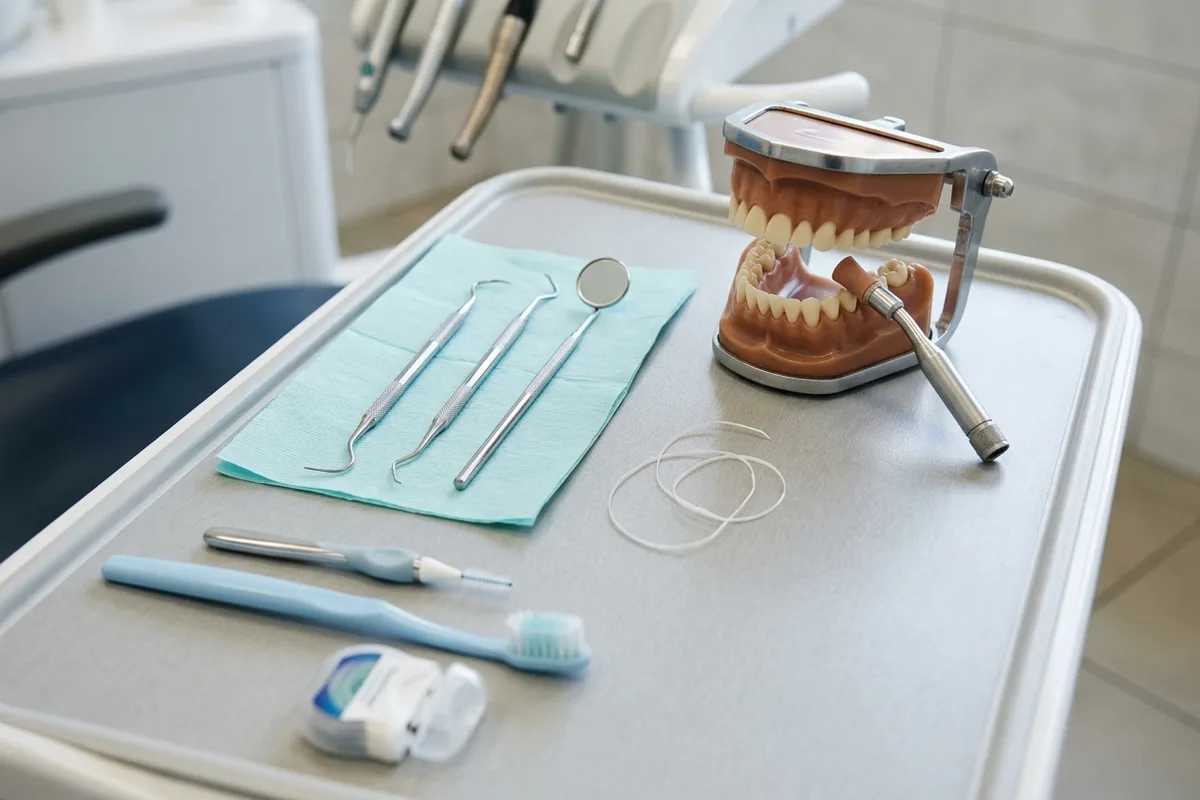
Good oral hygiene is the foundation of preventing sensitive teeth. You should brush your teeth twice a day using a fluoride toothpaste and regularly clean between your teeth with floss or another interdental cleaner to remove cavity-causing bacteria and protect your enamel.[1][2][3]
Dietary adjustments for enamel health
To minimize acid erosion, limit sugary and acidic foods and drinks. When you do consume acidic beverages, use a straw and avoid swishing the liquid in your mouth. Chewing ADA-accepted sugarless gum can also stimulate saliva production, which helps naturally wash away harmful acids.[2][3][4]
- Wait an hour after eating acidic foods before brushing your teeth.
- Rinse your mouth with water after consuming acidic meals or beverages.
- Enjoy a snack of cheese or drink milk to help neutralize acids.
Risks of untreated sensitivity and next steps
Untreated decay or erosion underlying tooth sensitivity can lead to more serious oral health complications.[3][4]
Complications of delaying treatment
If left untreated, the underlying causes of tooth sensitivity, such as decay or erosion, can progress to severe infections, painful abscesses, or even tooth loss. A dentist can evaluate the cause and recommend treatment.[3][4]
Sources
- Sensitive Teeth - Heat and Cold Sensitivity | MouthHealthy - Oral Health Information from the ADA — American Dental Association
- Toothaches: MedlinePlus Medical EncyclopediaLock — medlineplus.gov
- Tooth Decay | NIDCRLockBack to top — National Institute of Dental and Craniofacial Research
- Dietary Acids and Your Teeth | MouthHealthy - Oral Health Information from the ADA — American Dental Association
Common questions
Frequently asked questions
Talk with One Ounce Dental about your next step
If you are experiencing sudden tooth sensitivity or persistent discomfort, do not wait for the pain to worsen. Contact One Ounce Dental today to schedule an appointment and let our team help you find the right solution.
More Articles
View all Dental care
Dry Socket Symptoms, Causes, and General Dentistry Treatments
Dry socket develops when a blood clot dissolves or dislodges after a tooth extraction, leaving sensitive bone exposed. Understanding its symptoms, risk factors, and dental treatments helps protect normal oral healing.October 8, 2026 · 6 min read Preventive & General
Teeth Bonding Vs Veneers: A Patient Guide to Cosmetic Dentistry
Choosing between teeth bonding vs veneers depends on your cosmetic goals, budget, and dental health. Learn how porcelain shells and composite resin compare in durability, stain resistance, and the treatment process to improve your smile.October 7, 2026 · 5 min read Preventive & General