

Teeth Bonding Vs Veneers: A Patient Guide to Cosmetic Dentistry
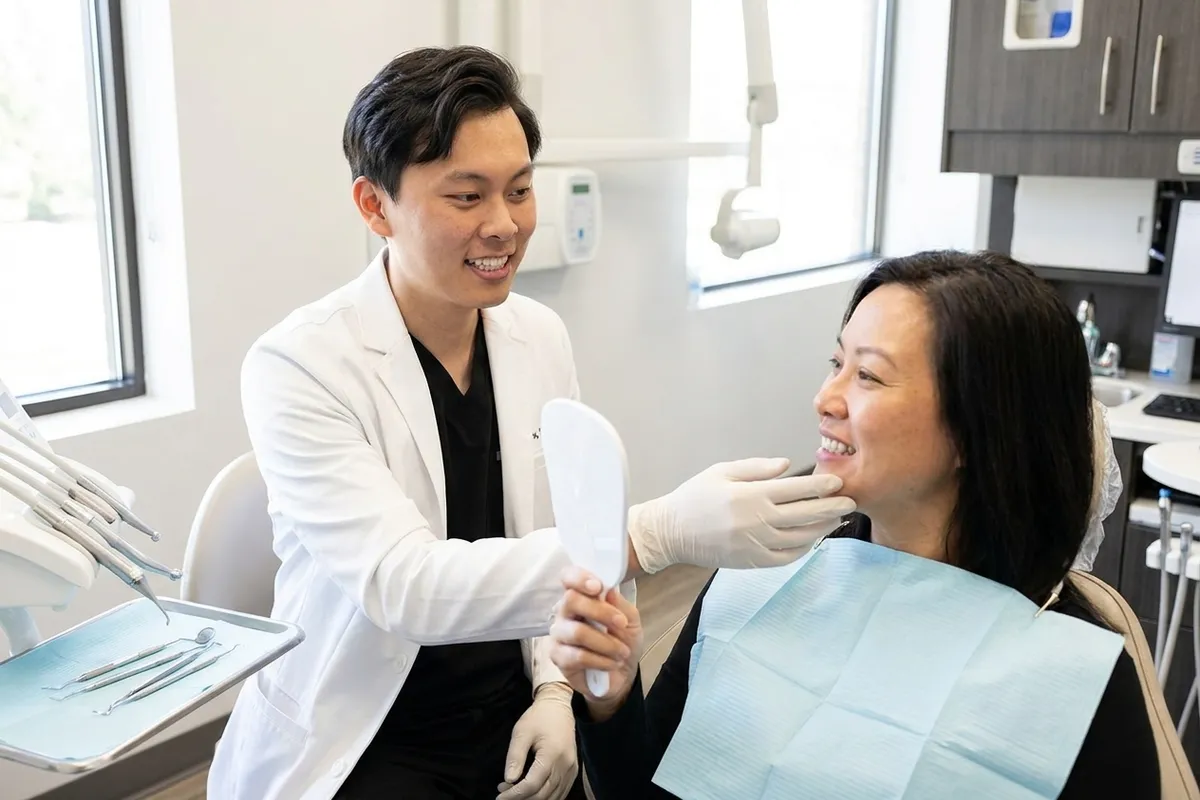
Choosing between teeth bonding vs veneers depends on your cosmetic goals, budget, and dental health. Learn how porcelain shells and composite resin compare in durability, stain resistance, and the treatment process to improve your smile.
Understanding Cosmetic Dental Options
Cosmetic dentistry offers different ways to improve the appearance of your smile. Treatments can mask gaps or cover teeth that are chipped, broken, stained, crooked, or misshapen. Two common approaches are custom porcelain shells and direct composite resin applications.[1]
What Are Porcelain Veneers
A porcelain veneer is a thin, custom-made shell designed to fit over the front surface of a tooth. This high-quality dental material provides a natural-looking covering that is strong and long-lasting.[1]
What Is Composite Bonding
A composite veneer uses a tooth-colored filling material that a dentist bonds to the tooth. Composite filling material can also be used for small- to mid-size fillings that need to withstand moderate pressure from chewing.[1][2]
Factors Influencing Your Choice
Selecting the right cosmetic treatment depends on how the materials wear over time and your specific oral habits. Neither dental restoration lasts forever, and both options require careful consideration of your daily routines and bite alignment.[1][2]
Durability and Wear
Porcelain is highly durable and resists stains well, but it can still chip or crack over time. Composite resin is generally less wear-resistant and may discolor more easily, though it is often easier for a dentist to fix if it becomes damaged.[1]
Candidacy Constraints
Certain dental habits can affect the choice of cosmetic dental work. If you frequently clench or grind your teeth, or if you have a deep overbite, veneers may not be a good choice.[1]
When to Consider Treatment
You might consider veneers if you are unhappy with the shape, color, or alignment of your teeth. Veneers cover only the front surfaces of teeth, rather than the entire tooth structure like a crown.[1]
Identifying Cosmetic Concerns
Veneers can improve the appearance of chipped or stained teeth and mask gaps between teeth. A dentist can help determine if veneers are the right choice for your smile.[1]
Professional Dental Evaluation
Before placing veneers, a licensed dentist must evaluate your oral health and treat dental issues such as decay or gum disease. Placing veneers over unhealthy teeth may worsen existing dental problems.[1]
Assessing Underlying Health
During your evaluation, discuss any tooth decay or gum disease with your dentist. These dental issues must be treated before veneers are placed.[1]
Comparing Materials
When comparing your options, it helps to weigh the benefits and drawbacks of each material. Discuss your dental history, expectations, and reservations with your dentist to help determine whether veneers are right for your smile.[1]
Porcelain Advantages
Porcelain veneers offer a natural appearance and are strong and long-lasting. However, they tend to be the more expensive option and require the removal of some natural tooth enamel, making the treatment irreversible.[1]
Composite Advantages
Composite veneers may require less enamel removal than porcelain. The process may be completed in fewer visits, but composite veneers are less stain- and wear-resistant and are easier to fix if damaged.[1][2]

The Placement Process
The steps for placing veneers vary depending on the material you choose. Both processes involve selecting a color shade to match your natural teeth, and the dentist checks the fit of a porcelain veneer before bonding it.[1]
Placing Porcelain Shells
The dentist removes a small amount of enamel from the front and sides of the tooth, then takes an impression or 3D scan. A dental lab custom-makes the shell, and you may have a temporary veneer while it is being made. Later, the dentist checks the fit, cleans the tooth, and bonds the final piece in place.[1]
- Removing a small amount of enamel from the tooth.
- Taking an impression or 3D computer model.
- Sending the model to a dental lab for custom fabrication.
- Checking the fit and bonding the final piece to the cleaned tooth.
Applying Composite Resin
For a composite approach, the dentist prepares the tooth and carefully sculpts the tooth-colored filling material directly onto the surface. A special light is then used to harden the resin so it bonds securely, followed by smoothing and polishing to mimic a natural tooth.[1]
Maintaining Your Smile
Proper care helps maintain your veneers. You can still get cavities under or around a veneer, making daily oral hygiene important.[1]
Protecting the Restoration
To prevent chips or cracks, avoid biting your fingernails and chewing on hard objects. Wear a mouthguard during sports or activities that could injure your mouth, and be cautious with foods and beverages like coffee, tea, or red wine that may cause discoloration.[1]
Daily Oral Hygiene
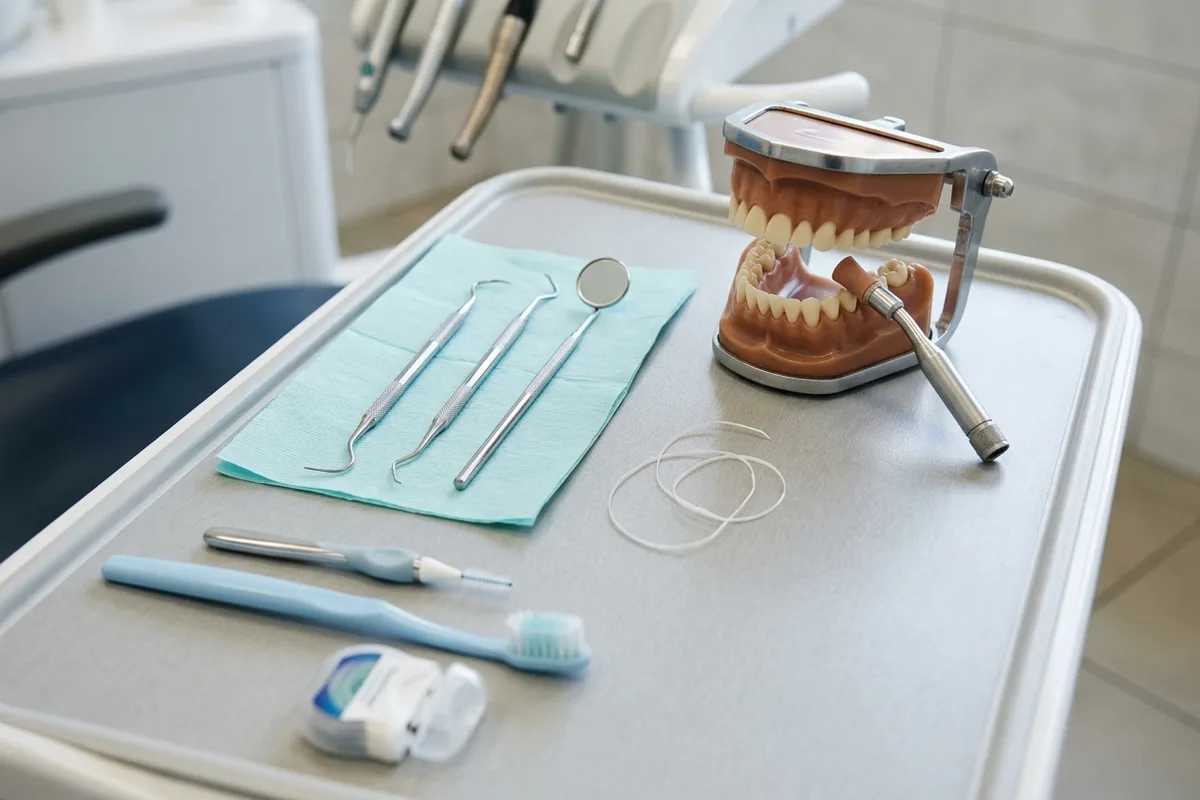
Maintain your dental health by brushing twice a day with a fluoride toothpaste and cleaning between your teeth daily with floss or another interdental cleaner. Eating a balanced diet and visiting the dentist regularly can also help decrease your risk of cavities.[1][2][3]
Risks and Limitations
Veneer treatment has limitations and potential risks. It may take a few days to get used to your new veneer, and you should contact your dentist if your bite does not feel right.[1]
Irreversibility and Safety
Because enamel is removed, porcelain treatments are not reversible. It is vital to seek care only from a licensed dentist, as unsupervised treatment by unlicensed individuals can lead to severe complications, including infection, nerve damage, and the masking of unhealthy teeth.[1]
Sources
- Veneers | MouthHealthy - Oral Health Information from the ADA — American Dental Association
- Composite Fillings | MouthHealthy - Oral Health Information from the ADA — American Dental Association
- Dental Health: MedlinePlus — medlineplus.gov
- Tooth Decay | NIDCR — National Institute of Dental and Craniofacial Research
- Cavities | MouthHealthy - Oral Health Information from the ADA — American Dental Association
Common questions
Frequently asked questions
Talk with One Ounce Dental about your next step
Ready to explore your cosmetic dental options? Contact One Ounce Dental today to book an appointment. Our team can answer your questions and help you determine the best approach for your smile.
More Articles
View all Preventive & General
Sedation Dentist Chino CA: General Dentistry Options for Anxiety
Finding a sedation dentist Chino CA patients rely on helps individuals overcome appointment fears through gentle communication, calibrated sedative options, and careful clinical monitoring for routine or restorative dental care.October 5, 2026 · 6 min read Preventive & General
Saturday Dentist Chino CA: Weekend General Dentistry and Urgent Visits
Scheduling care with a Saturday dentist Chino CA patients trust helps maintain optimal oral health without disrupting weekday routines. Learn how regular examinations, professional cleanings, and personalized preventive intervals protect your teeth and gums over time.October 2, 2026 · 6 min read Preventive & General