

Saturday Dentist Chino CA: Weekend General Dentistry and Urgent Visits

Scheduling care with a Saturday dentist Chino CA patients trust helps maintain optimal oral health without disrupting weekday routines. Learn how regular examinations, professional cleanings, and personalized preventive intervals protect your teeth and gums over time.
Understanding General Dentistry and Weekend Care
General dentistry focuses on primary prevention and early diagnosis of oral conditions before irreversible damage occurs. Seeing a weekend dentist Chino residents can access ensures that essential oral health maintenance fits into busy modern schedules while sustaining continuity of preventive dental care.[1][3]
The Role of Routine Preventive Visits
Routine visits allow clinicians to differentiate between healthy oral tissues, reversible gum inflammation known as gingivitis, and progressive bone loss termed periodontitis. Scheduling an appointment helps detect early-stage dental caries and mucosal abnormalities before they produce noticeable symptoms, safeguarding both hard and soft oral tissues through consistent evaluation.[1][2]
Biofilm Formation and Calculus Development
Oral bacteria naturally organize into a sticky film called dental plaque. When plaque is not disrupted, saliva minerals calcify it into hardened calculus, or tartar. Calculus firmly binds to enamel and root surfaces, creating a rough reservoir for toxins that cannot be eliminated by home brushing alone.[2][3]
Determining Recall Intervals and Risk Factors
Dental visit frequency is not a universal calendar rule but an individualized clinical decision. Clinicians evaluate personal risk profiles to establish monitoring intervals that effectively manage bacterial load and halt the progression of demineralization or tissue detachment.[1][3]
Low-Risk Maintenance Protocols
Patients with sound restorations, healthy periodontal tissues, and minimal plaque accumulation typically thrive on a six-to-twelve-month recall schedule. These periodic evaluations ensure early detection of subtle changes in tooth enamel or gingival attachment, allowing conservative, non-invasive therapies before minor demineralization evolves into deeper cavitated lesions.[1][3]
Elevated Risk and Frequent Monitoring
Individuals with active periodontal disease, compromised immune systems, diabetes, tobacco use, or dry mouth require more frequent care. For these patients, scheduling visits every three to four months prevents subgingival bacterial toxins from initiating bone resorption, keeping chronic inflammatory pathways controlled through timely professional mechanical intervention.[1][2]
Clinical Signs Requiring Timely Evaluation
Early dental diseases rarely cause severe pain, making scheduled visits essential even when teeth feel normal. However, subtle oral changes can signal emerging pathology that warrants prompt clinical attention before structural complications develop in hard or soft tissues.[1][2]
Recognizing Early Oral Changes
Bleeding gums during brushing or flossing, persistent bad breath, or new temperature sensitivity to hot and cold foods indicate underlying oral inflammation. Likewise, shifting teeth or mucosal spots persisting past ten to fourteen days require assessment from a dentist open Saturday Chino patients rely on for diagnostic guidance.[1][2]
Comprehensive Oral Examination Protocols
A comprehensive examination evaluates the entire masticatory system rather than isolated teeth. The dental team systematically reviews your medical background, screens head and neck structures, and assesses periodontal stability to create an evidence-based baseline for your long-term oral health.[1][3]
Clinical Assessment Components
Diagnostic assessments combine tactile screening, calibrated probing, and imaging tailored directly to individual clinical risks. During this initial evaluation, dental clinicians systematically perform several targeted diagnostic checks to establish an accurate baseline of your oral structures and identify any early signs of disease before tissue breakdown advances:[1][3]
- Periodontal probing with a calibrated probe to measure sulcular pocket depths and bleeding.
- Hard tissue evaluation of tooth enamel, existing restorative margins, and early demineralization.
- Extraoral and intraoral mucosal screenings to evaluate lymph nodes, tongue, and soft tissues.
- Prescribed diagnostic radiographs based on personalized risk rather than arbitrary calendar schedules.
In-Office Preventive Strategies and Tradeoffs
General dentistry offers multiple preventive interventions designed to halt disease before restorative treatment becomes necessary. Comparing topical treatments and mechanical barriers helps patients understand how professional therapies work alongside daily home hygiene to preserve natural tooth anatomy.[1][3]
Topical Fluoride Applications
Topical applications, such as five percent sodium fluoride varnish or acidulated phosphate fluoride gel, provide remineralization support for moderate-to-high caries risk profiles. These concentrated clinical applications integrate essential minerals into weakened enamel, strengthening surface crystals against acid attacks far more effectively than standard over-the-counter dentifrices can achieve alone.[1][3]
Dental Sealants for Vulnerable Grooves
Pit and fissure sealants offer physical shielding for deep anatomical grooves on molars and premolars. By placing resin or glass ionomer coatings over plaque-prone crevices, sealants block food particles and cariogenic bacteria from colonizing narrow anatomy that toothbrush bristles cannot reliably penetrate or clean.[1][3]

The Sequence of a Preventive Dental Visit
A standard preventive visit seamlessly blends clinical diagnostic evaluation with meticulous therapeutic cleaning. Understanding this workflow helps alleviate apprehension and clarifies how dental professionals systematically debride deposits and assess your oral structures during your scheduled appointment.[1][3]
Mechanical Scaling and Debridement
During a Saturday dental cleaning, clinicians use specialized ultrasonic instruments and fine hand scalers to perform thorough mechanical debridement. This process removes supragingival and accessible subgingival calculus, bacterial biofilm, and surface stains from teeth, focusing on margins where microbial accumulation triggers active local gum inflammation.[1][3]
Polishing and Personalized Hygiene Instruction
Following scaling, coronal polishing smooths accessible enamel surfaces to deter rapid plaque reattachment and clear superficial extrinsic stains. The appointment concludes with personalized oral hygiene instruction, where your clinician demonstrates effective interdental cleaning methods, recommends appropriate tools, and reviews brushing technique adapted to your specific oral anatomy.[2][3]
Sustaining Oral Health Between Appointments
Long-term oral wellness depends upon consistent daily maintenance paired with scheduled professional oversight. Maintaining low bacterial levels at home preserves the benefits of clinical cleaning and prevents gingival inflammation from progressing into irreversible periodontal attachment loss.[2][3]
Daily Mechanical Plaque Control
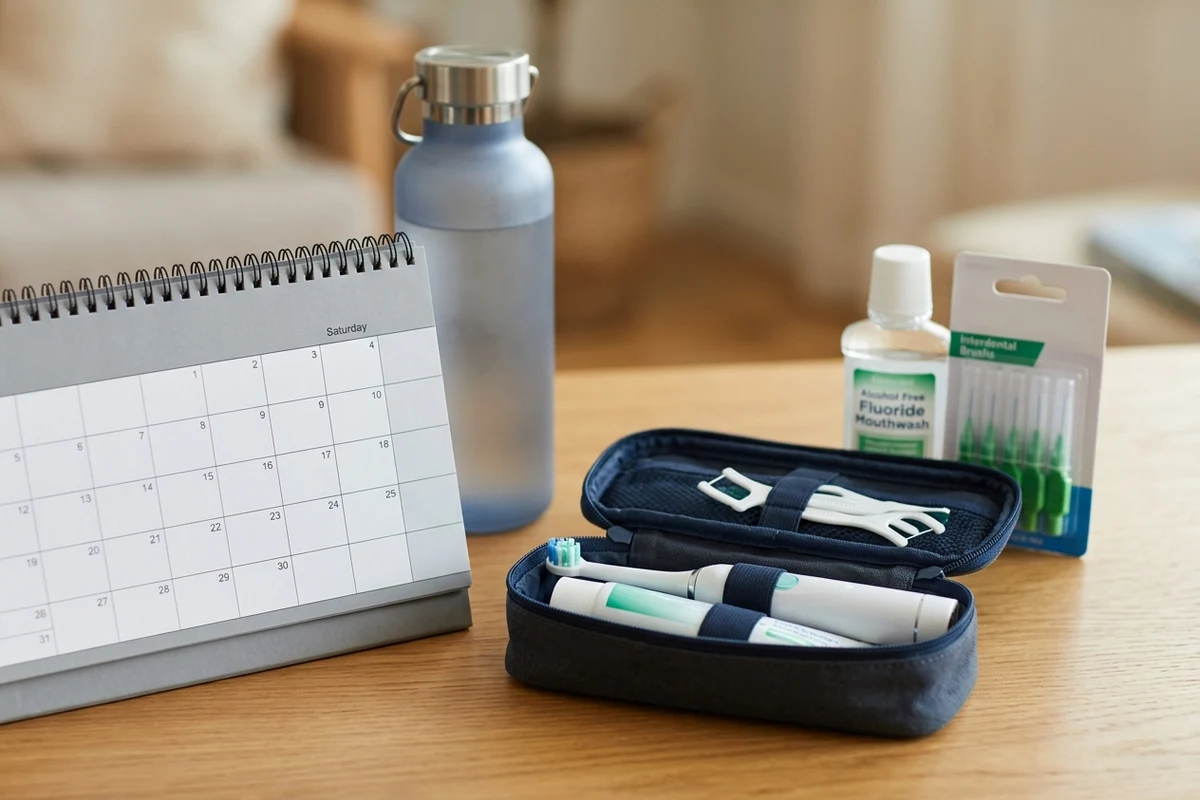
Effective home hygiene requires brushing twice daily for two minutes using a soft-bristled toothbrush and fluoride toothpaste. In addition, daily mechanical interdental cleaning with dental floss, interdental brushes, or water flossers is critical for clearing plaque biofilm from tight interproximal spaces where bristles cannot reach.[2][3]
Dietary Moderation and Lifestyle Habits
Limiting between-meal consumption of fermentable carbohydrates and acidic beverages significantly reduces frequent acid exposure on enamel surfaces. Coordinating these daily habits with a reliable Saturday dental appointment cadence ensures that early mineral loss is arrested before permanent structural damage requires invasive restorative dental care.[1][2][3]
Managing Risks and Scheduling Your Visit
Postponing preventive dental care increases the likelihood that asymptomatic demineralization or localized gingivitis will advance into deep decay or periodontitis. Timely monitoring protects hard and soft tissues while avoiding complex interventions down the road.[1][2]
Prioritizing Consistent Preventive Maintenance
Because early periodontal breakdown and dental caries often advance without noticeable pain, routine diagnostic assessments remain your strongest defense. Partnering with a dental practice to establish a personalized recall frequency ensures continuous monitoring, timely calculus debridement, and tailored preventive guidance to protect your long-term oral wellness.[1][3]
Sources
- mouthhealthy.org — American Dental Association
- nih.gov — National Institute of Dental and Craniofacial Research
- ada.org — American Dental Association
Common questions
Frequently asked questions
Talk with a dentist about your next step
Contact One Ounce Dental to request your next appointment and discuss your personalized oral health needs. Our team is here to answer your questions and help you establish a preventive care routine.
More Articles
View all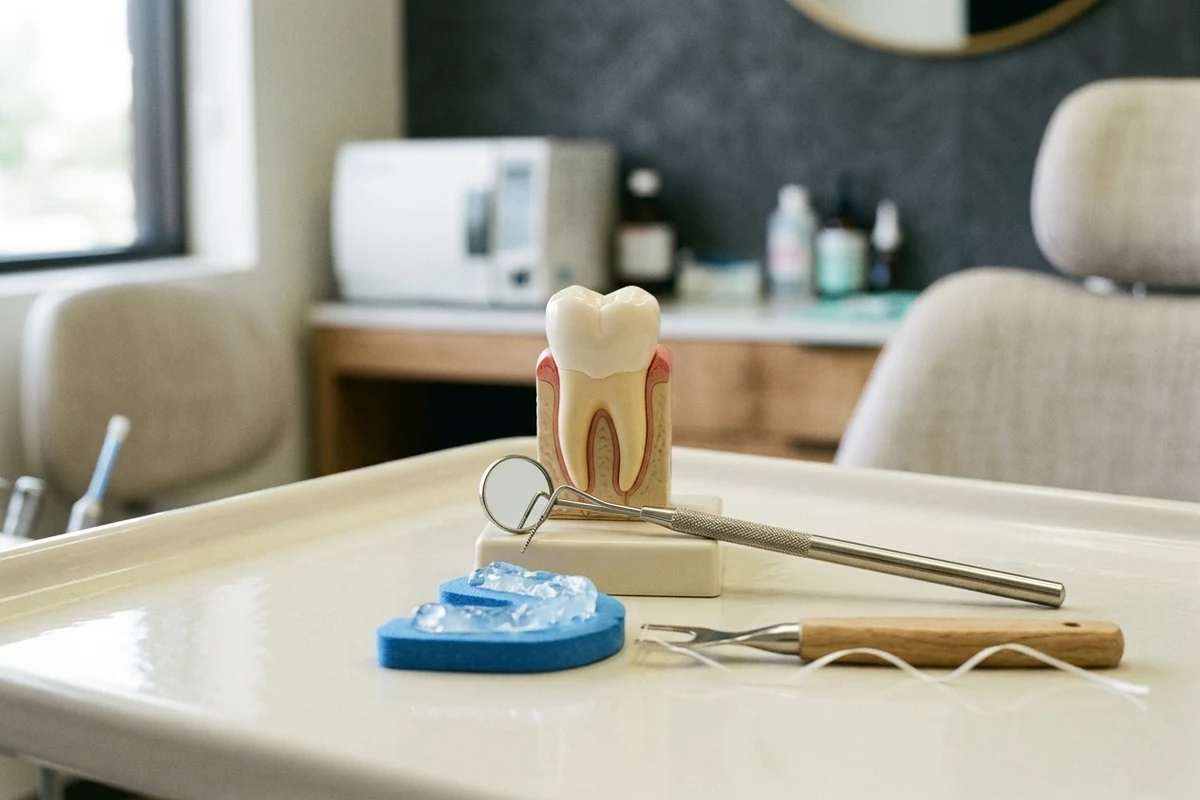 Preventive & General
Preventive Dentist Chino: General Dentistry Before Problems Grow
Partnering with a preventive dentist Chino helps protect natural enamel across every stage of life. Evidence-based treatments like dental sealants and topical fluoride prevent decay, stop early demineralization, and support lasting oral health.October 1, 2026 · 6 min read Preventive & General
New Patient Dental Special Chino: What General Dentistry Visits Include
Understanding what is included in a new patient dental special Chino helps individuals prepare for clinical evaluations, diagnostic dental imaging, systemic medical reviews, and professional preventive dental cleanings.September 30, 2026 · 6 min read Orthodontics