

Why Do I Have a Metallic Taste in My Mouth? 7 Common Causes
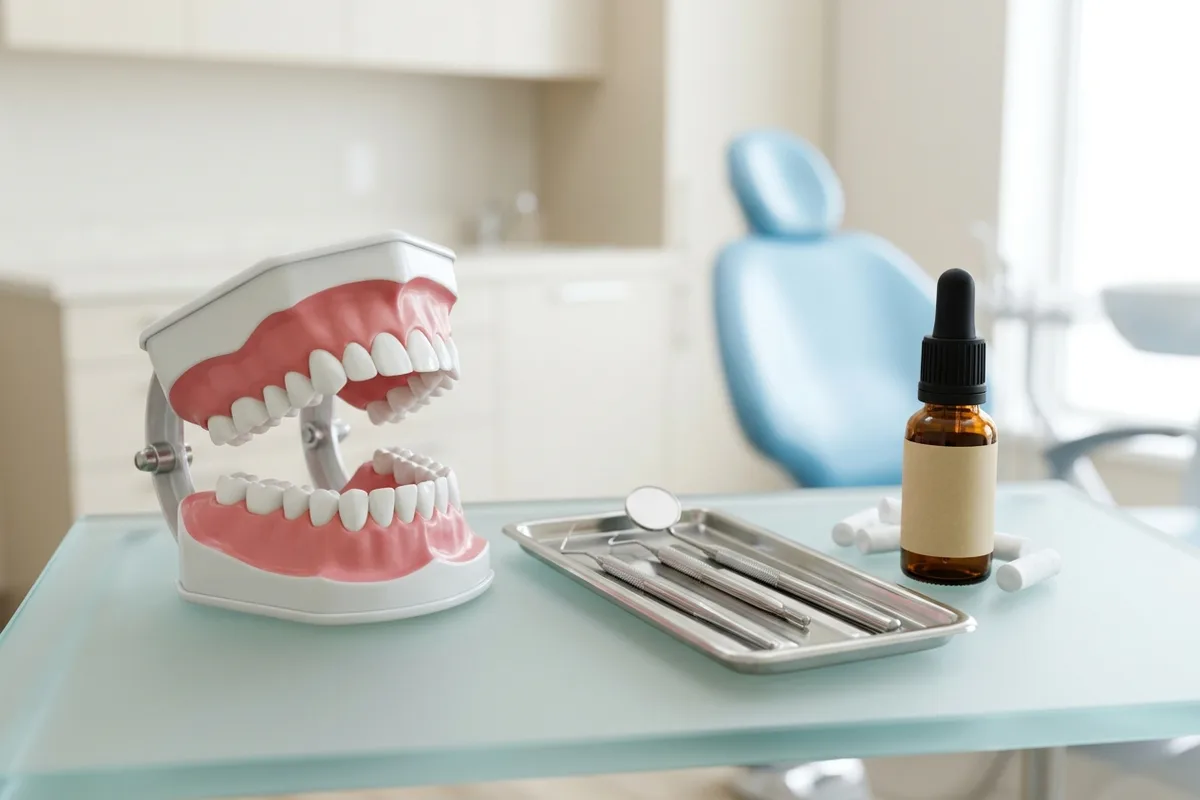
A lingering metallic flavor can come from swollen gums, everyday drugs, sinus colds, or dry mouth. Learn what causes this strange taste and how to find relief.
Metallic Taste in the Mouth at a Glance
A lingering metallic taste in mouth can begin from oral issues or from changes in your body. In most cases, finding the cause helps you choose the right path to relief. The table below outlines seven common reasons for this taste, the signs for each, and steps that help you feel better.[2][3]
| Cause | The Clue | What Helps |
|---|---|---|
| Swollen gums[1][2][3] | Oral pain | Brushing and dental cleanings |
| Prescription drugs[1][5] | Taste changes that begin after starting a new medicine | Talking with your doctor about drug options |
| Colds and sinus bugs[1][2] | Stuffy nose, blocked smell, or a recent flu | Allowing the viral illness to clear on its own |
| Dry mouth[1][4][5] | Lack of spit | Using spit substitutes |
| Wisdom tooth surgery[2][3] | Recent tooth removal or throat and ear procedures | Allowing time for the mouth to heal |
| Low vitamin levels[1][5] | A diet missing nutrients | Eating nutrient-rich foods or doctor-guided zinc |
| Radiation therapy[2][3] | Medical care directed at the head or neck regions | Using spices and herbs to boost meal flavor |
Swollen Gums and Tooth Problems
When plaque builds up along your gumline, it can cause swollen gums (gingivitis) and mouth pain. This irritated tissue can leave a strong metallic or salty flavor across your tongue. Tooth decay, ill-fitting dentures, and dirty tongue surfaces can also disrupt your normal sense of taste. Having your dentist clean away hardened plaque (calculus) and brushing your tongue daily can restore how food tastes.[1][2][3]
Prescription Medicines and Drug Reactions
Prescription drugs cause between 9% and 22% of all taste disorder cases. Medicines such as antibiotics, antihistamines, and blood pressure pills can pass into your spit or build up on taste buds over time. This makes meals taste bitter or sour, even months after starting a pill. If you suspect a drug, speak with your doctor, who may switch your prescription or adjust your dose.[1][2][5]
Common Colds and Sinus Troubles
Upper breathing infections like the common cold, the flu, or sinus problems often distort your taste. Because much of what you taste comes from your sense of smell, a stuffy nose blocks aromas from reaching your nasal passages. This blockage makes food taste dull, sour, or metallic while you are sick. The good news is that this taste change usually clears on its own once your illness ends.[1][2]
Dry Mouth and Reduced Saliva
Spit plays a vital role in cleaning your mouth and washing away harmful bacteria. When your mouth becomes dry, food chemicals cannot dissolve properly to reach your taste buds. This lack of saliva can coincide with altered taste, and dysgeusia sometimes occurs with burning mouth syndrome. Using spit substitutes can keep your mouth moist.[1][2][4][5]
Wisdom Tooth Removal and Head Trauma
Having a wisdom tooth pulled can sometimes lead to altered taste during your recovery. Surgeries on the ear, nose, or throat can also irritate the delicate nerve pathways that carry flavor signals. These changes can make drinks and foods seem unpleasant or metallic. In many instances, normal taste returns on its own as your mouth tissue heals over the coming weeks.[2][3][4]
Low Zinc and Vitamin B12 Levels
Your body needs specific vitamins and minerals to keep your taste buds and oral nerves working properly. Shortages in zinc or vitamin B12 can impair your sense of taste and leave strange flavors behind. Your dentist can sometimes spot signs of vitamin shortages during a regular mouth checkup. Under medical care, adding zinc supplements or eating a well-balanced diet can help your taste buds recover.[1][4][5]
Radiation Therapy to the Head and Neck
Radiation therapy used for head and neck cancers can damage your taste buds. This treatment frequently creates a lingering metallic or rancid taste that can make eating difficult. When food loses its appeal, you might feel tempted to add lots of sugar or salt. Using fragrant herbs, flavorful spices, and foods with different textures can make your meals more enjoyable without adding salt.[2][3][4]
When to See a Dentist
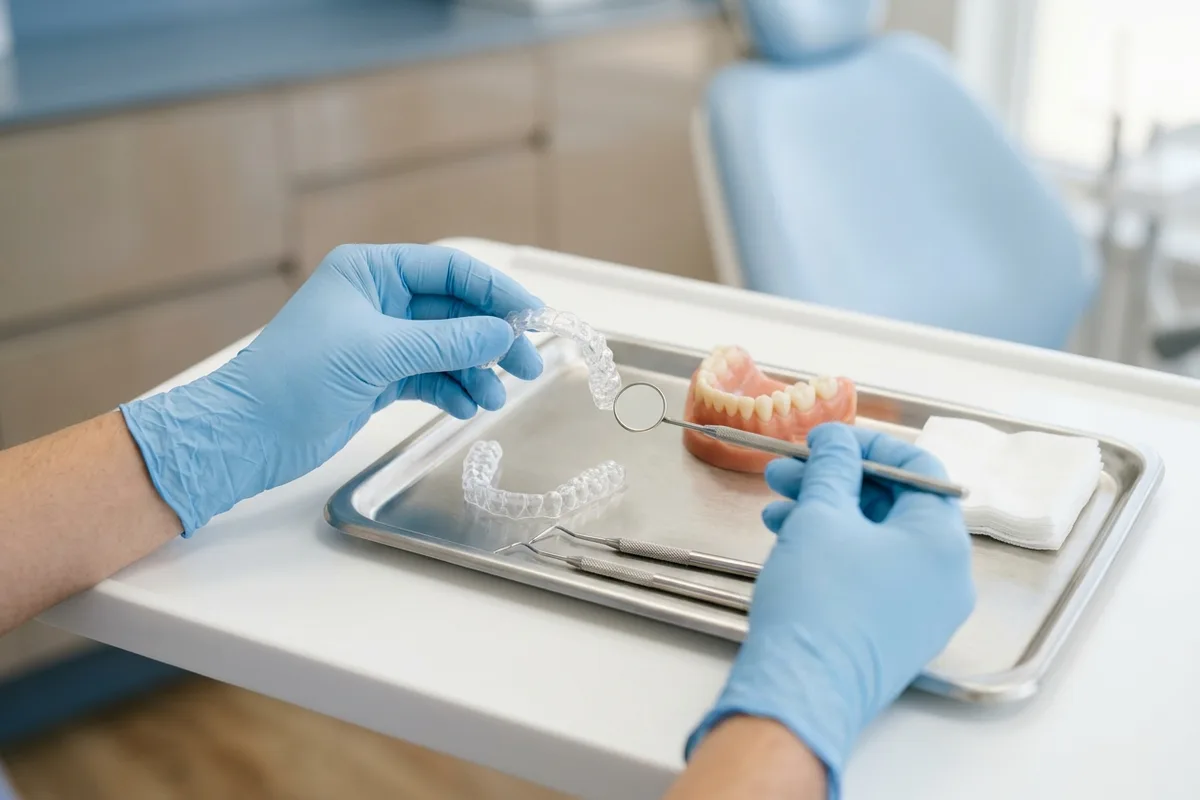
You should see your dentist if a metallic taste lingers or happens alongside red, tender, or bleeding gums. Visiting your dentist regularly lets them catch tooth decay, mouth infections, and gum disease early. A thorough exam can also spot hidden issues like immune disorders, oral cancer, or low vitamin levels. Your dentist can remove hardened plaque and check whether an ill-fitting denture is harming your mouth. At One Ounce Dental, you can ask Dr. Yiyang Zou about your symptoms and discuss next steps.[1][3][4]
How to Prevent a Metallic Taste
Caring for your teeth and mouth each day is the best way to protect your sense of taste. Practicing good oral hygiene keeps plaque from building up, which protects your gums from swelling and bleeding. You can take several simple, practical steps at home to keep your mouth fresh and your taste buds working well.[1][2][3][4]
- Brush your teeth twice daily and gently brush or scrape your tongue to remove buildup.
- Floss between your teeth every day to protect your gums from swelling and bleeding.
- Drink plenty of water throughout the day to avoid dry mouth and keep spit flowing.
- Avoid heavy smoking or cigars, which can dull your taste buds.
- Visit your dentist for regular checkups and professional cleanings to remove hardened plaque.

Sources
- Taste - impaired — medlineplus.gov
- How do we taste…and why does it go wrong? — magazine.medlineplus.gov
- Taste Disorders — National Institute of Dental and Craniofacial Research
- NIH MedlinePlus Magazine Issue 6 — magazine.medlineplus.gov
- Oral adverse effects of drugs: Taste disorders — pmc.ncbi.nlm.nih.gov
Common questions
Frequently asked questions
Questions about your own smile?
If a metallic taste in your mouth lingers, please call One Ounce Dental at 909.283.3130. You can request an appointment to speak with our team about your oral health.
More Articles
View all Dental care
Why Is My Tongue White? 7 Common Causes
A white tongue can stem from harmless debris, surface irritation, fungal thrush, or precancerous patches. Discover what causes these color changes, how to spot warning signs, and when to seek dental care.November 16, 2026 · 6 min read Dental care
Why Does Floss Smell Bad Between Two Teeth? 6 Common Causes
If you notice that your floss smells bad between two teeth, trapped food, a hidden cavity, or gum problems could be the reason. Learn what causes the odor and how to fix it.November 13, 2026 · 6 min read Dental care