

Amalgam Filling Replacement Chino: Amalgam Replacement Explained
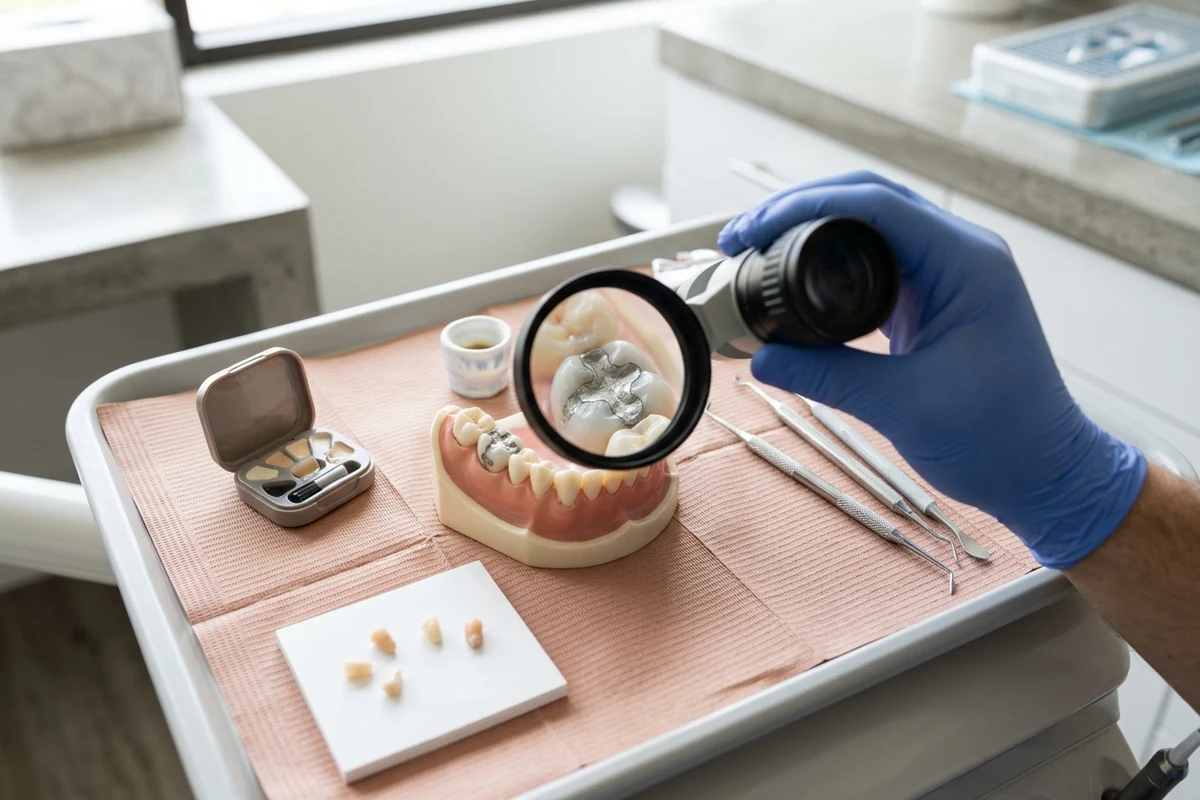
Considering amalgam filling replacement Chino dentists evaluate existing restorations for recurrent decay, structural breakdown, or open margins before recommending modern tooth-colored options to protect natural tooth structure and restore chewing function.
Understanding Amalgam Replacement and Restorative Care
Dental amalgam has served as a durable restorative material for decades, composed of silver, tin, copper, and elemental mercury. Evaluating this restoration involves balancing proven historical longevity against modern bonding capabilities, biological considerations, and structural tooth preservation.[1][2]
The Clinical Purpose of Replacing Older Fillings
Patients often consider whether to replace silver fillings Chino clinicians examine during routine visits. While amalgam provides high compressive strength, it does not bond micromechanically to tooth enamel or dentin. Over decades of chewing stress, the interface between the metal and natural tooth can degrade, requiring clinical intervention.[1][3]
Regulatory Guidelines on Intact Amalgam Fillings
Both the Food and Drug Administration and the American Dental Association advise against removing stable amalgam restorations. If an existing filling is intact, functional, and free from underlying disease, extraction creates unnecessary trauma. Removing sound restorations irreversibly removes healthy enamel and temporarily exposes the patient to elevated mercury vapor.[1][2]
Clinical Factors That Warrant Filling Replacement
Dentists do not recommend replacing dental restorations without distinct clinical rationale. Several diagnostic criteria determine whether a restoration remains serviceable or presents a distinct risk to the structural integrity and biological health of the underlying natural tooth.[1][2][3]
Recurrent Decay and Marginal Breakdown
The most frequent clinical indication for replacing an existing restoration is secondary caries, which refers to new decay forming along the restoration margins. When the perimeter seal deteriorates, bacterial plaque infiltrates beneath the metal filling, undermining healthy dentin without visible outward destruction until extensive damage has occurred.[2][3]
Structural Cracks and Material Hypersensitivity
Because amalgam relies on mechanical undercut retention rather than adhesive bonding, masticatory forces can generate microfractures within surrounding tooth cusps over time. Additionally, while exceptionally rare, documented systemic or localized allergic hypersensitivity to mercury or other restorative metals represents an established medical justification for complete removal and alternative restoration.[1][3]
Recognizing Symptoms That Warrant Professional Assessment
A deteriorating dental restoration often produces subtle warning signals before catastrophic failure occurs. Identifying these clinical signs early allows conservative restorative intervention before fractures extend into the dental pulp or beneath the supportive gumline.[1][3]
Physical Indications of Restoration Breakdown
Individuals exploring metal filling replacement frequently notice physical changes around the affected tooth. These signs suggest that the marginal seal has failed or the adjacent tooth structure has fractured under functional bite loads, necessitating an evaluation to assess restorability.[1][3]
- Sharp or lingering sensitivity when consuming hot, cold, or sweet beverages
- Discomfort or localized pressure pain while chewing firmer foods
- Visible ditching, chipping, or dark separation lines along the tooth enamel margin
- Frequent dental floss shredding or persistent food entrapment between teeth
How Dentists Evaluate Existing Amalgam Restorations
Determining whether an amalgam restoration requires replacement involves detailed diagnostic protocols. Clinicians avoid visual assessment alone, relying on multiple diagnostic tools to confirm whether structural compromise or secondary bacterial infection exists beneath the restoration.[2][3]
Clinical Examination and Radiographic Assessment
Dentists use fine diagnostic instruments to feel for marginal gaps, enamel undermining, and edge breakdown around the restoration perimeter. High-resolution dental radiographs are evaluated to identify hidden demineralization under the metallic restoration and verify bone levels, while cold sensibility tests confirm the continued health of internal pulp tissue.[2][3]
Modern Material Alternatives to Amalgam Restorations
When removal of an old filling is indicated, contemporary dentistry offers aesthetic and adhesive restorative materials. These modern options allow dentists to rebuild damaged teeth while preserving as much healthy biological structure as possible through micromechanical adhesion.[1][3]
Direct Composite Resin Bonding
A tooth colored filling replacement relies on composite resin, a blend of dental polymers and microscopic glass particles. Unlike metal fillings, composite resin adheres directly to etched enamel and dentin using specialized bonding agents, allowing the dentist to preserve natural tooth walls that might otherwise require reduction.[1][3]
Indirect Inlays, Onlays, and Full Crowns
When evaluating composite fillings Chino patients with extensive preexisting amalgam restorations may learn that remaining natural walls cannot support a direct filling. In such scenarios, indirect ceramic inlays, onlays, or full-coverage crowns provide enhanced compressive strength, distributing bite forces evenly across compromised posterior teeth.[3]
The Clinical Protocol for Safe Amalgam Removal
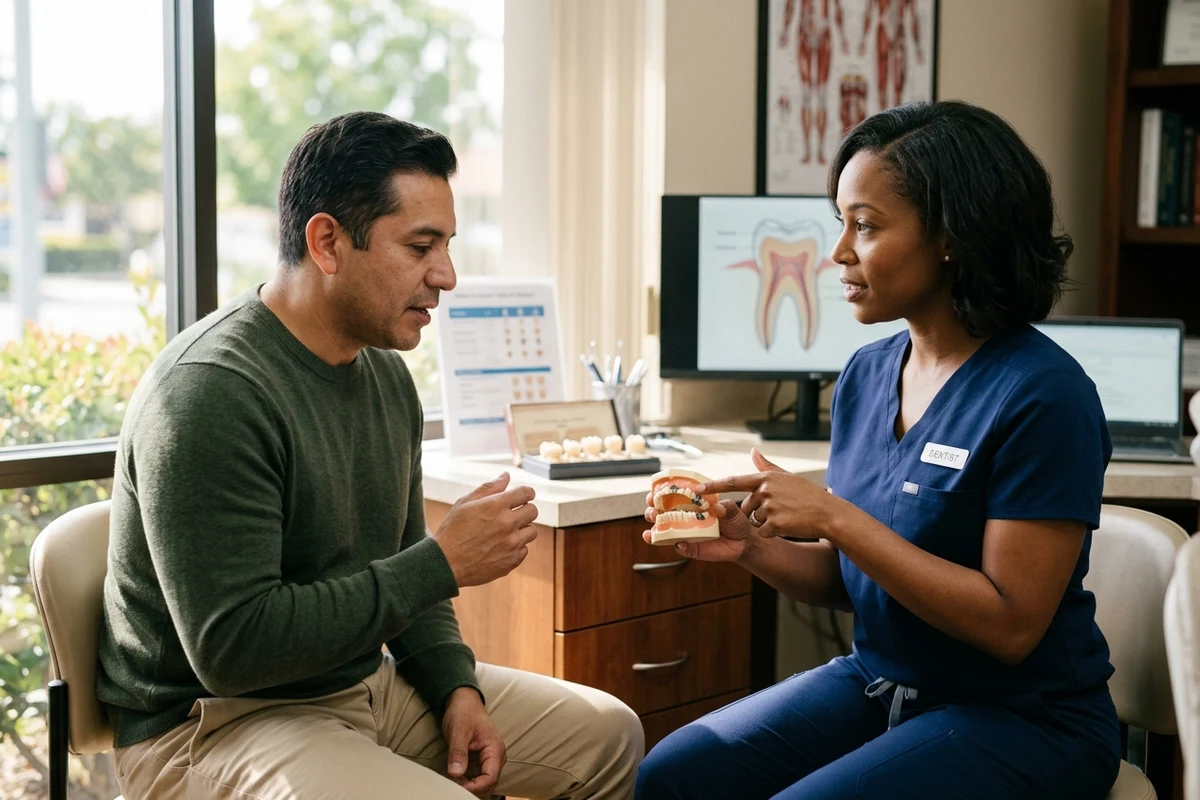
The process of replacing an aged restoration follows established safety and restorative protocols. Dentists use specific clinical controls to protect oral tissues, maintain isolation, and ensure optimal bonding conditions for the new replacement material.[1][3]
Isolation and Particulate Control Measures
During amalgam removal Chino dental teams utilize protective measures to safeguard patients from debris and vapor. Clinicians place a flexible rubber dam to isolate the operational field, apply copious water spray to cool the cutting site, and utilize high-volume evacuation suction to capture particulate matter instantly.[1][3]
Adhesive Placement and Layered Curing
After the metal is excised and any secondary caries removed, the clean cavity is conditioned with mild acid etchant and bonding adhesive. The dentist places composite resin in incremental layers, light-curing each increment with blue spectrum light to minimize shrinkage stress before refining the final bite alignment.[3]
Recovery Expectations and Long-Term Maintenance
Post-operative recovery after filling replacement is typically straightforward, though mild transient sensitivity can occur. Long-term durability of modern bonded restorations depends heavily on proactive daily hygiene, bite management, and routine professional surveillance.[1][3]
Managing Post-Operative Sensitivity
Mild sensitivity to temperature fluctuations or chewing pressure may persist for several days following restorative work. This temporary response stems from mechanical manipulation near the pulp chamber or microscopic flexure. Avoiding extreme temperature foods and chewing gently on the opposite side allows initial nerve inflammation to subside.[3]
Maximizing Restorative Lifespan
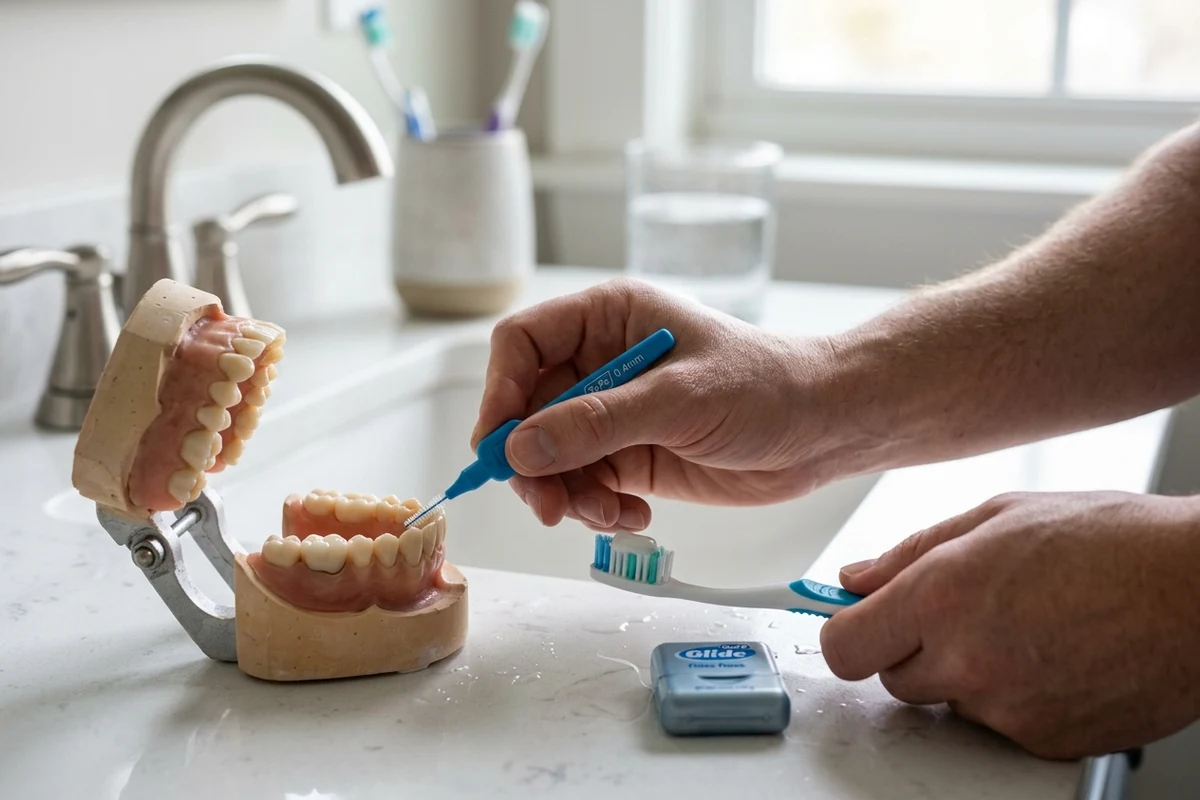
Maintaining composite margins requires twice-daily brushing with fluoride toothpaste and thorough daily interdental cleaning to prevent plaque colonization. For patients demonstrating nocturnal bruxism or clenching, custom occlusal nightguards prevent microfractures along bonded margins, protecting both natural enamel and modern restorative materials from excessive cyclic stress.[3]
Treatment Considerations and Professional Guidance
Electing to replace existing restorations should always involve careful clinical deliberation. Consulting with an experienced dental provider ensures treatment choices are guided by objective tooth health rather than elective removal of stable, functional restorations.[1][2]
Balancing Preservative Care Against Intervention
Every dental intervention carries an inherent biological cost, as removing an existing restoration inadvertently removes fractional amounts of sound tooth structure. Working collaboratively with your dentist ensures that replacements occur only when structural breakdown, verified decay, or documented material allergies clearly justify clinical intervention.[1][2]
Sources
Common questions
Frequently asked questions
Talk with a dentist about your next step
Contact One Ounce Dental today to schedule a comprehensive examination and discuss your questions regarding existing dental restorations with our clinical team.
More Articles
View all Implants & Oral Surgery
Dental Implants Chino CA: Treatment and Recovery
Dental implants provide durable, root-level support for artificial teeth. Explore candidate requirements, surgical planning, restorative options, and essential daily care to maintain healthy bone integration and long-term oral stability.September 16, 2026 · 6 min read Restorative Care
Root Canal Chino CA: A Patient Guide to Root Canal Treatment
Patients researching root canal Chino CA care often need timely relief from deep tooth infections. Understanding endodontic therapy helps you navigate clinical evaluations, treatment stages, and restorative solutions that protect your natural bite.September 15, 2026 · 6 min read Orthodontics