

Dental Implants Chino CA: Treatment and Recovery
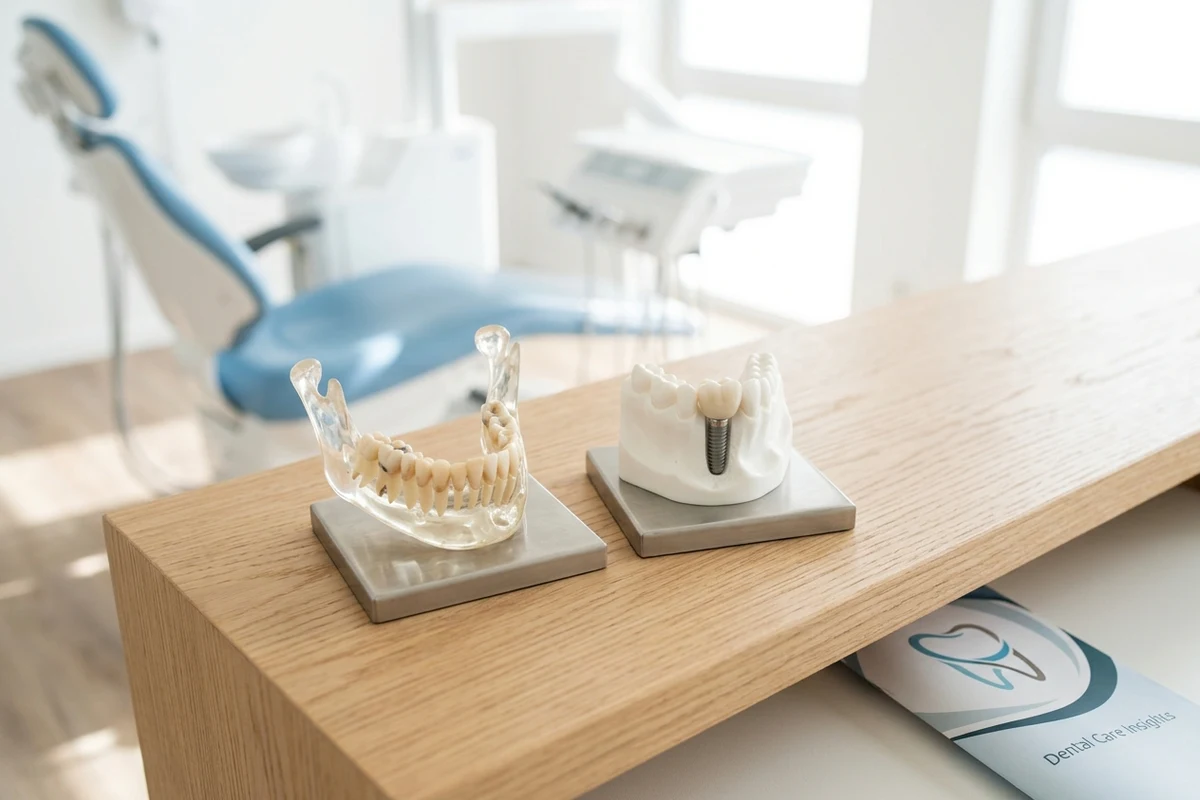
Dental implants provide durable, root-level support for artificial teeth. Explore candidate requirements, surgical planning, restorative options, and essential daily care to maintain healthy bone integration and long-term oral stability.
Understanding Dental Implants and Tooth Replacement
Dental implants serve as biocompatible anchors that replicate the biomechanical role of natural tooth roots. By anchoring prostheses directly into the jaw, they provide exceptional stability for chewing and speaking while avoiding the need to prepare or grind down adjacent healthy natural enamel.[1][2]
The Structural Role of an Implant Fixture
An implant fixture consists of a medical-grade titanium or ceramic screw placed directly into the alveolar bone. Over time, bone cells integrate around this biocompatible structure, establishing rigid support capable of withstanding functional biting forces without shifting or relying on neighboring teeth for retention.[2][3]
Restoring Function and Oral Stability
Unlike traditional tooth-supported bridges, dental implants stimulate the alveolar ridge, preventing the gradual structural bone resorption that typically follows tooth loss. Additionally, implants protect remaining teeth by preventing unnatural shifting, tipping, or excessive occlusal wear caused by empty spaces within the dental arch.[1][4]
Clinical Candidacy and Anatomical Requirements
Successful implant therapy requires a stable biological foundation. Clinicians evaluate craniofacial development, bone dimensions, and general health to confirm that the patient can properly heal and sustain osseointegration, ensuring the artificial root achieves permanent, rigid fixation within the supporting alveolar structure.[1][2]
Bone Volume and Skeletal Development
Adequate alveolar height, width, and bone density are essential to house an implant securely. In growing adolescents, placement must be delayed until craniofacial skeletal growth concludes. If previous tooth loss or trauma has degraded the ridge, receiving a bone graft Chino patients may require can rebuild adequate anatomical volume before placement.[1][2][4]
Systemic Health and Periodontal Status
Active periodontal disease must be fully resolved prior to surgery because past gum infections elevate the risk of future implant complications. Furthermore, systemic conditions such as uncontrolled diabetes, heavy nicotine use, or antiresorptive medications like bisphosphonates can impair tissue vascularity and jeopardize bone healing around the implant fixture.[2][4]
Indicators for Seeking Implant Evaluation
Tooth loss compromises chewing efficiency, nutritional intake, and long-term oral alignment. Seeking an objective clinical assessment helps patients identify restorative pathways early, preventing progressive bone loss and mitigating unnecessary strain on remaining natural teeth that would otherwise bear excess occlusal load.[1][2]
Identifying When to Replace Missing Teeth
Patients missing one or more natural teeth should schedule an evaluation with an implant dentist Chino to assess restorative options. Consultation is also appropriate when existing removable appliances slip, cause chronic soft-tissue soreness, or fail to deliver adequate biting stability for comfortable chewing and clear speech.[1][4]
Diagnostic Planning and Three-Dimensional Imaging
Modern implantology relies on prosthetically driven planning to ensure the final tooth sits in ideal alignment with the opposing bite. Detailed imaging confirms that underlying bone can accommodate the fixture without encroaching on vital nerves, blood vessels, or adjacent natural tooth roots.[2][4]
Comprehensive Diagnostics Before Surgery
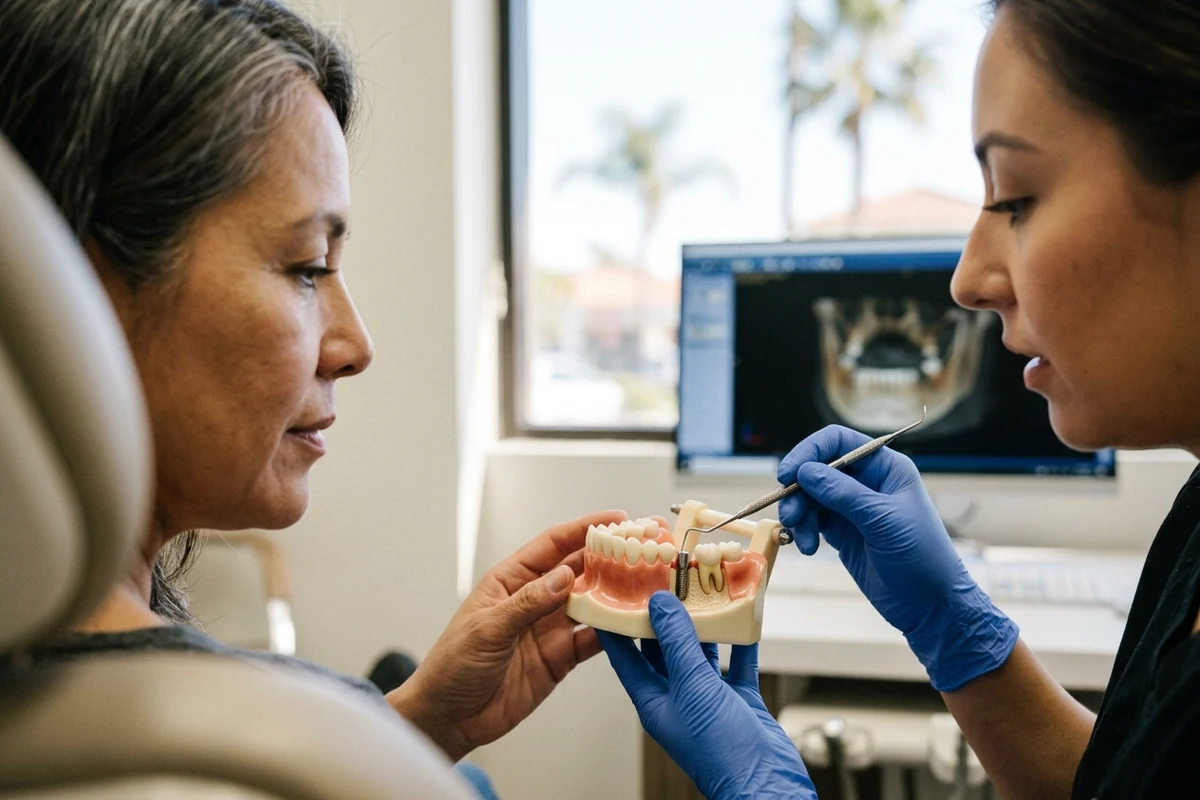
Diagnostic appointments utilize cone beam computed tomography (CBCT) alongside standard radiographs to construct accurate three-dimensional views of the jawbone. This imaging allows precise evaluation of bone density, locates the inferior alveolar nerve in the lower jaw, and examines maxillary sinus boundaries to prevent intraoperative anatomical complications.[2]
Implant Configurations and Restorative Options
Dental implants offer flexible restorative solutions tailored to the number of missing teeth and individual functional demands. Restorations range from standalone crowns to full-arch prostheses, each designed to balance chewing comfort, esthetic contours, and long-term oral hygiene accessibility.[1][4]
Single Tooth Replacement Versus Bridges
When restoring an isolated gap, a single tooth implant provides independent support without requiring invasive reduction of adjacent healthy teeth. For multiple missing consecutive teeth, an implant-supported bridge uses two or more strategically placed fixtures to bridge the space, preserving bone density across the entire edentulous segment.[1][4]
Full-Arch Solutions and Overdentures
When addressing extensive tooth loss across an entire arch, implant supported dentures Chino clinicians configure can anchor onto multiple fixtures. These stable prostheses prevent painful slipping, eliminate the need for messy adhesives, and restore significantly higher biting efficiency compared to traditional removable complete acrylic dentures.[1][2]
Stages of the Dental Implant Procedure
Implant therapy follows a methodical, multi-stage protocol designed to protect bone tissue and ensure predictable healing. From preliminary tissue preparation to final prosthetic attachment, each phase allows biological tissues to adapt before advancing to full masticatory loading.[1][2]
Site Preparation and Bone Augmentation
When the upper jaw lacks sufficient bone depth beneath the nasal cavity, a sinus lift Chino surgical providers perform gently elevates the sinus membrane to place grafting material. This preliminary procedure creates sufficient vertical bone height to anchor future implant fixtures securely in posterior areas.[2][4]
Surgical Placement and Osseointegration
The surgical provider gently prepares an osteotomy in the jawbone and inserts the biocompatible fixture. Over three to six months, osseointegration occurs as living bone cells fuse with the fixture surface. After healing is confirmed, an abutment connector is attached to receive the custom laboratory-fabricated prosthetic crown.[1][2][3]
Maintenance Protocols and Long-Term Durability
While dental implants cannot develop dental caries, their supporting tissues remain vulnerable to bacterial inflammation. Diligent daily hygiene and disciplined professional maintenance protect the surrounding gingiva and underlying bone, preventing premature fixture mobility and extending the functional lifespan of the restoration.[1][2][4]
Daily Plaque Control and Home Hygiene
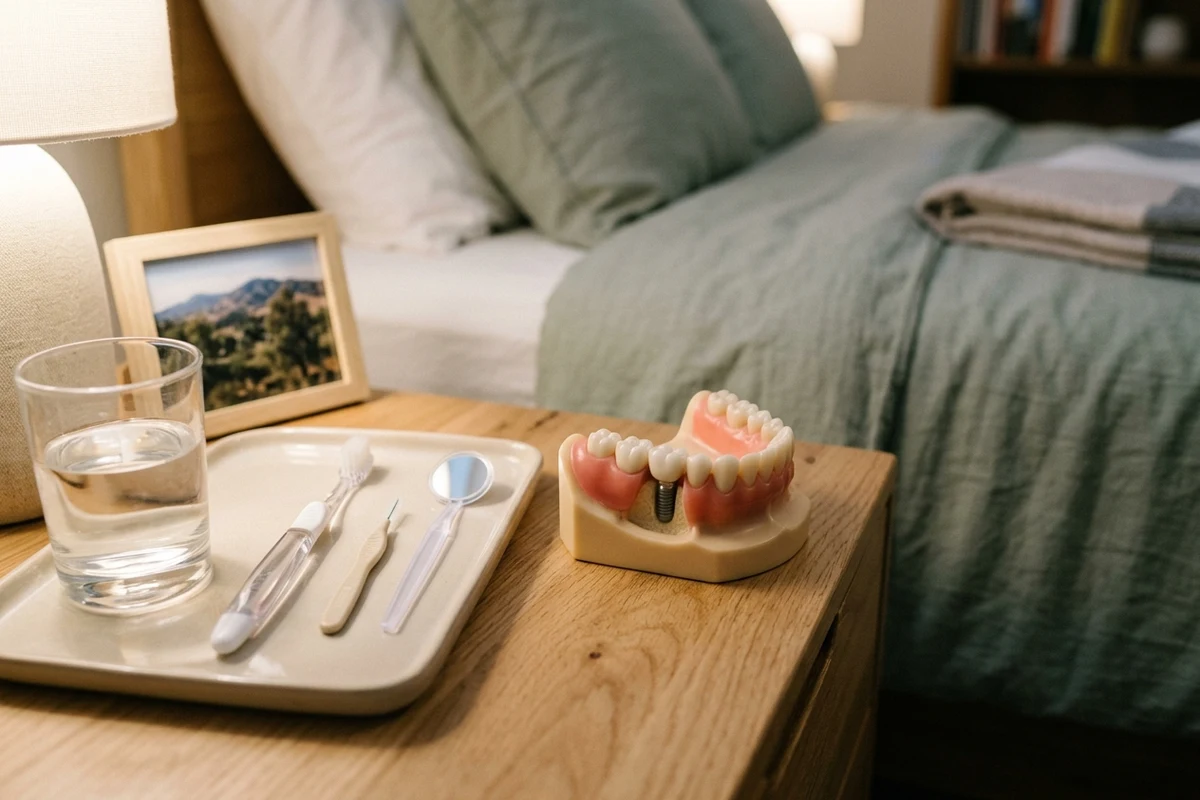
Biofilm accumulation around the implant collar triggers localized tissue inflammation known as peri-implant mucositis. Daily hygiene protocols must effectively disrupt plaque without scratching delicate titanium or zirconia surfaces, using specialized instruments and gentle techniques to maintain a resilient soft-tissue seal against oral bacteria.[1][2][4]
- Brushing twice daily around the implant collar using a soft-bristled manual or electric toothbrush.
- Cleaning interproximal spaces with coated-wire interdental brushes to avoid scratching metallic components.
- Using specialized implant-safe dental floss or an oral irrigator to remove debris beneath crown margins.
Professional Cleanings and Routine Monitoring
Professional maintenance visits scheduled every three to six months allow clinicians to assess tissue health, measure probing depths, and take periodic radiographs. These regular visits verify that fixation screws remain tight and confirm that marginal bone levels remain completely stable around the implant neck over time.[1][2][4]
Managing Complications and Planning Next Steps
Implant therapy has high success rates, yet biological and mechanical complications can arise if plaque accumulates or occlusal forces become excessive. Understanding these challenges allows patients to recognize early warning signs and make fully informed decisions regarding treatment investments and care.[2][4]
Peri-Implant Diseases and Clinical Considerations
Left untreated, peri-implant mucositis can advance to peri-implantitis, a serious condition characterized by progressive bone loss around the fixture. When evaluating dental implant cost Chino patients should consider component quality, preparatory surgeries, and professional maintenance schedules necessary to protect their clinical investment and preserve bone health.[2][4]
Sources
- mouthhealthy.org — American Dental Association
- fda.gov — U.S. Food and Drug Administration
- nih.gov — National Institute of Dental and Craniofacial Research
- perio.org — American Academy of Periodontology
Common questions
Frequently asked questions
Talk with a dentist about your next step
Schedule a consultation at One Ounce Dental to discuss your tooth replacement options, evaluate your bone health, and receive an individualized assessment from our experienced clinical team.
More Articles
View all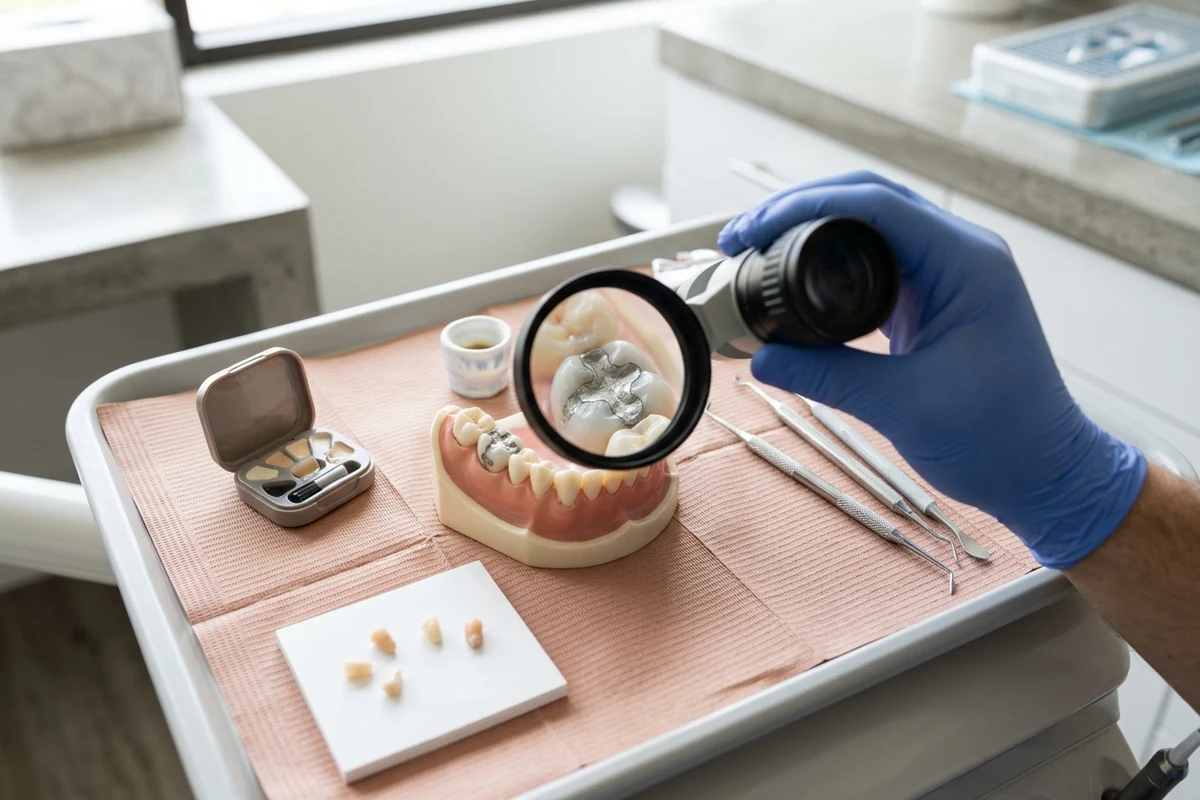 Cosmetic Dentistry
Amalgam Filling Replacement Chino: Amalgam Replacement Explained
Considering amalgam filling replacement Chino dentists evaluate existing restorations for recurrent decay, structural breakdown, or open margins before recommending modern tooth-colored options to protect natural tooth structure and restore chewing function.September 16, 2026 · 6 min read Restorative Care
Root Canal Chino CA: A Patient Guide to Root Canal Treatment
Patients researching root canal Chino CA care often need timely relief from deep tooth infections. Understanding endodontic therapy helps you navigate clinical evaluations, treatment stages, and restorative solutions that protect your natural bite.September 15, 2026 · 6 min read Orthodontics