Root Canal Chino CA: A Patient Guide to Root Canal Treatment
Patients researching root canal Chino CA care often need timely relief from deep tooth infections. Understanding endodontic therapy helps you navigate clinical evaluations, treatment stages, and restorative solutions that protect your natural bite.
Short Answer
Short Answer
Root canal treatment is an endodontic procedure designed to relieve severe tooth pain and eliminate infection by removing damaged pulp tissue from inside the tooth. For patients seeking a root canal Chino CA evaluation, this therapy cleans and seals the inner canals before restoring the natural tooth with a protective crown, preventing premature tooth loss.[1][2]
Understanding Root Canal Therapy and Local Care
Root canal therapy addresses internal dental infection to preserve natural dentition. Patients exploring treatment in Chino often require clinical intervention to alleviate distress caused by pulp tissue breakdown. This service clears contaminated root canals, halts microbial spread, and restores full oral function.[1][2]
The Purpose of Endodontic Treatment
Endodontic treatment focuses directly on diagnosing and treating diseases of the dental pulp and surrounding periapical tissues. When dental structures suffer deep decay or trauma, endodontic therapy provides a predictable pathway to retain your original tooth structure rather than resorting to an irreversible extraction.[1][2]
The Role of Internal Dental Pulp
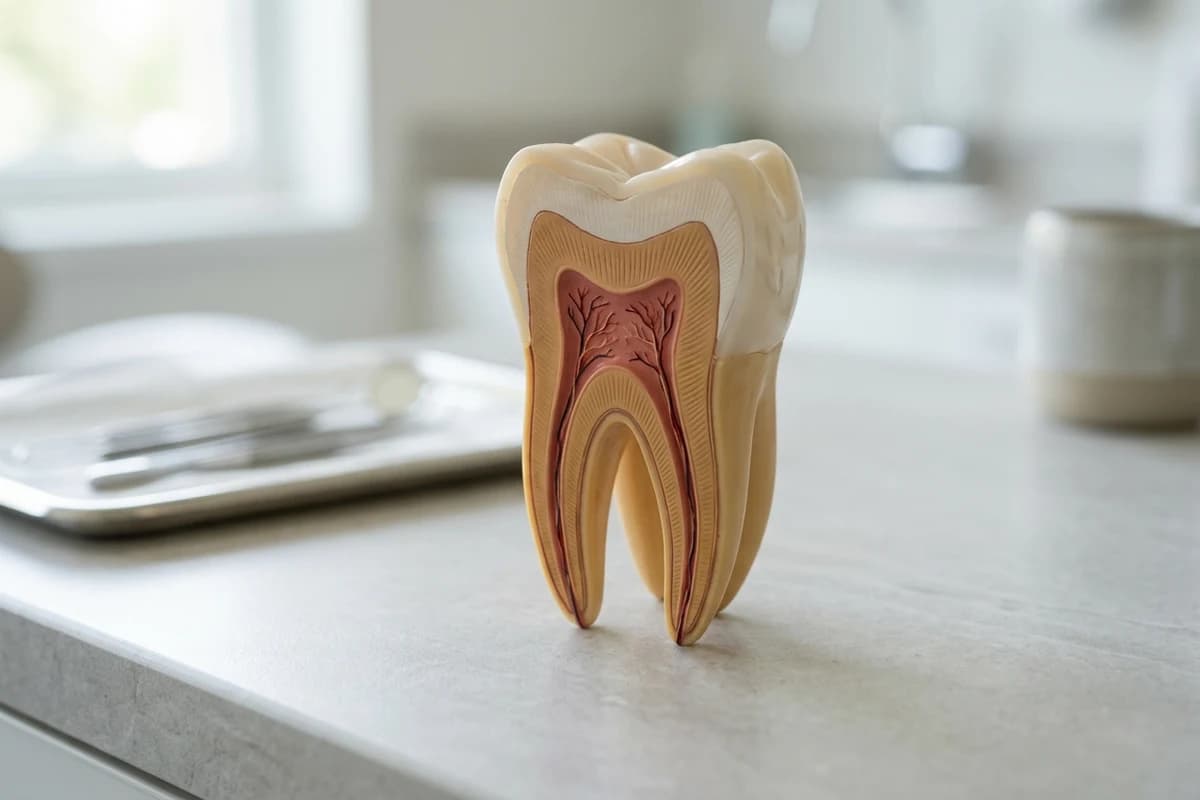
The dental pulp consists of nerves, arterioles, venules, and connective tissues housed within the inner chamber of each tooth. While essential during childhood growth, fully formed adult teeth survive comfortably without this inner tissue because neighboring periodontal ligament structures continue nourishing the surrounding bone and root surface.[1][2]
Causes and Clinical Candidacy Factors
Multiple dental complications can compromise the interior chamber of a tooth, requiring endodontic evaluation. Identifying structural vulnerabilities early prevents bacterial infiltration from spreading beyond the root tips. Clinicians evaluate individual tooth stability, canal anatomy, and bone support before determining if endodontic intervention is the proper choice.[1][2]
Primary Causes of Pulpal Damage
Extensive dental caries that breach enamel and dentin represent the most common reason pulp tissue becomes irreversibly inflamed. Additionally, cumulative mechanical trauma from repeated dental restorations, subtle microcracks, or direct physical impact can sever apical blood supply, precipitating tissue necrosis even without visible outer enamel fractures.[1][3]
Assessing Treatment Candidacy
Candidacy for root canal therapy depends on having sufficient sound tooth structure above the gumline to support a permanent crown. If periodontal disease has destroyed surrounding bone or vertical root fractures split the tooth entirely, endodontic preservation may no longer prove viable for long-term functional stability.[1][2]
Recognizing Warning Signs and Evaluation Timing
Pulpal distress rarely resolves without professional intervention and typically worsens when ignored. Recognizing the earliest warnings allows patients to arrange prompt examinations before localized pulp inflammation develops into a spreading periapical abscess that threatens systemic wellness and compromises adjacent bone support.[1][3]
Common Symptoms of Pulpal Inflammation
Typical symptoms include spontaneous, throbbing pain that intensifies when lying flat or chewing food. Heightened sensitivity to hot or cold temperatures that lingers after the source is removed frequently indicates irreversible pulpal injury. Patients might also observe local gum tenderness, dark tooth discoloration, or a pimple-like draining fistula.[1][3]
Clinical Assessment and Diagnostic Testing
Thorough diagnostics ensure that endodontic therapy is directed at the exact source of oral discomfort. Dental professionals utilize standardized diagnostic protocols to confirm pulp vitality and evaluate bone health, ensuring an accurate treatment plan without assuming symptoms stem solely from a single visible cavity.[1][2]
Examination and Diagnostic Protocols
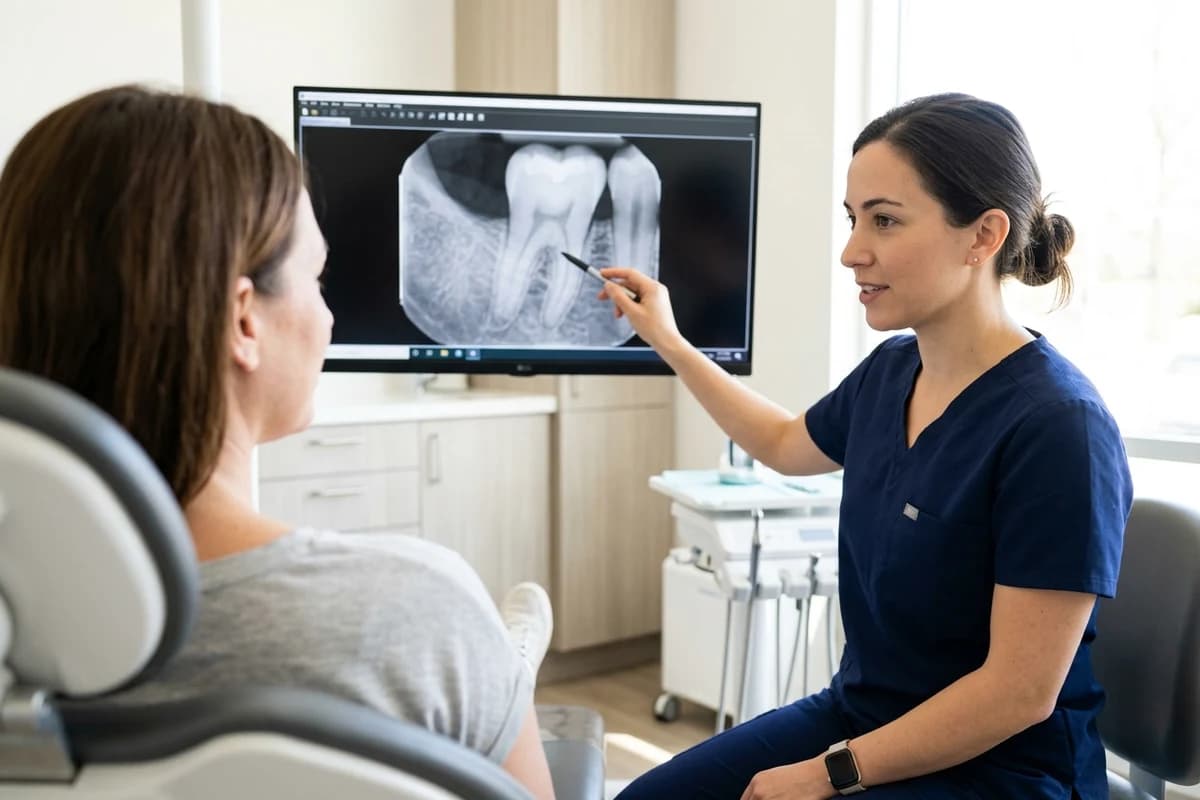
Clinical evaluation begins with periapical radiographs to examine the root tips and surrounding alveolar bone for radiolucent abscesses. Dentists also perform thermal sensitivity tests, gentle percussion tapping, and periodontal probing to differentiate reversible pulpitis from necrotic pulp, establishing whether endodontic cleaning is clinically warranted for the patient.[1][2][3]
Treatment Alternatives and Preserving Natural Teeth
When confronted with deep pulpal infection, patients typically choose between endodontic therapy and tooth extraction. Evaluating the long-term clinical and functional impacts of each approach assists individuals in making informed decisions regarding their oral health, bite balance, and restorative longevity.[1][2]
Endodontic Therapy Compared to Extraction
Preserving the natural tooth through root canal therapy maintains jawbone density and prevents adjacent teeth from drifting out of alignment. While extracting a tooth may seem simpler initially, replacing it later with an implant or bridge requires additional clinical procedures, higher overall costs, and extended treatment timelines.[1][2]
Restorative Pathways After Therapy
Completing a root canal is only the initial phase of saving an infected tooth. Because endodontically treated teeth lose internal moisture and become brittle, placing a full-coverage crown or durable core restoration is vital. Delaying definitive restoration significantly increases the risk of catastrophic tooth fracture and treatment failure.[1][2]
The Procedural Sequence of Endodontic Therapy
Modern endodontic procedures follow a meticulous sequence designed to eliminate bacterial pathogens while prioritizing patient comfort. Advanced local anesthetics make the experience comparable to receiving a routine filling, while precision instruments ensure the root canal system is properly disinfected and sealed.[1][2]
Canal Access and Disinfection
After numbing the area, the clinician places a protective rubber dam to isolate the tooth from oral bacteria and saliva. The dentist opens an access cavity through the crown, using specialized micro-instruments and antibacterial irrigating solutions to remove inflamed tissue and disinfect narrow canal spaces thoroughly.[1][2]
Sealing the Canals and Temporary Care
Once cleaned and shaped, the root canals are filled with an inert, biocompatible material called gutta-percha combined with an adhesive sealer to prevent bacterial reinfection. A temporary restoration is placed over the access opening to protect the internal canal system until permanent crown placement occurs.[1]
- Step 1: Administer local anesthesia and isolate the tooth using a rubber dam.
- Step 2: Create a small access opening to remove infected or necrotic pulp tissue.
- Step 3: Shape, disinfect, and decontaminate the root canals with antimicrobial irrigants.
- Step 4: Seal the internal canal spaces with gutta-percha and place a temporary filling.

Post-Treatment Recovery and Long-Term Durability
Recovery from root canal therapy is typically rapid, allowing patients to resume normal routines quickly. Establishing sound oral hygiene habits and adhering to restorative recommendations protects treated teeth, ensuring long-lasting chewing function and preserving oral health for years to come.[1][2]
Managing the Immediate Healing Phase
Mild tenderness around the treated tooth and jaw is normal for several days following treatment as periapical tissues heal. Over-the-counter pain relievers generally manage this soreness effectively. Patients should avoid chewing hard foods on the temporary restoration until the final crown has been securely cemented.[1][2]
Maintenance and Restoration Longevity
Teeth restored with prompt permanent crowns can function successfully for decades or even a lifetime. Maintaining daily plaque removal through twice-daily brushing with fluoride toothpaste and regular flossing prevents recurrent marginal decay. Using protective nightguards or athletic mouthguards safeguards treated teeth from excessive occlusal forces and accidental fractures.[1][2]
Clinical Considerations and Scheduling Consultation
Root canal therapy demonstrates high success rates, yet untreated microcracks or missed accessory canals can lead to persistent inflammation. Prompt clinical consultation enables accurate diagnosis and timely treatment, mitigating risks and protecting your natural smile before structural degradation compromises the tooth irreversibly.[1][2]
Managing Potential Risks and Moving Forward
While uncommon, complications such as reinfection can arise if a temporary filling leaks or coronal restoration is postponed too long. Promptly scheduling an endodontic consultation allows your dental team to assess tooth viability, recommend targeted interventions, and coordinate the necessary protective crown to ensure durable functional recovery.[1][2]
Sources
- Root Canals — American Dental Association
- Root Canal Explained — American Association of Endodontists
- Tooth Decay — National Institute of Dental and Craniofacial Research
- Treating Patients with Dental Pain and Swelling — Centers for Disease Control and Prevention
Common questions
Frequently asked questions
Root canal therapy is typically pain-free because modern local anesthetics thoroughly numb the tooth and surrounding tissues. Most patients report that receiving endodontic treatment feels remarkably similar to having a routine filling placed, providing immediate relief from the acute pain of an infected pulp.[1]
Antibiotics travel through the bloodstream and cannot reach necrotic pulp tissue inside a dead tooth where blood circulation has ceased. While antibiotics may temporarily reduce spreading swelling, physical endodontic cleaning or extraction is necessary to remove the bacterial source completely.[1][4]
If only local anesthesia was used, many patients can return to routine non-strenuous activities after treatment. Wait until numbness has worn off before eating, and follow your dental team's instructions about driving if you received sedation or any medication that can impair alertness.[1]
Talk with a dentist about your next step
If you are experiencing persistent tooth discomfort or have questions regarding endodontic care, please contact One Ounce Dental to request a personalized consultation with our team.