

How to Get Rid of Tonsil Stones (Step-by-Step)
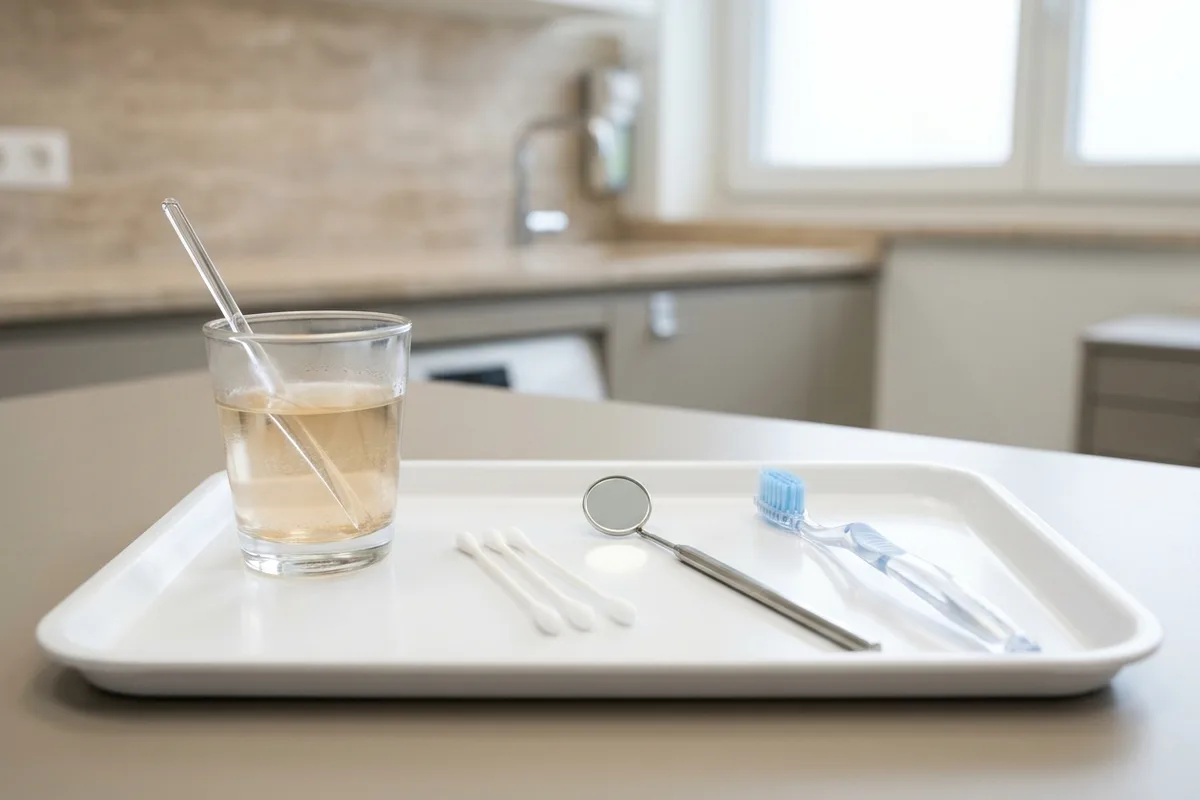
Wondering how to get rid of tonsil stones safely at home? Gentle salt water rinses, soft cotton swabs, and careful oral hygiene can clear trapped debris and ease throat irritation without harming delicate tissues.
What You'll Need for At-Home Removal
Learning how to get rid of tonsil stones begins with gentle, low-risk habits rather than aggressive tools. Tonsil stones (tonsilloliths) form when trapped food particles, dead cells, and oral bacteria harden into mineral deposits of calcium carbonate inside tonsil crevices (tonsillar crypts). Having the right supplies ready ensures you do not irritate the sensitive tissue at the back of your throat.
Gather these safe, basic items before you inspect your mouth:[1][2][4]
- Warm salt water prepared for post-meal gargling
- Clean, sterile cotton swabs to apply light pressure
- Normal saline solution to flush out crevices after removal
- A water flosser on a gentle setting to rinse away loose debris
- A small flashlight and mirror to inspect tonsil crevices clearly
Step by Step: How to Get Rid of Tonsil Stones
Following these gentle steps helps you dislodge visible tonsil debris and wash away lingering bacteria without scratching delicate throat surfaces.[1][2]
Inspect the Tonsil Crevices
Use a mirror and good lighting to examine your tonsils for white or yellowish calcifications tucked in the crevices. Stones range from tiny visible specks to gravel or pea-sized deposits. Avoid poking around in the dark without clear visibility.[1][2][4]
Gargle With Warm Salt Water
Swish and gargle warm salt water vigorously in the back of your mouth after meals. This motion soothes sensitive tissues and loosens small deposits caught inside the crypts. You'll know it's working when loose particles begin washing out into the sink.[2][4]
Moisten a Clean Cotton Swab
Dampen the tip of a sterile cotton swab with plain water or sterile saline. A wet swab glides more smoothly and prevents scratchy friction against fragile tonsil tissue. Avoid using a dry swab that could irritate the surface.[1][2]
Nudge the Stone With Gentle Pressure
Press the damp cotton swab lightly against the tissue fold right beside the visible stone to nudge it forward. Never gouge or scrape deep inside the crevice. Avoid using sharp or hard items like pens or toothpicks because they can injure tonsil tissue.[1][2]
Flush the Crevice With Saline
Rinse the tonsil crevice thoroughly with normal saline or a gentle water flosser once the deposit loosens. Flushing the crypt washes out residual bacteria and relieves post-removal throat irritation. You'll know it's working when your throat feels clean and the sensation of something stuck begins to fade.[1][2]
Brush Your Teeth and Tongue
Finish by brushing your teeth and gently brushing your tongue to disrupt bacterial biofilms that feed stone formation. Regular cleaning lowers oral bacterial loads and minimizes the sulfur gases responsible for bad breath. You'll know it's working when your breath stays fresher throughout the day.[1][2]
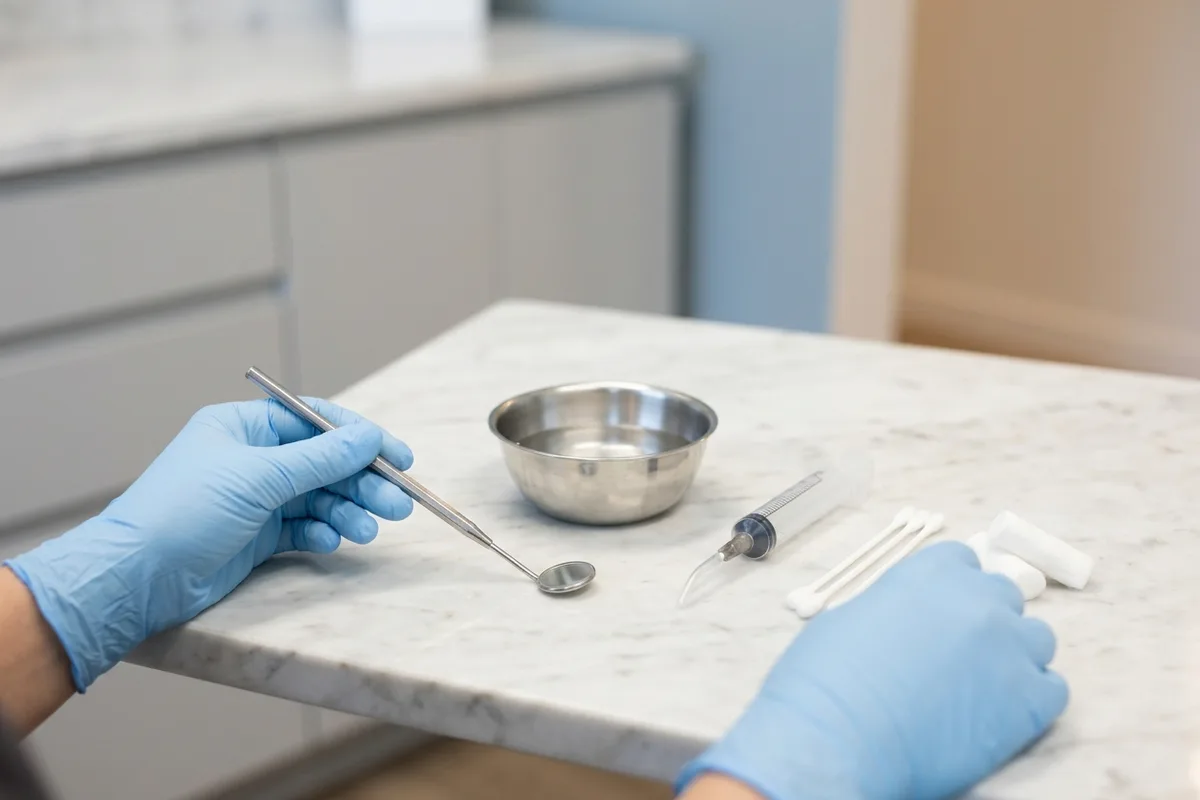
Timeline: Managing Tonsil Stones Over Two Months
Managing tonsil deposits involves immediate home care followed by ongoing oral habits that prevent new calcifications from taking hold inside tonsil folds.[1][2][4]
| When | What to Expect | What to Do |
|---|---|---|
| First hours[1][2][4] | Small deposits loosen or dislodge after rinsing | Gargle warm salt water and nudge visible stones with a moist swab |
| First days[1][2] | Throat tickles and bad breath diminish as bacteria decrease | Rinse after meals, brush teeth and tongue, and floss daily |
| Every two months[1] | Tonsil crevices may remain clear of recurring bacterial biofilms | Receive routine saline flushes and attend professional cleanings |
What's Normal and What's Not
What's Normal
Tonsil stones are common, harmless findings affecting up to 40% of people, and they can form even in individuals with thorough oral hygiene. Most stones measure under 0.5 centimeters and produce no noticeable problems at all. When mild symptoms do occur, expect small visible specks, a mild sore throat, occasional coughing, or noticeable bad breath (halitosis) from bacterial sulfur gases.[1][2][4]
What's Not Normal
Severe throat swelling, recurrent tonsil infections, or a large throat bulge mimicking an abscess are not typical features of routine stones. Doctors may need to prescribe antibiotics or anti-inflammatory medications if tonsils become significantly swollen, inflamed, or infected. Stones that grow too large to pass out on their own require clinical care rather than continued at-home poking.[2][3][4]
When to Call Your Dentist
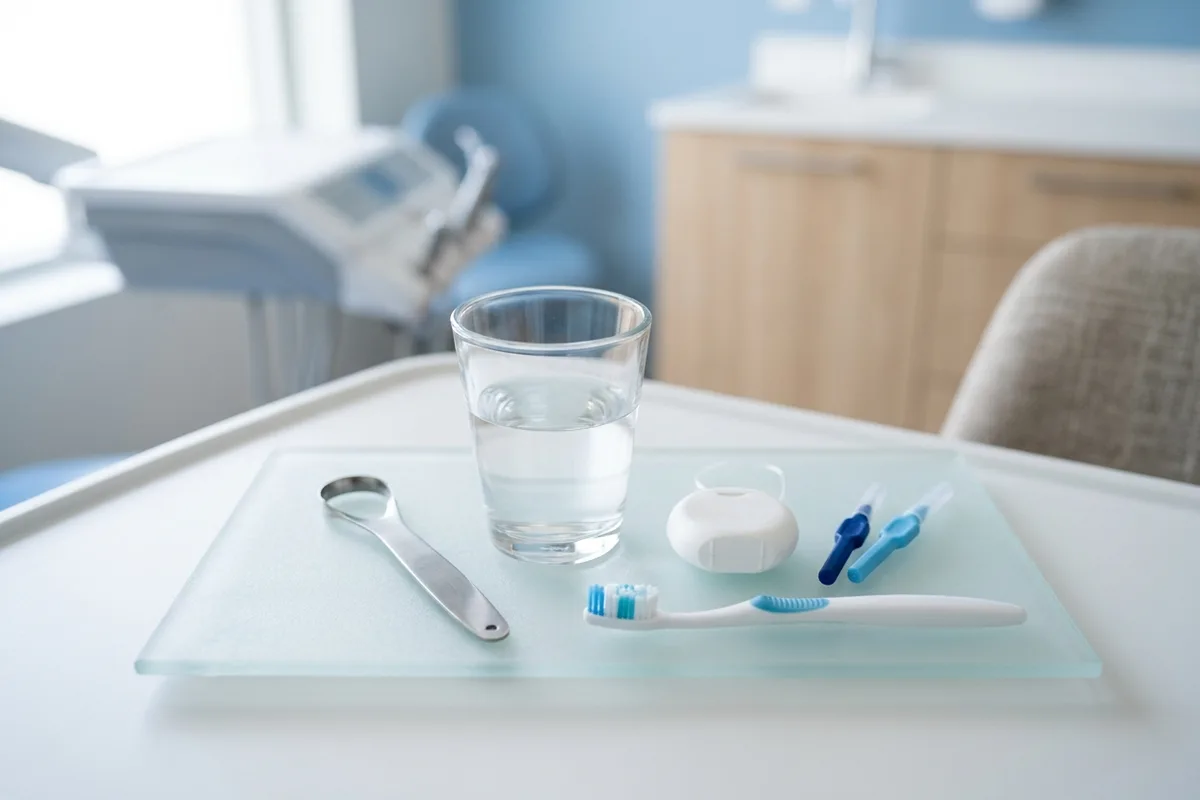
Reach out for professional evaluation if tonsil stones cause ongoing throat discomfort, mild swallowing difficulty (dysphagia), persistent bad breath, or frequent throat infections. Professional cleanings help remove trapped biofilm, and your clinician can confirm whether a stubborn throat deposit is a calcified stone. If conservative rinses fail to bring relief, surgical removal of the stone or complete tonsil removal (tonsillectomy) can resolve chronic problems.
When calling One Ounce Dental in Chino, CA, explain how long you have felt the throat obstruction, mention whether you notice bad breath or swallowing trouble, and describe the gentle home measures you have already tried. At your visit, you can ask Dr. Yiyang Zou about safe management options and long-term prevention strategies.[1][2][3][4]
Your Checklist (Make Sure It's Working)
Review these do and don't items before the end of the first week to make sure you are managing your tonsil stones safely and effectively:[1][2]
- Do gargle with warm salt water after meals to dislodge small debris
- Do use a moistened cotton swab when gently nudging visible stones
- Do brush your teeth and tongue twice a day to reduce bacterial biofilms
- Don't poke your tonsils with hard or sharp objects like toothpicks or pens
- Don't force a stone if it resists light pressure or causes bleeding
- Do maintain routine dental cleanings and good oral hygiene
Habits That Help Long-Term
Preventing recurrent tonsil stones requires steady oral care to keep bacterial biofilms and trapped food from calcifying into rock-like deposits inside tonsil crypts. You are more likely to develop stones if you have naturally deep crevices, smoke, or consume sugary drinks. Adopting consistent daily routines keeps oral tissues healthy and reduces sulfur gas production.[1][2][4]
- Brush your teeth and clean your tongue twice daily to clear bacteria
- Floss daily to remove trapped food before it reaches tonsillar crypts
- Gargle warm salt water after eating to rinse away post-meal debris
- Limit sugary beverages and avoid smoking to protect tonsil health
- Schedule regular professional cleanings
The Bottom Line
Tonsil stones are common, harmless collections of debris and minerals that frequently resolve with simple watchful waiting. Gargling warm salt water after meals and applying light pressure with a wet cotton swab can safely dislodge troublesome deposits at home. If stones grow too large or continue to cause swallowing discomfort, professional care provides lasting relief.[1][2][3][4]
Sources
- Tonsillolith: A polymicrobial biofilm — pmc.ncbi.nlm.nih.gov
- Ever hear of tonsil stones? — health.harvard.edu
- Tonsillitis and Tonsilloliths: Diagnosis and Management — pubmed.ncbi.nlm.nih.gov
- World's Largest Tonsillolith Removal: A Case Report With Literature Review of Large Tonsil Stones on Record — pmc.ncbi.nlm.nih.gov
Common questions
Frequently asked questions
Questions about your own smile?
If tonsil stones cause ongoing throat discomfort or persistent bad breath, request an appointment at One Ounce Dental. Talk through your questions and care options with Dr. Yiyang Zou.
More Articles
View all Dental care
Is Hydrogen Peroxide Mouthwash Safe? Benefits, Risks, and Safe Use
Hydrogen peroxide mouthwash is generally safe for short-term oral wound cleansing or mild stain reduction when properly diluted, but it should not be swallowed or used long term without professional guidance.October 26, 2026 · 7 min read Dental care
Is It a Dental Emergency? A Quick Check
Use this quick check to review your dental emergency signs, decide whether to seek hospital care, call for same-day emergency care, or book a routine visit, and learn what to do right now.October 22, 2026 · 6 min read Dental care