

Is Hydrogen Peroxide Mouthwash Safe? Benefits, Risks, and Safe Use
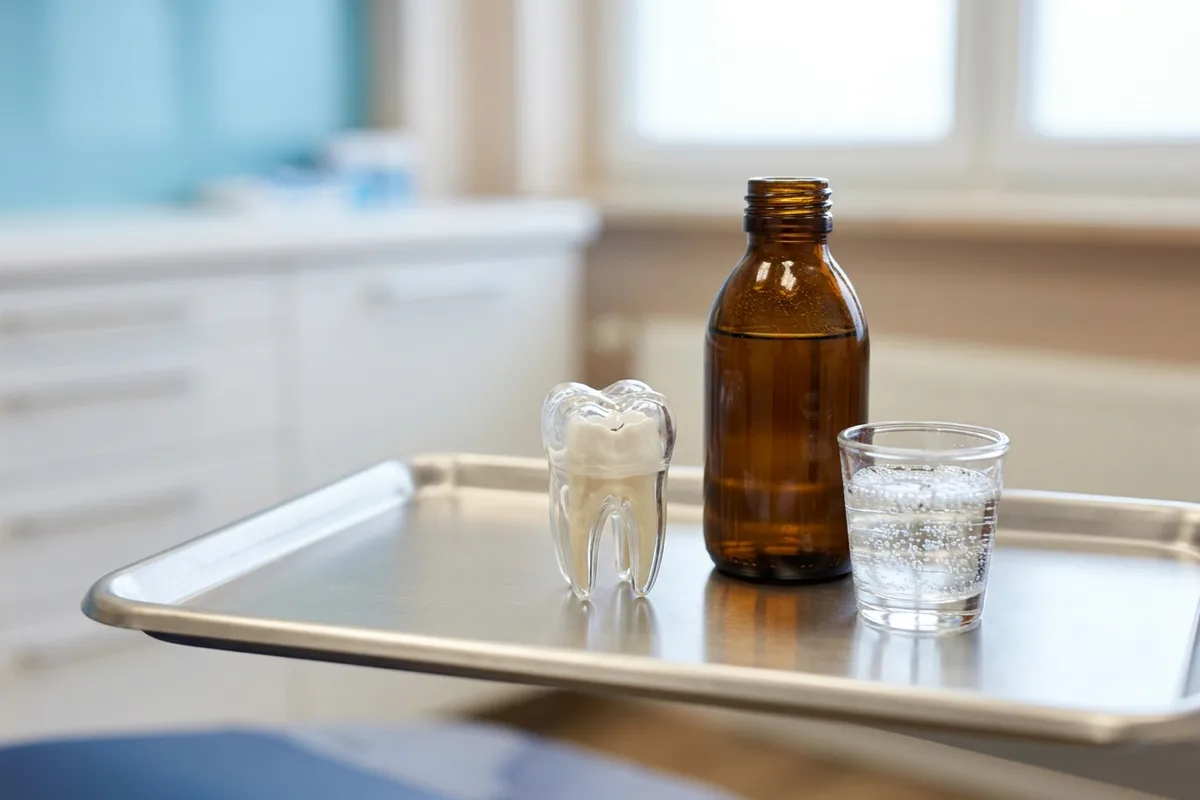
Hydrogen peroxide mouthwash is generally safe for short-term oral wound cleansing or mild stain reduction when properly diluted, but it should not be swallowed or used long term without professional guidance.
What Is Hydrogen Peroxide Mouthwash? (Quick Definition)
Hydrogen peroxide mouthwash is an oral rinse that uses a diluted peroxide solution to clean the mouth. Many patients ask, is hydrogen peroxide mouthwash safe to use when their gums feel tender or irritated. The solution helps loosen trapped debris and mucus. This cleans minor irritations so your mouth can heal more comfortably.[2][4]
How Hydrogen Peroxide Cleans the Mouth
Hydrogen peroxide serves as an active wound-cleansing agent that breaks down secretions in the mouth. When you swish the liquid, it helps remove phlegm, mucus, and oral debris caused by minor sores. This action can relieve temporary soreness from dental procedures, braces, or canker sores.[2][4]
Common Uses and Stain Reduction
Beyond cleansing minor sores, people often turn to over-the-counter whitening rinses that contain 1.5 to 2 percent hydrogen peroxide. These formulations help reduce surface stains on your teeth over time. In fact, research shows that beneficial oral health effects generally appear when peroxide concentrations stay above 1 percent.[1][3]
Key Safety Factors and Guidelines
Age Guidelines and Supervision
Age plays a critical role in choosing whether to use an oral rinse safely. Children younger than six years should not use mouthwash unless their dentist specifically directs it, because young children have immature swallowing reflexes and may swallow large amounts. For children between six and twelve years of age, an adult should always supervise the rinsing process. If a child is under two years old, always consult a doctor or dentist first.[1][2][4]
Safe Concentration Levels
Concentration is another key factor for oral safety. Over-the-counter dental products rely on low concentrations. Animal research shows that hydrogen peroxide at 3 percent or lower produces no cancer-promoting activity or harmful tissue changes during prolonged oral exposure. Daily use at or below this level for up to six years has shown only occasional, mild irritation in people with existing ulcers. However, high-strength bleaching products can cause localized tissue damage if you mishandle them.[3]
When to Seek Professional Evaluation
Over-the-counter hydrogen peroxide rinses are designed only for short-term use. You should not use these rinses for more than seven consecutive days unless your dentist or doctor advises you to do so. Most minor mouth sores heal on their own within 10 to 14 days, though some sores may take up to six weeks to resolve completely.
Stop using the rinse and consult your dentist or medical provider promptly if your mouth sore symptoms do not improve after seven days, or if your pain and redness worsen. You should also seek evaluation if a sore lasts longer than two weeks, begins shortly after you start a new medication, or occurs alongside a weakened immune system.[2][4][5]
How Your Dentist Assesses Your Mouth
During a dental visit, your dentist examines the soft tissues of your mouth to find the root cause of any persistent irritation. If you have been dealing with swollen gums, cheek bites, or reoccurring sores, your dentist checks the size, color, and location of the lesions. This careful inspection helps rule out underlying dental infections, ill-fitting appliances, or systemic health concerns that require specialized care.
Because hydrogen peroxide can reduce bacterial film and gum inflammation, your dentist can guide you on the safest way to support tissue healing. If home rinsing is not resolving your discomfort, your provider can recommend targeted therapies or prescription options tailored to your needs.[3]
At-Home Care Options and Alternatives
Soothing Canker Sores
If you prefer not to rinse your entire mouth, you can treat individual canker sores directly at home. Mixing equal parts hydrogen peroxide and water allows you to dab the solution onto specific sores using a cotton swab. Alternatively, you can apply a gentle paste made from baking soda and water, or use over-the-counter protective ointments to shield the sore while it heals.[5]
Whitening Rinses Versus Gels
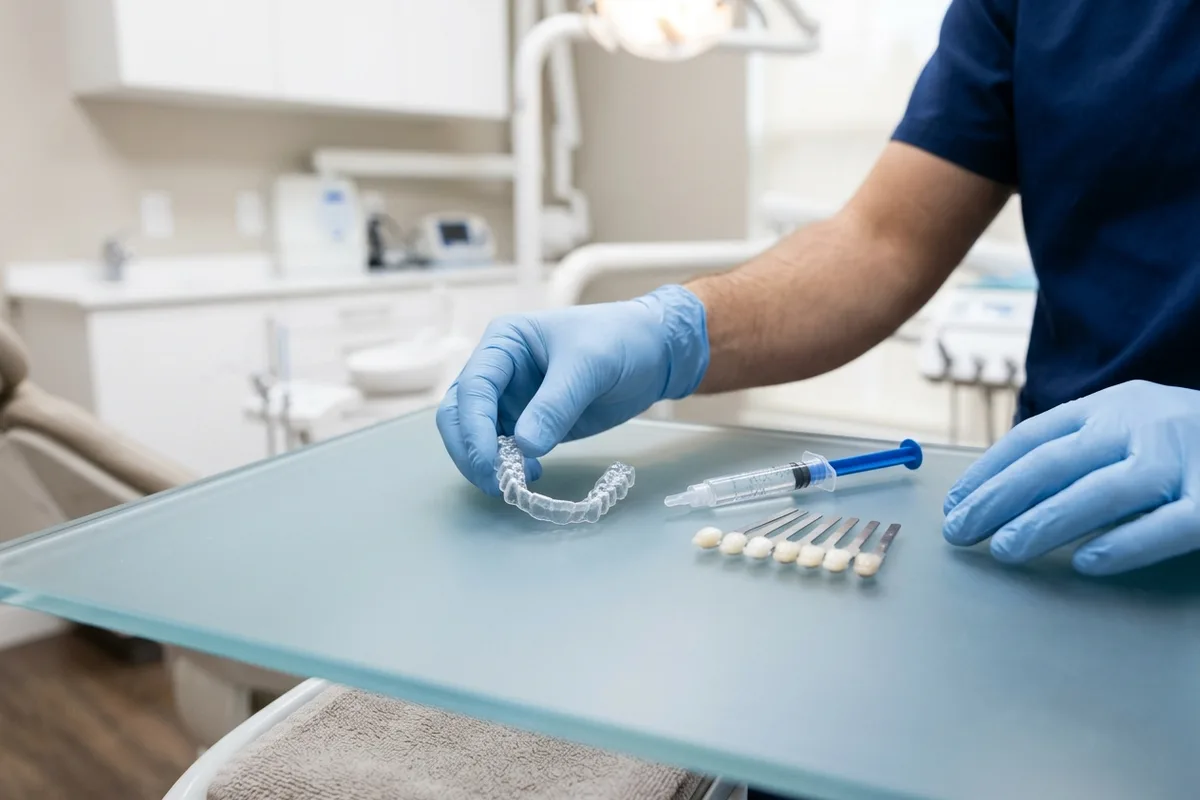
For patients focused on brightening their smile, hydrogen peroxide rinses offer a mild alternative to stronger bleaching treatments. In one clinical study, people using a 1.5 percent peroxide rinse were eight times more likely to notice whiter teeth than those using a placebo. Using a peroxide rinse for 12 weeks achieved color improvement comparable to two weeks of using a 10 percent carbamide peroxide gel.[1]
How to Use Hydrogen Peroxide Rinse Safely
Dilution and Preparation Steps
Proper preparation ensures that hydrogen peroxide is gentle on delicate oral tissues. If you use a standard 3 percent brown-bottle solution from the pharmacy, always dilute it before it enters your mouth. Individuals aged two and older should mix the 3 percent solution with an equal amount of warm water, creating a 1.5 percent rinse.[2]
Rinsing Technique and Daily Frequency
To rinse, take two teaspoons of the diluted liquid and swish it around your mouth over the irritated area for at least one full minute. Once the minute is up, spit the liquid out completely. You can repeat this routine up to four times each day after meals and at bedtime, or as directed by your dentist. Remember to never swallow the liquid, and keep the bottle stored safely away from children.[2][4]
Long-Term Oral Health and Maintenance
Gum Healing and Plaque Control
When used appropriately, hydrogen peroxide supports oral recovery through its germ-killing properties. Clinical studies show that applying peroxide locally helps enhance tissue healing after gum surgery. Furthermore, long-term clinical use has been shown to reduce dental bacterial film and lower gum inflammation scores, helping tissues stay healthy.[3]
Selecting Reliable Dental Products
If you want to maintain a healthy smile without mixing solutions at home, look for pre-mixed commercial mouthrinses. Consumers should check for the American Dental Association Seal of Acceptance on product packaging. This seal confirms that an independent panel of experts has objectively evaluated the product to verify that it is both safe and effective for your oral care routine.[1]
Risks to Avoid and Next Steps
While low-strength peroxide is generally well tolerated, swallowing significant amounts of mouthwash carries health risks. Inadvertently swallowing large volumes can cause nausea, vomiting, or intoxication if the rinse contains alcohol. For this reason, you must always spit the rinse out thoroughly and never swallow it.
High peroxide levels can also cause localized mouth tissue damage if exposure is sustained or if products are mishandled. If you have questions about whether hydrogen peroxide mouthwash is right for your smile, your dentist can provide tailored recommendations. At One Ounce Dental in Chino, CA, you can discuss your oral hygiene routine and any persistent mouth sores with Dr. Yiyang Zou to keep your teeth and gums comfortable.[1][3][4]
Sources
- Mouthrinse (Mouthwash) — American Dental Association
- Over-the-Counter (OTC) Monograph M022: Oral Healthcare Drug Products for Over-the-Counter Human Use — accessdata.fda.gov
- Hydrogen peroxide: a review of its use in dentistry — pubmed.ncbi.nlm.nih.gov
- SORE MOUTH CLEANSER- hydrogen peroxide mouthwash — dailymed.nlm.nih.gov
- Mouth sores — medlineplus.gov
Common questions
Frequently asked questions
Questions about your own smile?
If you have questions about caring for mouth sores or choosing the right oral rinse, contact One Ounce Dental at 909.283.3130 to request an appointment and discuss your oral health goals.
More Articles
View all Dental care
Is It a Dental Emergency? A Quick Check
Use this quick check to review your dental emergency signs, decide whether to seek hospital care, call for same-day emergency care, or book a routine visit, and learn what to do right now.October 22, 2026 · 6 min read Dental care
Why My Gums Bleed When I Brush: 5 Common Causes
Noticeable bleeding during your daily oral hygiene routine often signals gingivitis, accumulated calculus, or advancing gum disease. Recognizing these underlying causes helps you protect your oral health and seek timely professional dental care.October 21, 2026 · 5 min read Cosmetic Dentistry