

Most Effective Teeth Whitening Options: A Patient Guide to Professional Teeth Whitening
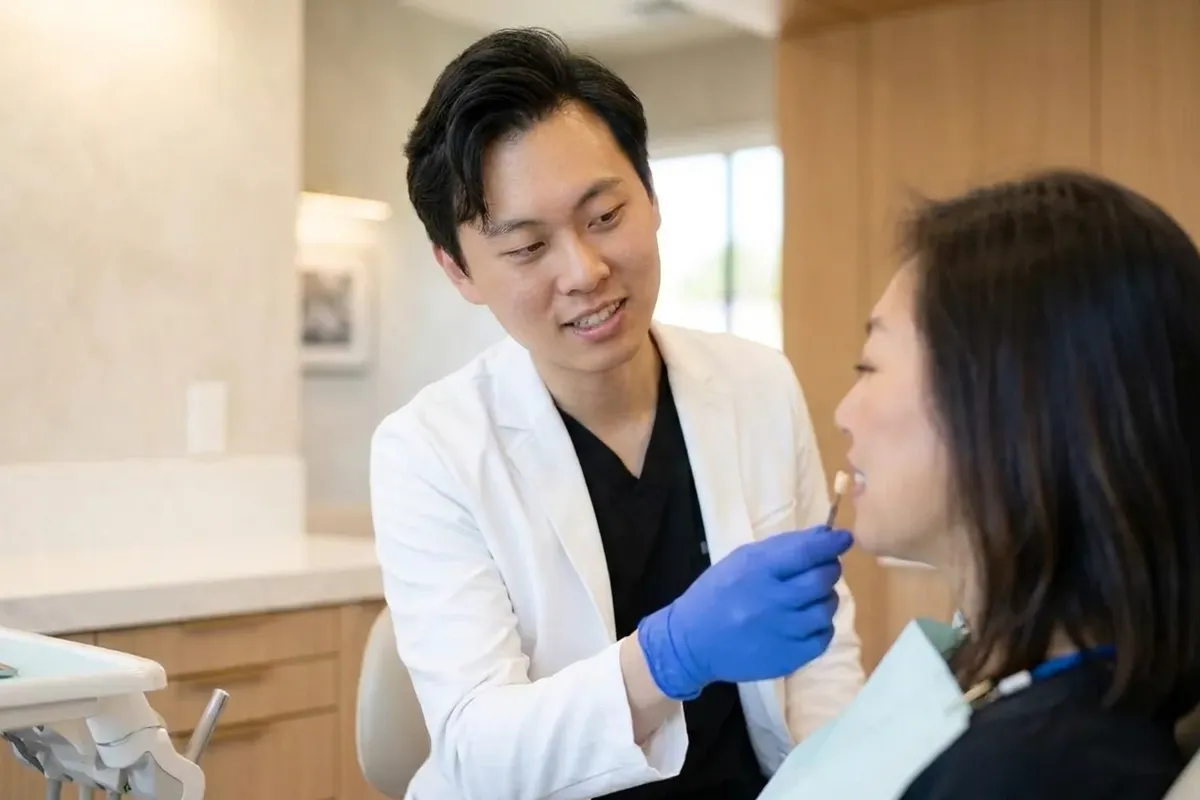
When exploring the most effective teeth whitening options, understanding the differences between professional treatments and over-the-counter products is essential. A dentist can help you choose a safe, evidence-based method tailored to your specific type of tooth discoloration.
Understanding Teeth Whitening Effectiveness
Evaluating the most effective teeth whitening options requires understanding how different products interact with tooth enamel. Professional teeth whitening services offer higher concentrations of active ingredients than over-the-counter alternatives, providing more substantial and predictable improvements for discolored teeth.[1][2]
How Whitening Agents Work
Whitening treatments primarily rely on hydrogen peroxide or carbamide peroxide to lighten teeth. These active bleaching agents penetrate the porous enamel to break down the complex molecules that cause stains. By altering these chemical bonds, the peroxide effectively reduces the visible discoloration and brightens the overall appearance of the smile.[1][2][3]
The Role of Professional Treatments
Professional teeth whitening stands out because it is administered or prescribed under strict dental supervision. This oversight ensures that the bleaching agents are applied safely and effectively. Dentists can customize the concentration and delivery method to maximize stain removal while minimizing potential irritation to the surrounding gum tissues.[1][3]
Factors Influencing Whitening Results
The success of any whitening treatment depends heavily on the underlying cause of the discoloration and the current state of your dental health. Identifying these factors helps determine which whitening method will produce the most reliable and aesthetically pleasing outcome.[1][2]
Types of Tooth Discoloration
Tooth stains are generally classified as either extrinsic or intrinsic. Extrinsic stains occur on the surface due to tobacco, coffee, or poor oral hygiene. Intrinsic stains develop inside the tooth from aging, trauma, or certain medications like tetracycline. Professional whitening is highly effective for extrinsic stains but may require specialized approaches for intrinsic discoloration.[1][2][3]
Existing Dental Restorations
A critical consideration before starting treatment is the presence of dental restorations. Materials used in crowns, veneers, and tooth-colored fillings do not respond to peroxide bleaching agents. Whitening natural teeth around these existing restorations can result in an uneven, mismatched smile, requiring careful planning with your dental provider.[1][2]
When to Consider Whitening
Deciding to pursue professional teeth whitening often begins when you notice a dull or yellowed appearance in your smile. Recognizing the signs of surface staining or internal discoloration is the first step toward exploring your available cosmetic treatment options.[1][2]
Identifying Stains and Discoloration
You might consider professional whitening if daily brushing no longer removes yellow or brown tints from your teeth. These changes often become more apparent over time due to dietary habits or natural aging. Seeking an evaluation is recommended when over-the-counter products fail to deliver the desired level of brightness for your smile.[1][2]
The Dental Assessment Process
A comprehensive dental examination is essential before beginning any whitening regimen. This professional evaluation allows the dentist to identify the specific type of discoloration and confirm that your teeth and gums are healthy enough to undergo a bleaching procedure.[1][2]
Ensuring Oral Health Before Treatment
During the assessment, your dentist will check for untreated tooth decay, exposed roots, and active periodontal disease. Applying whitening agents to compromised teeth can cause severe pain and further damage. Resolving these underlying oral health issues is a mandatory step to ensure that the subsequent whitening process is both safe and comfortable.[1][2]
Comparing the Most Effective Teeth Whitening Options
When comparing whitening methods, professional treatments consistently outperform over-the-counter strips and gels. While drugstore products can help with mild surface stains, dentist-supervised options utilize stronger, evidence-based formulations designed to achieve significant lightening safely and efficiently.[1][2]
In-Office Professional Whitening
In-office whitening is considered highly effective for rapid, dramatic results. This method utilizes high-concentration gels containing 25 to 40 percent hydrogen peroxide. Because the solution is so strong, the dentist carefully isolates the gums to protect them, sometimes using specialized lights or heat to accelerate the chemical breakdown of deep stains.[1][2][3]
Dentist-Dispensed Take-Home Kits
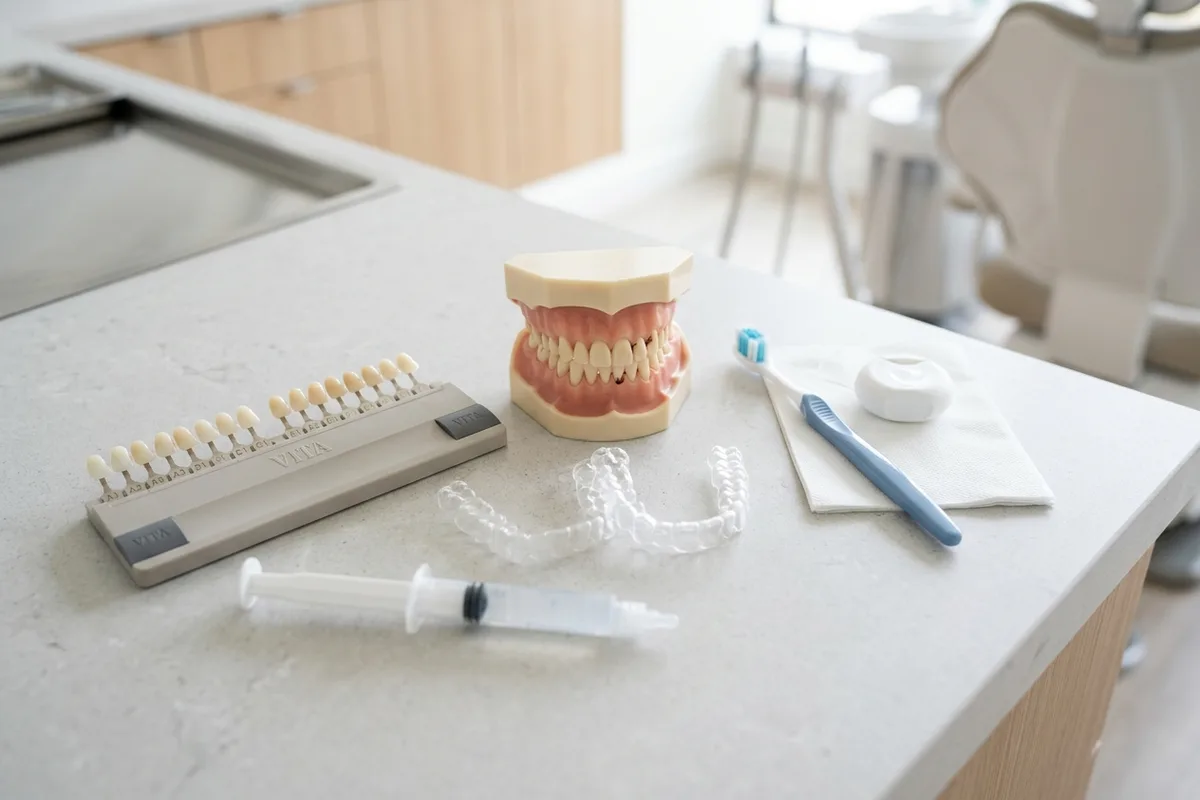
Take-home kits provided by a dentist offer a gradual but highly effective alternative. These kits include custom-fitted trays and professional-grade gel, typically containing 10 to 22 percent carbamide peroxide. The custom trays ensure the gel remains in direct contact with the teeth while keeping it away from the sensitive gum tissue.[1][2][3]

The Professional Whitening Procedure
The process for professional teeth whitening varies depending on whether you choose an in-office treatment or a take-home kit. Both approaches follow a specific sequence of steps designed to maximize the effectiveness of the peroxide gel while protecting your oral health.[1][3]
In-Office Treatment Steps
An in-office procedure begins with the dentist applying a protective barrier or rubber shield to your gums. Next, the high-concentration hydrogen peroxide gel is carefully painted onto the teeth. The gel is typically left on for several intervals, often enhanced by a specialized light, before being rinsed away to reveal a brighter smile.[1][2][3]
Using Custom Take-Home Trays
For take-home treatments, the dentist first takes impressions of your teeth to fabricate precise, custom-fitted trays. You will receive instructions on how to apply the carbamide peroxide gel into the trays at home. Patients generally wear these trays for a specified amount of time daily over a period of a few weeks.[1][2][3]
Maintaining Your Whitening Results
Teeth whitening is not a permanent solution, and the longevity of your results depends heavily on your daily habits. Proper aftercare and maintenance are necessary to prolong the brightness of your smile and manage any temporary side effects from the treatment.[1][2]
Managing Temporary Side Effects
It is common to experience temporary tooth sensitivity and mild gum irritation during or immediately after whitening treatments. These symptoms usually subside within a few days. Your dentist may recommend using a desensitizing toothpaste or adjusting the frequency of your take-home treatments to help manage any discomfort while achieving your desired shade.[1][2][3]
Preventing Future Stains
To extend the lifespan of your professional whitening results, it is important to minimize exposure to substances that cause discoloration. Maintaining excellent oral hygiene and making mindful dietary choices will help keep your newly brightened smile looking its best for as long as possible.[1][2]
- Limit consumption of highly chromogenic beverages like coffee and tea.
- Avoid using all forms of tobacco products.
- Brush and floss daily to remove plaque and surface debris.
Limitations and Safety Considerations
While professional whitening is generally safe, it is important to understand its limitations and potential risks. Not all discoloration responds equally to bleaching, and improper use of high-concentration gels can lead to adverse oral health complications if unsupervised.[1][2]
Planning Your Whitening Journey
Before starting any whitening regimen, scheduling a consultation with your dentist is the best way to reduce risks. They will help you set realistic expectations based on your specific type of staining and ensure your teeth are healthy enough for treatment, guiding you toward the safest and most effective option.[1][2]
Sources
- Whitening - American Dental Association — American Dental Association
- Tooth Whitening: What We Now Know — pmc.ncbi.nlm.nih.gov
- Tooth Whitening Procedures: A Narrative Review — pmc.ncbi.nlm.nih.gov
Common questions
Frequently asked questions
Talk with One Ounce Dental about your next step
Ready to achieve a brighter smile? Book an appointment at One Ounce Dental today. Our team can evaluate your oral health and help you choose the most effective professional teeth whitening option for your unique needs.
More Articles
View all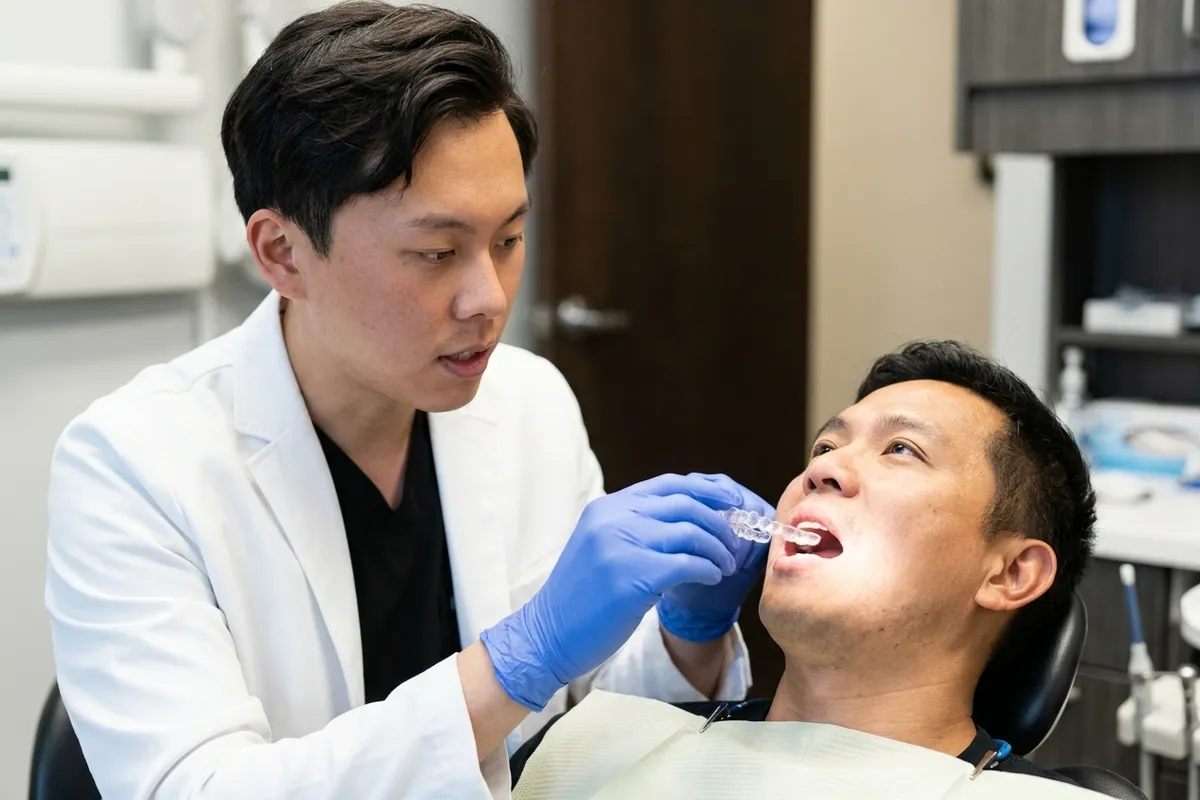 Dental care
How to Straighten Teeth Without Braces (Step-by-Step)
Wondering how to straighten teeth without braces? Custom clear trays can gently shift your smile into place when you follow key daily steps, wear them enough hours, and keep your teeth clean.October 16, 2026 · 6 min read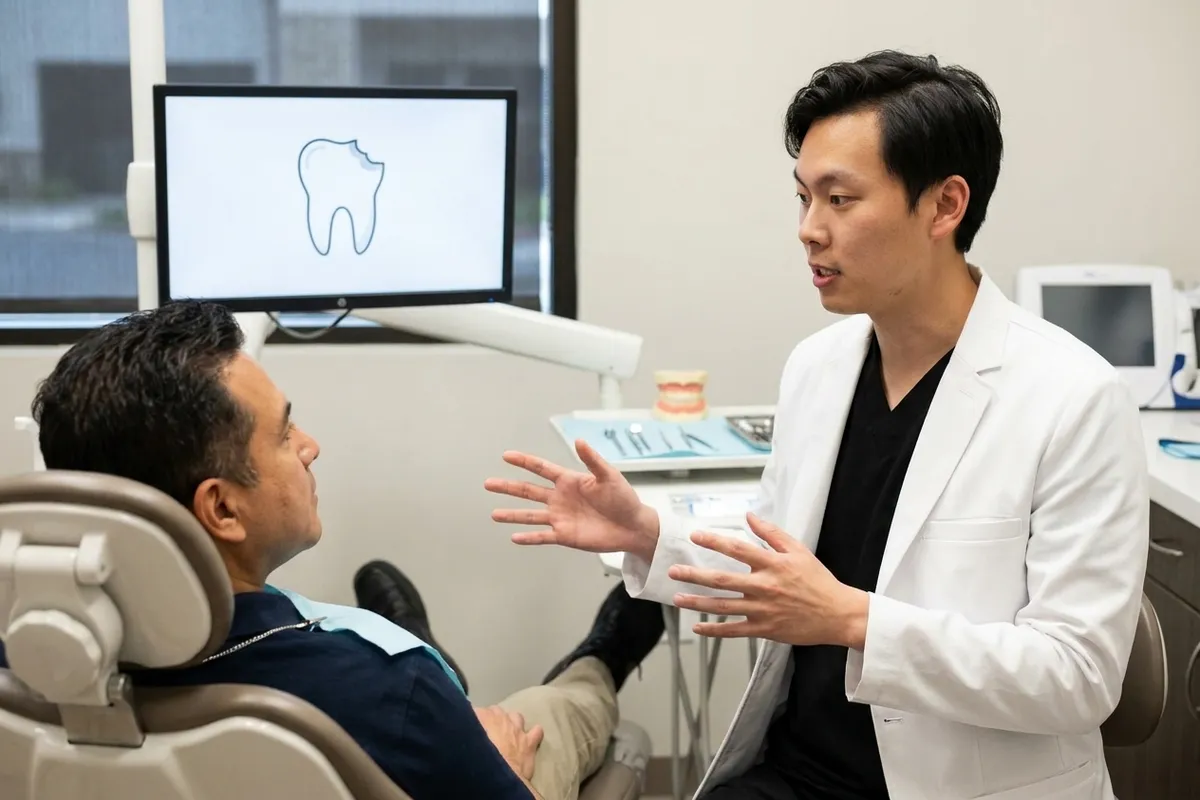 Preventive & General
Enamel Erosion Symptoms: A Patient Guide to Dental Cleaning and Exams
Enamel erosion involves the chemical loss of tooth structure from acids. Understanding the early signs and risk factors can help you discuss prevention strategies during your regular dental cleaning and exams.October 15, 2026 · 6 min read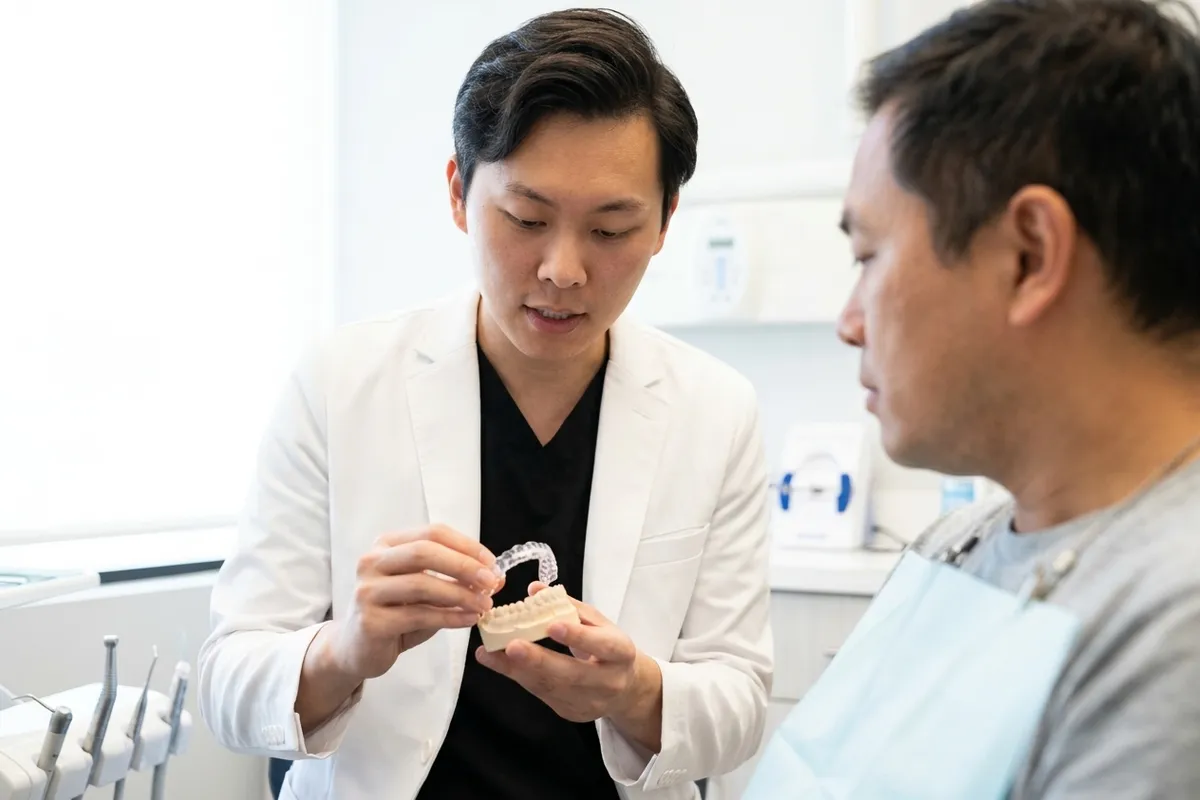 Preventive & General