

Enamel Erosion Symptoms: A Patient Guide to Dental Cleaning and Exams
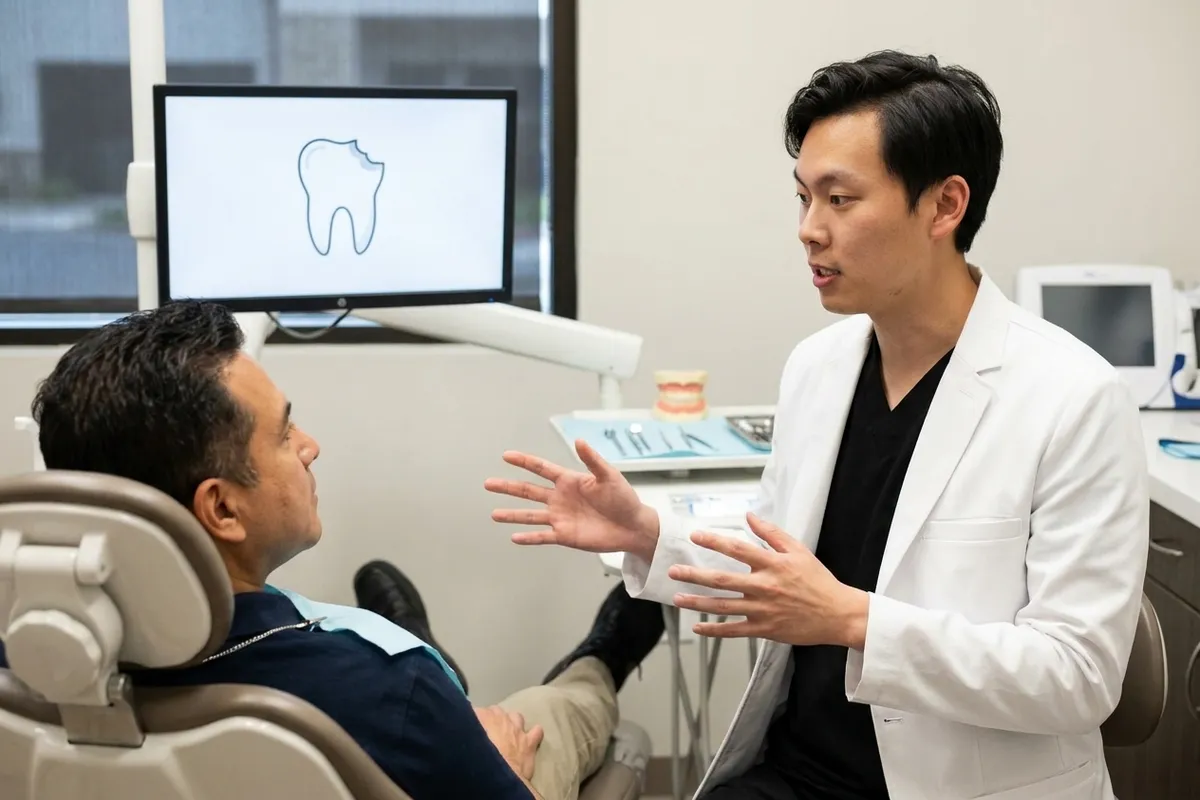
Enamel erosion involves the chemical loss of tooth structure from acids. Understanding the early signs and risk factors can help you discuss prevention strategies during your regular dental cleaning and exams.
Understanding Enamel Erosion
Enamel erosion is the chemical loss of mineralized tooth substance caused by acids that do not come from oral bacteria. Regular dental cleaning and exams provide an opportunity for a dentist to evaluate your teeth for signs of this condition.[1]
The Process of Acid Wear
When teeth are exposed to acids from diet or medical conditions, the surface can soften before any progressive loss of volume occurs. This chemical process differs from cavities, which are caused by acids produced when plaque bacteria consume dietary sugar. Understanding this difference helps in recognizing the specific risks.[1][3]
The Role of Routine Exams
Because early diagnosis can be difficult without clear symptoms, a dental examination serves as a key setting for identifying surface changes. A dentist evaluates the physical appearance of the teeth while reviewing your history to spot potential risk factors before progressive or irreversible tissue loss happens.[1]
Common Causes and Risk Factors
Identifying the sources of acid exposure helps determine your risk for erosive wear. A dentist will typically review both your dietary habits and medical background during an exam to understand what might be affecting your teeth.[1]
Dietary Acid Sources
Frequent consumption of acidic beverages and foods, such as citrus, can wear down enamel over time. The way you consume these drinks also matters; swishing, holding, or straining acidic liquids between the teeth increases the exposure time and the potential for chemical loss of tooth substance.[1][3]
Medical Conditions
Acids can also originate from within the body rather than your diet. A medical history review may identify conditions like acid reflux or recurrent vomiting, which introduce strong stomach acids into the mouth and contribute to the ongoing chemical loss of mineralized tooth structure.[1]
Recognizing the Signs of Erosion
Enamel erosion symptoms do not always start with pain, and early stages may not be obvious. Knowing what physical changes to look for can prompt a timely discussion with a dental professional during your next routine visit.[1]
Visual and Physical Changes
Clinical signs include a loss of enamel texture, giving teeth a glossy or melted appearance. As the condition progresses, you may notice shallow defects, cupping, or the flattening of chewing surfaces. Severe erosive activity can eventually expose the underlying dentin, which can cause hypersensitivity.[1]
How Dentists Evaluate Acid Wear
A professional evaluation combines your personal history with a careful visual inspection. This approach allows the dentist to assess the extent of mineral loss and identify contributing factors that you might not have noticed on your own.[1]
Comprehensive Clinical Assessment
During an exam, the dentist looks for specific patterns of wear, such as smoothing or shallow defects on the tooth surfaces. Saliva flow also matters, as saliva plays a role in buffering acids and supporting remineralization when the pH returns toward a neutral state.[1][2]
Management and Prevention Strategies
Managing enamel erosion focuses primarily on preventing further acid exposure and reducing the impact of your individual risk factors. Your dentist can discuss various preventive strategies tailored to your specific dietary habits and medical history during a consultation.[1]
Adjusting Dietary Habits
Reducing the frequency of acidic beverages and between-meal acid exposures is a primary focus. Drinking water or rinsing after consuming acidic foods helps wash away acids. Using a straw placed behind the front teeth minimizes bathing those teeth in acid, though it does not bypass all teeth.[1][3]
- Limit between-meal snacks and acidic drinks.
- Rinse with water after consuming acidic foods or vomiting.
- Avoid swishing or holding acidic drinks in the mouth.
- Use a soft-bristled brush for daily hygiene.
Restorative Options
When erosion progresses to the point of irreversible tissue loss, prevention alone may not be enough. In cases of severe erosive activity or significant mechanical wear, a dentist may recommend restorative management to rebuild the affected tooth structure and protect the remaining vulnerable tissue.[1][2]

The Examination Process
A dental visit for evaluating erosion involves specific steps to gather information about your overall oral health. The evaluation process integrates a comprehensive discussion of your daily habits with a detailed physical check of your teeth.[1]
Medical and Dietary History
A review of your medical history can help identify conditions like reflux. The dental team will also ask about your diet, specifically the frequency of acidic beverage consumption, to pinpoint potential sources of acid exposure that could be affecting your enamel.[1]
Clinical Inspection
The evaluation includes a comprehensive clinical examination. They inspect the chewing surfaces for flattening, check for a glossy appearance, and evaluate any shallow defects to determine if the enamel has been compromised by the chemical loss of mineralized tooth substance.[1]
Supporting Tooth Health Over Time
While missing enamel does not regrow, partial mineral loss may be remineralized if the tissue structure remains intact. Long-term care focuses on supporting this natural repair process, maintaining good oral hygiene habits, and minimizing future acid exposures.[2]
The Role of Saliva
Saliva is a natural defense mechanism that supplies calcium and phosphate to the teeth. It buffers and removes acid, helping to wash away food and support remineralization. Reduced saliva flow can weaken this protection, making hydration and regular water intake important for maintaining a healthy mouth.[1][2][3]
Fluoride and Brushing
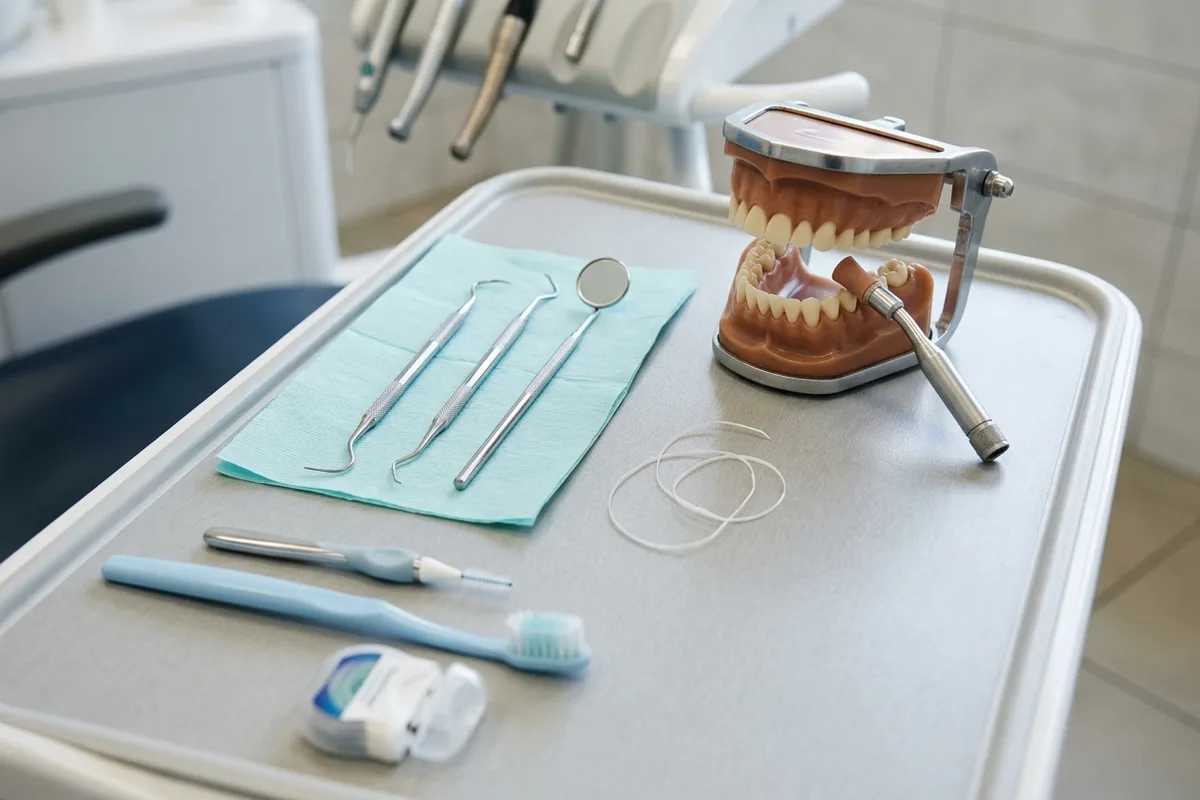
Brushing twice daily with a soft-bristled brush and fluoride toothpaste is recommended. Fluoride strengthens enamel against cavities and may aid remineralization of early acid damage. However, fluoride's preventive effects against erosion vary by compound, and it does not provide complete protection against erosive wear.[1][3][4]
Limitations and Vulnerabilities
Understanding the permanent nature of advanced erosion is important for your long-term dental health. Once enamel is lost, it cannot regenerate, making early intervention, risk reduction, and consistent preventive care the main priorities for protecting your smile.[1][2]
Mechanical Wear and Irreversible Loss
Acid-softened teeth are more susceptible to mechanical wear, chipping, or cracking if damaged. Because enamel does not have regenerative capacity, progressive erosion can cause irreversible tissue loss. Discussing your risks during a dental exam can help you establish a plan to reduce harmful acid exposures.[1][2]
Sources
- Dental Erosion — American Dental Association
- Demineralization–remineralization dynamics in teeth and bone — pmc.ncbi.nlm.nih.gov
- Diet and Dental Health — American Dental Association
- Fluoride — American Dental Association
Common questions
Frequently asked questions
Talk with One Ounce Dental about your next step
If you have concerns about enamel erosion symptoms or want to discuss your risk factors, book an appointment at One Ounce Dental. Our team can evaluate your smile during your next dental cleaning and exam.
More Articles
View all Preventive & General
Retainer After Braces: A Patient Guide to Orthodontics
Following your orthodontic treatment, a retainer helps stabilize your bite and maintain your new smile. Understanding how to wear, clean, and store your retainer can help your teeth remain in their new positions over time.October 14, 2026 · 5 min read Dental care
Partial Dentures: Restoring Chewing, Speech, and Smile Appearance
Learn how removable partial dentures restore dental function and appearance, explore clasp and attachment styles, and review proper daily hygiene techniques to maintain long-term oral health and comfort.October 13, 2026 · 6 min read Preventive & General