

How To Protect Tooth Enamel: A Patient Guide to Fluoride Treatment
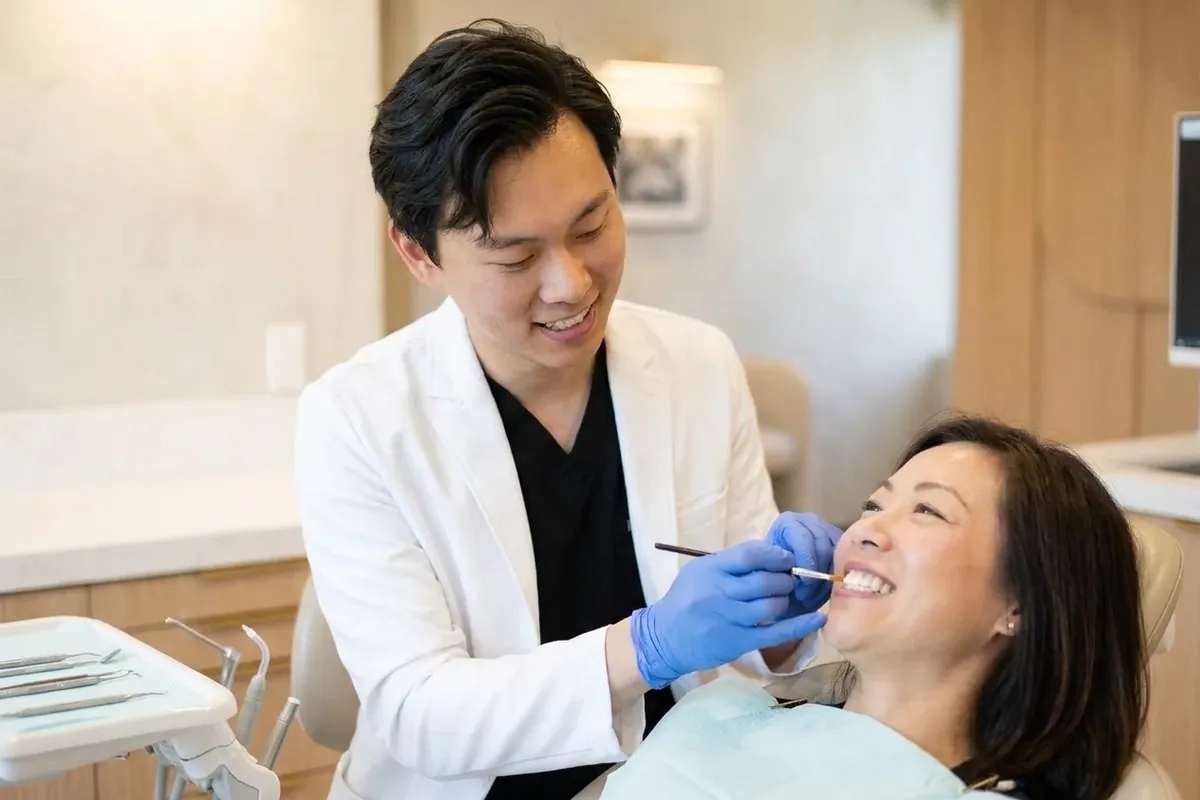
Protecting your tooth enamel involves minimizing acid exposure and strengthening the outer layer of your teeth. Professional fluoride treatments can help remineralize weakened areas, reducing your risk of sensitivity.
Understanding Tooth Enamel and Fluoride
Tooth enamel is the hard, protective outer layer of your teeth that defends against daily wear and decay. Understanding how to protect tooth enamel involves recognizing how acids weaken this layer and how fluoride treatments actively rebuild it.[1][3][4]
The Role of Enamel
Enamel serves as the primary shield for the sensitive inner layers of your teeth. When this outer surface remains strong, it effectively blocks bacteria and temperature changes from reaching the underlying dentin, keeping your smile comfortable and resilient.[4]
How Fluoride Strengthens Teeth
Fluoride is a naturally occurring mineral that integrates into the enamel structure, making it more resistant to acid attacks. Clinical fluoride treatments deliver a highly concentrated dose that actively remineralizes areas where the enamel has started to weaken or wear away.[1][2]
Common Causes of Enamel Erosion
Enamel can wear away due to a combination of dietary habits, medical conditions, and mechanical forces. Identifying these risk factors is an important step in preventing long-term damage and preserving the structural integrity of your teeth.[3][4]
Dietary and Bacterial Acids
Frequent consumption of citrus fruits, sodas, and sports drinks introduces dietary acids that directly erode enamel. Additionally, plaque bacteria naturally present in the mouth break down sugars from your diet, producing harmful acids that demineralize the tooth surface over time.[3][4]
Physical Wear and Medical Conditions
Mechanical wear from aggressive tooth brushing or chronic teeth grinding can physically strip away enamel. Medical conditions like acid reflux, frequent vomiting, and dry mouth also significantly increase the risk of erosion by exposing teeth to stomach acids or reducing protective saliva flow.[3][4]
Recognizing Enamel Loss
As enamel thins, the underlying dentin becomes exposed, leading to noticeable changes in your mouth. Early recognition of these symptoms allows for timely intervention, such as professional fluoride application, before the damage progresses to severe decay.[3][4]
Symptoms of Thinning Enamel
You may experience increased sensitivity to hot, cold, or sweet foods as the protective layer diminishes. Other common signs include a yellowish discoloration, rounded or transparent tooth edges, and visible indentations on the chewing surfaces of your teeth.[3][4]
Dental Assessment for Enamel Health
A dental professional can evaluate the thickness and condition of your enamel during a routine examination. This assessment helps determine if you would benefit from targeted interventions to halt erosion and restore mineral content.[1][3]
Evaluating Erosion and Sensitivity
During your visit, the dentist will look for signs of wear, cupping, or discoloration that indicate enamel loss. They will also review your dietary habits and medical history to identify the root causes of erosion and recommend appropriate protective measures.[3][4]
Protective Treatments and Interventions
Depending on the cause and severity of your enamel loss, a dentist may suggest various clinical approaches. These options aim to neutralize acids, reduce mechanical wear, and provide robust remineralization to safeguard your smile.[1][3]
Professional Fluoride Applications
Clinical fluoride treatments are a primary defense against enamel erosion. These professional-grade varnishes, gels, or foams offer a much higher concentration of fluoride than over-the-counter products, effectively hardening the enamel and making it more resilient to future acid exposure.[1][2]
Addressing Mechanical and Medical Factors
If teeth grinding is contributing to enamel loss, a dentist may recommend a custom mouthguard to protect your teeth while you sleep. They can also provide strategies to manage dry mouth, ensuring you have adequate saliva flow to naturally wash away acids.[3][4]

The Fluoride Treatment Process
Receiving a professional fluoride treatment is a straightforward and comfortable process that typically takes place during a standard dental hygiene visit. The application is designed to maximize the absorption of minerals into the weakened areas of your teeth.[1][2]
Preparation and Application
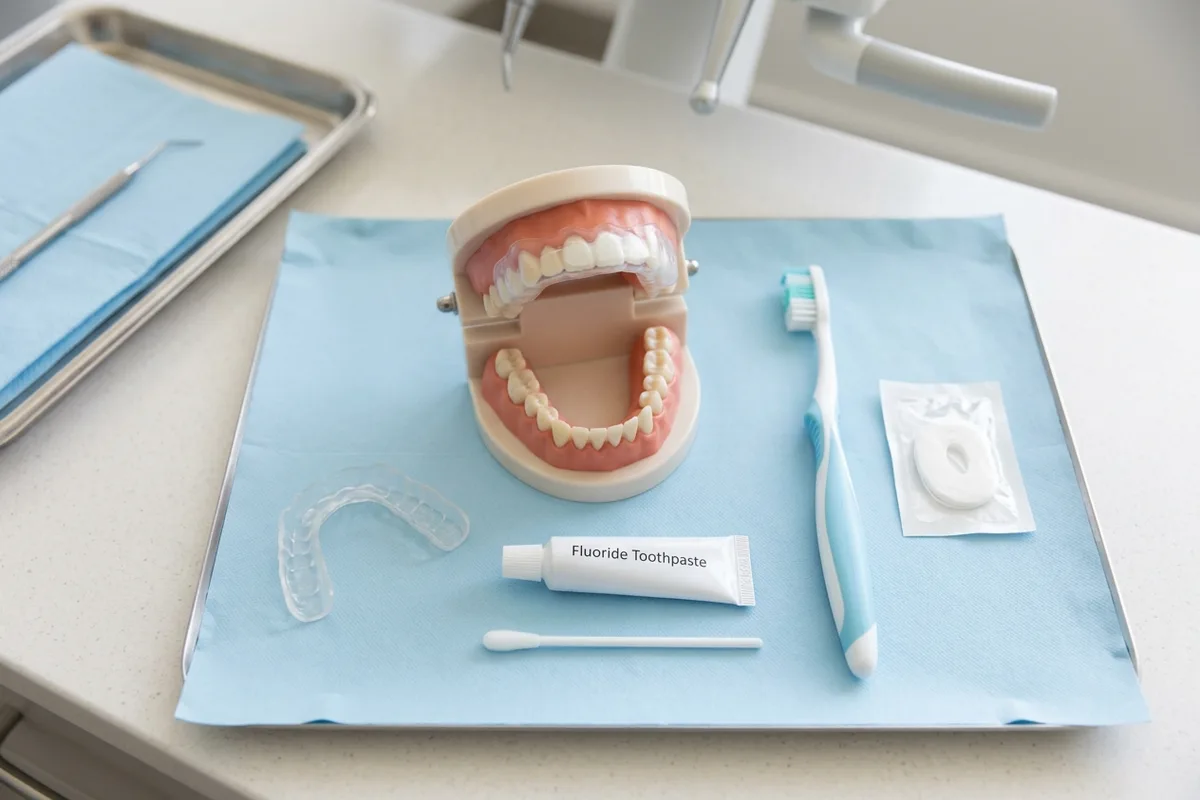
After your teeth are thoroughly cleaned, the dental professional will isolate them to keep them dry. They will then apply the fluoride varnish, gel, or foam directly to the tooth surfaces using a small brush, tray, or cotton swab.[1][2]
Absorption and Immediate Aftercare
The concentrated fluoride remains on the teeth for a short period to allow the minerals to penetrate the enamel. You will typically be asked to avoid eating, drinking, or rinsing for at least thirty minutes after the application to ensure optimal absorption.[1][2]
Daily Habits to Preserve Enamel
Long-term enamel protection requires a combination of good oral hygiene and mindful dietary choices. Establishing a consistent daily routine helps maintain the benefits of professional fluoride treatments and prevents further acid damage.[1][3]
At-Home Oral Hygiene
Brushing twice daily with a fluoride toothpaste is essential for continuous remineralization. Drinking fluoridated water throughout the day also provides a steady supply of minerals that help keep your enamel strong and resistant to decay.[1][2][4]
Managing Dietary Acids
Reducing the frequency of sugary and acidic foods can significantly lower your risk of erosion. When you do consume acidic beverages, specific habits can help minimize their impact on your teeth.[3][4]
- Use a straw to reduce the beverage's direct contact with your teeth.
- Wait 30 to 60 minutes after consuming acidic foods before brushing.
- Allow your natural saliva time to neutralize acids and harden the enamel.
Limitations and Continued Care
While fluoride treatments and preventive habits are highly effective, they cannot replace enamel that has been completely lost. Ongoing monitoring is necessary to ensure that erosion does not progress to the point of requiring restorative dental work.[1][3][4]
Planning Your Preventive Strategy
If you notice persistent sensitivity, visible changes in tooth shape, or discoloration, it is important to contact a dentist for an evaluation. A dental professional can help you develop a personalized plan to protect your remaining enamel and maintain a healthy smile.[3][4]
Sources
- Fluoride — American Dental Association
- Fluoride — National Institute of Dental and Craniofacial Research
- Dietary Acids and Your Teeth — American Dental Association
- Tooth Decay — National Institute of Dental and Craniofacial Research
Common questions
Frequently asked questions
Talk with One Ounce Dental about your next step
Ready to protect your smile and strengthen your tooth enamel? Book an appointment at One Ounce Dental today to discuss professional fluoride treatments and personalized strategies for maintaining your long-term oral health.
More Articles
View all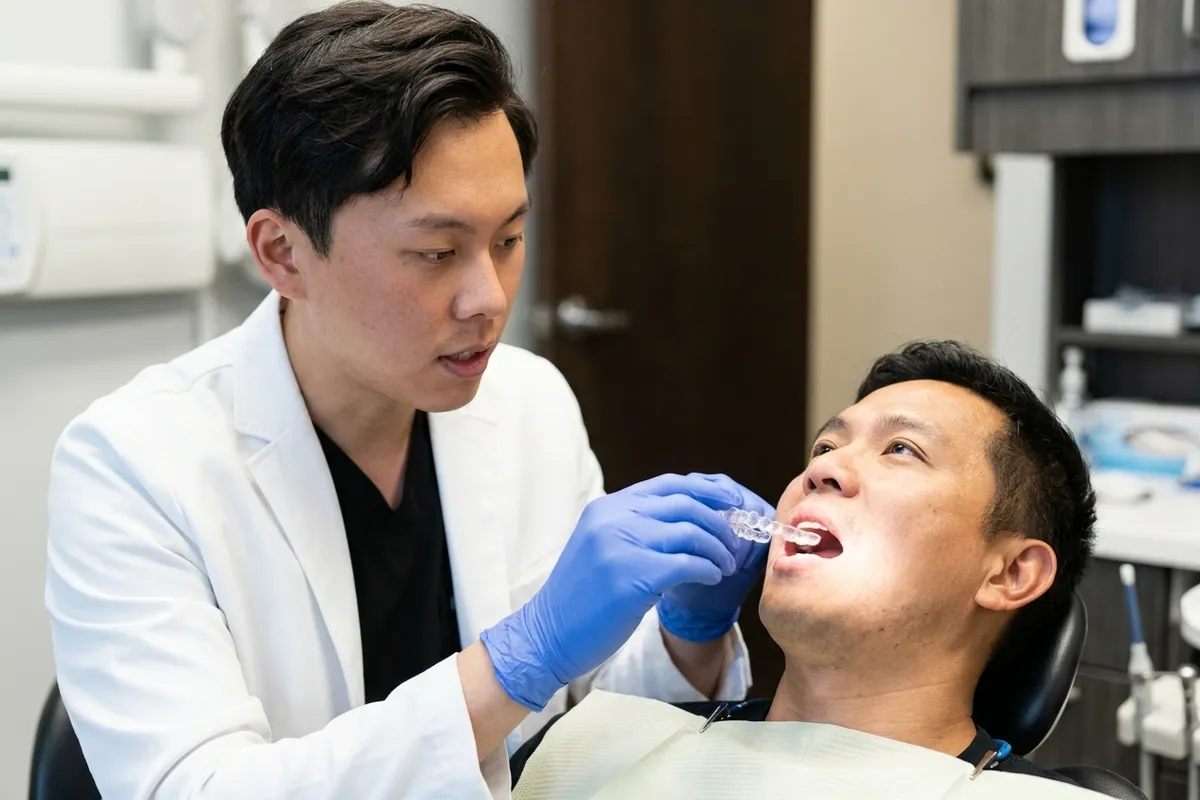 Dental care
How to Straighten Teeth Without Braces (Step-by-Step)
Wondering how to straighten teeth without braces? Custom clear trays can gently shift your smile into place when you follow key daily steps, wear them enough hours, and keep your teeth clean.October 16, 2026 · 6 min read Preventive & General
Enamel Erosion Symptoms: A Patient Guide to Dental Cleaning and Exams
Enamel erosion involves the chemical loss of tooth structure from acids. Understanding the early signs and risk factors can help you discuss prevention strategies during your regular dental cleaning and exams.October 15, 2026 · 6 min read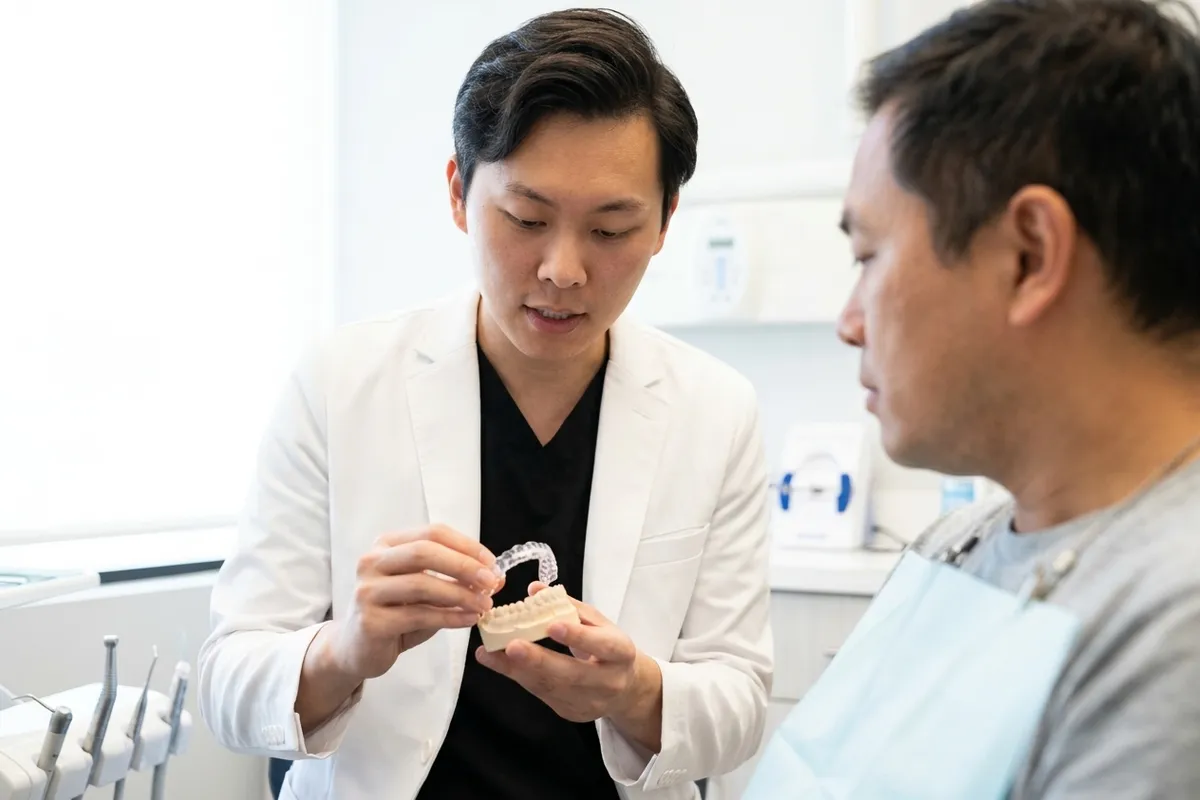 Preventive & General