

Is It a Dental Emergency? A Quick Check
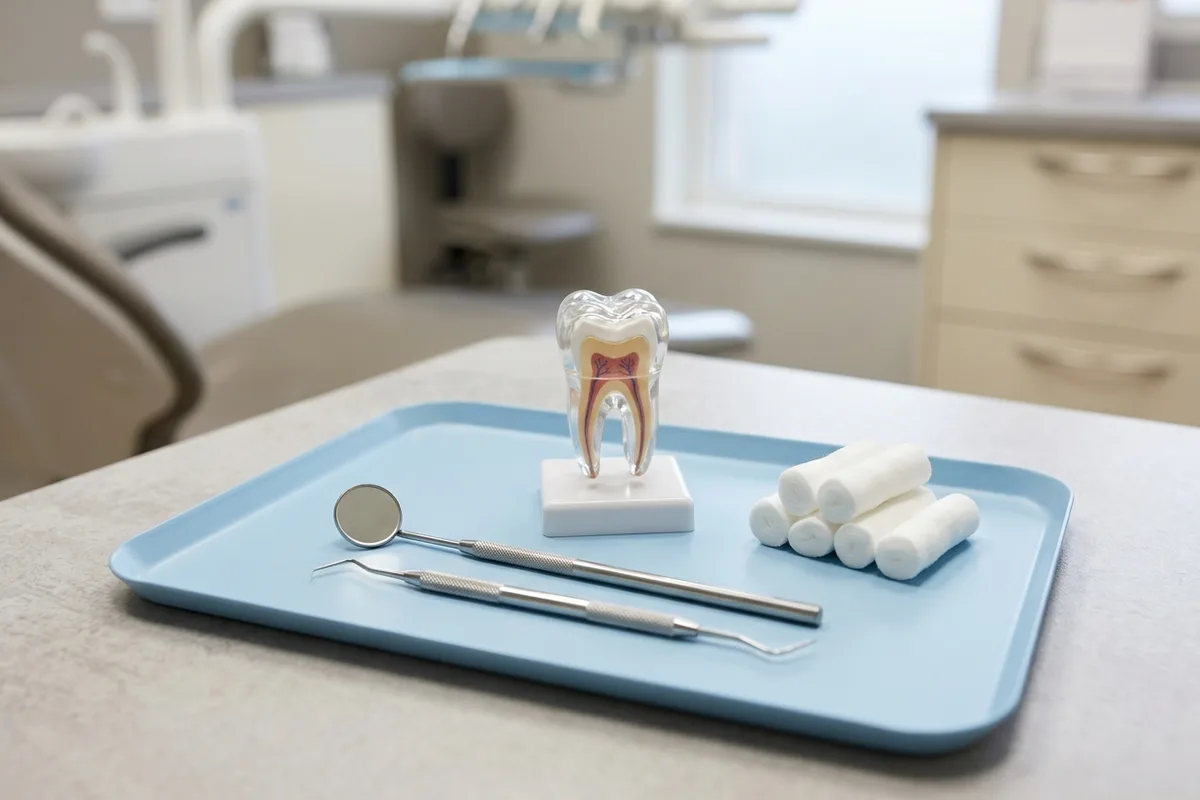
Use this quick check to review your dental emergency signs, decide whether to seek hospital care, call for same-day emergency care, or book a routine visit, and learn what to do right now.
Check Your Signs: Is It a Dental Emergency?
Review the questions below and answer each with yes or no to evaluate your dental emergency signs. Dental emergencies fall into different levels of clinical urgency. To protect your health, choose your next step based on the most urgent category where you answer yes.[2]
Quick check
Call 911 or Go to the ER Now
Go to the nearest emergency room or call 911 immediately if you notice serious complications affecting your breathing, neck, or facial bones.[1][2]
- Do you have large swelling in your mouth or neck that makes it hard to breathe or swallow?
- Have you suffered major facial bone trauma that threatens your airway?
- Has oral bleeding continued without stopping?
Call Your Dentist Today
Call your dentist right away to request same-day emergency care for severe discomfort, knocked-out teeth, or advancing infections; you can reach our office at 909.283.3130.[1]
- Has an adult tooth been knocked completely out of its socket or loosened from an injury?
- Do you have severe tooth nerve pain that throbs constantly?
- Is there a localized bacterial infection with swelling or pimple-like bumps on your gums?
- Did a broken or cracked tooth leave sharp edges that cut your tongue or cheeks?
- Have you developed persistent, severe pain from a dry socket following an extraction?
Book a Regular Visit
Schedule a standard appointment when you have minor cosmetic chips or mild concerns that do not cause pain or risk deeper tissue infection.[1]
- Do you have a small chipped tooth that causes no pain, sharp edges, or bleeding?
- Are you seeking treatment for a cavity or routine extraction without any active symptoms?
What the Signs Can Mean
Different oral symptoms point to varying clinical problems. The guide below outlines what common warning signs may indicate and how quickly you should be seen by a professional.[2]
| Sign | What It May Mean | How Soon |
|---|---|---|
| Diffuse neck swelling or airway trouble[1][2] | Spreading soft tissue infection or cellulitis | Immediate hospital ER |
| Completely knocked-out permanent tooth[1][2] | Mechanical dental trauma (avulsion) | Within hours today |
| Severe, constant tooth nerve throbbing[1][2] | Deep tooth decay reaching pulp tissue | Same day urgent visit |
| Bleeding persisting over 8 to 12 hours after surgery[2] | Post-procedure extraction complication | Same day urgent care |
| Mild tooth chip without pain[1] | Superficial enamel wear or minor fracture | Next available routine visit |
Examples
Knocked-Out Tooth at Sports Practice
A teenager collides during a soccer match and knocks out an adult front tooth. This situation points to same-day urgent dental care because knocked-out permanent teeth require immediate clinical repositioning to prevent tooth loss.[1][2][3]
Facial Swelling Near the Throat
An adult develops spreading swelling under the lower jaw that makes swallowing and breathing difficult. This points directly to the emergency room because untreated soft tissue infections can spread into the neck and block the airway.[1][2]
Loose Temporary Crown With Gum Soreness
A patient notices their temporary dental crown fell off while eating dinner, leaving the gum slightly irritated without sharp pain. This requires prompt attention from your dentist to protect the tooth and recement the restoration before complications arise.[1][2]
What to Do While You Wait
While arranging to see a dentist or doctor, taking safe interim actions can protect your teeth and mouth from further harm.[2][3]
Handling a Knocked-Out Adult Tooth
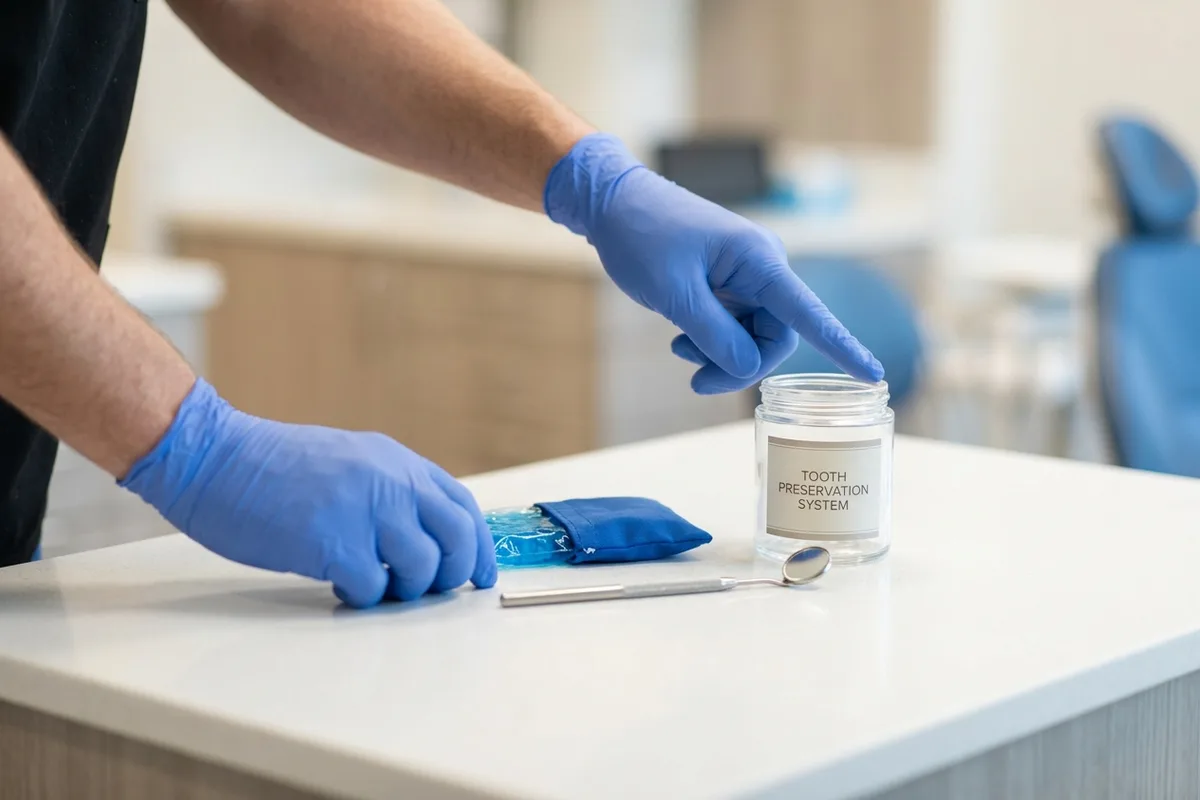
Keep the knocked-out tooth moist at all times. Try to gently guide it back into its socket without touching the root. If you cannot reinsert it, place the tooth in milk, between your cheek and gums, or in an approved tooth preservation solution while traveling to the dental office.[3]
Soothing Toothaches and Fractured Enamel
For a cracked tooth or sudden toothache, rinse your mouth gently with warm water to cleanse away debris. You can place a cold compress on the outside of your cheek to reduce swelling. Never place aspirin directly against the aching tooth or gums.[3]
Emergency Room or Dentist?
Choosing between an emergency department and an urgent dental clinic depends on whether your symptoms threaten your entire body or involve isolated teeth.[1]
When the Emergency Room Is Necessary
Hospital emergency rooms manage life-threatening problems. Go to the ER for facial fractures, continuous bleeding that fails to stop, or diffuse infections causing swelling in your neck or chest that impairs breathing. Medical doctors can stabilize your airway and administer systemic support.[1][2]
When to Visit Your Dentist
Dentists handle conditions localized to the teeth, gums, and supporting bone. This includes treating severe tooth nerve pain, draining localized abscesses, stabilizing loose or broken teeth, and managing dry sockets. Seeking dental care for these issues prevents unnecessary emergency room visits, and most dentists reserve time daily to see urgent cases.[1][3]
What Your Dentist Will Check
During an emergency visit, your dentist examines the injured or painful area to identify the root cause of your symptoms. Pain remains the most frequent reason patients seek care, and your dentist determines whether the problem stems from infection, mechanical trauma, or a post-procedure complication.
Your dentist will aim to resolve discomfort using the least invasive treatments possible. Depending on your needs, care may involve placing soothing temporary fillings like glass ionomers, repositioning displaced teeth, adjusting poking orthodontic wires, or changing surgical dressings to soothe dry socket pain.[1][2]
What This Check Can't Tell You (Limits)
This quick check provides general health information and cannot diagnose your specific dental condition. Oral symptoms can change rapidly, and an issue that feels minor can quickly become more complex without a visual and physical examination.
If you feel uncertain about how severe your symptoms are, always reach out to a dental professional for direct guidance. At One Ounce Dental in Chino, CA, you can discuss your symptoms with Dr. Yiyang Zou to determine the safest next step for your oral health.
If It Happens After Hours
Dental emergencies do not always occur during normal working hours. One Ounce Dental maintains opening hours from Monday to Saturday, 9:00 AM to 6:00 PM, and is closed on Sundays. If you experience trauma or pain outside of these hours, evaluate your symptoms carefully.
If your after-hours symptoms involve compromised breathing, severe trauma, or uncontrollable bleeding, proceed straight to the nearest hospital emergency room. For urgent tooth issues that can be temporarily stabilized overnight, practice safe home care and call the office as soon as doors open.[1][3]
How to Lower the Risk
Many unexpected dental injuries and painful infections can be prevented with simple daily habits. Wearing a protective mouthguard during sports collisions and recreational activities significantly reduces the risk of cracked, broken, or knocked-out teeth.
You should also avoid biting hard items such as ice cubes, popcorn kernels, and hard candies, and never use your teeth to cut tape or open packages. Because nearly all oral infections stem from tooth decay, brush twice a day with fluoride toothpaste, clean between teeth daily, limit sugary snacks, and maintain regular routine checkups.[2][3][4]
Sources
- What Constitutes a Dental Emergency? — American Dental Association
- Dental Emergencies — pubmed.ncbi.nlm.nih.gov
- Dental Emergencies — American Dental Association
- Dental Health — medlineplus.gov
Common questions
Frequently asked questions
Questions about your own smile?
If you are concerned about a dental emergency or have questions about sudden tooth pain, contact One Ounce Dental to schedule an appointment with our gentle team.
More Articles
View all Dental care
Why My Gums Bleed When I Brush: 5 Common Causes
Noticeable bleeding during your daily oral hygiene routine often signals gingivitis, accumulated calculus, or advancing gum disease. Recognizing these underlying causes helps you protect your oral health and seek timely professional dental care.October 21, 2026 · 5 min read Cosmetic Dentistry
Snap On Veneers: A Patient Guide to Porcelain Veneers
Comparing removable snap on veneers with permanent porcelain veneers reveals significant differences in fit, comfort, and safety. Discover how clinical oversight protects your natural teeth while achieving long-term aesthetic and functional smile improvements.October 19, 2026 · 6 min read Dental care