

Emergency Dentist Chino CA: Emergency Care for Dental Pain
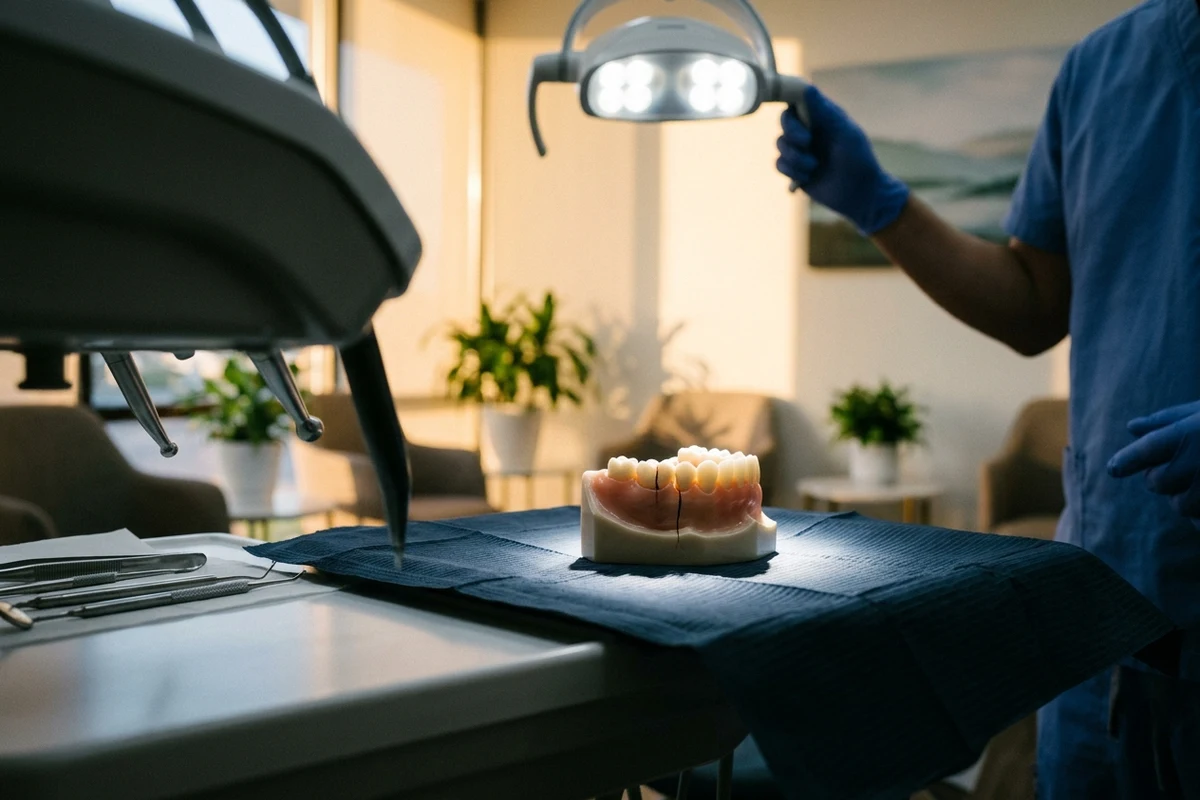
When sudden pain, infection, or facial trauma strikes, consulting an emergency dentist Chino CA residents trust ensures rapid stabilization, accurate diagnostic imaging, and evidence-based interventions to relieve distress and preserve natural tooth structure.
Understanding Emergency Dental Care in Chino
Emergency dental care focuses on the rapid diagnosis, stabilization, and relief of acute oral conditions requiring prompt professional management. Patients seeking an urgent dentist Chino providers operate can obtain timely interventions that prevent severe oral infections, structural tooth loss, and systemic health complications.[1][2]
Differentiating Emergency Care from Routine Visits
Routine dental appointments concentrate on preventive cleanings, elective restorations, and comprehensive checkups planned weeks in advance. In contrast, an emergency evaluation prioritizes immediate triage of unmanaged pain, trauma, and acute pathology. Anyone searching for a dental emergency near me needs rapid assessment to stabilize unstable teeth and stop spreading infection before scheduling routine maintenance.[1][2]
The Primary Purpose of Urgent Dental Interventions
The immediate objective of urgent dental therapy is patient comfort, bacterial control, and tissue preservation. Dental providers focus heavily on conserving natural dentition whenever clinically viable. Immediate local interventions resolve active inflammation in the dental pulp, control soft tissue hemorrhaging, and reset displaced teeth within critical biological timeframes to ensure optimal healing.[1][2]
Etiologies and Risks Behind Dental Crises
Dental emergencies typically arise from long-standing bacterial decay, sudden physical impacts, or mechanical restoration failures. Recognizing the foundational causes of severe oral distress helps individuals seek appropriate clinical attention quickly and understand the physiological factors influencing clinical treatment choices.[1][2]
Deep Caries and Pulpal Pathology
Untreated bacterial decay gradually penetrates dental enamel and dentin until reaching the vascular dental pulp. Once microbes infect this inner nerve chamber, symptomatic irreversible pulpitis or periapical abscesses often develop. This biological cascade creates intense pressure within rigid tooth walls, producing throbbing discomfort that requires prompt intervention by an emergency dental professional.[1][2]
Mechanical Stress and Traumatic Dental Injuries
Traumatic impacts from slips, sports injuries, or motor accidents frequently fracture or dislodge healthy dentition. Consulting a broken tooth dentist promptly allows clinicians to evaluate root integrity, pulpal exposure, and periodontal ligament damage. Chronic habits such as chewing hard ice or biting rigid objects also trigger structural cracks over time.[1][2]
Recognizing Critical Symptoms and Seeking Care
Identifying when oral symptoms represent a true clinical emergency ensures timely intervention and prevents permanent tooth loss. Lingering sensitivity, spontaneous throbbing, and visible physical trauma indicate underlying biological damage that cannot resolve without professional dental evaluation and targeted clinical treatment.[1][2]
Hallmark Indicators of Acute Oral Distress
Visiting a toothache dentist Chino patients rely upon is critical when experiencing continuous throbbing, heightened thermal sensitivity, localized facial swelling, or dental mobility. Persistent bleeding from gingival tissues or sharp discomfort upon biting also indicates active pathology. Prompt clinical attention within thirty to sixty minutes is particularly critical for knocked-out teeth.[1][2]
Clinical Evaluation and Diagnostic Assessment
Emergency dental appointments begin with focused diagnostic protocols designed to determine the precise origin of oral symptoms. Clinicians evaluate subjective patient discomfort alongside objective physical findings and targeted radiographs to construct safe, customized, and definitive treatment recommendations.[1]
Diagnostic Imaging and Focused Examination
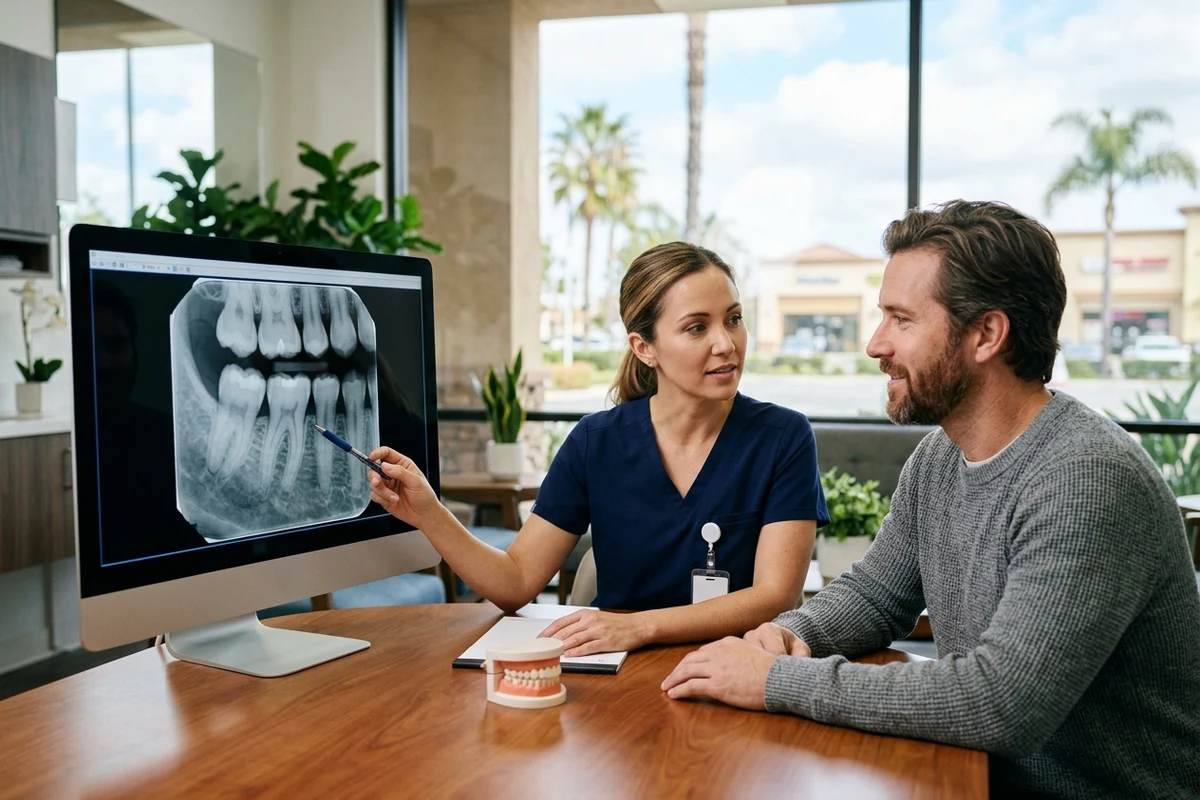
During an initial evaluation, the clinical team gathers relevant health histories and performs a gentle oral examination. Targeted diagnostic X-rays reveal bone loss, apical abscesses, or subgingival fractures hidden beneath the gumline. Clinicians test pulpal vitality and tooth mobility to distinguish between superficial enamel damage and severe pulpal necrosis.[1]
Emergency Treatment Approaches and Tradeoffs
Emergency dental care incorporates several therapeutic paths depending on tooth viability, structural damage, and infection extent. Dental teams prioritize conservative tooth preservation whenever achievable, but severe vertical root fractures or unrestorable coronal breakdown necessitate surgical extraction to protect surrounding oral tissues.[1][2]
Endodontic Interventions and Tooth Preservation
When deep decay or physical trauma inflames pulpal tissue, procedures like pulpotomies or root canal therapy remove diseased nerve matter while maintaining natural roots. Endodontic care relieves acute pressure, eliminates internal bacteria, and preserves the natural tooth structure, allowing the tooth to function normally once fitted with a protective crown.[1][2]
Surgical Extractions and Restorative Replacements
When structural fracturing extends below the bone crest or crowns are completely non-restorable, an emergency tooth extraction prevents chronic bone loss and systemic infection spread. While removing a natural tooth is irreversible, extraction provides immediate pain relief and sets a clean foundation for future prosthetic restorations like dental implants.[1][2]
The Emergency Dental Procedure Sequence
Knowing what occurs during an urgent dental appointment helps alleviate patient anxiety during stressful situations. Dental teams follow a structured, compassionate procedural workflow aimed at achieving rapid pain control, definitive problem correction, and thorough guidance for subsequent healing.[1][2]
Immediate Anesthesia and Distress Management
Upon determining the clinical diagnosis, the immediate priority is patient comfort. The dental provider administers profound local anesthesia to completely numb affected tissues and halt acute nerve signaling. For localized abscesses, clinicians may perform an incision and drainage to evacuate trapped purulent fluid and immediately relieve tissue tension.[1]
Stabilization and Interim Restoration Placement
Once the area is anesthetized and stabilized, the dentist cleans the site and places interim restorations to protect sensitive dentin. Traumatized, loose teeth may be splinted to adjacent stable teeth using flexible wires. The dentist ensures bite alignment remains comfortable before scheduling any required follow-up care.[1][2]
Recovery Protocols and Preventive Maintenance
Post-emergency recovery involves supporting tissue healing, maintaining impeccable oral hygiene, and scheduling routine restorative follow-ups. Adopting protective habits and addressing minor dental problems early significantly lowers the probability of future acute emergencies and preserves long-term oral wellness.[1][2]
Immediate At-Home First Aid and Care Steps
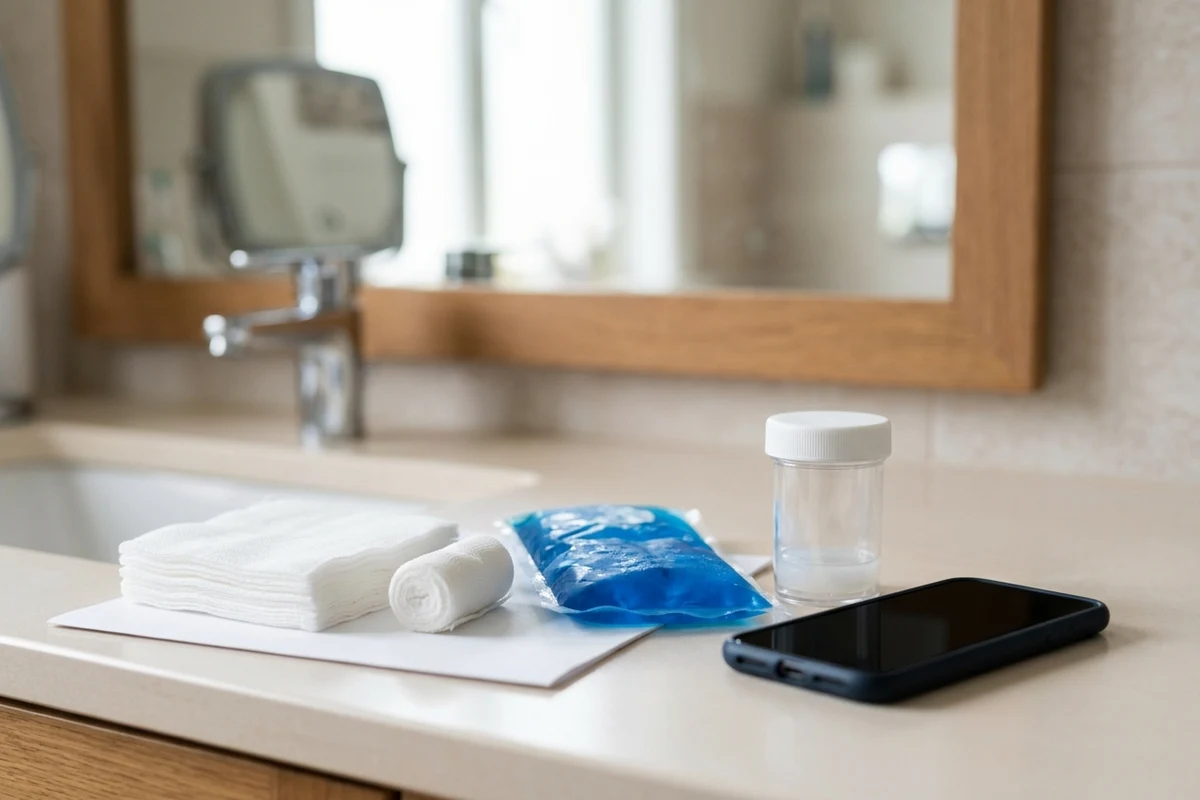
Applying evidence-based at-home measures immediately after oral trauma protects sensitive structures and supports recovery. Following emergency treatment, patients should consume soft foods, avoid hot liquids while numb, and maintain gentle hygiene. If an adult tooth is completely knocked out prior to your appointment, prompt handling steps are critical:[2]
- Handle the dislodged tooth strictly by the smooth crown, never touching the delicate root surface.
- Gently reinsert the tooth into the socket if possible, or submerge it in cold milk or saliva.
- Seek immediate dental evaluation within thirty to sixty minutes to maximize reimplantation success.
Long-Term Habits to Prevent Dental Trauma
Preventing future dental emergencies requires proactive oral protection during athletic activities and daily life. Wearing custom-fitted mouthguards cushions direct facial impacts during contact sports. Additionally, avoiding chewing hard ice, unpopped popcorn kernels, or non-food objects prevents unexpected crown fractures and shields existing restorations from sudden failure.[2]
Risks of Postponed Dental Treatment
Ignoring acute dental pain or postponing emergency treatment can transform manageable local issues into widespread oral infections. Understanding potential complications empowers patients to seek timely clinical care and prevent irreversible structural damage to bone and soft tissues.[1][3]
Infection Progression and Systemic Complications
Untreated tooth decay and necrotic pulp tissues allow bacterial infections to migrate beyond the tooth apex into the jawbone and surrounding facial spaces. Over time, localized abscesses can expand into dangerous facial cellulitis, requiring hospitalization and intravenous antibiotic therapy. Prompt intervention halts microbial spread and preserves vital structures.[1][3]
Sources
- ada.org — American Dental Association
- mouthhealthy.org — American Dental Association
- cdc.gov — archive.cdc.gov
Common questions
Frequently asked questions
Talk with a dentist about your next step
If you are experiencing acute oral pain, swelling, or sudden dental trauma, contact One Ounce Dental to request an appointment and discuss your personalized treatment options with our compassionate clinical team.
More Articles
View all Preventive & General
Dentist That Accepts Delta Dental Chino: General Dentistry and Plan Costs
Finding a dentist that accepts Delta Dental Chino helps patients manage preventive and restorative expenses. Understanding network fee schedules, annual maximums, and pre-treatment estimates ensures predictable costs for quality general dental care.September 23, 2026 · 6 min read Preventive & General
Tooth Replacement Dentures Vs Bridges: A Patient Guide to Full and Partial Dentures
Choosing between tooth replacement dentures vs bridges depends on your oral health, the number of missing teeth, and your lifestyle. Understanding the differences helps you and your dentist select the best restorative option.September 21, 2026 · 6 min read Preventive & General