

Chipped Tooth At Home What To Do: A Patient Guide to Emergency Dental Care
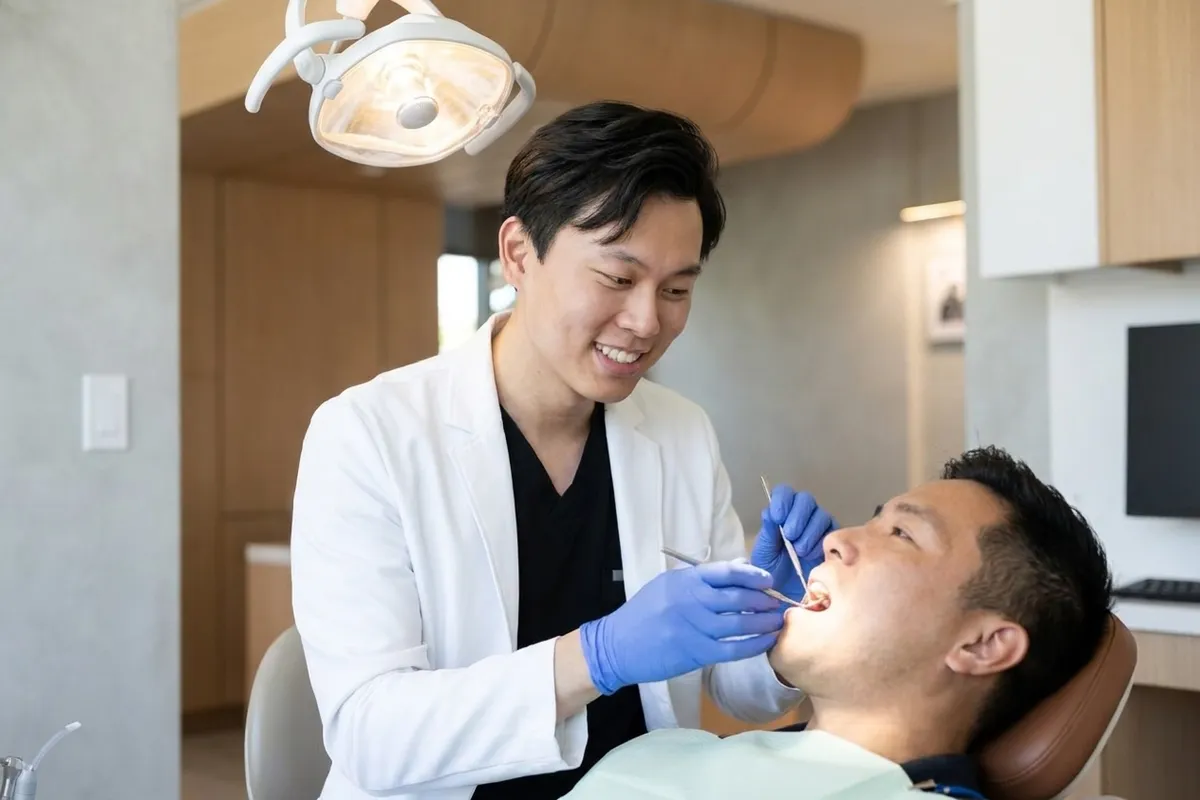
Discover effective at-home steps to protect a chipped tooth and manage discomfort before seeing a dentist. Learn the signs that require immediate emergency dental care and how professionals evaluate and treat dental fractures.
Understanding Chipped Teeth and Emergency Dental Care
A chipped tooth occurs when a portion of the hard outer enamel breaks away. While you might look for ways to manage a chipped tooth at home, this condition always requires professional attention. Depending on the severity, it often falls under emergency dental care.[1][2]
The Anatomy of a Dental Fracture
Teeth consist of an outer enamel layer, underlying dentin, and an inner pulp containing nerves. A minor chip might only affect the enamel, while a deeper fracture can expose the sensitive dentin or pulp, increasing the risk of bacterial infection and significant discomfort.[1][2]
The Role of Urgent Treatment
Emergency dental care plays a critical role in addressing severe fractures. Seeking prompt professional treatment helps prevent further structural damage to the affected tooth. Even if the damage appears minor, a timely evaluation ensures that the tooth remains stable and protected from future complications.[1][2]
Common Causes of Tooth Fractures
Understanding why a tooth breaks can help you prevent future injuries and determine the appropriate level of care. Teeth are remarkably strong, but they can chip or fracture due to sudden impacts, excessive biting forces, or underlying structural weaknesses that compromise the enamel.[1][2]
Physical Trauma and Accidents
Sudden physical impacts are a leading cause of chipped teeth. These injuries frequently occur during falls, facial trauma, or contact sports. Additionally, biting down forcefully on hard objects, such as ice or hard candy, can easily fracture otherwise healthy enamel and require prompt attention.[1][2]
Underlying Structural Weakness
A tooth may also chip because its internal structure has gradually weakened over time. Untreated tooth decay can hollow out the tooth, making the outer layer fragile. Large, aging dental restorations can similarly compromise the surrounding natural tooth structure, leading to unexpected breaks during normal chewing.[2]
Recognizing Symptoms and Knowing When to Seek Care
The symptoms of a chipped tooth vary widely based on the extent of the damage. Monitoring your symptoms helps you decide whether you need immediate emergency dental care or if a standard dental appointment is sufficient to address the problem.[1][2]
Identifying Minor Versus Severe Symptoms
A minor chip may be completely painless but feel sharp or jagged against your tongue. In contrast, more severe fractures that expose the underlying dentin or inner pulp typically cause significant pain, especially when chewing, along with heightened sensitivity to hot and cold temperatures.[1][2]
How Dentists Assess a Damaged Tooth
When you visit a dental office for a chipped tooth, the dentist conducts a thorough clinical examination. This evaluation is necessary because at-home observation cannot fully determine the extent of the structural damage or the health of the internal dental pulp.[1][2]
Clinical Examination of the Fracture
During the assessment, the dentist inspects the chipped area to see if the dentin or pulp is exposed. They check the overall stability of the tooth and look for signs of bacterial infection. This careful evaluation guides the appropriate treatment plan to restore the tooth.[1][2]
Managing the Injury Before Your Appointment
While you cannot permanently repair a chipped tooth at home, temporary measures can protect your oral tissues and manage discomfort until you receive professional care. These steps help stabilize the situation whether you are waiting for a standard visit or emergency dental care.[1]
Temporary At-Home Relief Measures
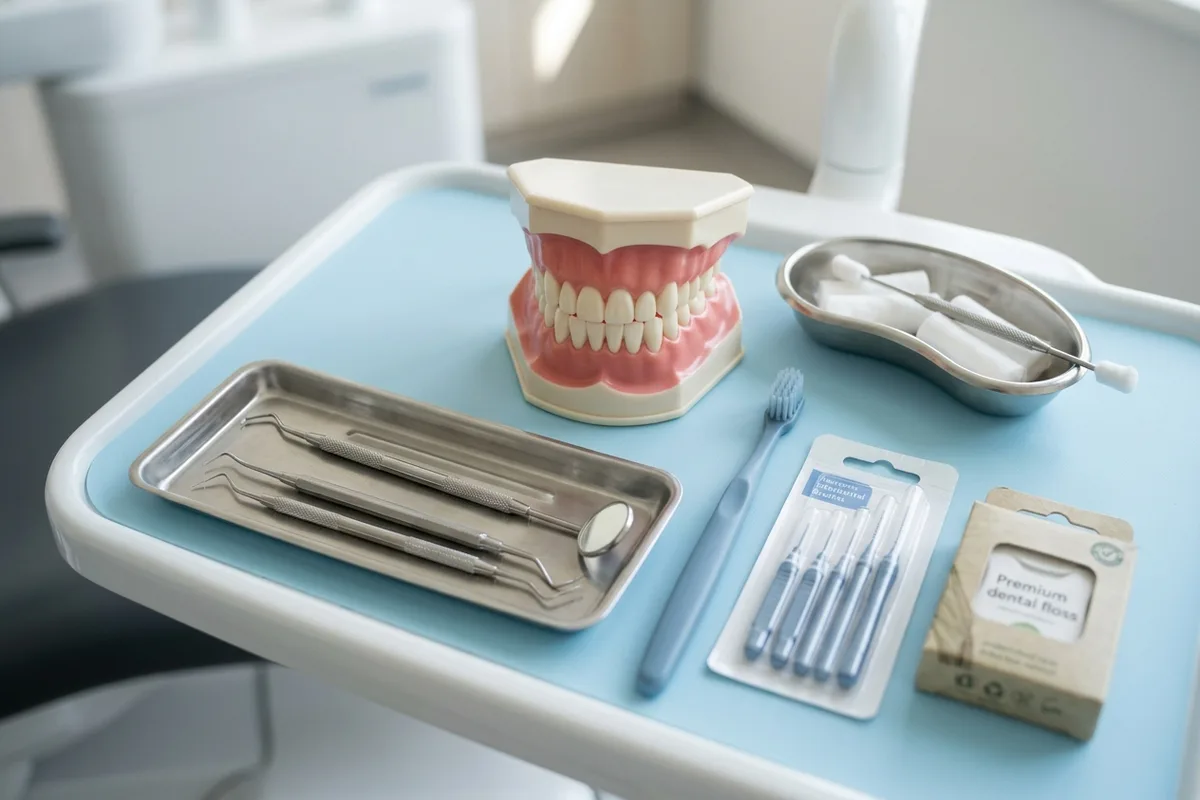
You can safely manage minor discomfort and protect your mouth using a few simple methods. Over-the-counter pain relievers may be used as directed on the packaging to alleviate pain. If the chipped edge is sharp, covering it with over-the-counter orthodontic dental wax can help prevent lacerations to the tongue or inner cheek.[1]
The Limits of Home Care
It is important to understand that home remedies only offer temporary relief. A chipped tooth requires professional dental materials and techniques to restore its shape and function. Relying solely on at-home management leaves the tooth vulnerable to further structural damage and potential bacterial infection.[1][2]

Immediate Steps to Take When a Tooth Chips
Taking the right actions immediately after noticing a chipped tooth can minimize complications. Your initial response should focus on cleaning the area, controlling any bleeding, and contacting a dental professional to determine the appropriate timeline for your evaluation and treatment.[1]
First Aid for a Chipped Tooth
The American Dental Association recommends specific steps to manage a dental injury immediately after it occurs. These actions help keep the injured area clean, control any bleeding, and reduce local swelling while you arrange for professional care. Follow these guidelines to protect your oral tissues.[1]
- Rinse the mouth gently with warm water to clean the affected area.
- Apply gentle pressure with a clean piece of gauze if the injury caused bleeding.
- Apply a cold compress to the outside of the cheek or lip to minimize swelling.
Scheduling the Dental Visit
After applying first aid, contact your dentist to explain your symptoms. If the chip is minor and painless, a standard dental appointment is usually sufficient. However, if a large piece of the tooth has broken off or you have a loose tooth, you will need immediate emergency scheduling.[1]
Protecting Your Teeth from Future Damage
Once a chipped tooth is professionally repaired, maintaining your oral health helps ensure the longevity of the restoration. Adopting preventive habits and attending regular dental visits are the most effective ways to protect all your teeth from unexpected fractures and structural failure.[1][2]
Preventive Daily Habits
You can significantly reduce the risk of chipped teeth by modifying certain behaviors. Avoid chewing on ice, hard candies, or non-food items that place excessive stress on the enamel. Additionally, individuals should always wear a properly fitted mouthguard during contact sports to absorb sudden impacts.[1][2]
The Importance of Routine Examinations
Regular dental examinations are vital for long-term prevention. During these visits, a dentist can identify and treat weakened teeth, untreated tooth decay, or aging restorations before they fracture. Proactive maintenance helps preserve your natural tooth structure and minimizes the need for future emergency dental care.[1][2]
Risks of Delaying Treatment and Your Next Step
Ignoring a chipped tooth can lead to worsening symptoms and more complex dental problems. Even if you successfully manage the initial discomfort at home, the underlying damage remains. Prompt professional evaluation is the only way to ensure the tooth is properly restored and protected.[1][2]
Complications and Seeking Care
All chipped teeth should be evaluated by a dentist to prevent further structural damage or deep bacterial infection. Delaying care can allow bacteria to reach the inner pulp, potentially requiring more extensive treatment. Contact a dental professional to assess the injury and discuss your repair options.[1][2]
Sources
- Dental Emergencies — American Dental Association
- Tooth Fracture — National Center for Biotechnology Information
- Dental Health — medlineplus.gov
- Frequently Asked Questions — American Academy of Pediatric Dentistry
- Oral Hygiene — National Institute of Dental and Craniofacial Research
Common questions
Frequently asked questions
Talk with One Ounce Dental about your next step
If you have a chipped tooth and need professional guidance, book an appointment at One Ounce Dental. Our team can evaluate your injury, discuss your treatment options, and help restore your smile safely.
More Articles
View all Dental care
How to Straighten Teeth Without Braces (Step-by-Step)
Wondering how to straighten teeth without braces? Custom clear trays can gently shift your smile into place when you follow key daily steps, wear them enough hours, and keep your teeth clean.October 16, 2026 · 6 min read Preventive & General
Enamel Erosion Symptoms: A Patient Guide to Dental Cleaning and Exams
Enamel erosion involves the chemical loss of tooth structure from acids. Understanding the early signs and risk factors can help you discuss prevention strategies during your regular dental cleaning and exams.October 15, 2026 · 6 min read Preventive & General