

Snap On Veneers: A Patient Guide to Porcelain Veneers
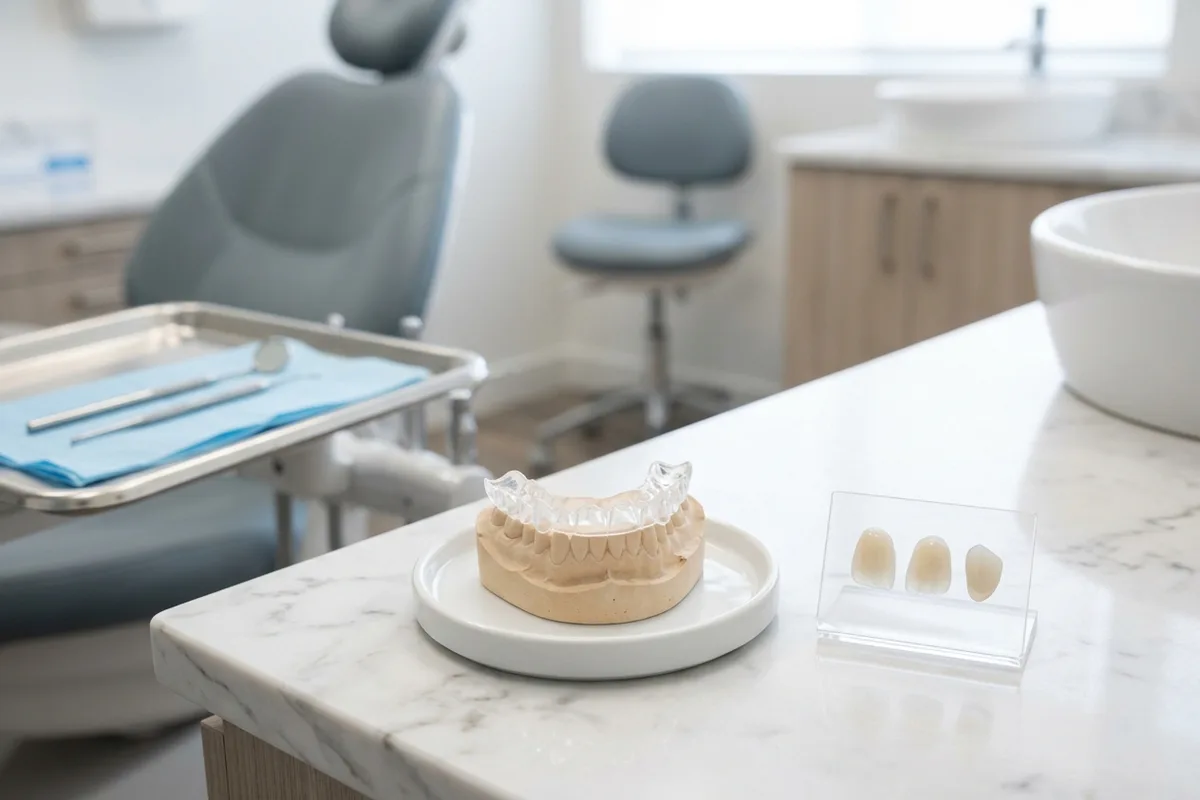
Comparing removable snap on veneers with permanent porcelain veneers reveals significant differences in fit, comfort, and safety. Discover how clinical oversight protects your natural teeth while achieving long-term aesthetic and functional smile improvements.
Understanding Removable Covers and Bonded Veneers
Cosmetic dental enhancements vary widely between temporary removable appliances and permanent custom restorations. While both approaches address visible dental flaws like discoloration or chipped edges, their materials, attachment methods, and interactions with natural dental anatomy differ substantially across practical daily use.[3][5]
Characteristics of Removable Snap-On Appliances
Snap-on appliances consist of flexible resin or plastic arches designed to fit directly over existing natural teeth without clinical tooth reduction. Often sold direct-to-consumer using home impression kits, these removable devices conceal spaces, chips, or stains across an entire arch simultaneously, acting purely as an aesthetic masking shell without altering dental structure.[3][5]
Structure and Placement of Porcelain Veneers
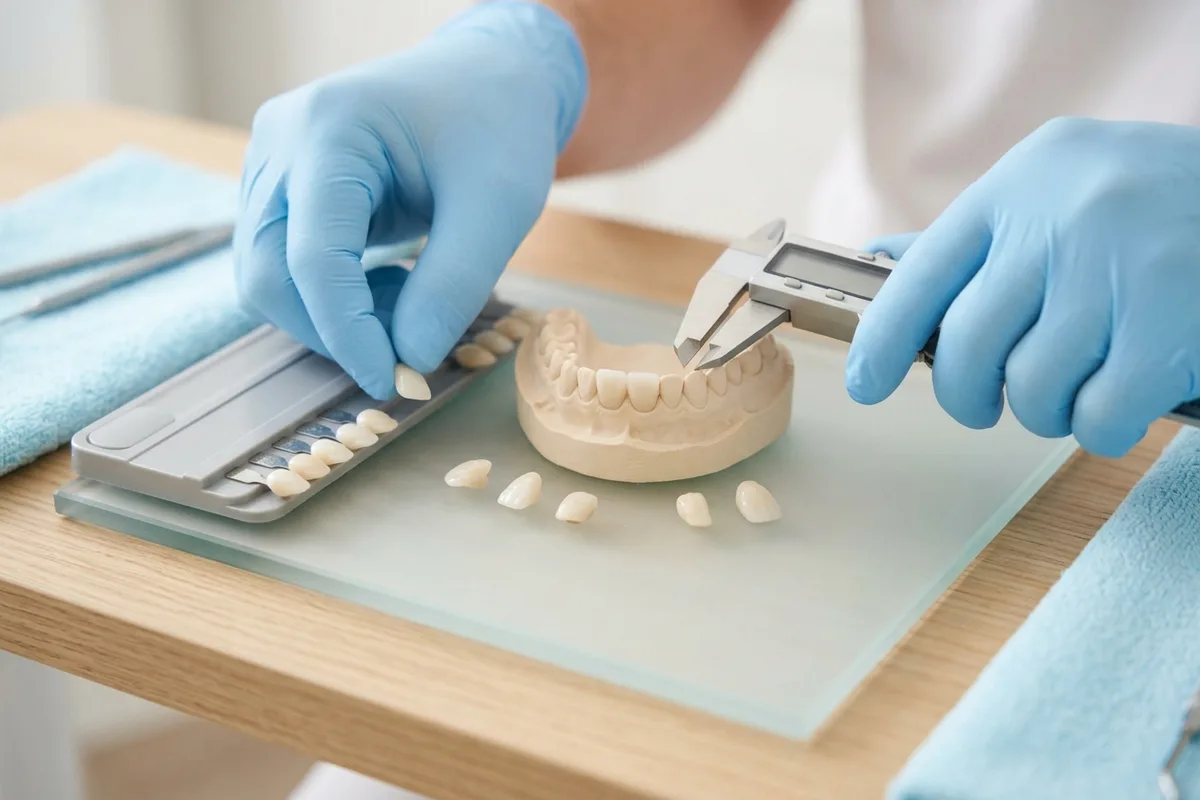
Porcelain veneers are ultra-thin, custom-fabricated ceramic shells that a dentist permanently bonds to the front surfaces of individual teeth. Fabricated to blend with adjacent dentition, they require a dentist to remove a minimal layer of enamel, creating an irreversible, highly precise bond that mirrors the natural contours of healthy enamel.[4][5]
Clinical and Functional Comparison Criteria
Choosing between removable covers and bonded ceramic restorations involves weighing material durability, bite mechanics, and oral health consequences. Understanding how each option impacts everyday dental function and underlying tissues allows individuals to make informed decisions about their smiles.[1][4][5]
Durability and Masticatory Function
Bonded porcelain restorations offer high structural durability, with clinical studies demonstrating survival rates exceeding ninety percent over a decade of continuous function. In contrast, removable plastic appliances are prone to surface wear, bending, and fracture during chewing because the material cannot withstand normal posterior biting forces over extended periods.[4][5]
Occlusal Harmony and Speech Adaptation
Removable arches cover the biting surfaces of teeth, altering the vertical dimension of occlusion, which can strain jaw joints and facial muscles. The added material bulk frequently causes speech lisps and excess saliva, whereas individually contoured porcelain restorations integrate smoothly with existing teeth, maintaining natural speech and comfortable jaw alignment.[1][5]
- Material composition ranging from thin laboratory-grade ceramic to prefabricated resin arches
- Occlusal vertical dimension stability during routine chewing and speech articulation
- Individual tooth contours versus single-piece plastic overlays that bridge adjacent contacts
- Reversibility of tooth preparation versus permanent enamel reduction requirements
Identifying When to Seek a Professional Smile Assessment
Patients often consider cosmetic solutions when intrinsic stains, chipped edges, or minor gaps compromise confidence. Consulting a dentist early helps determine whether cosmetic coverage is safe or if underlying structural issues require clinical care before any aesthetic treatment begins.[3][5]
Timing Your Dental Consultation
Scheduling an evaluation is prudent before investing in any cosmetic device, particularly if you experience persistent bad breath, bleeding gums, or loose teeth. An in-person dental exam ensures that underlying oral conditions are identified and resolved, preventing cosmetic covers from hiding active pathology that could worsen if left untreated.[3][5]
The In-Person Dental Diagnostic Process
A comprehensive clinical evaluation forms the foundation of safe cosmetic dentistry. Dentists assess dental tissues, periodontal health, and bite relationships using diagnostic tools that direct-to-consumer impression kits cannot provide, protecting teeth from preventable damage before any cosmetic work proceeds.[3][5]
Clinical Assessments and Radiographic Imaging
The American Dental Association emphasizes in-person diagnostic assessments, including dental radiographs and periodontal probing, before initiating cosmetic changes. These diagnostics reveal bone support, hidden interproximal decay, and occlusal alignment, allowing the dentist to confirm whether teeth can safely support bonded restorations or if restorative therapy must precede cosmetic enhancements.[3][5]
Evaluating Removable and Fixed Cosmetic Approaches
Weighing cosmetic alternatives requires examining the balance between initial convenience and long-term oral stability. Removable arches provide immediate, low-cost masking, while custom porcelain veneers represent a permanent clinical investment designed to preserve natural periodontal health and reliable chewing function.[1][4][5]
Tradeoffs of Removable Clip-On Covers
Clip-on appliances avoid drilling and local anesthesia, appealing to individuals seeking fast cosmetic changes. However, these devices lack microscopic marginal adaptation, creating stagnation areas where food particles and oral bacteria accumulate. Over time, wearing unadjusted covers over teeth can accelerate dental decay and cause inflammation along the gumline.[1][3][5]
Advantages of Custom Bonded Ceramics
Custom porcelain veneers offer superior aesthetic realism, high stain resistance, and biocompatibility with surrounding gingival tissues. Because each veneer is individually bonded flush to prepared enamel, patients maintain regular flossing access between teeth, preserving periodontal health and ensuring a durable, lifelike result that withstands normal chewing forces.[4][5]
Clinical Stages and Treatment Sequences
The journey to a restored smile involves distinct stages depending on the chosen modality. Understanding the workflow—from initial impressions to final placement—clarifies why professional fabrication and chairside adjustments are essential for a secure, functional fit.[4][5]
Direct-to-Consumer Appliance Production
Snap-on appliances typically involve a consumer taking putty impressions at home without clinical supervision. A commercial dental laboratory pours a cast from this impression to fabricate a one-piece resin arch. Because no dentist verifies impression accuracy, the finished appliance often exhibits marginal discrepancies, uneven thickness, or pressure points.[1][3]
The Porcelain Veneer Placement Sequence
Porcelain veneer treatment involves precise enamel preparation, digital scans or clinical impressions, and provisional restorations while a laboratory crafts the ceramic shells. During the bonding visit, the dentist evaluates fit, shade, and bite contacts before applying adhesive resin, creating a durable bond that integrates seamlessly with tooth structure.[4][5]
Maintenance Protocols and Expected Longevity
Maintaining cosmetic dental restorations demands consistent daily oral hygiene and regular preventive dental visits. Proper care protocols protect natural enamel and gum margins from secondary bacterial infection, ensuring that your investment remains functional and comfortable over the years.[2][4][5]
Hygiene for Removable Dental Devices
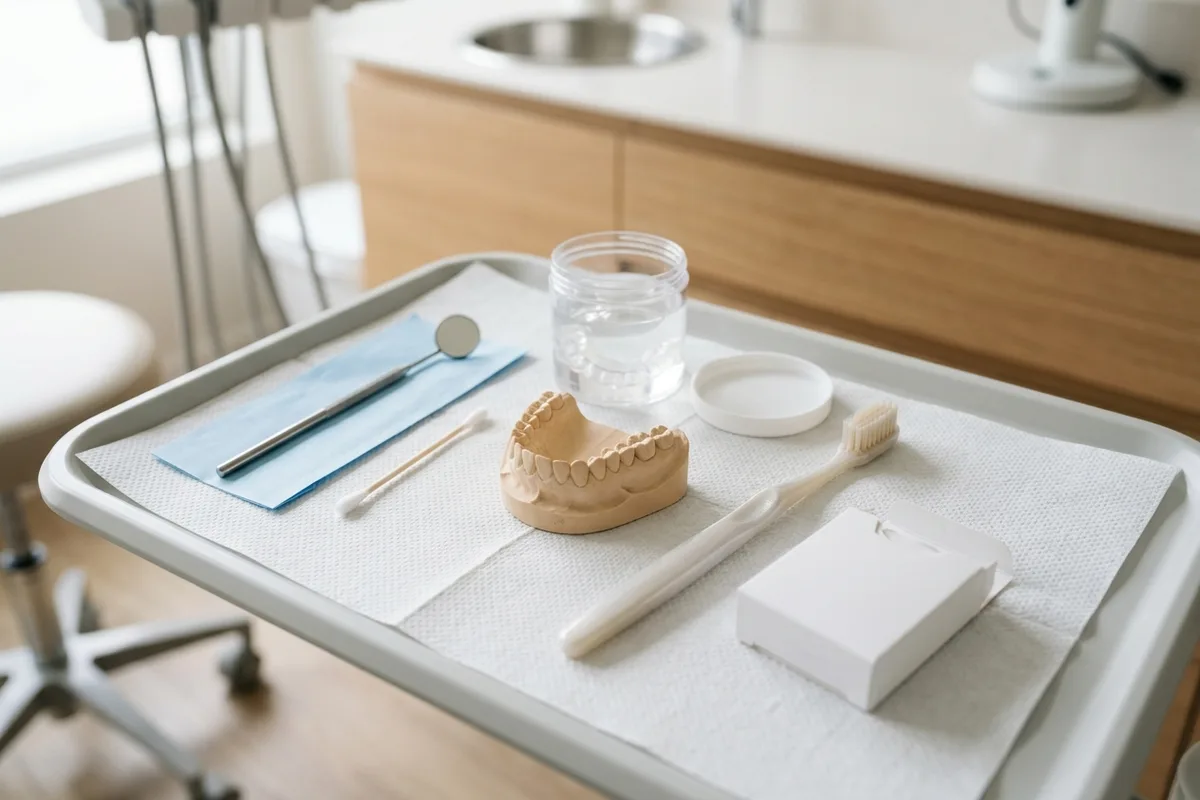
Removable appliances require cleaning after every meal using non-abrasive cleansers to eliminate plaque biofilms. Users must brush and floss their natural teeth thoroughly before reinserting the appliance. Crucially, snap-on devices must never be worn overnight, allowing saliva to naturally bathe and remineralize enamel while preventing tissue irritation.[2][5]
Long-Term Care for Bonded Veneers
Patients with bonded porcelain veneers should maintain twice-daily brushing with fluoride toothpaste and daily flossing to protect margins from decay. For individuals who clench or grind their teeth, wearing a custom nightguard prevents ceramic chipping. Regular dental checkups ensure bonding integrity and allow monitoring of soft tissue health.[4][5]
Evaluating Limitations and Next Steps
Understanding the limitations of cosmetic enhancements safeguards your oral wellness. Making an informed next step involves discussing aesthetic goals with a licensed dentist who can tailor a care plan that prioritizes biological health alongside cosmetic improvements.[3][5]
Balancing Expectations and Oral Health
While removable snap-on devices offer quick visual changes, their potential to trap plaque and induce bite strain makes clinical oversight vital. Consulting a dental professional allows you to explore durable options like porcelain veneers safely, ensuring your cosmetic choices protect underlying teeth and gums for years to come.[3][5]
Sources
- nih.gov — pmc.ncbi.nlm.nih.gov
- nih.gov — pmc.ncbi.nlm.nih.gov
- ada.org — American Dental Association
- nih.gov — pmc.ncbi.nlm.nih.gov
- mouthhealthy.org — American Dental Association
Common questions
Frequently asked questions
Talk with a dentist about your next step
Schedule a comprehensive consultation with One Ounce Dental today. Our team will evaluate your oral health, answer your aesthetic questions, and help you select the most effective restoration for your long-term smile goals.
More Articles
View all Dental care
Why My Gums Bleed When I Brush: 5 Common Causes
Noticeable bleeding during your daily oral hygiene routine often signals gingivitis, accumulated calculus, or advancing gum disease. Recognizing these underlying causes helps you protect your oral health and seek timely professional dental care.October 21, 2026 · 5 min read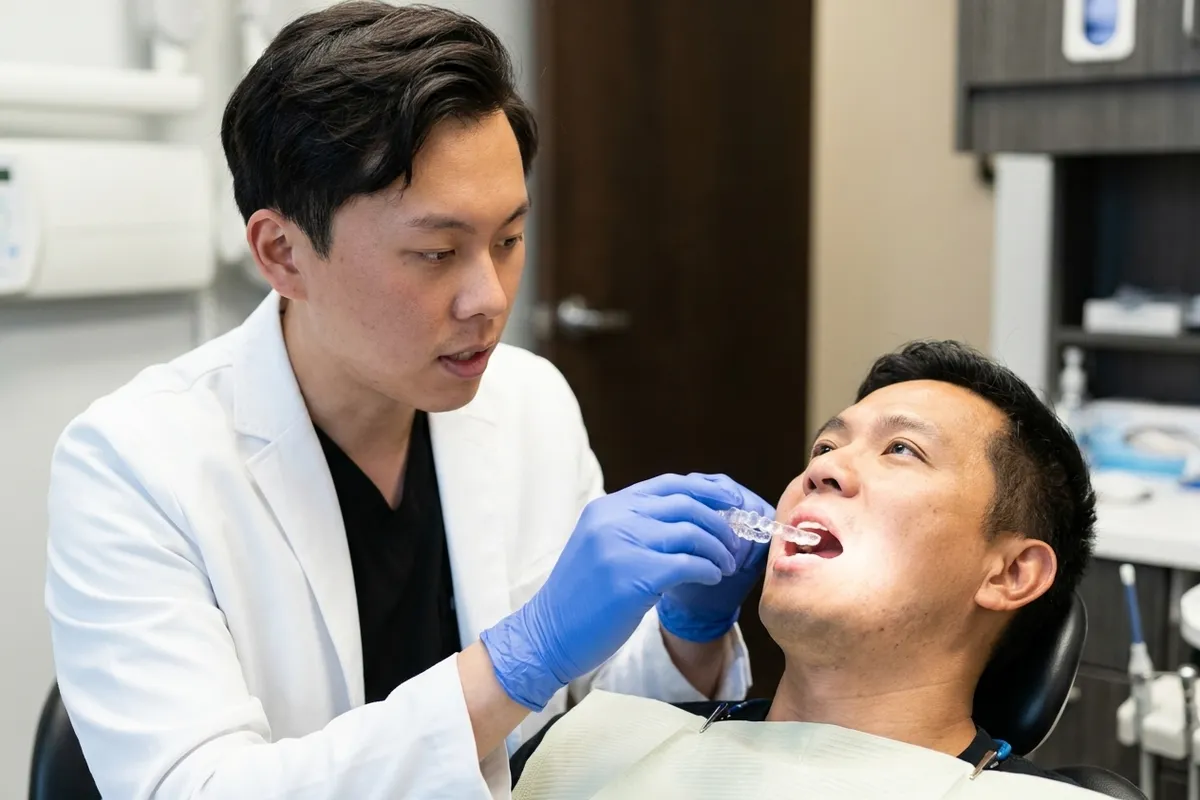 Dental care
How to Straighten Teeth Without Braces (Step-by-Step)
Wondering how to straighten teeth without braces? Custom clear trays can gently shift your smile into place when you follow key daily steps, wear them enough hours, and keep your teeth clean.October 16, 2026 · 6 min read Preventive & General