

Best Toothpaste For Bad Breath: A Patient Guide to General Dentistry

When searching for the best toothpaste for bad breath, selecting a product with the right active ingredients can make a significant difference. General dentistry focuses on identifying underlying causes while recommending effective daily oral care routines.
Understanding Halitosis and Dental Care
General dentistry provides comprehensive care to maintain oral health and manage common conditions like halitosis, frequently known as bad breath. Selecting an effective toothpaste is a foundational step in controlling the bacteria responsible for unpleasant oral odors.[1][2]
How Bacteria Cause Odors
Bad breath is most frequently caused by naturally occurring bacteria in the mouth. These odor-producing microorganisms break down leftover food particles on the teeth and tongue, releasing foul-smelling compounds in the process. Using a targeted toothpaste helps disrupt this bacterial activity and freshen breath.[1][3]
Supporting Daily Oral Hygiene
A general dentist guides patients in building an effective at-home hygiene routine. While professional cleanings remove hardened plaque, daily brushing with an appropriate toothpaste prevents the continuous buildup of the bacteria that contribute to persistent bad breath and other common dental health issues.[1][2]
Factors Contributing to Bad Breath
Choosing the right oral care products requires understanding what causes halitosis in the first place. Several lifestyle habits, underlying dental conditions, and systemic factors can influence the severity of bad breath and dictate which toothpaste ingredients work best.[1][3]
Diet and Tobacco Use
Consuming strong-smelling foods leaves lingering odors that basic brushing may only temporarily mask. Additionally, tobacco use not only produces its own distinct, unpleasant smell but also increases the likelihood of developing gum disease, which further exacerbates chronic bad breath and damages oral tissues.[1][4]
Dry Mouth and Gum Disease
A lack of adequate saliva, known as dry mouth or xerostomia, prevents the natural washing away of food particles and bacteria. Furthermore, active gum disease provides deep pockets where odor-causing bacteria can thrive, making specialized antibacterial toothpaste a necessary component of daily oral care.[1][3][4]
Recognizing the Symptoms of Halitosis
Patients often notice a persistent unpleasant odor that does not improve with standard brushing. Recognizing the accompanying signs can help determine when a specialized toothpaste is needed and when it is time to seek professional evaluation from a dentist.[1][3]
Accompanying Oral Symptoms
Beyond the noticeable odor, individuals may experience a lingering sour or bitter taste in their mouth. Additional signs often include a dry, sticky feeling or a visible white coating on the surface of the tongue, which harbors trapped bacteria and decaying food debris.[1][3]
Dental Assessment for Persistent Odors
When bad breath continues despite improved at-home care, a dentist can perform a thorough examination. This evaluation helps identify whether the halitosis stems from an oral health issue or if a different underlying cause requires medical attention.[1][3]
Clinical Examination Process
During a visit, the dentist checks for signs of tooth decay, periodontal disease, and inadequate saliva production. If the clinical assessment rules out oral causes for the persistent bad breath, the dentist may recommend a referral to a physician to investigate potential systemic conditions.[1][3][4]
Selecting the Right Toothpaste
With numerous oral care products available, selecting the most effective option involves looking for specific active ingredients and professional endorsements. Comparing toothpaste formulations helps patients find the best defense against the specific bacteria causing their halitosis.[1][2]
Choosing ADA-Accepted Products
General dentistry guidelines strongly recommend using a toothpaste that has earned the American Dental Association Seal of Acceptance. This seal indicates that the product has been objectively evaluated for safety and efficacy in maintaining oral hygiene and reducing the risk of common dental diseases.[1][2]
Stannous Fluoride Formulations
While standard fluoride protects against cavities, toothpastes containing antibacterial ingredients offer additional benefits for halitosis. Stannous fluoride is particularly effective at targeting and reducing the specific odor-producing bacteria in the mouth, providing a more comprehensive approach to breath freshening and plaque control.[1][2]

Implementing an Effective Hygiene Routine
Using the right toothpaste is only part of the solution; the daily method of application is equally important. Establishing a comprehensive daily oral hygiene routine ensures that active ingredients effectively neutralize odors and protect dental health.[1][2]
Brushing for Maximum Efficacy
Evidence-based prevention requires brushing the teeth twice daily for a full two minutes each time. This duration allows the antibacterial agents and fluoride in the toothpaste sufficient contact time with the teeth and gums to reduce bacterial loads and strengthen the protective enamel.[1][2]
Cleaning Beyond the Teeth
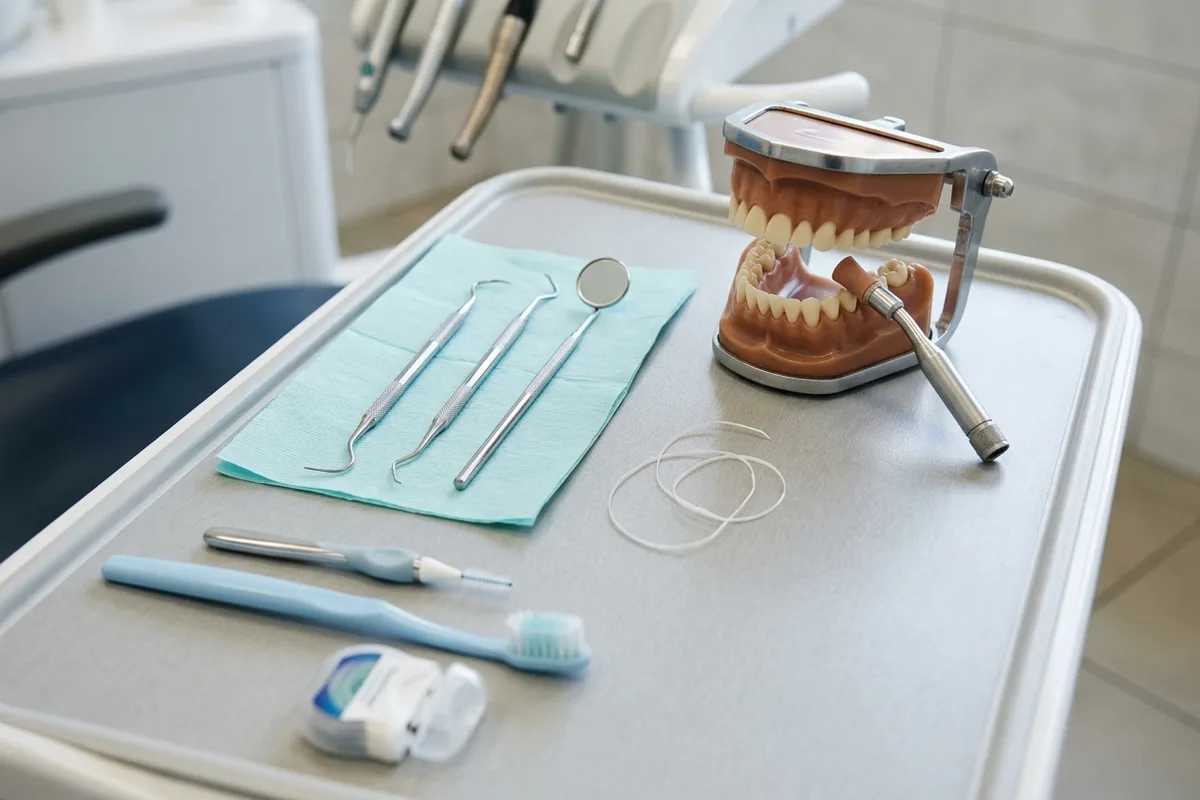
Because bacteria accumulate throughout the entire mouth, focusing solely on the teeth is insufficient. A complete daily routine requires addressing the spaces between teeth and the surface of the tongue, where odor-causing compounds and food debris frequently collect and multiply out of sight.[1][2]
- Clean between the teeth daily using dental floss.
- Gently brush or scrape the tongue to remove trapped bacteria.
- Drink plenty of water to stimulate natural saliva production.
- Avoid using tobacco products to improve overall breath odor.
Maintaining Fresh Breath Long-Term
Managing bad breath is an ongoing process that requires consistent maintenance. By combining the use of an effective antibacterial toothpaste with healthy lifestyle choices, patients can sustain a cleaner mouth and significantly reduce the recurrence of halitosis.[1][2]
Stimulating Saliva Production
Saliva acts as the mouth's natural cleanser, constantly washing away food debris and neutralizing bacterial acids. Staying well-hydrated throughout the day is a simple yet crucial step to stimulate saliva production, combat dry mouth, and support the breath-freshening effects of daily brushing routines.[1][3]
Routine Dental Visits
Even with the best toothpaste for bad breath, regular visits to a general dentist remain essential. Routine professional cleanings remove hardened tartar that brushing cannot eliminate, while ongoing exams help catch early signs of gum disease or decay before they cause severe odors.[1][4]
Limitations of At-Home Odor Control
While antibacterial toothpastes are highly effective for everyday halitosis, they cannot cure underlying dental infections or systemic medical issues. Understanding the limitations of over-the-counter products helps patients recognize when professional intervention is necessary to achieve lasting oral health.[1][3]
Scheduling a Dental Appointment
If a thorough oral hygiene routine and a high-quality fluoride toothpaste fail to resolve bad breath, it is time to schedule a dental visit. A dentist can properly evaluate the oral cavity for hidden decay or periodontal disease and recommend the appropriate next steps.[1][4]
Sources
- Bad Breath — American Dental Association
- Toothpaste — American Dental Association
- Halitosis: From diagnosis to management — pmc.ncbi.nlm.nih.gov
- Gum Disease — National Institute of Dental and Craniofacial Research
Common questions
Frequently asked questions
Talk with One Ounce Dental about your next step
If you are struggling with persistent bad breath despite a good hygiene routine, professional guidance can help. Book an appointment at One Ounce Dental today to discuss your symptoms and find the right oral care solutions.
More Articles
View all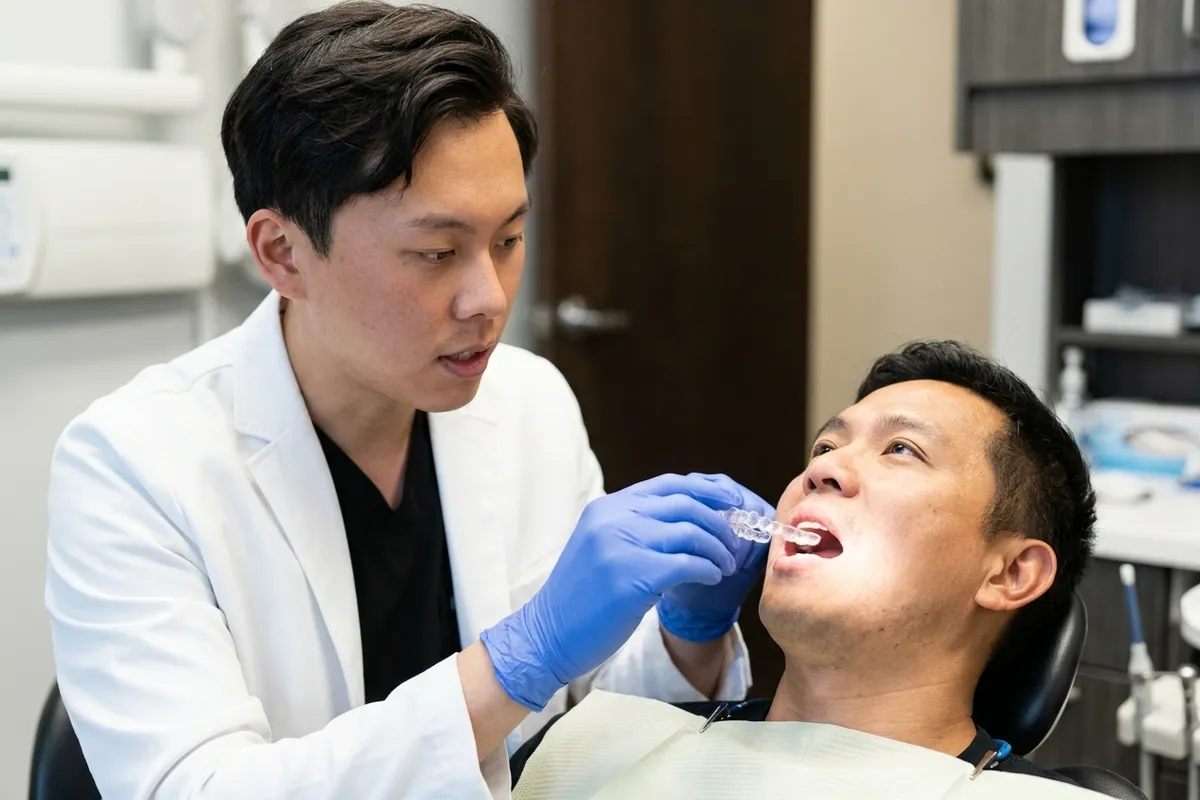 Dental care
How to Straighten Teeth Without Braces (Step-by-Step)
Wondering how to straighten teeth without braces? Custom clear trays can gently shift your smile into place when you follow key daily steps, wear them enough hours, and keep your teeth clean.October 16, 2026 · 6 min read Preventive & General
Enamel Erosion Symptoms: A Patient Guide to Dental Cleaning and Exams
Enamel erosion involves the chemical loss of tooth structure from acids. Understanding the early signs and risk factors can help you discuss prevention strategies during your regular dental cleaning and exams.October 15, 2026 · 6 min read Preventive & General