

Preventive Dentist Chino: General Dentistry Before Problems Grow
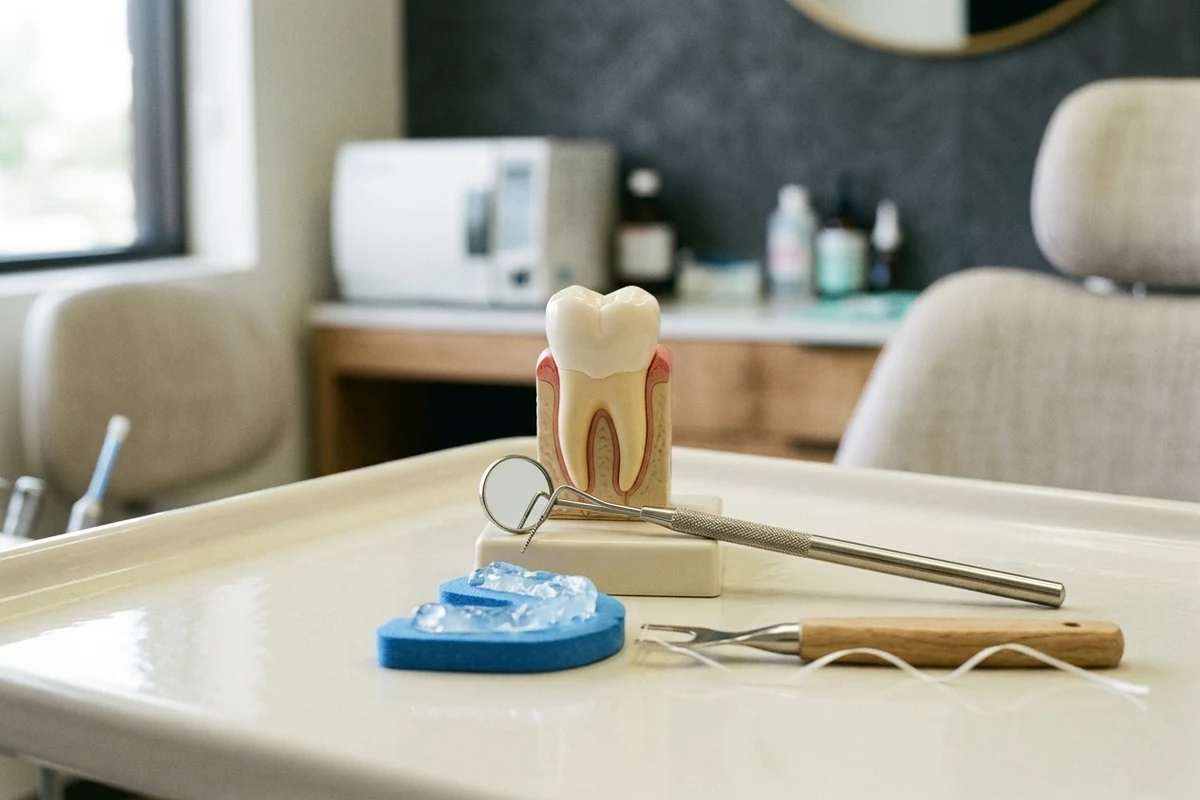
Partnering with a preventive dentist Chino helps protect natural enamel across every stage of life. Evidence-based treatments like dental sealants and topical fluoride prevent decay, stop early demineralization, and support lasting oral health.
The Role of Preventive Care in General Dentistry
General dentistry encompasses comprehensive oral wellness, but preventive measures form the foundational core of routine dental practice. Rather than waiting for cavities to compromise natural enamel, clinical prevention emphasizes risk reduction, dietary guidance, and non-invasive therapies designed to stop bacterial damage before structural breakdown begins.[4]
Prioritizing Tooth Preserving Dentistry
Modern clinical practice emphasizes tooth preserving dentistry to maintain original enamel and underlying dentin whenever possible. Bacterial biofilms constantly metabolize dietary starches and sugars into acids that dissolve minerals from tooth surfaces. By identifying localized demineralization early, dentists can remineralize fragile areas, helping patients avoid invasive drilling or artificial restorative materials.[4]
Comprehensive Preventive Dental Care in Chino
Accessing comprehensive preventive dental care Chino provides patients with coordinated protection across primary and secondary stages of oral disease. Primary prevention stops conditions before they emerge through cleanings, sealants, and topical fluoride. Secondary prevention focuses on arresting initial non-cavitated lesions, reinforcing weakened surfaces before irreversible cavitation demands conventional surgical fillings.[3][4]
Biological Factors That Influence Caries Risk
Tooth decay is a dynamic, biofilm-mediated condition influenced by individual oral anatomy, salivary defenses, and bacterial activity. Understanding these biological variables allows a dental team to tailor protective interventions to each patient's specific susceptibility, ensuring interventions occur before permanent damage alters the natural dental structure.[4]
Vulnerability of Deep Pits and Fissures
Posterior molars and premolars possess intricate anatomical grooves called pits and fissures that present significant cleaning challenges. Narrow fissures shelter acid-producing bacteria and fermentable carbohydrates away from toothbrush bristles. Consequently, roughly ninety percent of decay in permanent teeth occurs within these occlusal crevices, making physical barrier placement essential.[1][3]
Salivary Defense Mechanisms and Systemic Risks
Saliva serves as an indispensable natural defense against decay by neutralizing bacterial acids and providing essential calcium and phosphate for enamel remineralization. When systemic medical conditions, medications, or head and neck therapies cause dry mouth, the caries process accelerates rapidly, necessitating intensified topical therapies and meticulous clinical monitoring.[4]
Recognizing Enamel Changes and Scheduling Care
Timely evaluation is critical because initial enamel demineralization produces subtle visual changes rather than overt discomfort. Consulting a conservative dentist Chino ensures that developing concerns are addressed while non-invasive remineralization remains viable, preventing initial micro-damage from progressing into deeper structural deterioration.[4]
Clinical Indicators of Developing Caries
Early enamel demineralization frequently appears as a chalky, dull white spot along gumlines or inside chewing grooves without causing physical pain. As decay approaches the underlying dentin, teeth may develop mild sensitivity to sweet foods or temperature shifts, signaling that immediate non-invasive intervention is necessary to halt progression.[4]
Clinical Assessment and Caries Risk Categorization
Professional preventive assessments combine visual examinations, specialized instruments, and diagnostic radiographs to evaluate enamel integrity. A second opinion dentist Chino can evaluate whether early occlusal stains represent active decay requiring restoration or stable, non-cavitated grooves suited for conservative monitoring and non-invasive sealants.[2][3]
Evaluating Enamel Health and Patient Risk
During a clinical consultation, the practitioner assesses plaque accumulation, dietary habits, saliva volume, and dental history to determine individual caries risk. This structured evaluation guides the frequency of professional cleanings, the necessity of therapeutic sealants, and the optimal concentration and recall schedule for in-office fluoride varnish applications.[3][4]
Comparing Non-Invasive Preventive Interventions
Preventive dentistry provides complementary methods to strengthen enamel and block bacterial colonization. Choosing an honest dentist Chino ensures discussions focus on clinical necessity and evidence-supported outcomes, balancing systemic measures, topical therapies, and mechanical barriers to match each individual patient's documented level of oral risk.[3][4]
Professional Fluoride Varnishes and Gels
Topical fluoride strengthens tooth enamel by integrating into its crystalline structure to create fluorapatite, a mineral notably more resistant to bacterial acid attacks. Guidelines recommend applying 2.26 percent fluoride varnish for high-risk patients of all ages, while 1.23 percent acidulated phosphate fluoride gel provides a reliable alternative for individuals aged six and older.[3][4]
Protective Resin and Glass Ionomer Barriers
Finding a reliable no upsell dentist gives patients clarity regarding the specific value of pit-and-fissure sealants. These flowable materials seal deep grooves on biting surfaces, physically isolating bacteria from nutrients. Clinical guidelines indicate sealants prevent roughly eighty percent of molar cavities over two years, providing a durable non-invasive alternative to restorations.[1][2][3]

The Clinical Application of Preventive Sealants
Applying dental sealants is a comfortable, conservative process completed in a single dental visit. Because the procedure involves no drilling or surgical removal of healthy enamel, local anesthesia is unnecessary, making it an ideal protective therapy for children, adolescents, and cavity-prone adults.[1][3]
Preparing the Tooth Surface for Adhesion
Before placement, the dental provider cleans the occlusal surface thoroughly to eliminate trapped plaque and microscopic food debris from the fissures. The tooth is isolated to keep it dry, conditioned briefly with a mild etching agent to create a microscopic bonding pattern, and then washed and dried completely.[1][3]
Step-by-Step Sealant Placement
The final phase of sealant placement involves precisely flowing the resin or glass ionomer material into the prepared fissures to establish an airtight barrier against oral bacteria. Once placed, a specialized curing light hardens the material within seconds, allowing the dentist to verify the bite and confirm complete surface protection.[1][3]
- Applying the flowable sealant material precisely into deep occlusal grooves.
- Exposing the placed material to a curing light to harden it rapidly.
- Checking the patient's occlusion to ensure comfortable, natural chewing.
Maintenance and Durability of Preventive Treatments
Preventive treatments require no post-procedure recovery period, allowing patients to resume regular eating and drinking right away. However, maintaining maximum protection over the lifespan of sealants and fluoride applications depends on consistent home oral hygiene routines and periodic professional evaluations.[1][3]
Monitoring Sealant Integrity Over Time
Joint dental guidelines show sealants maintain approximately fifty percent protection against cavities for up to four years after initial placement. During semiannual checkups, the dentist inspects sealants for chipping, wear, or partial loss, easily touching up or reapplying the material as needed to sustain continuous mechanical defense.[2][3]
Complementary Home Care Practices
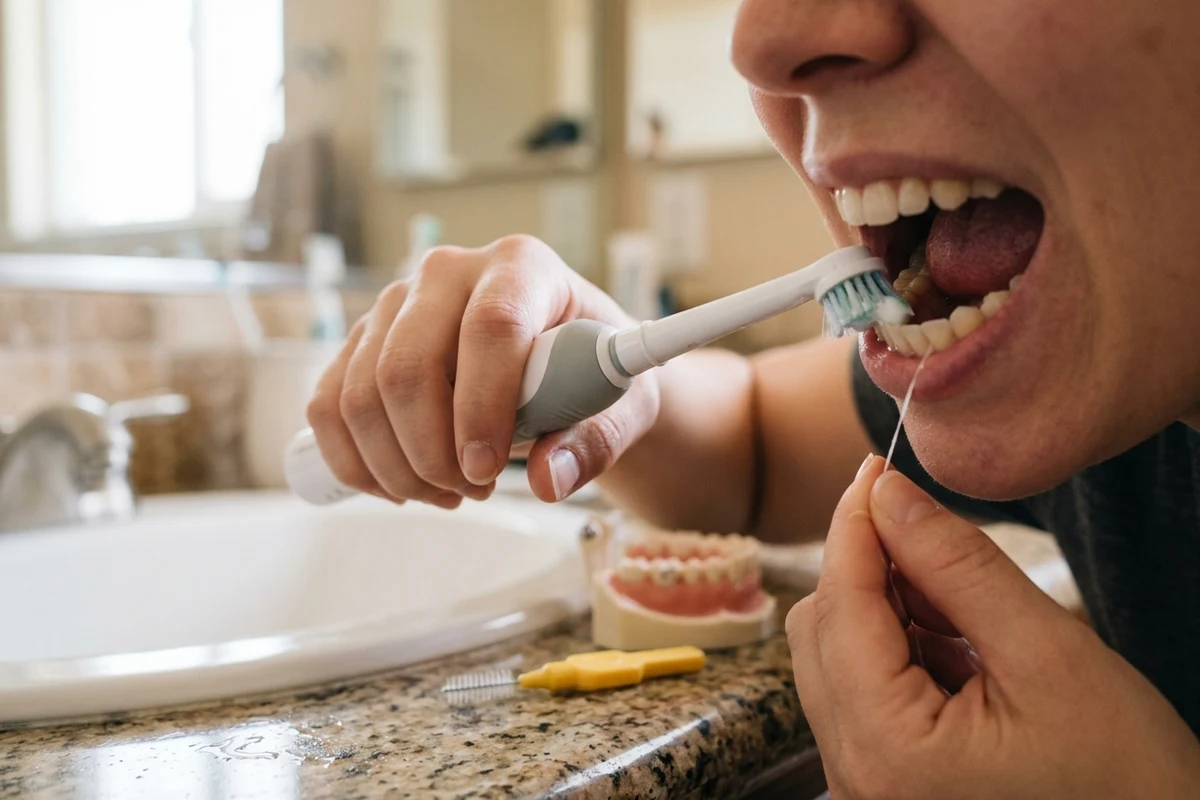
Because sealants protect only occlusal surfaces, comprehensive protection requires brushing twice daily with fluoride toothpaste and flossing daily to clean between teeth. Limiting frequent snacking and sugary beverages reduces acid spikes, supporting natural salivary remineralization and preserving both natural enamel and existing dental sealants.[1][4]
Preventive Limitations and Scheduling Ongoing Care
While sealants and fluoride treatments offer substantial defense, they do not eliminate decay risk entirely if underlying hygiene or diet remains unfavorable. Sealants can experience wear or detachment over time, emphasizing the need for regular professional examinations to identify compromised margins and renew protective applications.[1][3]
Partnering for Long-Term Preventive Success
Determining the right preventive strategy involves balancing individual risk factors, anatomical tooth structure, and lifestyle habits. Engaging in an informed clinical discussion allows patients to select appropriate preventive therapies, monitor developing teeth during critical eruption stages, and maintain healthy natural dentition across every phase of adulthood.[3][4]
Sources
- mouthhealthy.org — American Dental Association
- aapd.org — American Academy of Pediatric Dentistry
- ada.org — American Dental Association
- nih.gov — National Institute of Dental and Craniofacial Research
Common questions
Frequently asked questions
Talk with a dentist about your next step
To learn more about personalized preventive care and discuss your family's oral health needs, request an appointment at One Ounce Dental today. Our team is ready to assist with individual examinations and evidence-based preventive therapies.
More Articles
View all Preventive & General
New Patient Dental Special Chino: What General Dentistry Visits Include
Understanding what is included in a new patient dental special Chino helps individuals prepare for clinical evaluations, diagnostic dental imaging, systemic medical reviews, and professional preventive dental cleanings.September 30, 2026 · 6 min read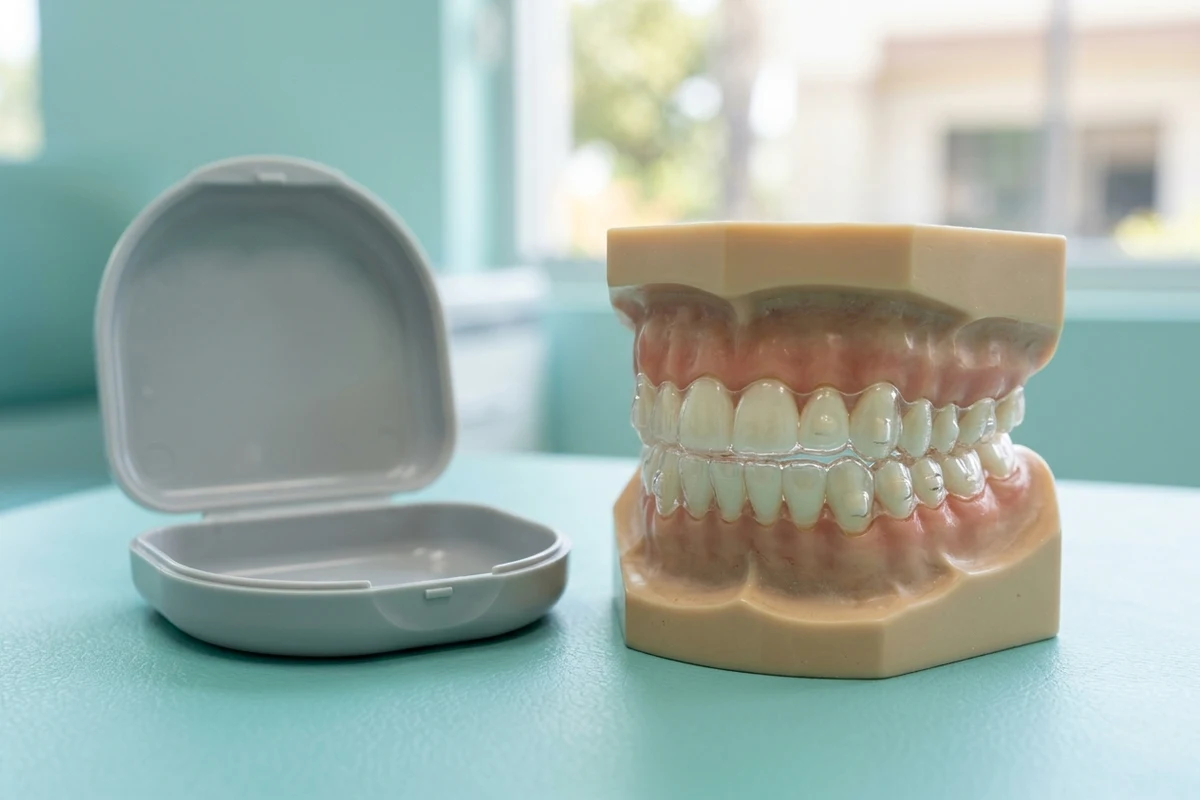 Orthodontics
Invisalign Chino CA: Treatment, Cost, and Daily Care
Exploring Invisalign Chino CA care connects patients with clear, removable orthodontic aligners designed to address dental misalignment. Learn about clinical candidacy, daily wear commitments, oral hygiene, and retention protocols before beginning therapy.September 29, 2026 · 6 min read Implants & Oral Surgery