

Sedation Dentist Chino CA: General Dentistry Options for Anxiety
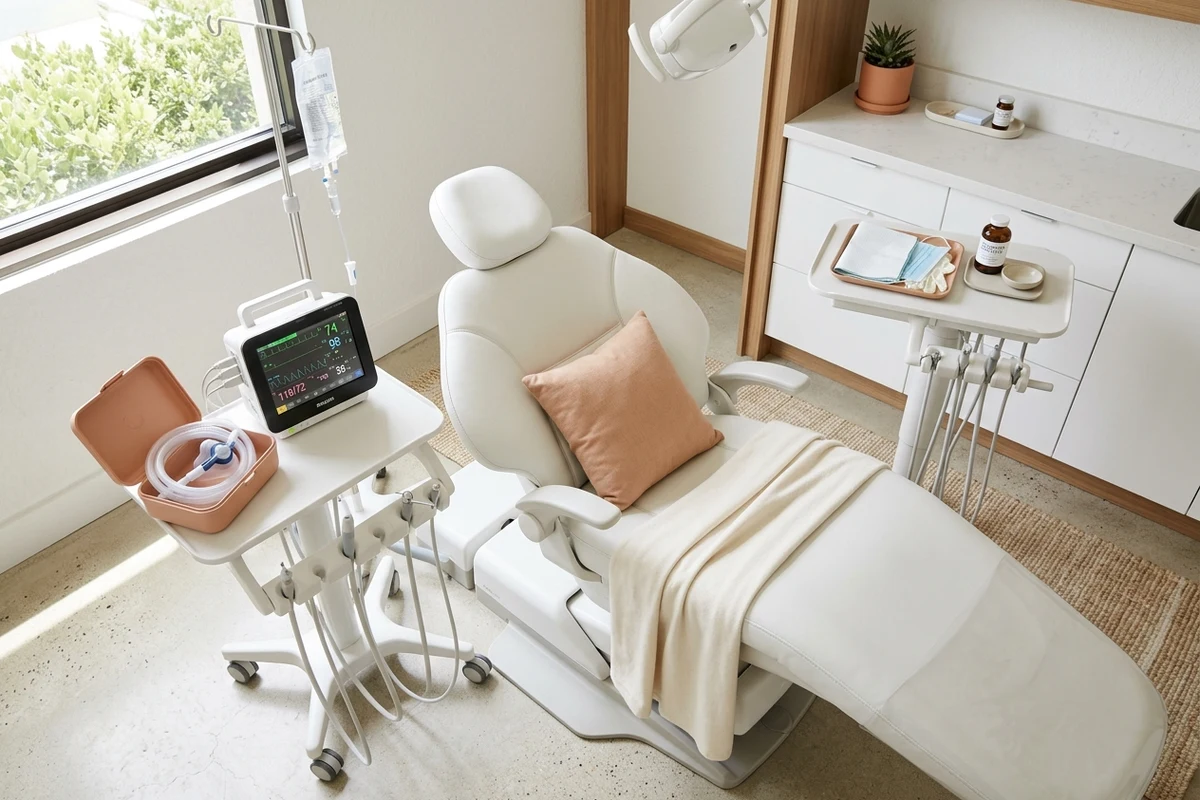
Finding a sedation dentist Chino CA patients rely on helps individuals overcome appointment fears through gentle communication, calibrated sedative options, and careful clinical monitoring for routine or restorative dental care.
Dental Sedation and General Dentistry Care
Sedation dentistry incorporates specialized calming medications into general dental care to alleviate fear and physical tension during routine procedures. This approach allows clinical teams to deliver preventive cleanings, restorative treatments, or periodontal therapy while patients remain comfortable and relaxed throughout treatment.[1][2]
Relieving Apprehension During Routine Treatment
A dental anxiety dentist utilizes targeted anxiolysis to help patients manage clinical nervousness without losing awareness. Minimal sedation dampens physiological stress responses, such as a rapid pulse or trembling, enabling individuals who avoid preventative checkups to receive necessary oral health upkeep safely and predictably.[1][3]
Distinction Between Sedation and Anesthesia
Pharmacological sedation alters consciousness and reduces emotional tension, but it does not block localized physical pain. Clinicians therefore combine sedative agents with local anesthesia to numb specific teeth and gingival tissues, ensuring comprehensive patient comfort during mechanical drilling or tooth restoration.[1][2]
Sedation Candidacy and Medical Screening
Determining suitability for clinical sedation requires systematic evaluation of medical history, baseline vitals, and psychological triggers. Practitioners review systemic health conditions, airway anatomy, and potential pharmacological interactions to choose the safest sedative protocol for each individual patient.[1][2]
Physical Health Stratification and Airway Review
Clinicians assess candidates using the American Society of Anesthesiologists physical status classification system alongside body mass index calculations. Evaluating preexisting cardiovascular conditions, respiratory capacity, and anatomical airway patency prevents respiratory compromise or unexpected physiological depression during sedative administration.[1][2]
Recognizing Severe Phobic Triggers
Consulting a dental phobia dentist helps individuals with odontophobia or strong gag reflexes navigate care without distress. Clinicians evaluate past traumatic visits, fear of local anesthetic needles, or feelings of helplessness in the dental chair to match anxiety severity with appropriate calming interventions.[1][3]
Recognizing Signs That Warrant Evaluation
Avoidance of regular dental examinations often points to profound psychological apprehension rather than apathy. Identifying physical and behavioral signs early allows individuals to request specialized support before neglected oral hygiene leads to progressive decay or advanced periodontal breakdown.[1][3]
Behavioral Hesitation and Physical Distress
Patients who repeatedly postpone visits, experience pre-appointment insomnia, or exhibit elevated blood pressure during routine cleanings often benefit from structured anxiety management. Scheduling an exploratory consultation with a gentle dentist Chino offers lets patients address mild sensitivity or bleeding gums without procedural pressure.[1][3]
Pre-Procedure Clinical Assessment
Before scheduling sedated treatment, clinicians conduct a thorough assessment to establish safety baselines. This consultation reviews full medication lists, confirms fasting guidelines when deeper levels are required, and outlines chaperone arrangements for safe transportation following the visit.[1][2]
Safety Clearances and Preoperative Instructions
Practitioners carefully verify that patients have a designated adult escort available to drive them home after oral or intravenous sedation. Clinicians also review current prescription medications, over-the-counter supplements, and pre-procedure fasting protocols to minimize adverse central nervous system depression or aspiration risks during operative care.[1][2]
Clinical Sedation Levels and Tradeoffs
General dental practices offer multiple sedation modalities based on procedural complexity and personal apprehension. Available techniques range from mild inhaled gases to deeper intravenous protocols, with distinct advantages regarding onset speed, recovery duration, and required clinical monitoring.[1][2]
Inhalation and Oral Minimal Sedation
Inhalation sedation using nitrous oxide and oxygen delivers rapid relaxation and fast recovery, permitting individuals to drive home independently after treatment. Alternatively, single-dose enteral oral sedatives provide deeper calmness while keeping patients awake, though motor uncoordination requires a companion for travel.[1][2]
Moderate Conscious Sedation and Deep Anesthesia
Moderate sedation produces a depressed level of consciousness where patients still respond purposefully to verbal cues or light touch while maintaining their own airway. Deep sedation or general anesthesia involves complete unconsciousness, requiring specialized administration by dental anesthesiologists or oral surgeons for complex surgical needs.[1][2]

Procedural Steps and Safety Monitoring
Undergoing treatment with sedation follows a predictable, regulated sequence designed to preserve patient safety. Clinical teams maintain continuous physiological observation while combining gentle behavioral communication techniques with pharmacological support throughout every phase of the dental appointment.[1][2][3]
Continuous Vital Sign Tracking
During moderate conscious sedation, clinicians continuously track physiological parameters to identify shifts in patient stability. Dedicated equipment measures heart rate, pulse oximetry, blood pressure, and ventilation status via capnography to confirm uninterrupted, autonomous breathing while restorative dental procedures are performed.[1][2]
Behavioral Distraction and Calming Techniques
A dentist for anxious patients Chino families visit often pairs sedative medication with behavioral adjustments to increase personal control. Practices implement structured communication to keep visits predictable and manageable alongside pharmacological support.[1][3]
- Non-verbal hand signals that immediately pause dental instruments
- Tell-Show-Do explanations that preview tools before oral application
- Diaphragmatic breathing cues that reduce acute sympathetic tension
- Audio or visual distractions using headphones to mask drilling sounds
Recovery Protocols and Ongoing Maintenance
Post-procedure recovery depends on the specific sedative administered, the procedure's duration, and individual metabolic clearance rates. Following standard post-operative protocols allows patients to recover safely while establishing regular oral hygiene habits to protect restored teeth over the long term.[1][2]
Immediate Post-Operative Supervision
Patients receiving oral or intravenous sedation remain under clinical observation until vital signs normalize and alertness returns. Because temporary grogginess, reduced coordination, and partial amnesia are common, patients must be discharged into the custody of a responsible adult for safe transport home.[1][2]
Sustaining Long-Term Oral Health
Successfully completing appointments with sedation helps break chronic patterns of dental avoidance. Individuals seeking sedation dentistry near me can gradually build tolerance for preventive checkups, allowing consistent dental hygiene cleanings to prevent recurrent decay, pulpal pathology, and periodontal infections.[1][3]

Clinical Limitations and Safety Considerations
While clinical sedation is well tolerated under standardized professional protocols, it carries inherent medical considerations. Thorough pre-procedure disclosure of systemic health conditions, respiratory issues, and all current pharmaceuticals remains necessary to limit adverse cardiopulmonary events and ensure predictable procedural outcomes.[1][2]
Risk Reduction Through Structured Planning
Practitioners minimize procedural complications by following established guidelines from the American Dental Association, including strict fasting windows and continuous respiratory monitoring. Patients prepare effectively by attending preliminary consultations solely to review medical history, clarify concerns, and finalize tailored sedation plans.[1][2]
Sources
- nih.gov — pmc.ncbi.nlm.nih.gov
- ada.org — American Dental Association
- harvard.edu — health.harvard.edu
Common questions
Frequently asked questions
Talk with a dentist about your next step
Contact One Ounce Dental to schedule a personalized consultation. Our team is available to discuss your oral health needs, review anxiety management options, and answer your questions in a comfortable setting.
More Articles
View all Preventive & General
Saturday Dentist Chino CA: Weekend General Dentistry and Urgent Visits
Scheduling care with a Saturday dentist Chino CA patients trust helps maintain optimal oral health without disrupting weekday routines. Learn how regular examinations, professional cleanings, and personalized preventive intervals protect your teeth and gums over time.October 2, 2026 · 6 min read Preventive & General
Preventive Dentist Chino: General Dentistry Before Problems Grow
Partnering with a preventive dentist Chino helps protect natural enamel across every stage of life. Evidence-based treatments like dental sealants and topical fluoride prevent decay, stop early demineralization, and support lasting oral health.October 1, 2026 · 6 min read Preventive & General