

New Patient Dental Special Chino: What General Dentistry Visits Include
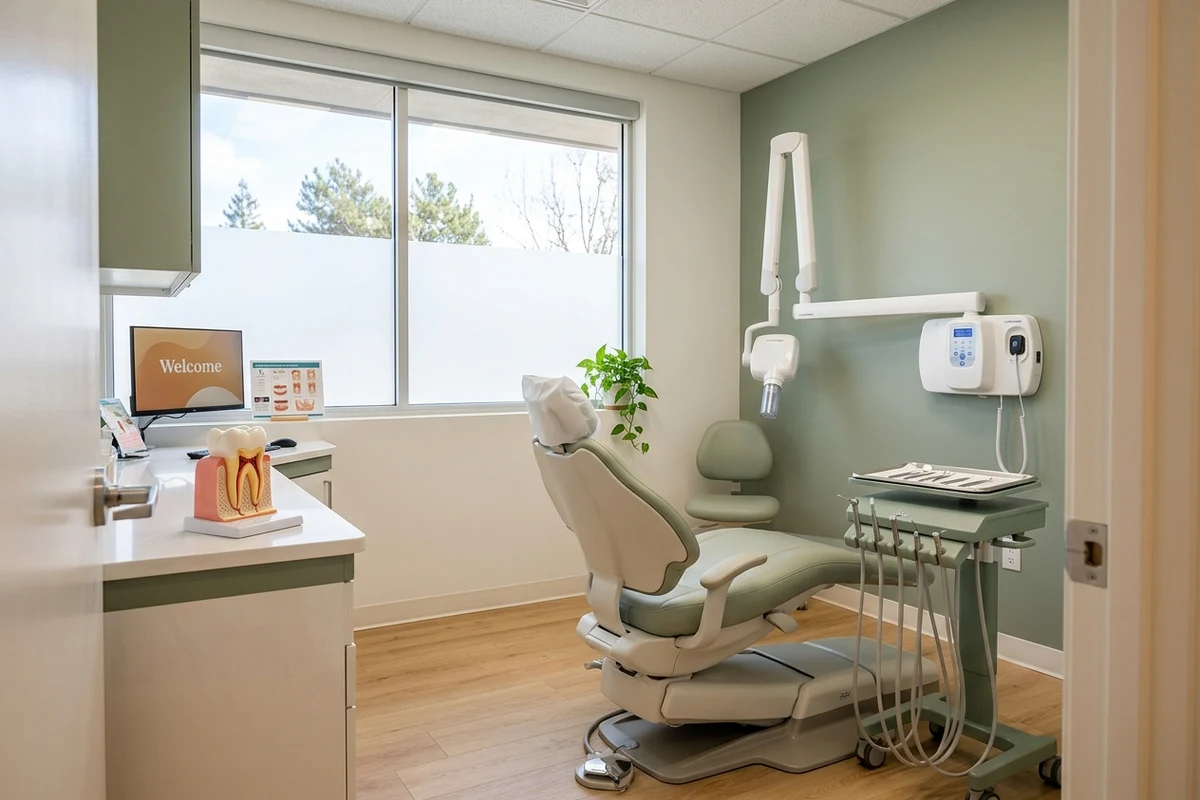
Understanding what is included in a new patient dental special Chino helps individuals prepare for clinical evaluations, diagnostic dental imaging, systemic medical reviews, and professional preventive dental cleanings.
Understanding New Patient Dental Evaluations
A new patient visit serves as an entry point into general dentistry, establishing a clinical baseline rather than just providing a quick polish. It links initial diagnostic screenings with long-term oral disease prevention and tailored treatment planning.[1]
Establishing Baseline Health Records
When visiting a dentist accepting new patients Chino, the clinical team gathers extensive baseline data to understand current oral wellness. This documentation provides a clinical benchmark against which all future tissue changes, tooth wear, and restorative stability are measured, ensuring personal treatment trajectories remain safe, clear, and proactive.[1]
The Role of Systemic Health Reviews
Dental evaluations directly consider overall medical wellness because oral tissues reflect broader bodily health. Clinicians examine chronic conditions like cardiovascular disease or diabetes, as well as current medications, to identify potential risks such as dry mouth or heightened bleeding tendencies before beginning any clinical intervention.[1][3]
Clinical Factors Influencing Initial Care
Multiple individual factors dictate how an introductory dental visit proceeds. Patient health background, prior dental records, and the presence of underlying active diseases determine which diagnostic tests are necessary and whether a routine cleaning is appropriate.[1][2]
Periodontal Health and Cleaning Eligibility
A standard dental exam and cleaning special Chino is clinically designed for patients with healthy gums or mild gingivitis. If diagnostic probing reveals deeper gum pockets or bone loss characteristic of periodontitis, a standard preventive cleaning is insufficient, requiring advanced periodontal therapy to remove subgingival bacterial tartar.[1]
Existing Records and Radiation Exposure
Access to recent diagnostic radiographs from prior dental offices influences the need for new imaging during your visit. Transferring diagnostic records helps minimize unnecessary radiation exposure, allowing clinicians to focus imaging only on areas where tooth structures, existing restorations, or bone levels require updated clinical assessment.[2]
Indications for Scheduling an Initial Evaluation
Scheduling an introductory appointment is recommended for individuals transitioning to a new area, those experiencing mild oral symptoms, or patients seeking an affordable dental cleaning Chino after an extended absence from routine preventive care.[1]
Routine Symptoms Prompting an Exam
Scheduling an evaluation is prudent when noticing mild signs like minor tooth sensitivity to cold, slight gum bleeding during flossing, or rough edges on older fillings. Addressing these early indicators prevents minor surface decay or localized gingival inflammation from progressing into complex tooth infections or advanced tissue breakdown.[1]
Diagnostic Components of the Comprehensive Exam
Professional dental evaluations follow systematic clinical guidelines to examine every oral structure thoroughly. Dentists utilize specialized visual, tactile, and radiographic techniques to identify hidden pathology well before symptoms cause physical pain or significant structural damage.[1][2]
Head, Neck, and Soft Tissue Screenings
The evaluation begins with extraoral palpation of cervical lymph nodes, salivary glands, and jaw joints, followed by an intraoral soft tissue screening. Dentists examine the tongue, palate, and cheeks for unusual tissue lesions, followed by calibrated periodontal probing to evaluate gum health around every individual tooth.[1]
Diagnostic and Preventive Treatment Alternatives
Based on comprehensive findings, dentists tailor preventive and therapeutic recommendations to individual risk levels. Clinical treatment approaches range from standard hygiene maintenance to targeted protective therapies that fortify tooth enamel against chronic decay.[1][2]
Preventive Hygiene versus Periodontal Therapy
A primary clinical decision involves choosing between standard prophylaxis and therapeutic deep scaling. While routine polishing and supragingival scaling maintain healthy gingival tissues, patients presenting with active periodontal pockets require root surface debridement under local anesthesia to halt progressive alveolar bone destruction and chronic bacterial inflammation.[1]
Additional Protective Therapies
Clinicians may recommend supplemental interventions based on documented caries risk during your clinical exam. Professional topical fluoride applications help remineralize weakened enamel surfaces, while protective dental sealants can be applied to deep grooves and fissures on vulnerable molars, significantly reducing bacterial accumulation and prospective decay formation.[1]
The Clinical Sequence During the Initial Visit
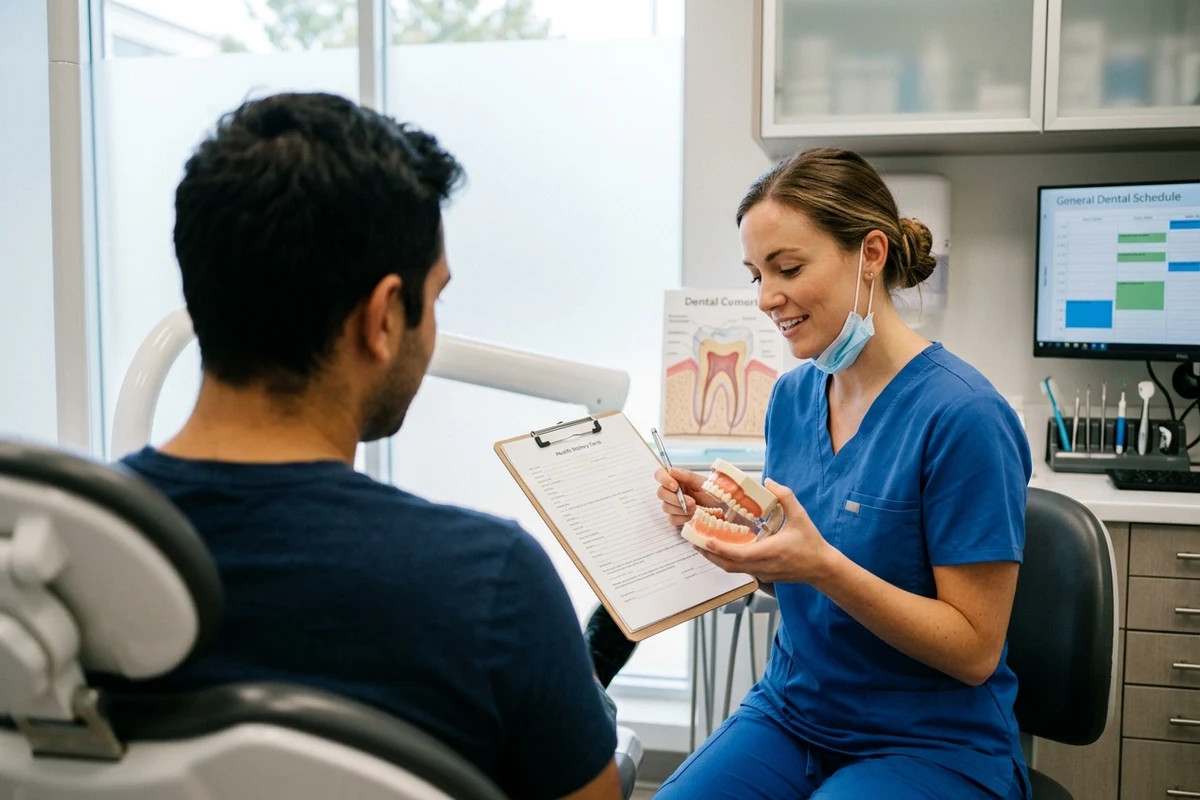
Introductory visits adhere to an orderly sequence designed to ensure patient comfort, safety, and thoroughness. Knowing what occurs at each stage helps patients navigate their appointment calmly while collaborating with their professional dental team.[1][2]
Step-by-Step Appointment Flow
A structured sequence ensures all diagnostic and preventive standards are met thoroughly during your appointment with a new patient dentist Chino. Each phase builds upon the previous step to establish a complete clinical picture before any physical cleaning begins, ensuring all treatments remain entirely safe and appropriate.[1][2]
- Reviewing medical histories, vital signs, and primary dental goals.
- Capturing diagnostic digital radiographs to evaluate underlying bone and tooth structures.
- Performing comprehensive soft tissue, periodontal, and hard tissue clinical evaluations.
- Completing professional scaling and polishing if periodontal health permits.
Managing Discomfort and Anxiety
Patient comfort remains a priority throughout diagnostic examinations and cleanings. Clinical teams pace procedures thoughtfully, explain tools before use, and utilize topical numbing agents if sensitive gums experience mild tenderness during tartar removal, ensuring individuals with sensory sensitivity or dental anxiety feel secure and supported throughout the appointment.[1]
Ongoing Care and Maintenance Protocols
Sustaining oral health after an introductory appointment involves combining diligent daily home hygiene with structured professional maintenance intervals. Consistent collaboration between the patient and dental provider preserves healthy gum attachment and prevents new structural decay.[1]
Daily Oral Hygiene Recommendations
Long-term oral health depends heavily on effective daily biofilm removal. Clinicians instruct patients to brush twice daily using a soft-bristled brush and fluoride toothpaste, supplemented by daily interdental cleaning with floss or specialized brushes to eliminate plaque from tight spaces where toothbrushes cannot reach.[1]
Determining Recall Intervals
Although six months is the conventional recall timeframe for many individuals, recall schedules must match personalized risk factors. Patients with active plaque buildup, systemic conditions like diabetes, or a history of periodontal disease often benefit from three- or four-month maintenance visits to preserve tissue stability.[1][3]

Managing Risks and Planning Next Steps
Delaying comprehensive dental examinations allows asymptomatic conditions, such as microscopic caries and early periodontal pockets, to worsen undetected. Identifying these concerns early prevents extensive tissue damage and minimizes the need for complex, costly interventions later.[1][2]
Finalizing the Personalized Care Plan
Following the exam, the dentist discusses diagnostic findings and presents a transparent, prioritized plan for any necessary restorative or periodontal care. Patients can ask questions regarding procedural timelines, preventive strategies, and home routines, ensuring they make informed decisions aligned with their individual oral health goals.[1]
Sources
- ada.org — American Dental Association
- mouthhealthy.org — American Dental Association
- nih.gov — National Institute of Dental and Craniofacial Research
Common questions
Frequently asked questions
Talk with a dentist about your next step
Contact One Ounce Dental today to request an appointment and discuss your oral health goals with our clinical team, ensuring your smile receives personalized, comprehensive preventive care.
More Articles
View all Orthodontics
Invisalign Chino CA: Treatment, Cost, and Daily Care
Exploring Invisalign Chino CA care connects patients with clear, removable orthodontic aligners designed to address dental misalignment. Learn about clinical candidacy, daily wear commitments, oral hygiene, and retention protocols before beginning therapy.September 29, 2026 · 6 min read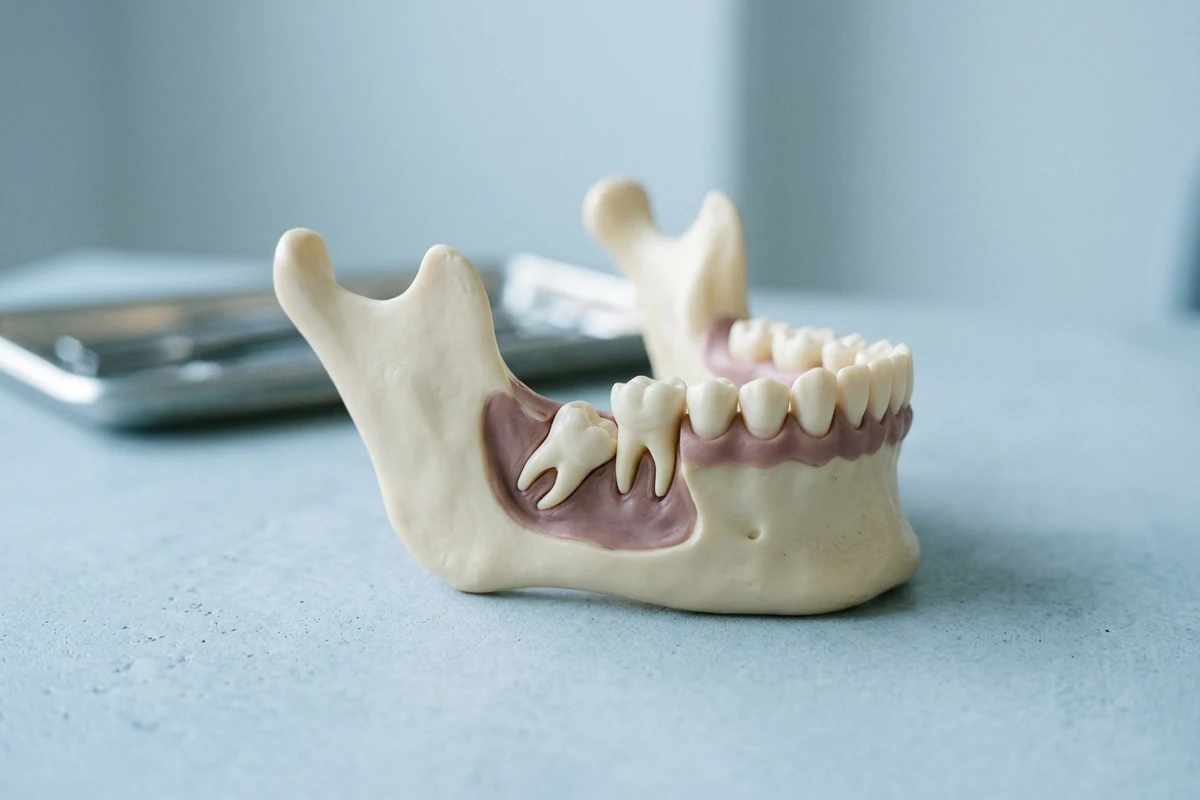 Implants & Oral Surgery
Wisdom Teeth Removal Chino: Procedure and Recovery
Evaluating third molars helps protect surrounding teeth and oral health. Discover how wisdom teeth removal Chino clinicians provide addresses impacted teeth, procedural steps, sedation choices, and practical recovery guidelines for lasting comfort.September 28, 2026 · 6 min read Restorative Care