

Dry Socket Symptoms, Causes, and General Dentistry Treatments
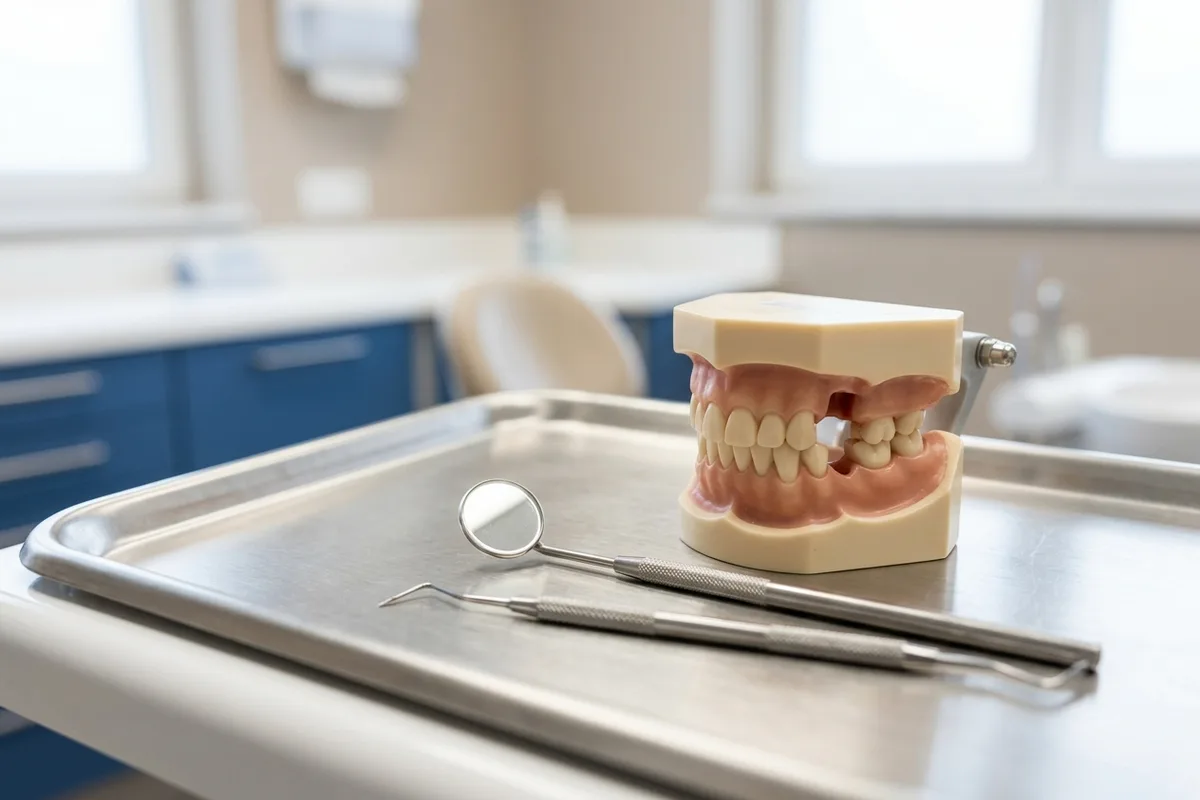
Dry socket develops when a blood clot dissolves or dislodges after a tooth extraction, leaving sensitive bone exposed. Understanding its symptoms, risk factors, and dental treatments helps protect normal oral healing.
Understanding Dry Socket and General Dentistry Care
Dry socket, clinically known as alveolar osteitis, represents a temporary healing disruption that can occur after a tooth is removed. General dentistry encompasses both the initial extraction and the postoperative follow-up required to monitor tissue repair, evaluate discomfort, and restore normal oral function.
The Role of the Protective Blood Clot
Following a tooth removal, a blood clot normally fills the empty space to shield the underlying bone and nerve endings. A dry socket occurs when this natural clot fails to form properly or becomes dislodged, leaving the jawbone exposed to air, oral fluids, and food particles within the mouth.[1][2]
General Dentistry Support During Recovery
General dentistry practices routinely oversee routine healing after tooth extractions while addressing complications that emerge during recovery. When a patient experiences unexpected discomfort, dental professionals examine the extraction socket, irrigate accumulated debris with sterile solutions, and place localized soothing medicaments directly over bare bone surfaces to alleviate acute symptoms.[1][2]
Contributing Factors and Individual Risk
While dry socket occurs in about 1% to 5% of routine extractions, the likelihood varies considerably based on anatomical location and procedural complexity. Understanding specific behavioral and physical risks helps clinicians identify individuals who may benefit from tailored preventive strategies.[2][3]
Extraction Complexity and Jaw Anatomy
The risk of dry socket increases up to 25% to 38% for surgical wisdom tooth removals in the lower jaw. Lower third molars sit in dense bone and often possess curved roots requiring heavy extraction force, which can crush bone cells and impede local blood supply over the next 24 to 96 hours.[2][3]
Patient Habits and Medical History
A previous dry socket increases the likelihood of recurrence by 11.45-fold after accounting for extraction difficulty. Beyond medical background, patient behaviors and biological variables significantly influence whether a protective clot remains secure or breaks down prematurely during the earliest stages of healing.[1][3]
- Tobacco smoking
- Using birth control pills
- Drinking through straws or spitting vigorously during recovery
- Maintaining poor oral hygiene that increases local bacteria
Clinical Symptoms and Onset Timing
Recognizing the onset of dry socket involves monitoring both the nature of discomfort and the timing of its presentation. Unlike standard post-surgical soreness that progressively improves, this complication typically develops a few days after an otherwise uneventful extraction.[1][3]
Hallmark Discomfort and Visible Changes
Symptoms typically emerge two to three days post-extraction, featuring severe, continuous throbbing pain that radiates along the jaw toward the ear, temple, eye, or neck. Patients may notice an empty socket showing visible bare bone walls that trigger sharp pain when touched, along with bad breath, foul taste, or mild fever.[1][2][3][4][5]
How Dental Clinicians Assess the Extraction Site
Professional evaluation allows a dentist to distinguish localized alveolar osteitis from normal healing discomfort or other surgical complications. Dentists review procedural history, assess tissue response, and examine the socket directly to determine whether exposed bone requires targeted clinical intervention.[2][3]
Visual Inspection and Risk Assessment
Clinicians inspect the extraction space to verify whether the blood clot is absent or incomplete and check for visible bare bone margins. The practitioner assesses local sensitivity to gentle probing, screens for trapped debris or bacterial biofilm, and reviews prior dry socket history to guide immediate supportive care.[2][3][5]
Preventive Interventions and Management Options
Clinicians utilize several evidence-based preventive strategies before and during tooth removal to reduce complication rates. Evaluating these local interventions allows dental providers to weigh clinical benefits against minor side effects while addressing individual patient susceptibility.[3][4]
Antiseptic Rinses and Intersocket Gels
Using 0.12% or 0.2% chlorhexidine rinses prior to extraction and resuming 24 hours later significantly reduces dry socket occurrence compared to placebo. Alternatively, placing 0.2% chlorhexidine gel directly into the socket lowers dry socket odds by 58%, avoiding side effects seen with rinses such as altered taste, mouth sores, or tooth staining.[4][5]
Topical Dressings and Adjunctive Approaches
When managing dry socket pain, very low-certainty evidence suggests Alvogyl may decrease day seven discomfort more effectively than zinc oxide eugenol dressings. Meanwhile, research shows placing platelet-rich plasma inside the socket is not superior to placebo for preventing dry socket, and routine preventive systemic antibiotics are generally not recommended.[4][5]

In-Office Treatment and Procedural Sequence
When dry socket occurs, clinical care focuses on immediate palliative relief and restoring an environment suitable for tissue regeneration. Dental teams follow a structured sequence to cleanse the irritated area, protect exposed nerves, and monitor healing progress.[1][2]
Cleansing the Site and Applying Dressings
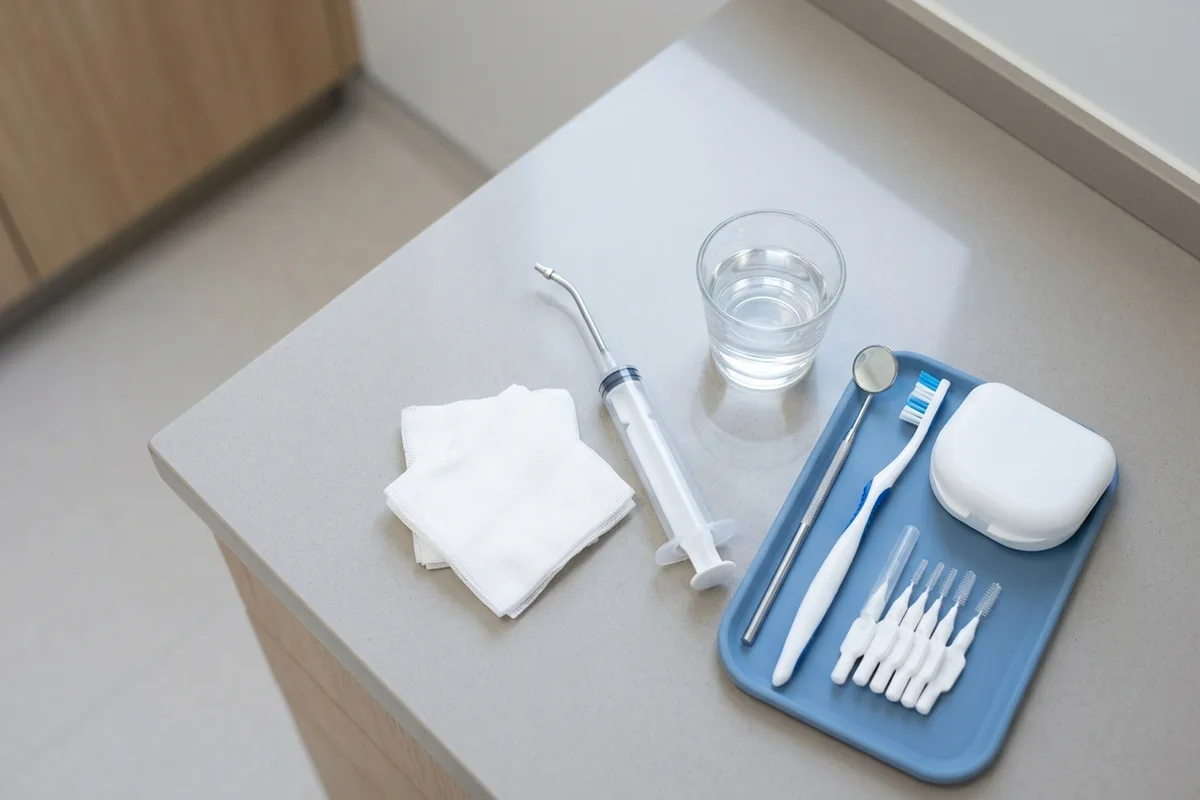
The dentist gently irrigates the socket using saline or chlorhexidine to flush away trapped food particles and bacterial biofilms that hinder healing. A medicated paste or sedative dressing is then placed directly over the exposed bone to soothe sensitive nerve endings and alleviate acute discomfort.[1][2]
Bone Smoothing and Subsequent Appointments
If sharp bone edges protrude, the dentist may trim bone margins or gently induce bleeding within the socket to promote fresh tissue coverage. Approximately 45% of affected individuals require multiple return office visits, occasionally up to four, to replace palliative dressings.[1][2][4]
Recovery Timeline and Long-Term Healing
Resolving dry socket requires patience while internal tissues gradually repair the extraction opening. Acute symptoms resolve steadily once delicate cellular layers begin re-establishing coverage over exposed bone, allowing normal oral function to return safely.[2]
Supportive Home Care Recommendations
Patients support recovery by taking recommended medications as directed, applying cold packs to the jaw, and performing gentle salt water or prescribed oral irrigations. Complete avoidance of tobacco and alcohol remains essential to protect delicate healing tissues and prevent delays in overall socket recovery.[1]
Tissue Regeneration and Treatment Conclusion
Once vital surface epithelium completely covers all previously bare bone, acute pain naturally subsides. At this important healing milestone, medicated dressings and debridement procedures are no longer necessary, indicating that the extraction opening has transitioned into normal long-term tissue remodeling.[2]
Risk Reduction and Proactive Dental Planning
Experiencing dry socket highlights the value of pre-surgical risk assessment.[3]
Collaborative Prevention for Future Care
Patients planning future extractions should inform their dental provider of any past dry socket occurrences, given the elevated recurrence rate. Clinicians can evaluate individual risk factors in advance, deploying noninvasive preventive steps like chlorhexidine rinses or gels to ensure a smoother, more comfortable surgical recovery.[3][4]
Sources
- Dry socket — medlineplus.gov
- Dry Socket Etiology, Diagnosis, and Clinical Treatment Techniques — pmc.ncbi.nlm.nih.gov
- Previous dry socket as a risk factor for alveolar osteitis: A nested case-control study in primary healthcare services — pmc.ncbi.nlm.nih.gov
- Local interventions for the management of alveolar osteitis (dry socket) — pmc.ncbi.nlm.nih.gov
- Local interventions for the management of alveolar osteitis (dry socket) — pubmed.ncbi.nlm.nih.gov
Common questions
Frequently asked questions
Questions about your own smile?
If you are preparing for a tooth extraction or have questions about post-procedure healing, contact One Ounce Dental in Chino, CA, at 909.283.3130 to request an appointment and discuss your individual care.
More Articles
View all Preventive & General
Teeth Bonding Vs Veneers: A Patient Guide to Cosmetic Dentistry
Choosing between teeth bonding vs veneers depends on your cosmetic goals, budget, and dental health. Learn how porcelain shells and composite resin compare in durability, stain resistance, and the treatment process to improve your smile.October 7, 2026 · 5 min read Preventive & General
Sedation Dentist Chino CA: General Dentistry Options for Anxiety
Finding a sedation dentist Chino CA patients rely on helps individuals overcome appointment fears through gentle communication, calibrated sedative options, and careful clinical monitoring for routine or restorative dental care.October 5, 2026 · 6 min read Preventive & General