

Invisalign Chino CA: Treatment, Cost, and Daily Care
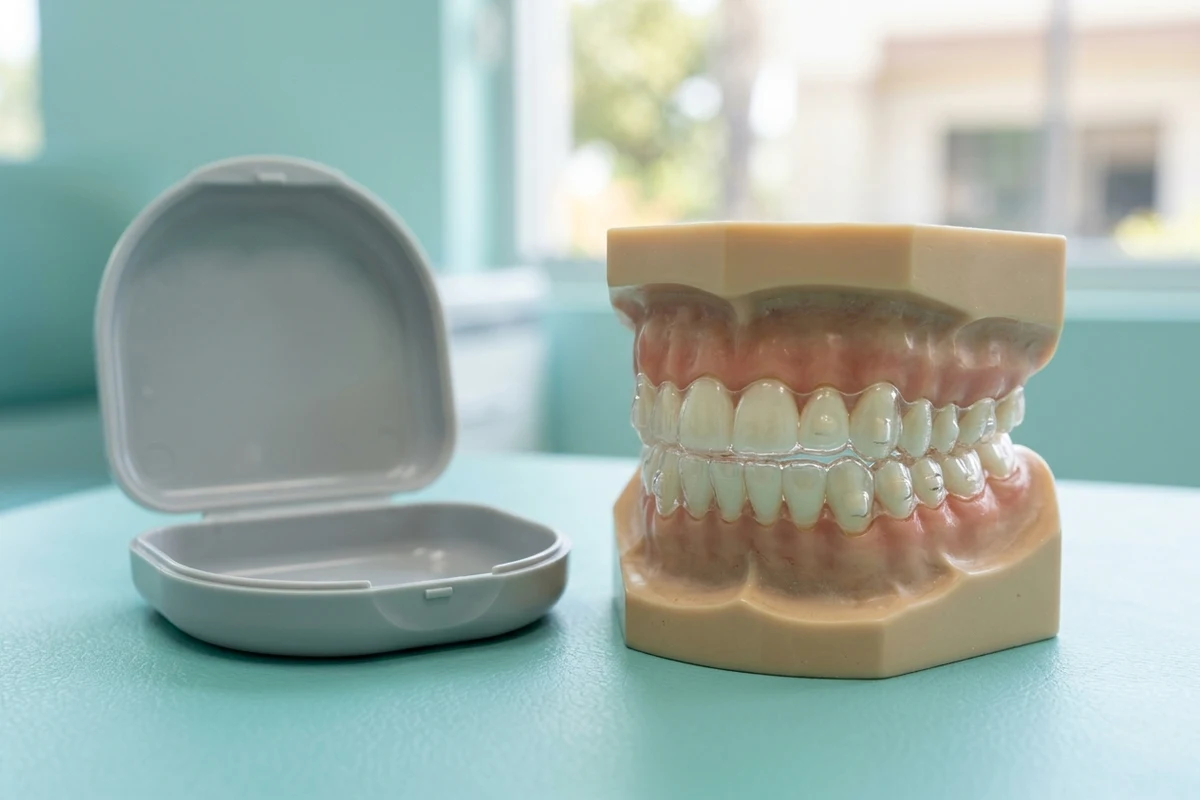
Exploring Invisalign Chino CA care connects patients with clear, removable orthodontic aligners designed to address dental misalignment. Learn about clinical candidacy, daily wear commitments, oral hygiene, and retention protocols before beginning therapy.
Understanding Clear Aligner Orthodontic Therapy
Clear aligner therapy uses sequential thermoplastic trays to shift teeth into planned anatomical positions. Rather than bonding fixed metal brackets, this orthodontic approach relies on transparent, custom appliances that patients take out for meals and routine oral cleaning throughout their treatment timeline.[1][2]
Biomechanics of Progressive Aligners
Each aligner tray in a prescribed series is calibrated to exert gentle, controlled mechanical forces on targeted teeth. As teeth respond to this continuous light pressure, the surrounding periodontal ligament and alveolar bone slowly remodel, guiding the teeth toward their desired clinical alignment without the need for archwires.[1][3]
Role in Comprehensive Dental Care
Patients evaluating clear aligners Chino services often seek a discreet, functional alternative to conventional orthodontics. Clear aligners integrate with general dental health by facilitating normal brushing and flossing, which helps maintain lower levels of plaque accumulation when compared to traditional fixed appliances during active tooth repositioning.[1][2][3]
Clinical Candidacy and Patient Selection Factors
Determining eligibility for clear orthodontic aligners requires assessing anatomical complexity alongside soft-tissue stability. While aligners resolve many malocclusions, successful tooth movement depends on biological health, periodontal stability, and a patient's capacity to follow strict daily wear protocols.[1][3]
Appropriate Dental Alignment Conditions
Clear aligners effectively address mild to moderate crowding, spacing discrepancies, and minor bite misalignments such as mild overbites or open bites. They are also widely utilized for orthodontic relapse cases where teeth have drifted after previous therapy, providing predictable outcomes when complex skeletal corrections are not required.[1][3]
Oral Health and Wear Requirements
Before starting adult clear aligners Chino treatment, patients must be free of active tooth decay and untreated periodontal disease. Because trays are fully removable, success also demands rigorous compliance. Wearing aligners for at least twenty to twenty-two hours daily is necessary to prevent tracking failure and extended timelines.[1][2][3]
Recognizing When to Seek an Orthodontic Assessment
Dental misalignment influences more than just smile aesthetics; it can affect bite mechanics, chewing efficiency, and daily oral hygiene access. Recognizing these signs helps individuals decide when to seek an evaluation for corrective clear aligner therapy.[1][2]
Observable Alignment and Functional Concerns
Individuals may consider an evaluation when experiencing crowded teeth that trap food, uneven wear patterns on biting surfaces, or localized gum inflammation caused by difficult plaque removal. Seeking advice from an Invisalign dentist Chino provider clarifies whether clear aligners can properly resolve these functional and structural concerns.[1][2]
Clinical Diagnostics and Aligner Treatment Planning
A comprehensive orthodontic evaluation confirms whether clear aligners match a patient's anatomical needs. Licensed practitioners examine oral tissues, evaluate occlusal relationships, and gather diagnostic records to model tooth movement safely before prescribing an aligner sequence.[1][2][3]
Diagnostic Examination and Digital Mapping
The practitioner performs a comprehensive clinical exam, takes digital impressions or scans, and reviews radiographic imaging to assess bone support and root angulation. This digital mapping allows the clinician to design sequential tray stages, identify necessary auxiliary attachments, and confirm that the supporting bone can withstand orthodontic force.[1][3]
Orthodontic Approaches and Appliance Considerations
Selecting between clear aligners and alternative orthodontic systems involves evaluating cosmetic preferences, biomechanical capabilities, and personal discipline. Understanding the functional differences helps patients choose the appliance that aligns with their clinical needs and lifestyle habits.[1][2]
Clear Aligners Compared to Fixed Braces
Fixed metal or ceramic braces use bonded brackets and wires that remain attached continuously, handling severe skeletal discrepancies, heavy rotations, and significant root movements effectively. In contrast, clear aligners offer superior aesthetics and ease of hygiene, but rely entirely on patient discipline to deliver predictable mechanical forces every day.[1][2][3]
Treatment Complexity and Financial Factors
When assessing Invisalign cost Chino factors, overall expense correlates directly with clinical case complexity and total treatment duration. Minor relapses or simple spacing corrections require fewer aligner stages, while comprehensive bite realignments demand additional trays, composite attachments, and extended clinical monitoring, which influence overall investment.[1][3]

The Clear Aligner Treatment Sequence
Undergoing clear aligner therapy follows an organized clinical sequence from diagnostic scanning to tray delivery. Each stage is calibrated to move teeth safely while providing patients with clear expectations regarding adaptation, wear protocols, and routine progress checks.[1][2]
Tray Fitting and Early Adaptation
Once custom trays arrive, the provider seats the initial set and bonds small, tooth-colored composite attachments if rotational control is needed. Patients often experience mild pressure, transient speech adjustments, or slight salivation changes during the first few days as oral tissues and the periodontal ligament adapt to mechanical force.[1][2][3]
Progression Protocols and Wear Steps
Patients progress through their tray series systematically, monitoring alignment changes and attending scheduled clinical appointments to ensure proper tracking. Adhering to sequential steps maintains orthodontic momentum and safeguards oral tissues throughout active movement.[1][2][3]
- Wear each aligner set for twenty to twenty-two hours daily as instructed by the clinician.
- Remove trays exclusively for eating, drinking non-water beverages, and brushing teeth.
- Advance to the next sequential tray set according to the prescribed clinical timeline.
- Attend periodic progress visits to verify teeth are tracking accurately against digital models.
Daily Appliance Maintenance and Post-Treatment Retention
Maintaining aligner cleanliness and preserving dental health during active movement requires diligent daily habits. Furthermore, stabilizing the teeth after active realignment finishes is vital to prevent orthodontic relapse and protect the treatment outcome long into the future.[1][2][3]
Daily Cleaning and Enamel Protection
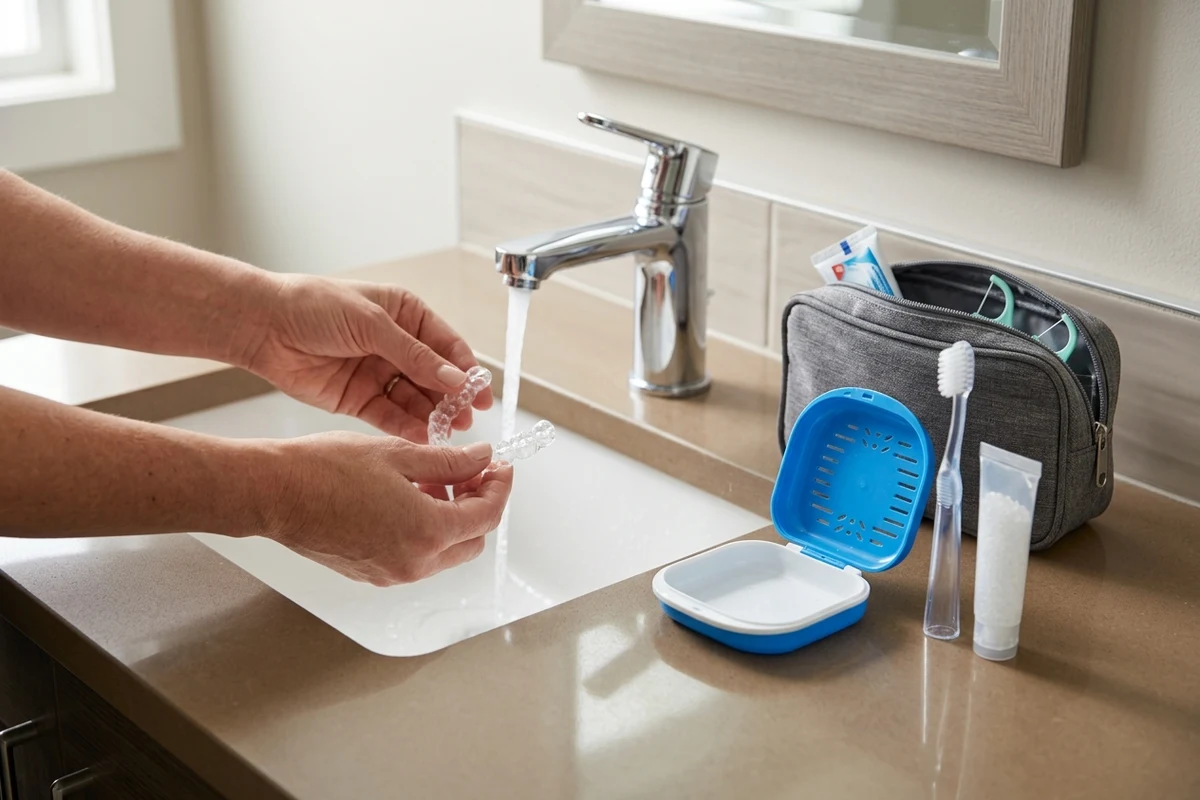
Clean aligners with lukewarm water and a soft-bristled brush using non-abrasive cleaners to prevent bacterial biofilm build-up. Never use hot water, which warps thermoplastic material. Always brush and floss before reseating trays to avoid trapping fermentable sugars and bacteria against enamel, which drastically elevates tooth demineralization risks.[1][2][3]
Long-Term Retention Protocols
Bone and periodontal fibers require substantial time to remodel fully once active movement concludes. Wearing prescribed retainers, whether removable or fixed, is mandatory to prevent teeth from shifting back toward their original positions. Consistent retainer wear maintains dental stability and protects your smile over a lifetime.[1][2]
Clinical Limitations and Consultation Steps
Clear aligner therapy offers substantial aesthetic advantages but possesses defined clinical boundaries. Understanding potential complications, tracking limitations, and the necessity of direct clinical oversight helps patients make well-informed decisions regarding their orthodontic health and next treatment steps.[1][3]
Managing Complications and Scheduling Evaluation
If an aligner stops fitting closely against the teeth, an attachment detaches, or a tray cracks, contact your provider promptly for guidance. Scheduling an in-person consultation allows an experienced clinician to evaluate your unique dental anatomy, discuss clinical suitability, and design an effective, safe orthodontic plan.[1][2][3]
Sources
- aaoinfo.org — American Association of Orthodontists
- mouthhealthy.org — American Dental Association
- nih.gov — pmc.ncbi.nlm.nih.gov
Common questions
Frequently asked questions
Talk with a dentist about your next step
To explore whether clear orthodontic aligners fit your smile goals, contact One Ounce Dental to schedule a comprehensive consultation and discuss personalized treatment recommendations with our clinical team.
More Articles
View all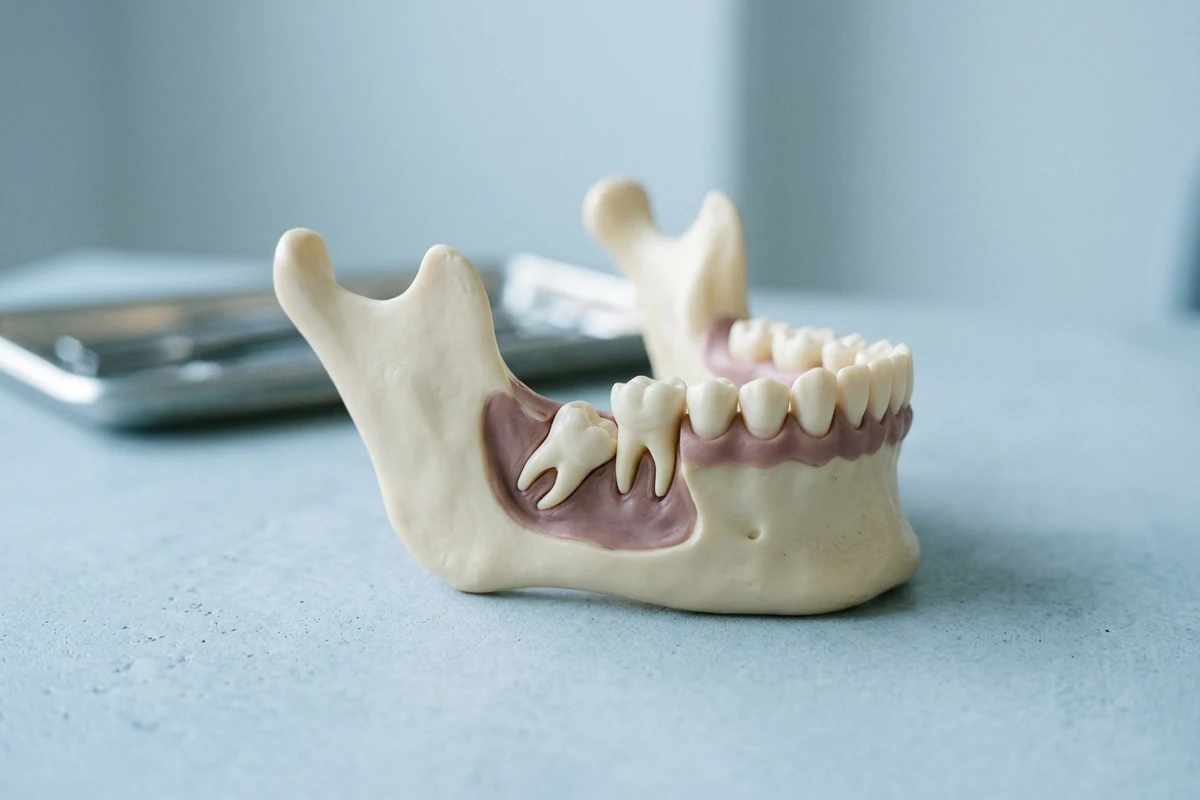 Implants & Oral Surgery
Wisdom Teeth Removal Chino: Procedure and Recovery
Evaluating third molars helps protect surrounding teeth and oral health. Discover how wisdom teeth removal Chino clinicians provide addresses impacted teeth, procedural steps, sedation choices, and practical recovery guidelines for lasting comfort.September 28, 2026 · 6 min read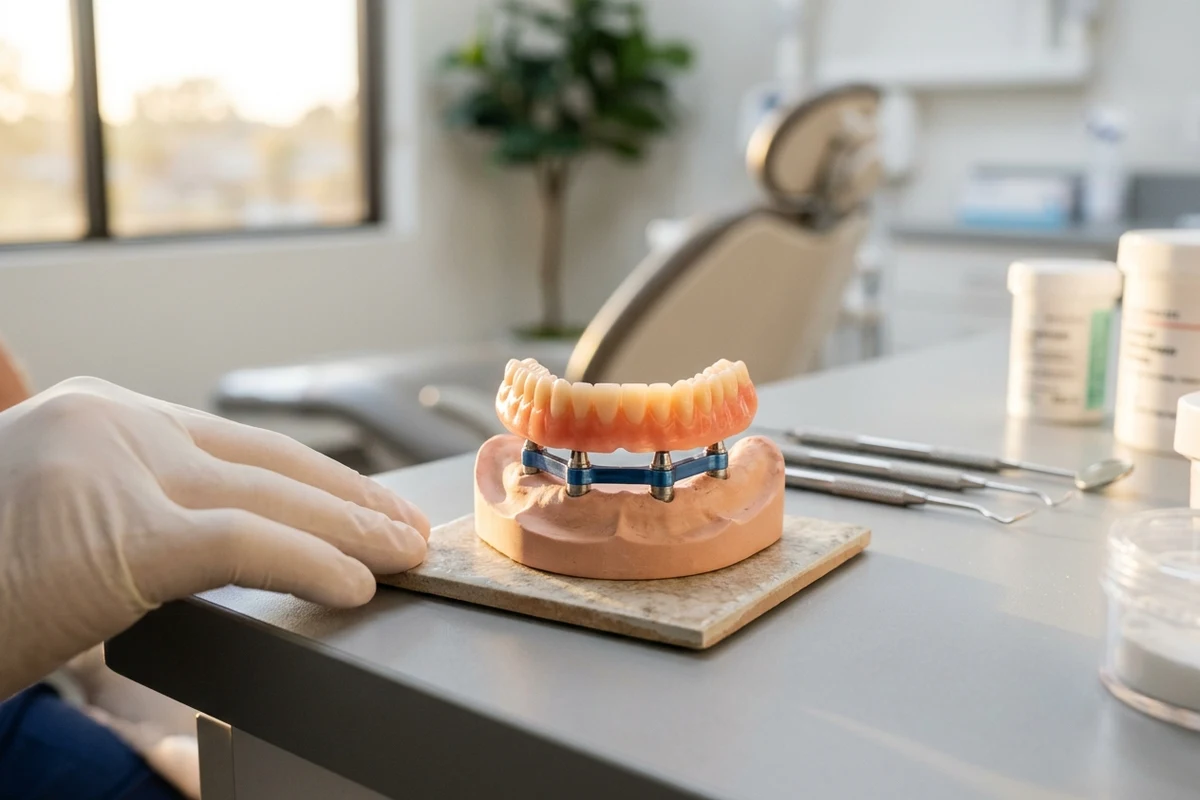 Restorative Care
Implant Supported Dentures Chino: Implant-Supported Dentures Fit and Maintenance
Implant-supported prostheses combine surgical anchors with specialized dental bases for enhanced chewing and retention. Understanding daily cleaning, component wear, and biological risks helps preserve your restoration and underlying bone for years to come.September 25, 2026 · 7 min read Emergency