

How Often Should You Get A Dental Cleaning: A Patient Guide to Dental Cleaning

Determining how often should you get a dental cleaning depends on your individual oral health profile, gum tissue stability, and medical risk factors, ranging from twice yearly to every three to four months.
Understanding Dental Cleaning Frequencies
Professional dental cleanings involve specialized clinical procedures designed to preserve periodontal wellness and prevent tooth loss. The appropriate frequency is not uniform for every individual, because bacterial colonization, deposit formation rates, and personal susceptibility to oral inflammation vary widely across different patient populations.[1][5]
Preventive Prophylaxis Versus Therapeutic Care
Routine dental prophylaxis focuses on sustaining health in low-risk mouths by clearing supragingival biofilm before inflammation develops. Conversely, therapeutic interventions address active infections beneath the gumline, requiring distinct clinical protocols and customized visit intervals to halt tissue destruction and manage the chronic inflammatory nature of advanced periodontal disease.[1][4][5]
The Biology of Plaque and Hardened Calculus
Microbial plaque constantly accumulates on exposed tooth structures, and when left undisturbed, it mineralizes into hardened calculus, or tartar. Because calculus firmly adheres to enamel and cementum, daily brushing and flossing cannot remove it. Professional dental instruments are required to mechanically debride these rough deposits and suppress underlying oral bacteria.[3][5]
Key Factors Influencing Your Cleaning Schedule
Determining your ideal appointment cadence requires evaluating clinical findings alongside systemic health risks. Dental professionals balance protective factors against disease indicators to establish a timeline that disrupts pathogenic microbial colonies before they cause permanent structural damage to the teeth and supporting bone.[1][2][5]
Low-Risk Profiles and Biannual Recommendations
Patients with firm gingival tissues, minimal plaque accumulation, and no history of alveolar bone loss typically benefit from visits spaced every six to twelve months. This routine schedule allows clinicians to monitor early enamel demineralization, remove minor calculus deposits, and reinforce preventive oral hygiene habits before localized gingival problems can emerge.[1][5]
Elevated Risk Profiles Requiring Shorter Intervals
Individuals with established periodontal disease often require cleanings every three to four months because subgingival pathogens can repopulate periodontal pockets within ninety days. Furthermore, systemic conditions like diabetes, tobacco use, salivary hypofunction, and hormonal shifts during pregnancy impair localized immune responses, making more frequent professional care essential for tissue preservation.[1][2][3][5]
Clinical Signs That Warrant Earlier Evaluation
Patients should not wait for an arbitrary calendar milestone if active symptoms manifest between scheduled cleanings. Recognizing early indicators of tissue inflammation ensures timely intervention, reducing the risk that superficial gingival irritation will silently advance into irreversible bone and attachment loss.[3][5]
Oral Changes That Justify Immediate Scheduling
Scheduling an evaluation is advisable if you observe red, swollen, or bleeding gums during everyday brushing and flossing. Other warning signs include persistent bad breath, a bad taste, noticeable gum recession, or loose permanent teeth. These symptoms frequently indicate active bacterial inflammation that necessitates prompt clinical debridement rather than routine observation.[3][5]
Professional Assessment of Cleaning Cadence
Dentists establish an individualized visit frequency by performing thorough diagnostic evaluations rather than relying on generalized assumptions. This clinical examination measures objective anatomical markers to gauge whether periodontal tissues remain stable or require closer observation and more intensive therapeutic management.[1][4][5]
Comprehensive Diagnostic Tools and Measurements
Clinicians utilize periodontal probing to measure pocket depths between teeth and gums, identifying tissue detachment exceeding healthy thresholds. Visual soft-tissue examinations, assessment of gingival bleeding, caries screening, and diagnostic radiographs further help the dental team visualize bone levels beneath the gumline, directly guiding the recommended timeline for follow-up cleanings.[1][4][5]
Clinical Approaches to Professional Cleaning
Cleanings are categorized into distinct clinical therapies based on the presence and severity of periodontal involvement. Selecting the correct treatment modality ensures that bacterial deposits are removed from the appropriate depths while preventing unnecessary intervention on healthy, intact tissues.[1][4][5]
Preventive Prophylaxis Versus Periodontal Maintenance
Dental prophylaxis is a preventive service performed on healthy gingiva to eliminate surface biofilm and extrinsic stains above the gumline. In contrast, periodontal maintenance is an ongoing therapeutic procedure for patients with past bone loss, scheduled at close intervals to clean deeper pocket architecture and suppress chronic microbial colonies.[1][3][4]
Scaling and Root Planing for Active Periodontitis
When periodontal probing reveals deep pockets and subgingival calculus, scaling and root planing provides intensive therapeutic debridement. This deep cleaning procedure cleans root surfaces, removes diseased cementum, and smoothes rough areas to facilitate tissue reattachment, serving as the critical initial intervention before a patient transitions into regular periodontal maintenance.[3][4][5]

The Professional Cleaning Procedure
Undergoing a professional cleaning entails a systematic, multi-step appointment tailored to clinical findings. Dental clinicians combine specialized instrumentation with diagnostic observation, providing targeted removal of accumulated debris while ensuring patient comfort throughout both preventive and therapeutic phases of treatment.[1][4]
Examination and Periodontal Mapping
The appointment begins with an assessment of your medical history, oral cancer screening, and updated dental radiographs if clinically indicated. The hygienist or dentist then measures gingival sulcus depths using a periodontal probe, identifying localized inflammation or bleeding points that dictate where focused debridement is most necessary.[1][4][5]
Mechanical Debridement, Polishing, and Fluoride
Clinicians use ultrasonic instruments and hand scalers to carefully remove hardened calculus deposits above and beneath the gingival margin. Patients may feel mild vibration or pressure during this step. Following scaling, teeth are polished with a mild abrasive paste to clear residual stains, often concluding with a protective topical fluoride application.[1][4]
Post-Care Recovery and Daily Maintenance
Long-term oral stability depends on combining professional dental appointments with diligent personal care. Understanding typical post-cleaning sensations and maintaining consistent plaque control between visits ensures that clinical benefits endure and tissues remain resilient against recurrent bacterial colonization.[1][5]
Managing Normal Post-Cleaning Sensations
It is normal to experience temporary tooth sensitivity or slight gingival tenderness for a few days after thorough calculus removal, especially if deep deposits were cleared. These sensations generally resolve quickly as tissues adapt to the clean environment. Avoiding extreme food temperatures during initial healing helps minimize transient discomfort.[4][5]
Essential At-Home Oral Hygiene Practices
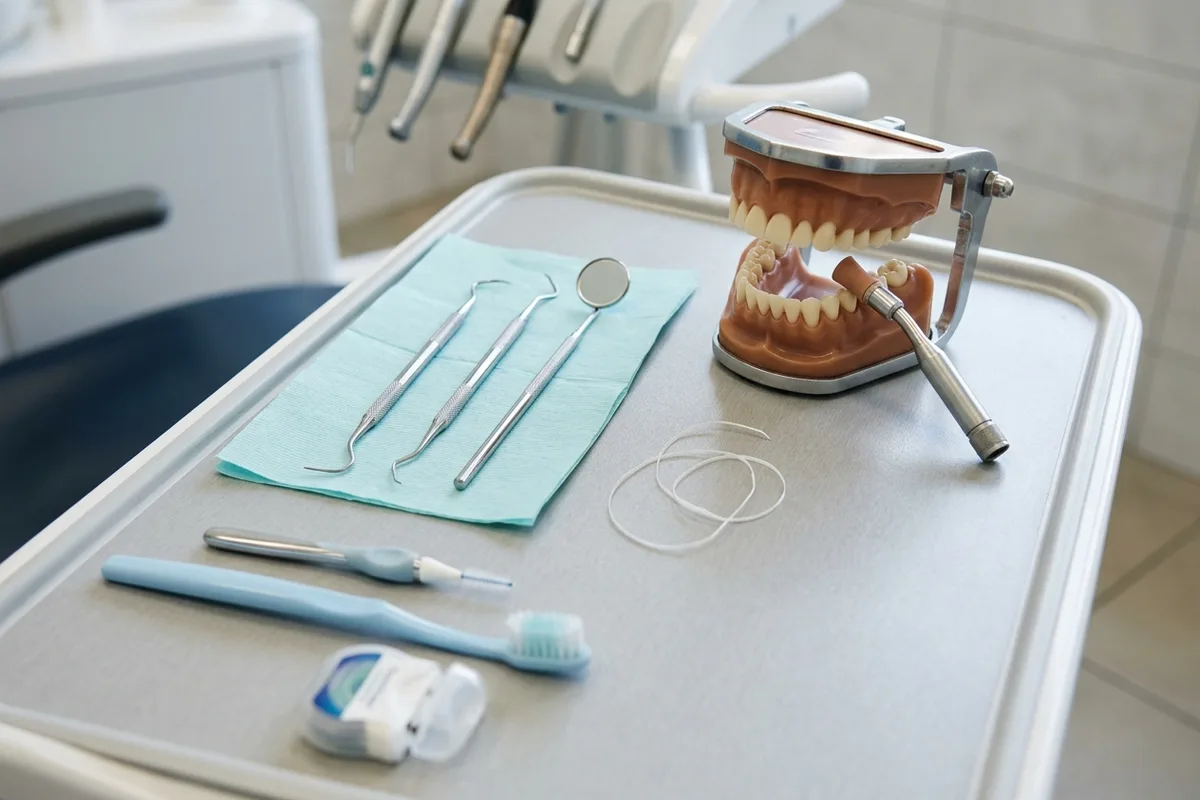
Effective at-home oral hygiene prevents rapid calculus reaccumulation between your scheduled visits. While professional scaling addresses hardened mineralized deposits, daily home care disrupts soft bacterial plaque before it solidifies. Combining consistent mechanical cleaning with balanced nutritional habits provides the strongest defense against tooth decay and ongoing gingival inflammation.[1][3][5]
- Brush teeth twice daily for two minutes using soft bristles and fluoride toothpaste.
- Clean between teeth daily using dental floss or an interdental cleaner.
- Replace your toothbrush every three to four months, or sooner if bristles fray.
- Limit frequent consumption of sugary snacks and acidic beverages throughout the day.
Risks of Delay and Establishing Your Care Plan
Postponing scheduled cleanings allows subgingival calculus and bacterial colonies to flourish unchecked. Over time, persistent microbial inflammation weakens periodontal ligaments and erodes alveolar bone, converting minor, treatable gingival irritation into permanent structural loss that requires more invasive clinical treatment.[3][5]
Collaborating on an Individualized Cleaning Schedule
Because oral environments change with age, health status, and lifestyle habits, your cleaning frequency should be reassessed periodically with your dentist. By reviewing periodontal probing data, systemic risk factors, and home-care results together, you can establish an evidence-based maintenance schedule that safeguards your teeth and gums over your lifetime.[1][2][5]
Sources
- mouthhealthy.org — American Dental Association
- nih.gov — pmc.ncbi.nlm.nih.gov
- mouthhealthy.org — American Dental Association
- mouthhealthy.org — American Dental Association
- nih.gov — National Institute of Dental and Craniofacial Research
Common questions
Frequently asked questions
Talk with a dentist about your next step
To discuss your individual oral health risk factors and establish an appropriate cleaning schedule tailored to your needs, please contact One Ounce Dental to request a consultation with our dental team.
More Articles
View all Dental care
Is It a Dental Emergency? A Quick Check
Use this quick check to review your dental emergency signs, decide whether to seek hospital care, call for same-day emergency care, or book a routine visit, and learn what to do right now.October 22, 2026 · 6 min read Dental care
Why My Gums Bleed When I Brush: 5 Common Causes
Noticeable bleeding during your daily oral hygiene routine often signals gingivitis, accumulated calculus, or advancing gum disease. Recognizing these underlying causes helps you protect your oral health and seek timely professional dental care.October 21, 2026 · 5 min read Cosmetic Dentistry