

Composite Veneers: A Patient Guide to General Dentistry
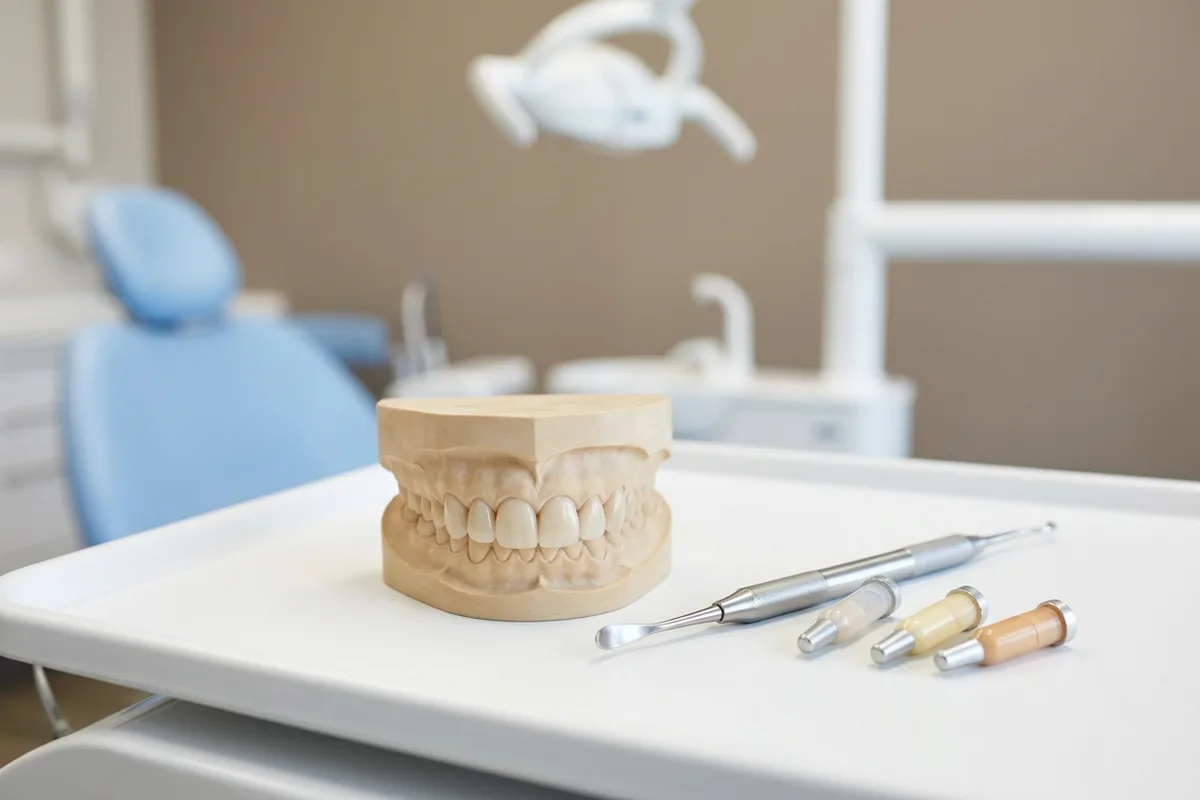
Composite veneers offer a conservative approach in general dentistry to repair chips, close gaps, and mask discoloration. Understanding material differences, preparation requirements, and daily maintenance helps patients make informed aesthetic choices.
Composite Veneers in Modern General Dentistry
Composite veneers are thin layers of tooth-colored resin bonded directly to the front surfaces of teeth. Within general dentistry, this treatment bridges restorative function and aesthetic enhancement, allowing clinicians to improve tooth contours, shade, and alignment while maintaining as much natural tooth structure as possible.[1][2]
Direct Resin Technology in Restorative Care
In modern dental practice, direct composite resins utilize specialized polymers mixed with microscopic filler particles to mimic natural enamel translucency. Clinicians sculpt this material directly onto the tooth surface, shaping anatomical details before curing it with a high-intensity light. This technique allows immediate functional integration without requiring complex laboratory fabrication phases.[1][2]
Conservative Aesthetic Tooth Modification
General dentistry prioritizes preserving natural dentition whenever possible. Unlike extensive prosthetic crowns that require significant circumferential tooth reduction, composite veneers often need minimal surface modification or etching alone. This conservative nature protects underlying dentin and pulpal tissue, offering an aesthetic transformation that respects fundamental biological tooth structure.[1][4]
Candidacy and Clinical Considerations
Choosing composite resin veneers involves weighing aesthetic goals against oral health prerequisites and functional bite forces. Clinicians evaluate existing tooth structure, gum health, and biting patterns to determine whether direct bonding will deliver reliable, durable results or if alternative treatments are preferable.[1][2]
Enamel Preservation and Structural Integrity
Sufficient healthy enamel is essential for achieving a robust adhesive bond with composite resin. If a tooth has extensive previous fillings, deep decay, or severe fractures, a full-coverage crown may be required instead. Additionally, active periodontal inflammation or untreated dental caries must be fully resolved before placing any cosmetic restorations.[1][2]
Parafunctional Habits and Occlusal Forces
Bite alignment and nighttime habits strongly influence restoration longevity. Patients with severe bruxism, chronic clenching, or heavy anterior occlusal contacts experience higher rates of resin chipping and debonding. Clinicians assess these mechanical forces carefully to determine whether veneers are an appropriate treatment choice.[1][3]
When to Consider Composite Veneers
Timing cosmetic veneer treatment depends on the stability of your oral health and specific cosmetic concerns. Patients frequently seek evaluations after noticing persistent discoloration, localized enamel wear, or minor physical trauma that impairs the appearance or symmetry of their anterior smile line.[1][2]
Identifying Cosmetic and Minor Structural Dental Concerns
Aesthetic dental consultations are typically prompted by distinct front-tooth imperfections that detract from personal comfort or confidence. Composite resin restorations provide conservative structural reinforcement and cosmetic concealment when underlying teeth remain structurally sound. Patients commonly schedule evaluations when observing specific visible changes in their smile.[1][2]
- Minor chips or rough incisal edges caused by mild physical trauma.
- Persistent tooth discoloration that resists standard chemical whitening.
- Small gaps or minor spaces separating healthy anterior teeth.
- Noticeable shape disharmonies.
Clinical Assessment and Treatment Planning
A thorough clinical evaluation ensures that aesthetic restorations do not compromise underlying oral health. General dentists examine the teeth, periodontal tissues, and jaw movements using visual checks and diagnostic radiographs, confirming whether composite materials can effectively meet the patient's individual functional and cosmetic expectations.[1][2]
Comprehensive Examination of Teeth and Gums
During the diagnostic appointment, the dentist inspects enamel quality, tests for pulpal vitality, and measures gum pocket depths around prospective restoration sites. Assessing dynamic jaw movements helps detect premature contacts that could dislodge resin. The clinician also discusses aesthetic preferences, evaluating whether chemical whitening should precede veneer shade selection.[1][5]
Material Tradeoffs and Treatment Approaches
Understanding how composite veneers compare to alternative restorative solutions helps clarify clinical tradeoffs. While dental porcelain and direct resin both enhance appearance, they differ significantly in fabrication method, material hardness, cost, appointment frequency, and long-term resistance to surface staining and wear.[1][2]
Composite Resin Versus Dental Porcelain
Porcelain veneers provide superior wear resistance and maintain surface luster longer against staining agents than composite resin. However, ceramic restorations require multi-visit fabrication, higher financial investment, and irreversible enamel removal. Composite resin offers a more accessible, conservative alternative that clinicians can repair chairside if damaged.[1][2]
Direct Chairside Layering Versus Indirect Fabrication
Composite veneers can be applied directly in a single appointment through precise freehand layering or fabricated indirectly. Indirect composite veneers, such as those fabricated via digital milling, can offer greater resistance but require additional visits and impression steps.[2][4]
The Composite Veneer Procedure
The placement of composite veneers follows a meticulous sequence designed to create a strong micromechanical bond with natural enamel. When performed chairside, the entire transformation often takes place in one visit, allowing immediate aesthetic feedback and precise functional shaping under local isolation.[1][2]
Enamel Etching and Shade Selection
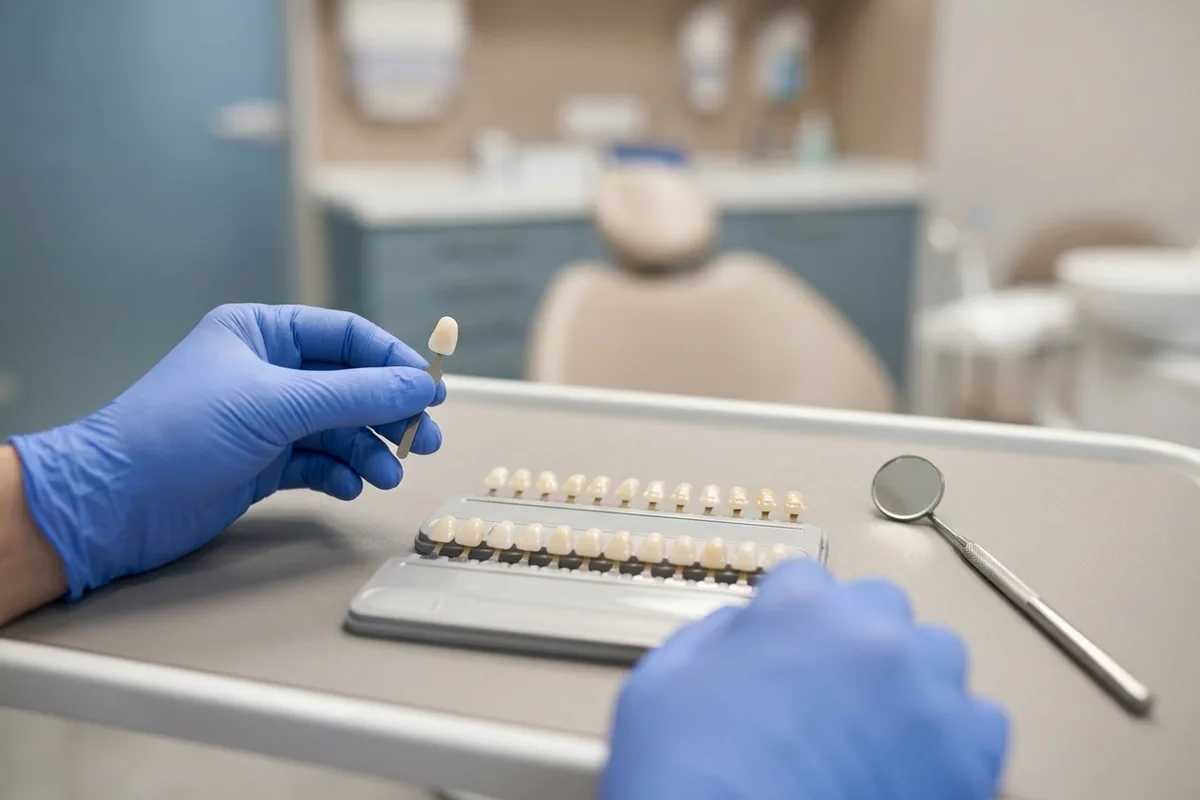
The dentist first cleans the tooth and selects matching resin shades. If minimal enamel recontouring is necessary, it is performed conservatively. The clinician then applies acid etch to the enamel, followed by an adhesive bonding agent that secures the restoration.[1][2]
Bonding, Curing, and Occlusal Adjustment
The clinician meticulously layers composite resin over the prepared tooth, sculpting natural surface textures and contours. Each layer undergoes curing with a specialized blue light to harden the polymer. Finally, the dentist refines the bite, smooths the margins, and polishes the resin to a smooth, enamel-like luster.[1][2]
Post-Treatment Care and Longevity
Recovery following composite veneer placement is typically swift and requires little downtime. Maintaining proper long-term oral hygiene habits and attending regular dental examinations are vital steps for preserving marginal integrity, preventing recurrent tooth decay, and maximizing the aesthetic lifespan of the resin.[1][3]
Managing Transient Sensitivity and Hygiene
Gentle brushing twice daily with fluoride toothpaste and daily flossing keep the restoration margins free of plaque. Good hygiene prevents marginal gingival inflammation and protects the natural tooth structure supporting the composite.[1][2]
Protecting Restorations Against Wear and Staining
Because composite resin absorbs pigments more readily than natural enamel or ceramic, moderating intake of coffee, tea, and red wine helps maintain color stability. Patients should avoid biting hard items like ice or fingernails.[1][3]

Clinical Limitations and Moving Forward
While composite veneers provide a versatile cosmetic treatment, patients must consider their inherent material limitations. Resin wears faster than ceramic, can stain over time, and may fracture under sudden heavy stress. A professional consultation provides personalized guidance to align expectations with restorative realities.[1][2]
Material Wear, Repairability, and Consultation
Any procedure requiring enamel reduction is irreversible, making thorough planning essential. Fortunately, minor composite chips or surface dullness can usually be polished or repaired directly in the clinic without full replacement. Scheduling a comprehensive dental exam allows your clinician to evaluate your bite and determine if composite bonding suits your smile.[1][2]
Sources
- mouthhealthy.org — American Dental Association
- nih.gov — pmc.ncbi.nlm.nih.gov
- nih.gov — pmc.ncbi.nlm.nih.gov
- nih.gov — pmc.ncbi.nlm.nih.gov
- nih.gov — pubmed.ncbi.nlm.nih.gov
Common questions
Frequently asked questions
Questions about your own smile?
Schedule a consultation with One Ounce Dental to discuss your aesthetic goals. Our team evaluates your oral health and helps you determine whether composite veneers are the right choice for your smile.
More Articles
View all Dental care
Why Do I Have a Metallic Taste in My Mouth? 7 Common Causes
A lingering metallic flavor can come from swollen gums, everyday drugs, sinus colds, or dry mouth. Learn what causes this strange taste and how to find relief.November 17, 2026 · 6 min read Dental care
Why Is My Tongue White? 7 Common Causes
A white tongue can stem from harmless debris, surface irritation, fungal thrush, or precancerous patches. Discover what causes these color changes, how to spot warning signs, and when to seek dental care.November 16, 2026 · 6 min read Dental care