

Dentist Chino CA: General Dentistry for Preventive and Restorative Care
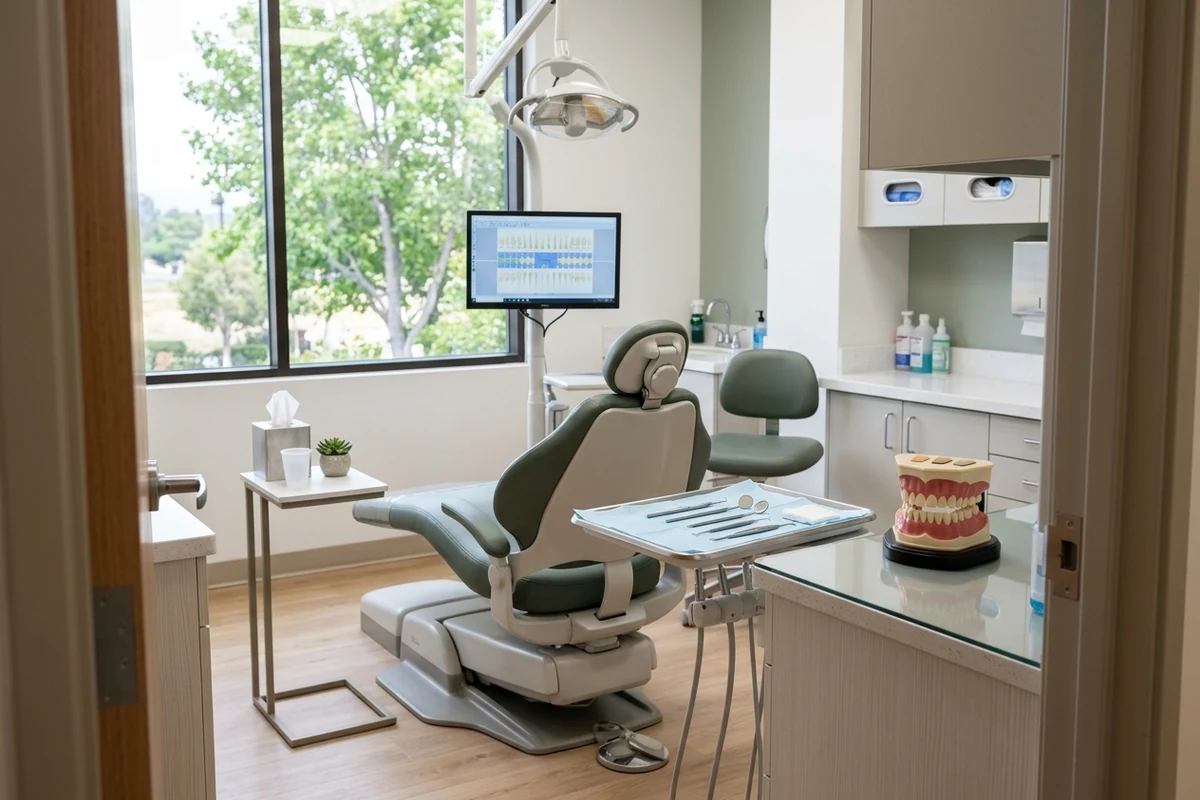
Selecting a qualified dentist Chino CA residents trust involves reviewing professional credentials, clinical preventive standards, and practice communication. Establishing a primary dental home ensures routine evaluations and early detection of oral health conditions.
Primary Oral Healthcare and General Dentistry
General dentistry serves as the foundation for lifelong oral health, focusing on the diagnosis, treatment, and coordination of essential dental services. Engaging a dedicated Chino dentist establishes an ongoing partnership that prioritizes disease prevention, conservative intervention, and comprehensive management of your teeth and gums.[1]
The Role of a Primary Dental Home
A primary dental home offers accessible, continuous, and comprehensive oral care for individuals and families. Consistent visits with a family dentist Chino patients select allow clinicians to monitor subtle changes across oral tissues over time. This ongoing relationship ensures clinical decisions align with each patient's evolving medical history and preventive needs.[1]
Credentials and Professional Standards
General dentists hold either a Doctor of Dental Surgery or a Doctor of Dental Medicine degree, which share identical curriculum and clinical accreditation standards. State licensure mandates regular continuing education to maintain clinical competency. Many practitioners also maintain professional memberships that require strict adherence to established ethical codes and evidence-based standards.[1]
Criteria for Choosing a General Dentist
Selecting the right practitioner involves balancing clinical standards with day-to-day practicalities. When searching for a general dentist Chino community members evaluate clinical training, office safety protocols, clear financial policies, and an open communication style that supports informed decision-making for long-term oral well-being.[1]
Practice Logistics and Communication
Practical factors significantly influence whether individuals maintain routine care schedules. Key operational considerations include clinic accessibility, efficient benefits coordination, robust infection control protocols, and clear arrangements for after-hours emergency triage. Transparent discussions about recommended treatments and associated costs help foster mutual trust between patients and the clinical dental team.[1]
Care Philosophy and Patient Experience
A patient-centered philosophy prioritizes prevention, conservative therapies, and shared treatment planning. Patients often look for a gentle dentist Chino residents recommend to ease dental anxiety and ensure comfortable clinical experiences. Clear explanations regarding diagnostic findings and alternative approaches empower individuals to participate actively in their personal oral health plans.[1]
Indicators for Scheduling a Dental Evaluation
Knowing when to schedule a dental appointment helps resolve subtle oral health issues before they require complex treatments. While regular checkups catch silent conditions, emerging symptoms like localized discomfort, persistent breath changes, or visible tissue alterations signal the need for a prompt clinical evaluation.[1]
Recognizing Early Warning Signs
Schedule an evaluation if you notice bleeding during routine brushing, ongoing gum sensitivity, or mild sensitivity to temperature changes. Loose restorations, rough tooth surfaces, and oral sores that do not heal within two weeks also warrant assessment. Seeking timely care prevents superficial enamel demineralization or localized gingivitis from progressing into advanced disease.[1][3]
The Comprehensive Clinical Examination
A thorough clinical examination extends well beyond checking teeth for decay. Modern diagnostics evaluate surrounding head and neck structures, gum stability, and jaw joint dynamics, integrating systemic health history to develop a complete and accurate picture of your overall oral wellness.[1][3]
Systematic Diagnostic Assessments
A standard examination reviews medical history and medications affecting salivary flow, followed by head, neck, and oral mucosal evaluations to screen for abnormal lesions. Clinicians measure periodontal pocket depths to assess gum attachment and inspect teeth for cracks or wear. Diagnostic radiographs are prescribed selectively based on clinical risk rather than fixed intervals.[1][3]
In-Office Preventive and Restorative Strategies
General dentistry balances active therapeutic procedures with evidence-based preventive therapies. Clinicians weigh treatment options according to disease activity, structural tooth integrity, and patient lifestyle factors, selecting conservative interventions that preserve natural tooth structure whenever clinically feasible.[1]
In-Office Fluoride and Sealant Applications
For individuals with elevated cavity risk, dentists provide concentrated topical fluoride varnishes to remineralize weakened enamel and arrest early lesions. In addition, resin or glass ionomer sealants are applied over deep grooves in back teeth. These protective coatings block bacterial accumulation in hard-to-clean crevices, providing effective ongoing protection against decay.[1][3]
Conservative Restorations versus Preventive Observation
When demineralization is detected before an enamel surface breaks, clinicians often choose preventive remineralization protocols and close observation over immediate drilling. Once structural cavitation occurs, dentists place direct restorations, such as composite fillings, to restore form and function. Comparing these options ensures treatments remain minimally invasive while addressing active decay.[1]
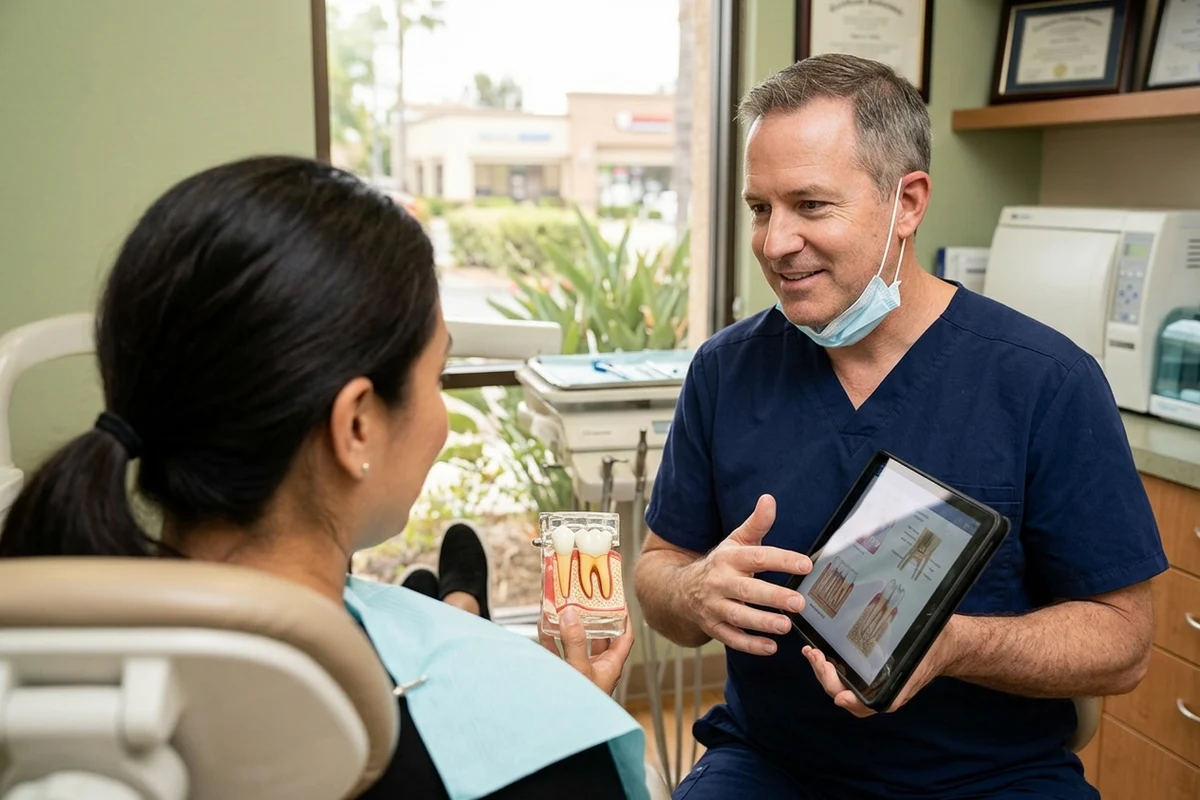
Sequence of a Standard Preventive Appointment
A typical hygiene and examination visit follows an organized clinical sequence designed to maximize diagnostic accuracy, thorough cleaning, and patient comfort. Understanding each step helps patients anticipate procedures and engage productively in discussions regarding their ongoing oral care plan.[1][3]
Professional Prophylaxis and Plaque Removal
The appointment begins with professional prophylaxis, where a dental hygienist or dentist removes plaque, calculus, and superficial stains from tooth surfaces. Manual scalers and ultrasonic instruments clean along the gumline and between teeth where brushing cannot reach. Surface polishing and optional fluoride application complete the mechanical cleaning phase.[1][3]
Personalized Treatment Planning and Education
After cleaning and diagnostic evaluations, the dentist reviews all clinical findings directly with the patient. This consultation covers necessary restorations, changes in periodontal measurements, and customized self-care recommendations. Patients have the opportunity to discuss treatment priorities, potential timelines, and scheduling for future follow-up visits.[1]
Maintenance Protocols and Home Oral Hygiene
Long-term oral health depends on continuous collaboration between professional cleanings and diligent daily self-care. Establishing structured home hygiene routines protects the investment made in clinical treatments and prevents the recurrence of periodontal inflammation and dental decay.[2]
Daily Mechanical Plaque Removal
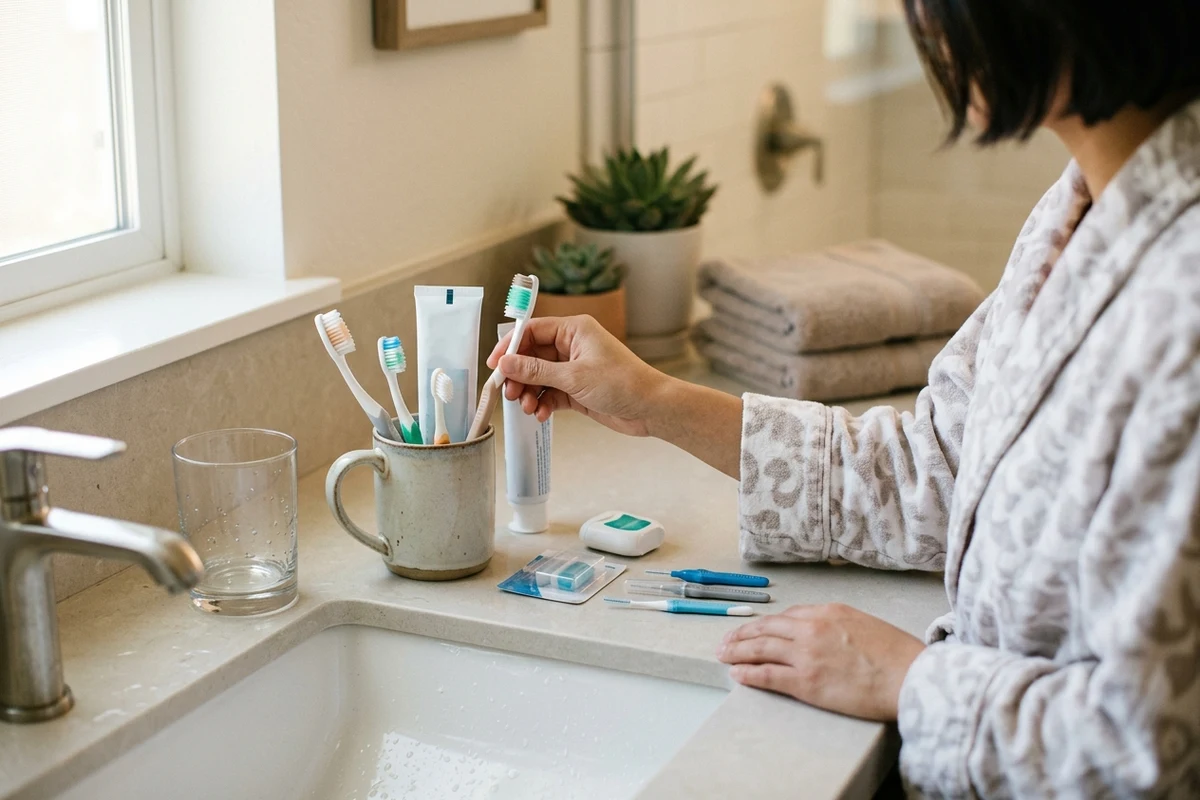
Effective self-care centers on thoroughly disrupting bacterial biofilm before it hardens into calculus. Consistent daily hygiene reduces oral bacteria, strengthens enamel against acid challenges, and prevents inflammatory gingival responses. Patients benefit from tailoring their daily tools and techniques to accommodate individual anatomical variations, bridges, or orthodontic appliances.[2]
- Brushing teeth twice daily for two minutes using a fluoride toothpaste
- Cleaning interdental spaces once daily with floss or small brushes
- Limiting the daily frequency of fermentable carbohydrates and acidic drinks
Risk-Based Recall Intervals
The frequency of professional visits is tailored to individual risk profiles rather than a generic six-month rule. Patients with excellent oral hygiene and minimal decay risk may need fewer visits. Conversely, individuals with active periodontal disease, diabetes, dry mouth, or tobacco use benefit from appointments every three to four months.[1][3]
Navigating Treatment Risks and Selecting Care
Delaying routine dental visits can allow minor oral conditions to advance unnoticed into severe infections or structural tooth loss. Proactive care significantly reduces the need for extensive therapies and preserves natural oral structures throughout your life.[1]
Taking the Next Step Toward Oral Health
If you are searching for a dentist near me Chino provides multiple avenues for finding established providers who prioritize preventive dental wellness. Evaluating credentials, understanding clinic policies, and scheduling an initial comprehensive consultation represent the most effective steps toward establishing a dependable, long-term dental home for your ongoing care.[1]
Sources
- mouthhealthy.org — American Dental Association
- ada.org — American Dental Association
- nih.gov — National Institute of Dental and Craniofacial Research
Common questions
Frequently asked questions
Talk with a dentist about your next step
To discuss your preventive oral health needs or schedule a comprehensive clinical evaluation, contact One Ounce Dental today. Our team is here to answer your questions and assist with establishing your ongoing dental care.
More Articles
View all Preventive & General
Tooth Replacement Dentures Vs Bridges: A Patient Guide to Full and Partial Dentures
Choosing between tooth replacement dentures vs bridges depends on your oral health, the number of missing teeth, and your lifestyle. Understanding the differences helps you and your dentist select the best restorative option.September 21, 2026 · 6 min read Preventive & General
Dental Exam And Teeth Cleaning Guide: A Patient Guide to Dental Cleaning and Exams
A comprehensive dental exam and teeth cleaning guide helps you understand the importance of routine preventive care. Regular visits allow your dental team to remove hardened plaque and monitor your mouth for early signs of decay or disease.September 21, 2026 · 6 min read Preventive & General