

Implant Supported Dentures Chino: Implant-Supported Dentures Fit and Maintenance
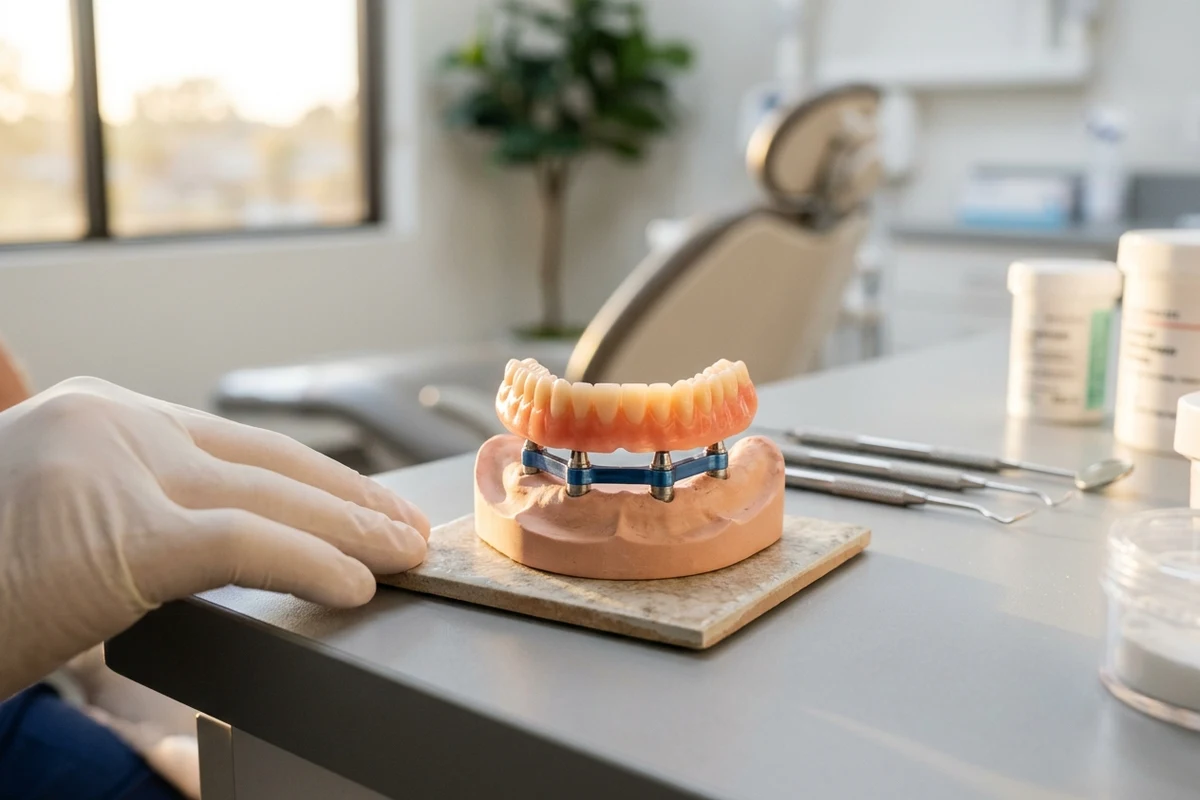
Implant-supported prostheses combine surgical anchors with specialized dental bases for enhanced chewing and retention. Understanding daily cleaning, component wear, and biological risks helps preserve your restoration and underlying bone for years to come.
Understanding Implant-Supported Dentures and Prosthetic Retention
Implant-supported prosthetics connect artificial dental arches to jawbone fixtures, preventing the slippage often associated with traditional tissue-borne appliances. By distributing functional chewing forces directly into bone tissue, these anchored restorations stabilize oral function, preserve speech clarity, and protect the mucosal ridge from abrasive mechanical friction during normal eating.[2][3]
Prosthetic Attachment Mechanisms
Removable overdentures rely on mechanical attachments, such as Locator nylon inserts or retentive ball clips, that snap directly onto underlying abutments. These systems permit easy daily removal for hygiene while ensuring dependable retention during daily conversations and meals, effectively preventing embarrassing movement or painful gum chafing common with conventional alternatives.[2][3]
Comparing Anchored Systems and Denture Alternatives
When exploring standard denture alternatives, individuals discover that conventional plates rely exclusively on suction and resting ridges for stability. In contrast, anchored systems use titanium implants to resist dislodgement. While traditional dentures Chino CA residents wear can shift over time, implant-retained designs maintain rigid support and prevent uneven bone pressure.[2][3]
Factors Influencing Implant Denture Longevity
The long-term success of an implant-retained restoration depends on both biological tissue integration and mechanical wear management. Because titanium fixtures lack a natural periodontal ligament, the surrounding soft tissues create a fragile mucosal seal that is uniquely vulnerable to bacterial biofilm infiltration, chronic inflammation, and bone loss.[1][2]
Systemic and Behavioral Health Considerations
Patient health significantly affects how well jawbone and mucosal tissue sustain implants over time. A personal history of periodontitis, uncontrolled diabetes mellitus, and active tobacco or nicotine use heighten the likelihood of tissue inflammation around fixtures. Managing these systemic variables reduces the likelihood of biological complications that compromise bone support.[1][2]
Mechanical Wear and Clip Replacement
Beyond biological integration, prosthetic hardware experiences continual mechanical stress through everyday insertion, removal, and chewing cycles. Retentive nylon housings and metal clips gradually lose their grip over time. Replacing these small insert components every twelve to twenty-four months restores firm retention, preventing microscopic wobbling that stresses underlying implant posts.[2]
Identifying Symptoms and Timing for Evaluation
Recognizing the difference between expected adaptation and emerging pathology helps protect both prosthesis and bone. While initial speech changes and mild salivation are common during early wear, tissue bleeding, soreness, or unstable retention indicate that the appliance or underlying fixtures require prompt clinical reassessment.[1][2][3]
Warning Signs of Prosthetic or Tissue Complications
Persistent redness around abutment posts, bleeding during brushing, or tenderness beneath the acrylic base signals tissue distress. If an overdenture rocks noticeably or causes painful mucosal pressure spots, wearers should schedule an evaluation. Leaving localized inflammation unaddressed allows superficial gum irritation to advance into deeper peri-implant structures and bone.[1][2]
Clinical Evaluation and Diagnostic Monitoring
Dental professionals evaluate implant-supported prosthetics using systematic diagnostic protocols to confirm structural integrity and mucosal health. Regular examinations detect subtle bacterial accumulation, soft-tissue inflammation, or mechanical loosening before patient-perceived discomfort occurs, safeguarding both the prosthetic components and the underlying supporting bone.[1][2]
Diagnostic Probing and Radiographic Assessments
Clinicians examine peri-implant tissues using gentle periodontal probing to detect bleeding on probing or suppuration, which reveal early active inflammation. In addition, periodic dental radiographs verify crestal bone stability around implant collars, while tactile checks assess whether individual abutments, retention screws, or housing matrices require mechanical tightening or replacement.[1][2]
Prosthetic Configurations and Treatment Options
Patients needing full-arch replacement can select from varied structural designs based on anatomy, lifestyle, and hygiene preferences. Choosing between removable and non-removable options involves evaluating stability, ease of home maintenance, and the number of titanium posts necessary to distribute daily biting forces.[2][3]
Removable Overdentures and Retained Bases
Many individuals select snap in dentures Chino providers design for their ease of daily hygiene and dependable retention. These removable overdentures use two to four implants to anchor a lightweight acrylic base that unclips each night for effortless cleansing, making oral plaque removal straightforward for patients of all ages.[2][3]
Fixed Full-Arch Hybrid Prosthetics
Those considering full mouth dental implants Chino clinicians provide may evaluate fixed hybrid prostheses screwed directly into four or more fixtures. While non-removable bridges deliver unmatched stability and eliminate palate coverage, they demand specialized hygiene tools like threaded floss or interdental brushes to cleanse beneath the fixed framework thoroughly.[1][2]
Clinical Procedures and Handling Techniques
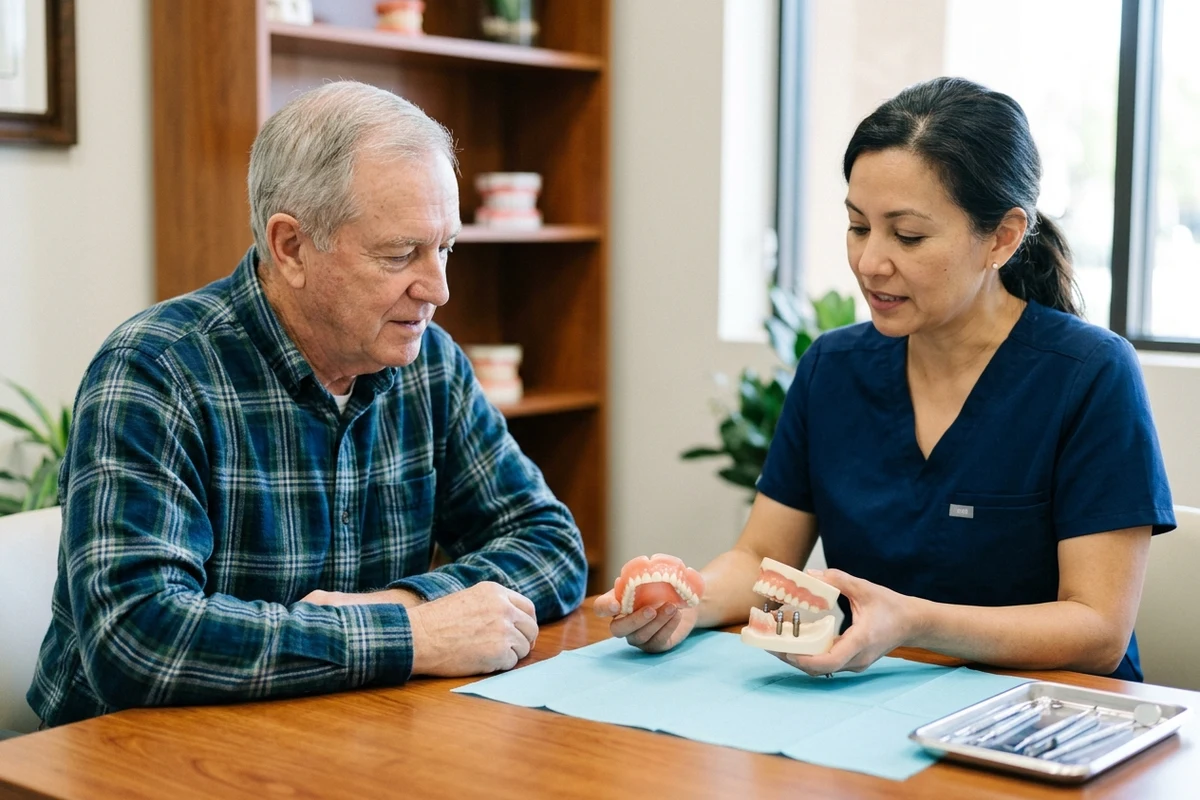
Achieving success with an anchored restoration involves disciplined personal handling alongside specialized clinical upkeep. Proper insertion techniques safeguard retention components from premature structural fracture, while periodic in-office preventive therapy clears microscopic biofilm without scratching the sensitive surfaces of titanium fixtures.[2][3]
Proper Daily Seating and Removal Habits
Seating a removable overdenture correctly requires aligning the internal matrices over the mouth's abutment posts and pressing down gently with finger pressure until they snap into place. Patients must never bite an appliance into position, because forceful jaw clenching can bend housing clips, fracture acrylic, or damage implant components.[2][3]
Professional Cleaning and Maintenance Protocols
During supportive maintenance visits, clinicians use non-metal instruments, gentle air polishing, or specialized ultrasonic tips designed specifically for titanium to remove hardened deposits. Traditional metallic scrapers are avoided because micro-scratches on implant collars attract pathogenic bacteria, increasing the risk of subsequent soft-tissue inflammation and bone loss.[1][2]
Daily Hygiene and Prosthesis Preservation
Consistent daily maintenance preserves both prosthetic materials and peri-implant biological tissues over many years. A balanced cleaning regimen prevents fungal colonization beneath the base plate and stops plaque accumulation around exposed metal abutments, minimizing the risk of infection and maintaining comfortable chewing.[1][2][3]
Home Care Protocol for Removable Appliances
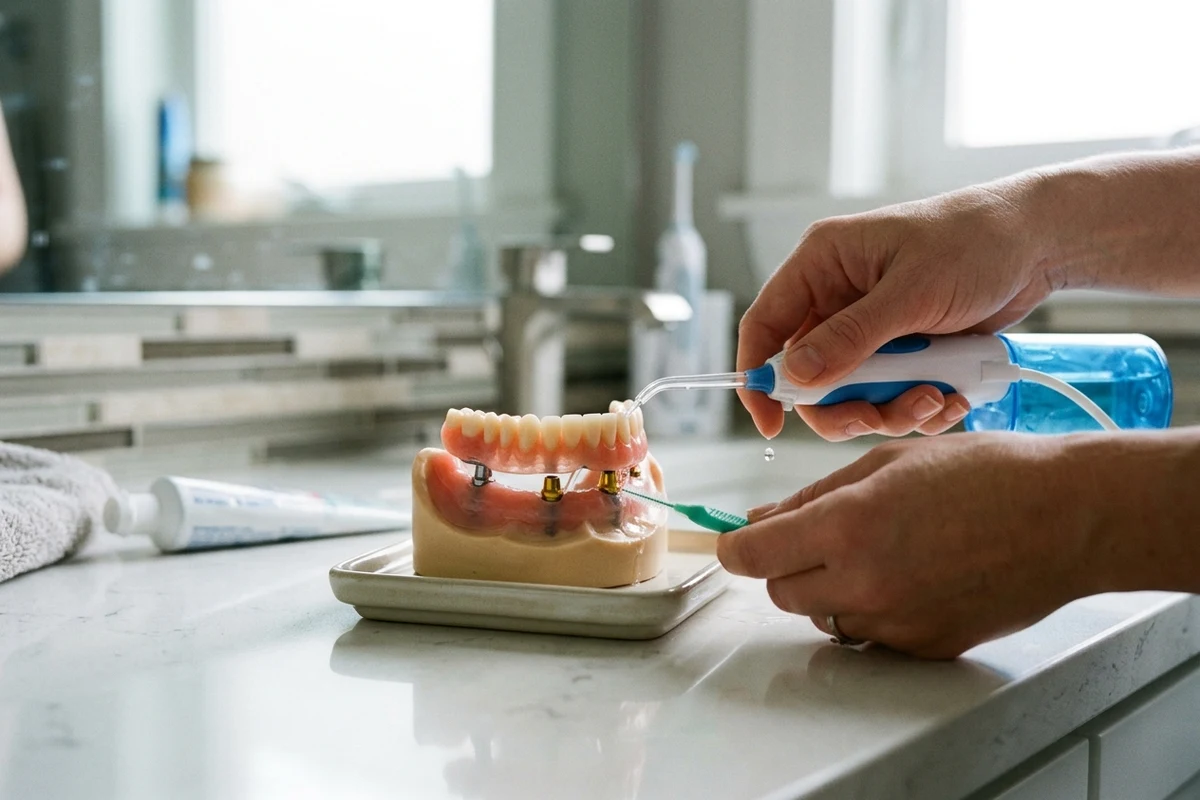
Removable overdentures require thorough physical debridement and overnight resting to maintain hygiene. Leaving prostheses out overnight allows mucosal tissues to recover from constant pressure while preventing fungal infections such as denture stomatitis. Safe cleaning practices protect the acrylic finish and internal retention housings from avoidable physical distortion.[2][3]
- Brush the denture base daily over a water-filled basin using a soft denture brush and non-abrasive cleanser.
- Never clean appliances with boiling water or abrasive toothpastes that warp acrylic or scratch housing surfaces.
- Soak the appliance overnight in plain water or an approved antimicrobial solution to prevent material dehydration.
- Remove the prosthesis before sleeping to relieve mucosal pressure and lower the risk of fungal stomatitis.
Cleansing Intraoral Abutments and Mucosa
Cleaning the mouth itself is just as critical as scrubbing the prosthesis. Patients should brush exposed abutment posts twice daily using an ultra-soft toothbrush, plastic-coated interdental brushes, or specialized floss. Gently sweeping the tongue, palate, and gum ridges removes residual biofilm and promotes healthy microcirculation in mucosal tissues.[1][2][3]
Biological Risks and Proactive Management
Even with modern dental engineering, implant-supported prosthetics remain susceptible to microbial diseases if biofilm is neglected. Recognizing the progression from superficial inflammation to irreversible bone loss empowers patients to take swift preventive action, protecting their restorative investment through structured collaboration with their dental team.[1][2]
Distinguishing Mucositis from Peri-Implantitis
Peri-implant mucositis involves reversible soft-tissue swelling and redness around posts without bone loss, resolving quickly with professional debridement and improved hygiene. If unmanaged, it can advance to peri-implantitis, which destroys supporting crestal bone and risks implant loss. Routine recall visits every three to six months provide vital defense against progression.[1][2]
Sources
Common questions
Frequently asked questions
Talk with a dentist about your next step
To explore personalized treatment options or learn more about caring for implant-supported restorations, contact One Ounce Dental to request an appointment and discuss your individual oral health goals.
More Articles
View all Emergency
Emergency Dentist Chino CA: Emergency Care for Dental Pain
When sudden pain, infection, or facial trauma strikes, consulting an emergency dentist Chino CA residents trust ensures rapid stabilization, accurate diagnostic imaging, and evidence-based interventions to relieve distress and preserve natural tooth structure.September 24, 2026 · 6 min read Preventive & General
Dentist That Accepts Delta Dental Chino: General Dentistry and Plan Costs
Finding a dentist that accepts Delta Dental Chino helps patients manage preventive and restorative expenses. Understanding network fee schedules, annual maximums, and pre-treatment estimates ensures predictable costs for quality general dental care.September 23, 2026 · 6 min read Preventive & General