
What I look for before recommending a sealant
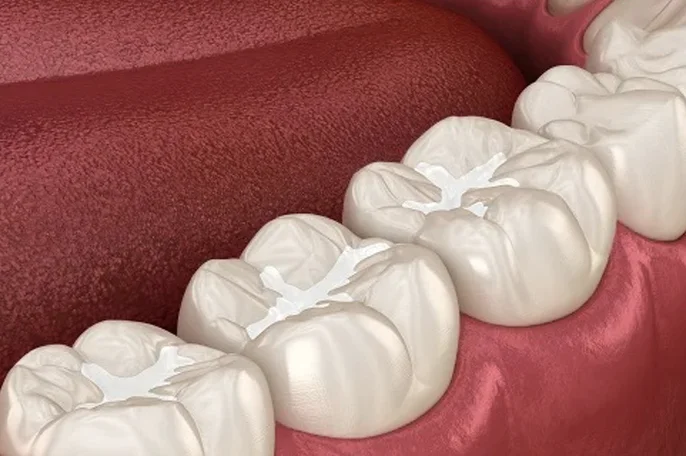
The chewing surfaces of molars and premolars often have narrow pits and grooves. A toothbrush may not clean the deepest parts of those grooves well, even when your home care is excellent. A sealant creates a thin barrier over that surface so food and bacteria are less likely to settle there.
Age alone does not decide whether a sealant makes sense. I look at the shape of the tooth, your history of cavities, current findings, dry mouth, fluoride exposure, and whether the surface can be kept clean. An adult with deep grooves and repeated decay may have more to gain than an adult whose molars are shallow and consistently healthy.
What sealants can—and cannot—do
- Protect a vulnerable chewing surface by covering pits and fissures
- Help manage certain very early enamel lesions that have not formed a cavity
- Work alongside fluoride, brushing, cleaning between teeth, and regular examinations
- Require inspection over time because a sealant can wear, chip, or need repair
A sealant is not a filling and it does not rebuild a tooth with an established cavity. If decay has created a hole or has extended deeper into the tooth, I need to evaluate whether a restoration is more appropriate. I also do not treat a sealant as a guarantee that a tooth can never develop decay; the tooth still needs normal daily care and monitoring.
What placement is like
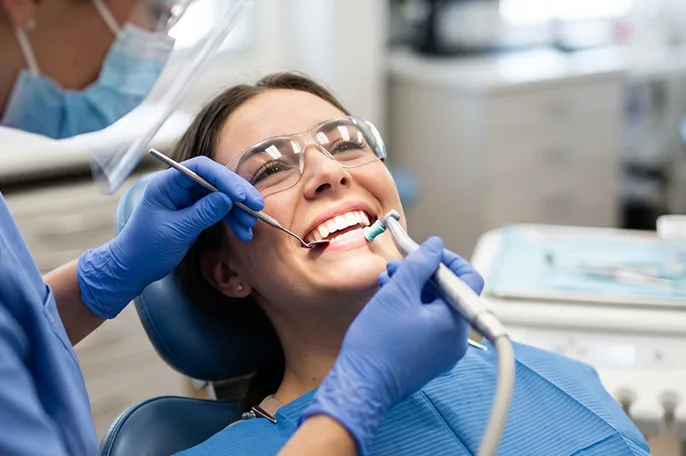
- The tooth is cleaned and examined so I can confirm that sealing is appropriate.
- The chewing surface is prepared and kept dry so the material can bond properly.
- The liquid sealant is placed into the grooves and hardened.
- Your bite is checked, and the sealant is reviewed during future dental visits.
The process is usually quick and does not require drilling or numbing when the tooth only needs a sealant. How long it lasts varies with the material, the tooth, and your bite. I check the sealant at recall visits and repair or replace it when needed.
Is it a good value for you?
The strongest sealant research involves children and teenagers, so I do not apply pediatric statistics or promise a specific adult risk reduction. For an adult, the decision is individualized. Insurance coverage also varies, and some plans do not cover adult sealants. We can explain the clinical reason for the recommendation and the expected cost before you decide.
The useful question is not whether every adult should get sealants. It is whether a particular tooth has enough preventable risk to make a sealant worthwhile. That answer comes from examining the tooth and your overall cavity risk.
Sources
- Dental Sealants — American Dental Association
- Sealants — ADA MouthHealthy
- About Dental Sealants — Centers for Disease Control and Prevention
- Caries Risk Assessment and Management — American Dental Association
Related care
Dental Sealants →
Your dentist
Dr. Yiyang Zou, DMD
Owner Dentist at One Ounce Dental, focused on clear explanations, prevention, and recommendations based on the individual patient.
Meet Dr. Zou →This page provides general education and is not a diagnosis or a substitute for an examination. Recommendations, timing, and treatment depend on your health history and clinical findings. An appointment request does not guarantee immediate care.
Request a Preventive Consultation