
The difference is how much support the tooth needs
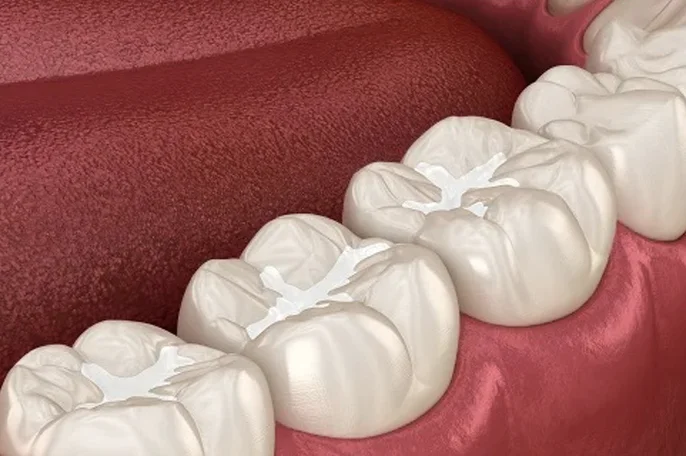
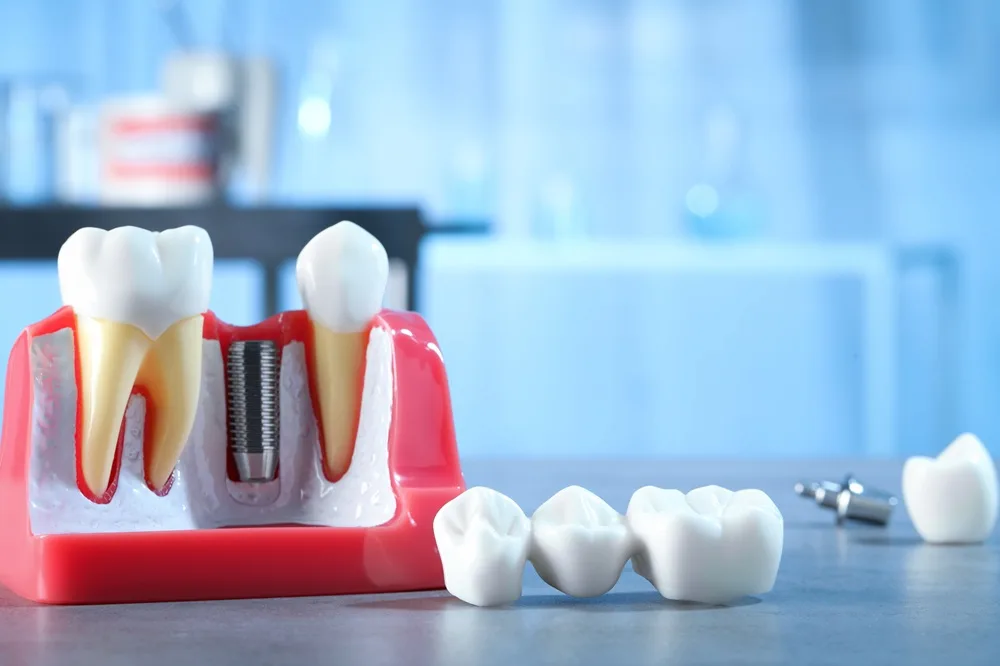
A filling replaces a limited area damaged by decay or fracture. It relies on the remaining tooth to hold and support the restoration. A crown covers more of the visible tooth and can protect weakened cusps and walls from chewing forces.
I do not use a fixed percentage or a single X-ray measurement to make the choice. I examine how much healthy tooth remains, where the damage is, the forces on that tooth, whether cracks are present, and what previous treatment the tooth has received.
When a filling may be appropriate
- The cavity or defect is small to moderate.
- Strong tooth walls and cusps remain around the damaged area.
- There is enough sound structure to support and retain the restoration.
- The tooth does not show a fracture pattern that needs broader protection.
When I may discuss a crown
- A large part of the tooth is missing, weakened, or already restored.
- A cusp or wall is fractured or is unlikely to tolerate normal chewing forces.
- A very large existing filling is failing and little strong tooth remains.
- The tooth has received root-canal treatment and needs broader protection based on its location and remaining structure.
- Wear or another structural problem affects more of the tooth than a filling can predictably restore.
Not every root-canal-treated tooth automatically needs a crown, and a crown cannot guarantee that a crack will never progress. The final restoration depends on the tooth, the crack or defect, and the amount of sound structure that remains.
Sometimes there is a middle option
An inlay or onlay can sometimes replace more tooth than a direct filling while preserving more natural structure than a full crown. Whether that option is suitable depends on the defect, material, bite, and the ability to isolate and bond the restoration properly.
My goal is to use the most conservative restoration that can reasonably protect the tooth. That decision requires an examination and, when indicated, imaging and bite testing; it cannot be made from symptoms or a photograph alone.
Sources
- Dental Fillings — National Institute of Dental and Craniofacial Research
- Crowns — ADA MouthHealthy
- Composite Fillings — ADA MouthHealthy
- Cracked Teeth — American Association of Endodontists
Related care
Crowns and Bridges →
Your dentist
Dr. Yiyang Zou, DMD
Owner Dentist at One Ounce Dental, focused on clear explanations, prevention, and recommendations based on the individual patient.
Meet Dr. Zou →This page provides general education and is not a diagnosis or a substitute for an examination. Recommendations, timing, and treatment depend on your health history and clinical findings. An appointment request does not guarantee immediate care.
Request a Restorative Consultation