

How to Get Rid of Canker Sores (Step-by-Step)
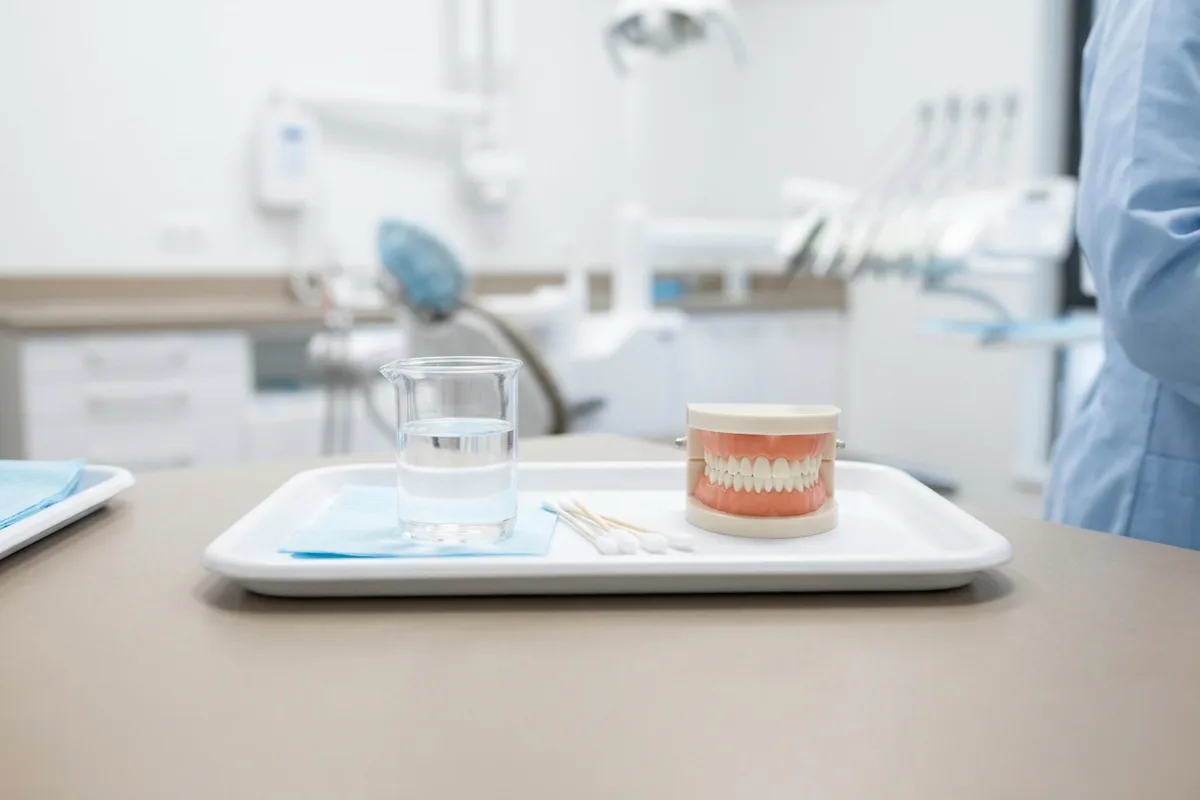
Canker sores are noncontagious mouth ulcers that usually heal on their own within one to two weeks. Learn how to soothe irritation and protect delicate oral tissue step by step.
What You'll Need for Home Care
A canker sore, also known as an aphthous ulcer, is a painful, noncancerous open sore that develops on the movable soft tissues inside your cheeks, under the tongue, or in the back of your throat. Unlike fever blisters, these sores are entirely noncontagious. Gathering a few soothing home supplies before discomfort peaks can help you manage daily soreness while the ulcer runs its natural course.
Having these common items within reach will help you protect tender oral tissues and keep your mouth clean without aggravating the ulcer:[1][2][3]
- Table salt or alcohol-free mouthwash for gentle, soothing rinses
- Liquid diphenhydramine and milk of magnesia to coat irritated areas
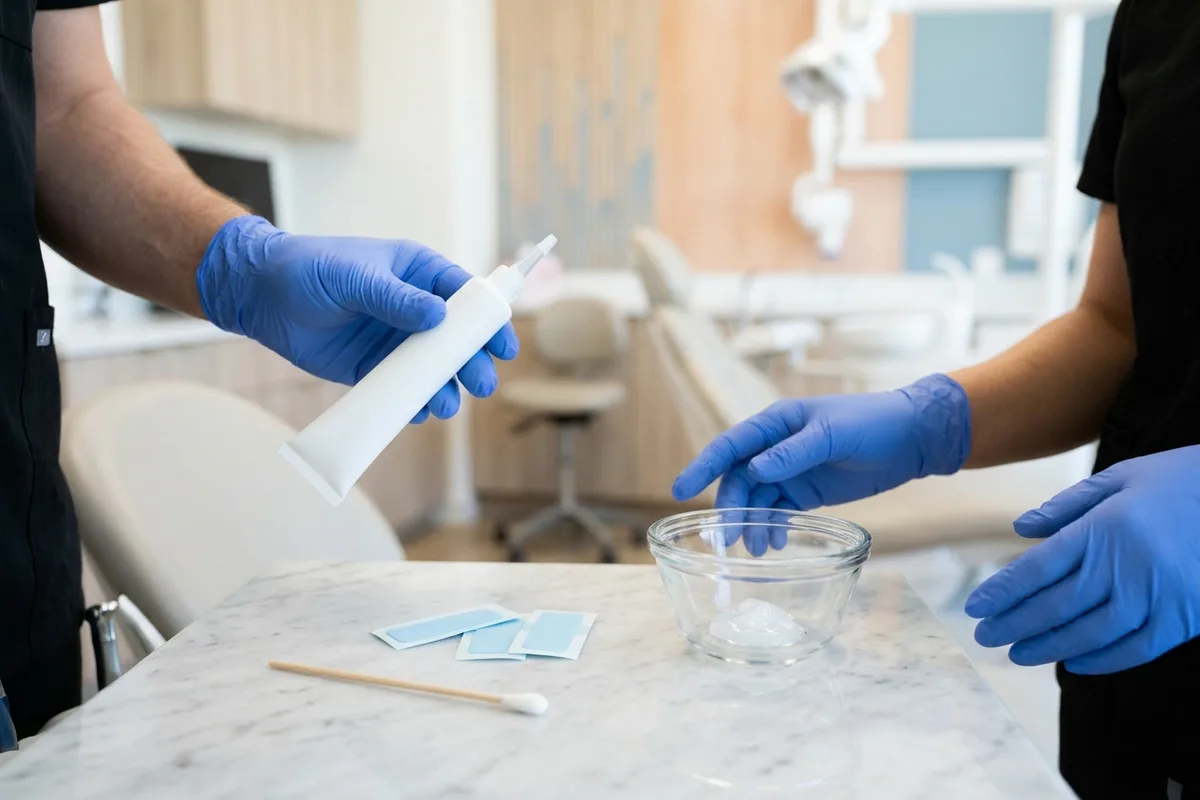
- Diluted hydrogen peroxide and cotton swabs for careful cleaning
- Over-the-counter topical numbing gels or creams to dull acute pain
- Protective oral bandages to help reduce secondary infection
- A soft-bristled toothbrush that protects gums from accidental scrapes
Step by Step: How to Get Rid of Canker Sores
These sequential measures support natural tissue repair, diminish sharp eating discomfort, and help prevent secondary bacterial complications as your mouth ulcer recovers.[1][2]
Swish with Mild Salt Water
Rinse your mouth gently with salt water or a mild, alcohol-free mouthwash. This simple rinse cleanses sensitive tissue and calms local irritation without exposing raw nerves to mouthwashes containing alcohol, which can irritate the area more.[3]
Dab on Diluted Hydrogen Peroxide
Dip a cotton swab into diluted hydrogen peroxide and gently touch it directly to the center of the ulcer. Applying this mild solution three to four times each day helps clear debris and ease underlying inflammation. Avoid rubbing or pressing the cotton tip aggressively against the delicate ulcer border.[3]
Coat with Milk of Magnesia
After cleansing the spot, apply a small dab of milk of magnesia directly on the sore, or rinse your mouth with an equal mixture of milk of magnesia and liquid diphenhydramine allergy medicine for about one minute before spitting it out.[3]
Apply Over-the-Counter Numbing Gel
Place a small dot of over-the-counter anesthetic gel or cream over the sore shortly before mealtimes. Numbing medications temporarily block pain signals so you can drink fluids and speak without acute burning. Avoid applying excessive amounts that spread to the back of your throat.[1][2][4]
Shield the Sore with an Oral Bandage
If you have a canker sore, some oral bandages can be used to help reduce secondary infection as your mouth recovers.[2]
Choose Bland and Soft Meals
Select cool, non-abrasive foods such as yogurt, warm broths, and soft steamed vegetables during active inflammation. Steer clear of rough bread crusts, citrus items, and heavy spices that inflame open tissue. Avoid biting down on crunchy snacks that can scrape the sensitive healing cap.[1][2][4]
Timeline: Healing Over Two to Four Weeks
Patients commonly ask how long do canker sores last, and the answer depends largely on whether the ulcer is a minor or major breakout. This timeline shows the typical progression and care focus for each phase.[2][3][4]
| When | What to Expect | What to Do |
|---|---|---|
| Hours before to Day 2[1][3][4] | A tingling or burning sensation develops, followed by a shallow white or yellow spot with a bright red border. | Begin soothing salt-water swishes, dab on milk of magnesia, and avoid acidic foods. |
| Days 3 to 7[3][4] | Ulcer pain peaks and begins to subside, while the central ulcer base gradually turns gray. | Continue applying topical numbing gels before meals and keep up careful, soft tooth brushing. |
| Weeks 1 to 2[2][3][4] | Minor sores heal completely without leaving scar tissue as normal mucosal layers close. | Return gradually to normal foods while maintaining regular daily brushing and flossing. |
| Weeks 3 to 4[3][4] | Major sores measuring over one centimeter wide slowly contract and may form fibrous scars. | Consult your dentist for prescription germ-fighting washes or steroid rinses if pain persists. |
What's Normal and What's Not
Expected Ulcer Symptoms
Minor aphthous ulcers make up roughly 85 percent of all canker sore cases. It is entirely normal for the spot to stay under one-third of an inch wide, show a white or gray center with an inflamed red edge, and sting during eating or speaking. Discomfort usually declines significantly within 7 to 10 days, clearing completely within one to two weeks.[2][3][4]
Warning Signs and Atypical Ulcers
Ulcers that span wider than one centimeter, clusters of tiny pinhead lesions that merge into irregular patches, or pain that persists past two weeks are not typical minor sores. You should also watch for non-oral complications like fever, swollen neck lymph nodes, diarrhea, skin rashes, or extreme tiredness, which point toward underlying systemic health conditions.[3][4]

When to Call Your Dentist
While most sores resolve spontaneously, you should contact a dental professional if an open sore lingers beyond two weeks, grows exceptionally large, or makes swallowing liquids difficult. Persistent lesions sometimes require a tissue biopsy or prescription anti-inflammatory therapy to exclude other serious mouth conditions or oral cancer. When calling One Ounce Dental, inform the team how many days the ulcer has been present and whether you have accompanied symptoms like fever or unpleasant breath.
Your provider can recommend targeted canker sore treatment, such as prescription germ-fighting chlorhexidine rinses, topical steroid pastes, or in-office laser therapy to speed relief.[1][3][4]
Your Checklist (Make Sure It's Healing)
Review these essential daily practices before the end of your first week to ensure your ulcer is improving steadily and without avoidable complications:[1][2][3]
- Do switch to a soft-bristled toothbrush to prevent further accidental soft-tissue injury
- Do swish with gentle salt water or an alcohol-free mouthwash three to four times daily
- Do confirm that your oral discomfort is beginning to drop noticeably after several days
- Don't consume acidic citrus fruits, vinegars, hot peppers, or tough, crusty breads
- Don't skip your routine daily brushing and flossing around uninvolved healthy teeth
- Don't ignore sores that remain open and intensely painful after two weeks have passed
Habits That Help Long-Term
Most people who deal with canker sores experience outbreaks three to six times a year, though these flare-ups tend to become less frequent as you age. Even though the primary cause remains uncertain in many cases, outbreaks often correlate with physical mouth trauma, emotional stress, or nutritional shortages in iron, folic acid, or vitamin B-12. At your visit, you can ask Dr. Yiyang Zou about preventive steps to minimize future irritation.
Adopting these sensible habits can help keep mouth tissues resilient against recurrent ulcerations:[1][3][4]
- Maintain balanced nutrition to avoid deficiencies in iron, folic acid, and vitamin B-12
- Chew slowly and deliberately to reduce accidental cheek and tongue biting injuries
- Brush gently twice daily to avoid scratching gums with stiff toothbrush bristles
- Schedule regular dental checkups, and note that in some cases, gastric acid-reducing medicines can decrease discomfort
Sources
- Canker Sores — medlineplus.gov
- Canker Sores — American Dental Association
- Canker sore — medlineplus.gov
- Overview: Canker sores (mouth ulcers) — National Center for Biotechnology Information
Common questions
Frequently asked questions
Questions about your own smile?
If you are struggling with a painful or slow-healing mouth ulcer, contact One Ounce Dental in Chino, CA, at 909.283.3130 to request an appointment and evaluate your comfort.
More Articles
View all Dental care
Why Do I Have a Metallic Taste in My Mouth? 7 Common Causes
A lingering metallic flavor can come from swollen gums, everyday drugs, sinus colds, or dry mouth. Learn what causes this strange taste and how to find relief.November 17, 2026 · 6 min read Dental care
Why Is My Tongue White? 7 Common Causes
A white tongue can stem from harmless debris, surface irritation, fungal thrush, or precancerous patches. Discover what causes these color changes, how to spot warning signs, and when to seek dental care.November 16, 2026 · 6 min read Dental care