

Snap-On Veneers vs Porcelain Veneers: Which Is Better for You?
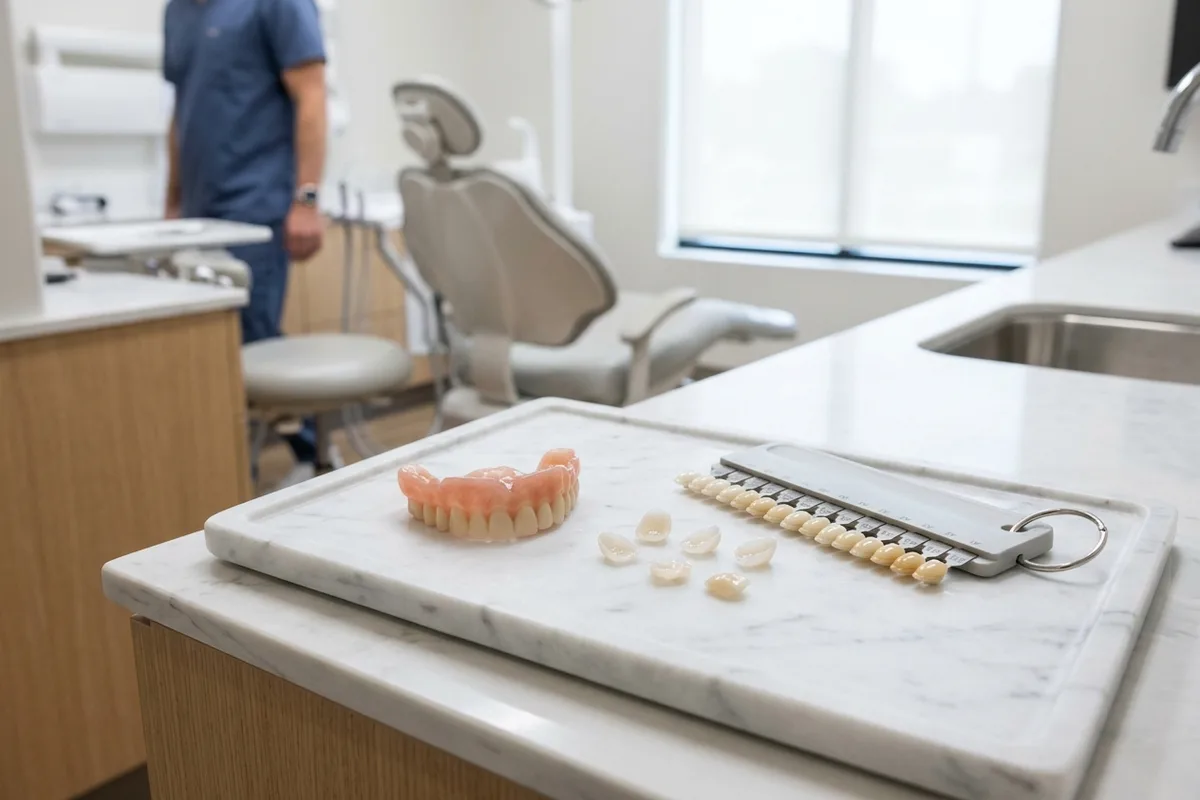
Deciding between snap-on veneers vs porcelain veneers depends on whether you want a permanent smile change or a temporary cover. Here is how their fit, oral health impact, and lifespan compare.
The Short Verdict (Fast Answer)
Porcelain veneers are custom ceramic shells bonded to the front surfaces of your teeth to enhance appearance, requiring irreversible enamel removal. Removable snap on veneers fit over your natural teeth without drilling or dental cement, but non-customized versions often fit poorly and lead to plaque buildup. Choosing between them depends on your oral health, long-term smile goals, and whether you want a permanent change.[2][3][4]
- Choose porcelain veneers if you have healthy teeth and gums, want a long-lasting, stain-resistant finish, and are comfortable with permanent enamel removal.
- Choose snap-on veneers if you want a temporary, non-invasive overlay without numbing shots, dental cement, or enamel reduction.
- Consider neither if you have untreated tooth decay, active gum disease, or severe teeth grinding habits that could damage restorations.
Snap-On Veneers vs Porcelain Veneers Side by Side
This side-by-side comparison outlines how bonded ceramic restorations and removable resin covers differ across daily use, procedural steps, and long-term oral health considerations.
| Feature | Porcelain Veneers | Snap-On Veneers |
|---|---|---|
| Attachment type[3][4] | Bonded permanently with dental cement | Removable friction fit over teeth |
| Tooth preparation[2][3][4] | Shaves away a thin layer of natural enamel | Requires no enamel removal or shots |
| Reversibility[3][4][5] | Irreversible; teeth always need restorations | Fully reversible removable appliance |
| Typical lifespan[4][5] | 10 to 15 years or longer with proper care | Short-term wear; devices lack long structural durability |
| Eating and chewing[3][4] | Allows normal chewing; avoid hard items | Eating while wearing them is not recommended |
| Oral health risks[4][5] | Temporary sensitivity, chipping under heavy bite force | Plaque accumulation, tooth decay, gum inflammation |
| Treatment visits[1][3][5] | Requires multiple dental visits | Can be ordered directly without dental visits |
Porcelain Veneers: Pros and Cons
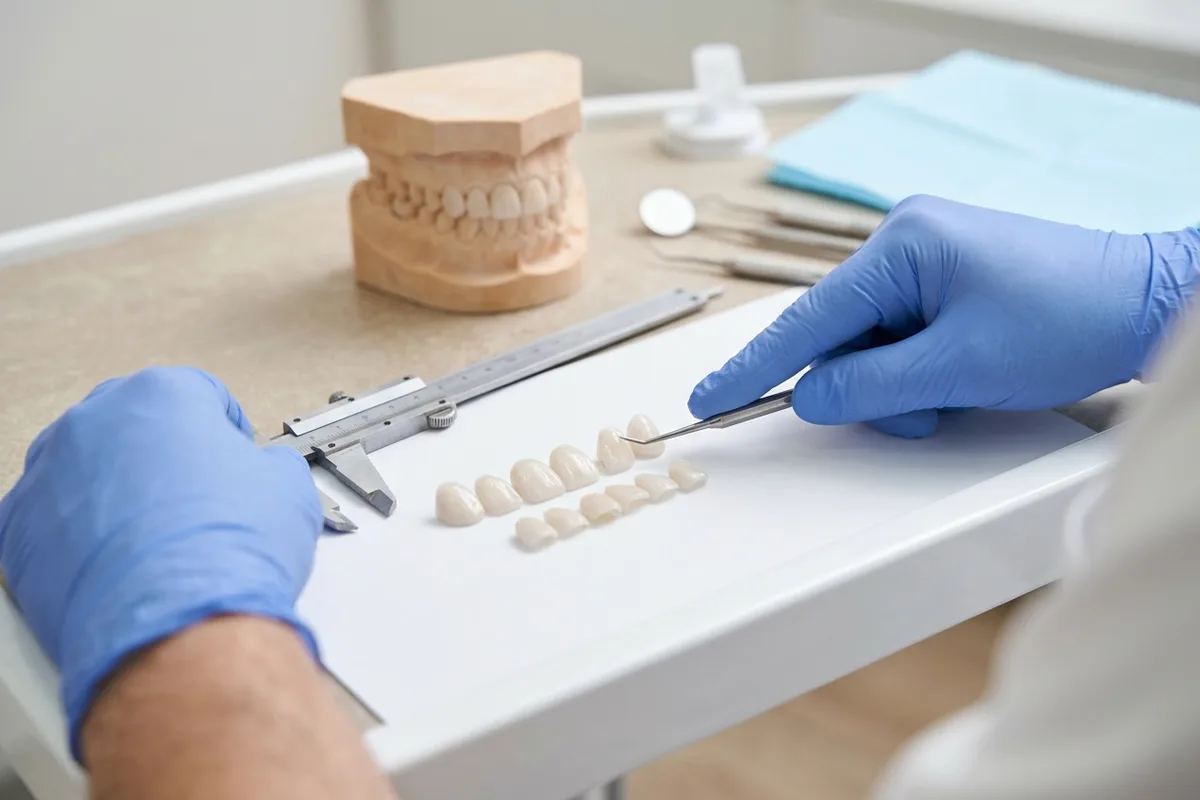
Porcelain veneers are custom-crafted ceramic shells designed to cover the front surface of teeth to improve color, shape, or slight spacing. Placing them requires your dentist to shave down a small amount of enamel, capture digital scans or impressions, place temporary covers, and later bond the final lab-fabricated shells.[2][3][5]
Benefits of Porcelain Veneers
Ceramic veneers offer notable aesthetic and functional strengths for patients seeking lasting smile enhancement.[3][5]
- Provides a durable, strong, and natural appearance that closely mimics tooth enamel.
- Offers high resistance to surface stains from everyday food and beverages.
- Typically lasts 10 to 15 years or longer when supported by good oral hygiene.
- Corrects aesthetic concerns such as stubborn discoloration, minor chips, and small gaps between teeth.
Drawbacks of Porcelain Veneers
Because placing veneers alters natural tooth structure, patients must consider several permanent factors and risks before treatment.[2][3][5]
- The procedure is irreversible because natural protective tooth enamel is permanently removed.
- Can cause temporary tooth sensitivity or chip if subjected to heavy bite forces.
- Requires multiple appointments to complete enamel preparation, impression taking, and final bonding.
- Dental insurance generally classifies veneers as cosmetic care and may not cover treatment costs.
Snap-On Veneers: Pros and Cons
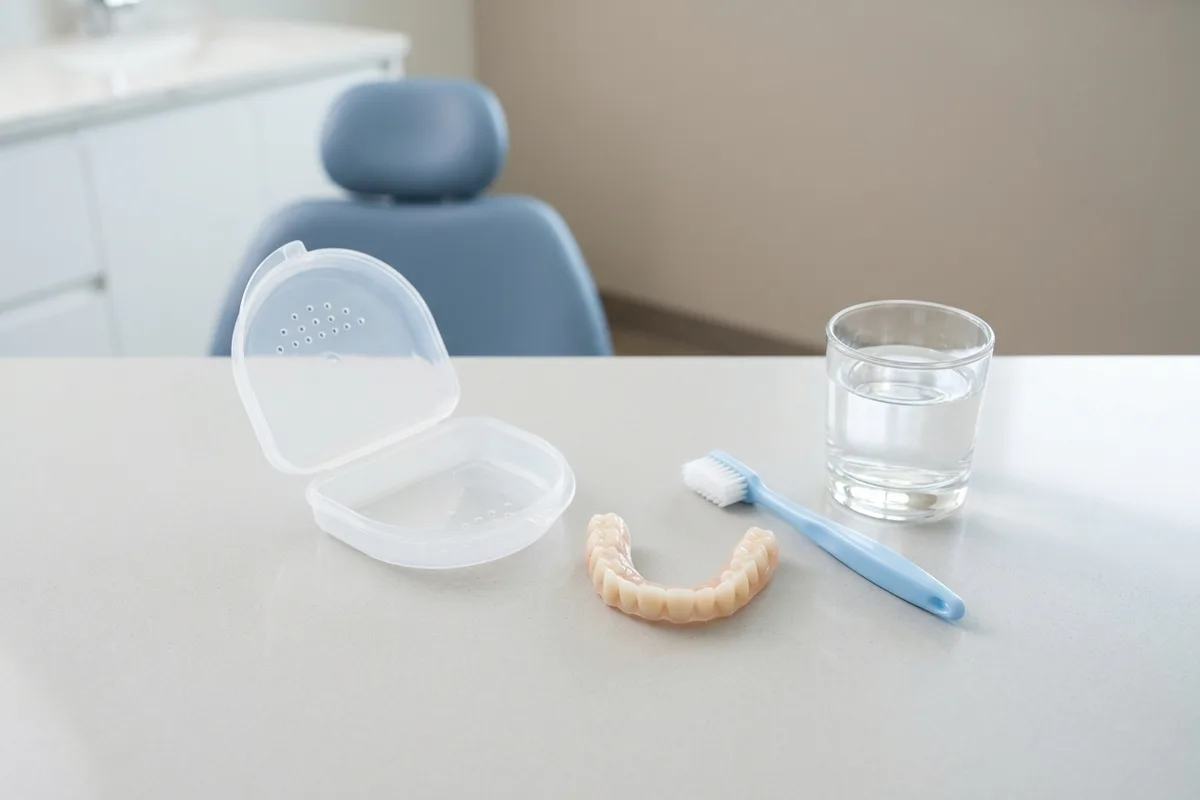
Professional snap-on appliances are flexible, removable devices made to fit over your existing teeth without enamel reduction or numbing shots. However, many direct-to-consumer clip-on veneers sold online consist of pre-made resin or plastic fitted without professional supervision, which can introduce significant oral health hazards.[1][4]
Benefits of Snap-On Veneers
Removable overlays present a non-invasive cosmetic alternative for people who cannot undergo fixed dental procedures.[4]
- Involves no permanent tooth shaving, local anesthetic injections, or dental bonding cement.
- Can be taken out at any time, keeping your natural tooth structure completely intact.
- Covers cosmetic flaws across an arch without invasive dental surgery.
Drawbacks of Snap-On Veneers
Non-customized or mail-order clip-on appliances carry substantial risks to teeth, gums, and jaw alignment.[4]
- Ill-fitting trays lead to plaque buildup, causing tooth decay, mouth pain, and gum inflammation.
- Can alter your bite positioning and put excess stress on the jaw joint (temporomandibular joint), causing pain.
- Eating while wearing them is generally not recommended due to limited structural durability.
- Direct-to-consumer relining materials can get trapped and cause mouth ulcers or soft-tissue injury.
Which One Fits You
When Porcelain Veneers Fit Best
Porcelain veneers work well if you have healthy gums, cavity-free teeth, and sufficient enamel to support dental bonding. They suit individuals seeking a long-term cosmetic dentistry solution for deep stains, chipped edges, or small gaps who are comfortable with irreversible enamel preparation.[2][3][5]
When Snap-On Devices Might Be Considered
A professionally customized snap-on appliance may serve as a short-term, non-invasive cosmetic cover if you want to avoid altering natural enamel. However, mail-order versions are discouraged by the American Dental Association because bypassing hands-on dental supervision risks permanent oral complications.[1][4]
When Neither Option Is Appropriate
Neither veneer type is safe if you have untreated cavities, active gum disease, or an unmanaged teeth grinding habit. Decay and periodontal disease must be treated first, and heavy clenching or a deep overbite can chip porcelain or worsen jaw strain from snap-on appliances.[3][4][5]
Deciding With Your Dentist
Before selecting any cosmetic treatment, seeing your dentist for a comprehensive examination and professional cleaning is essential. Your dentist evaluates your gums, screens for tooth decay, and confirms whether your enamel and bite can safely support restorations.
If you live in Chino, CA, you can visit One Ounce Dental to review your smile goals. At your visit, you can ask Dr. Yiyang Zou about whether porcelain veneers or alternative treatments fit your oral health needs.[2][3]
Other Options to Consider for Smile Enhancement
Cosmetic Dental Bonding
Dental bonding fuses tooth-colored composite resin directly to your natural enamel and dentin without extensive enamel removal. While composite material stains more easily and lasts around 5 to 7 years compared to porcelain, it can address minor cosmetic chips and discoloration in a single visit.[2][3][5]
Orthodontic Aligners and Teeth Whitening
Clear aligners can correct crowded or misaligned teeth without altering tooth structure, offering a conservative alternative to cosmetic veneers. For patients whose main concern is yellowing or discoloration, consulting your dentist about professional whitening can brighten your natural teeth safely without restorations.[2][5]
Full-Coverage Dental Crowns
When teeth are severely broken, weakened, or heavily decayed, dental crowns fit over the entire tooth rather than just the front surface. Crowns restore appearance while protecting compromised tooth structure from breaking under normal chewing forces.[2][5]
Sources
- Direct-to-Consumer Dental Services — American Dental Association
- 8 Great Ways to Improve Your Smile — American Dental Association
- Veneers — American Dental Association
- User Insights into Fake Snap-on Veneers: Perceptions and Experiences — pmc.ncbi.nlm.nih.gov
- Should I Get Veneers? Consider These 5 Things First — urmc.rochester.edu
Common questions
Frequently asked questions
Questions about your own smile?
To discuss your cosmetic smile goals and evaluate your oral health, contact One Ounce Dental in Chino, CA at 909.283.3130 to schedule your appointment.
More Articles
View all Dental care
Why Do I Have a Metallic Taste in My Mouth? 7 Common Causes
A lingering metallic flavor can come from swollen gums, everyday drugs, sinus colds, or dry mouth. Learn what causes this strange taste and how to find relief.November 17, 2026 · 6 min read Dental care
Why Is My Tongue White? 7 Common Causes
A white tongue can stem from harmless debris, surface irritation, fungal thrush, or precancerous patches. Discover what causes these color changes, how to spot warning signs, and when to seek dental care.November 16, 2026 · 6 min read Dental care