

Crown On Tooth What To Expect: A Patient Guide to Dental Crowns and Bridges

If you are wondering about getting a crown on a tooth, understanding what to expect can help you prepare. This guide explains the traditional two-visit process, common material options, and how to care for your new dental restoration.
Understanding Dental Crowns
A dental crown is a custom-fitted restoration designed to cover an entire tooth. People often search for what to expect when getting a crown on a tooth to better understand how this treatment restores the natural shape, size, and strength of their smile.[1]
The Role of a Dental Cap
Often referred to as a cap, a dental crown completely encases the visible portion of a tooth that lies at and above the gumline. This restoration provides a strong outer layer that protects the underlying natural tooth structure while improving its overall appearance and function.[1]
Connection to Other Services
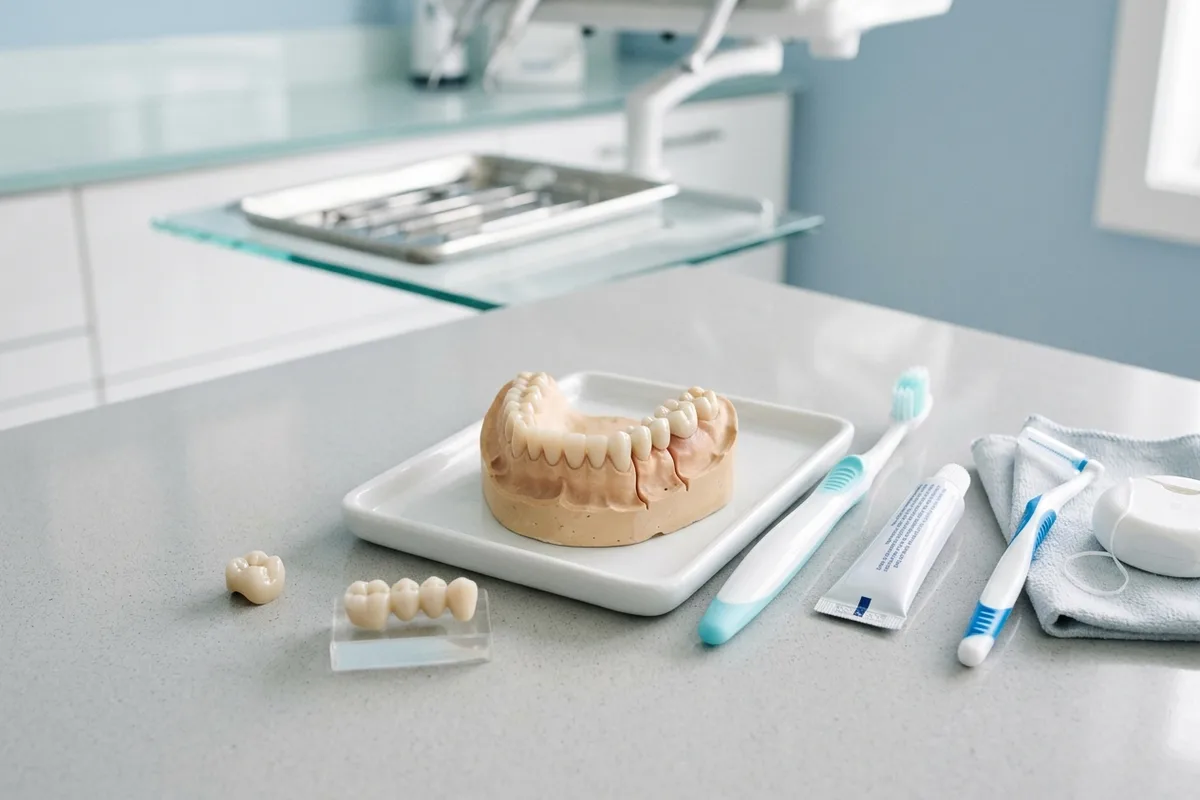
Crowns are frequently used in conjunction with other dental treatments. For example, they serve as the anchoring abutments for a dental bridge to replace missing teeth, or they can be attached to a dental implant to provide a functional and natural-looking replacement tooth.[1][2]
Reasons for Recommending a Crown
A dentist may recommend a crown for several distinct clinical reasons. The decision often depends on the extent of existing damage, the amount of healthy enamel remaining, and the need to protect the tooth from further structural failure or decay.[1][3]
Restoring Damaged Teeth
Crowns are commonly used to restore a broken tooth or one that has been severely worn down over time. They are also highly effective at holding a cracked tooth together, preventing the fracture from spreading and causing more extensive damage to the root.[1]
Protecting Weakened Structures
When a tooth has a very large filling and little natural structure remains, a crown provides necessary support and coverage. It also protects a weak tooth from advanced decay, ensuring that the remaining healthy tissue is shielded from harmful bacteria and daily chewing forces.[1][3]
When to Consider Treatment
Recognizing the signs of severe tooth damage can help individuals seek timely dental care. Early intervention with a protective restoration can often save a compromised tooth from requiring extraction or more complex procedures in the future.[1]
Identifying Structural Issues
Individuals should consider scheduling a dental visit if they notice significant wear, deep cracks, or large areas of decay that cannot be repaired with a simple filling. Addressing these structural issues promptly helps maintain proper oral function and prevents further deterioration of the affected tooth.[1]
The Dental Assessment Process
Before planning a restoration, a dentist will carefully evaluate the affected tooth and surrounding tissues. This assessment ensures that a crown is the most appropriate treatment option for the individual's specific clinical needs.[1]
Examining the Tooth
The dentist will inspect the tooth to determine how much healthy structure remains and assess the health of the underlying root. This evaluation helps the dental team plan the precise shape and size of the final restoration to ensure a secure and comfortable fit.[1]
Choosing the Right Material
Dental crowns can be fabricated from a variety of materials, each offering different benefits in terms of strength and aesthetics. A dentist will discuss these options to help select the best material based on the location of the tooth and the individual's cosmetic preferences.[1]
Tooth-Colored Restorations
For a natural appearance, crowns can be made from porcelain, ceramics, or composite resin. These tooth-colored materials are carefully shade-matched to blend seamlessly with the surrounding natural teeth, making them a popular choice for highly visible areas in the front of the mouth.[1]
Metal Alloy Options
Metal alloys are another durable option for dental crowns. While they do not offer the natural look of porcelain or ceramics, metal crowns are incredibly strong and highly resistant to wear, which can make them suitable for back teeth that endure significant chewing pressure.[1]

The Traditional Crown Procedure
The traditional process for placing a dental crown usually spans two separate appointments. Understanding the sequence of these visits can help individuals feel more comfortable and prepared for their restorative dental treatment.[1]
The First Appointment
During the initial visit, the dentist prepares the tooth to ensure the new restoration will fit properly. Patients may experience mild, temporary sensitivity following this appointment. The standard steps include:[1]
- Numbing the area around the affected tooth for comfort.
- Preparing and shaping the tooth structure to accommodate the crown.
- Taking an accurate impression to guide the fabrication process.
- Placing a temporary crown to protect the tooth between visits.
The Second Appointment
At the follow-up visit, the dentist removes the temporary cap and prepares the tooth for the final restoration. The permanent crown is carefully evaluated for proper fit, bite alignment, and color match before being permanently cemented into its final position.[1]
Maintaining Your New Crown
Proper care is essential to extend the lifespan of a dental crown and protect the underlying natural tooth. With consistent daily maintenance and mindful dietary habits, these restorations can provide durable function for many years.[1][3]
Daily Oral Hygiene
To prevent decay from forming under the edge of the crown, individuals must maintain excellent oral hygiene. This includes brushing twice daily with a fluoride toothpaste, cleaning between the teeth daily with floss or interdental brushes, and attending regular professional dental check-ups.[1][3]
Preventing Physical Damage
While crowns are designed to be durable, the materials can still chip or fracture under excessive force. Individuals should avoid biting down on hard foods, such as ice or hard candies, to protect the structural integrity of the restoration and prevent accidental damage.[1]
Managing Complications
Although dental crowns are highly successful, occasional issues can arise that require professional attention. Knowing what signs to look for ensures that any complications are addressed promptly before they compromise the tooth or the restoration.[1]
When to Contact the Dentist
A person should contact their dentist if a temporary or permanent crown becomes loose, chips, or falls out entirely. Additionally, it is important to seek an evaluation if the bite feels uneven or uncomfortable after the permanent crown has been placed.[1]
Sources
- Crowns — American Dental Association
- Bridges — American Dental Association
- Tooth Decay — National Institute of Dental and Craniofacial Research
Common questions
Frequently asked questions
Talk with One Ounce Dental about your next step
If you have questions about getting a crown on a tooth or need to schedule an evaluation, contact One Ounce Dental today. Our team is ready to help you explore your restorative options and book an appointment.
More Articles
View all Dental care
How to Straighten Teeth Without Braces (Step-by-Step)
Wondering how to straighten teeth without braces? Custom clear trays can gently shift your smile into place when you follow key daily steps, wear them enough hours, and keep your teeth clean.October 16, 2026 · 6 min read Preventive & General
Enamel Erosion Symptoms: A Patient Guide to Dental Cleaning and Exams
Enamel erosion involves the chemical loss of tooth structure from acids. Understanding the early signs and risk factors can help you discuss prevention strategies during your regular dental cleaning and exams.October 15, 2026 · 6 min read Preventive & General