

Dental Exam And Teeth Cleaning Guide: A Patient Guide to Dental Cleaning and Exams

A comprehensive dental exam and teeth cleaning guide helps you understand the importance of routine preventive care. Regular visits allow your dental team to remove hardened plaque and monitor your mouth for early signs of decay or disease.
Understanding Routine Preventive Dentistry
Routine dental visits combine professional cleanings with comprehensive evaluations to protect your oral health. These appointments serve as the foundation of preventive dentistry, designed to stop tooth decay and periodontal disease before they cause significant damage to your smile.[1][2][4]
Removing Harmful Plaque and Tartar
Plaque is a sticky film of bacteria that constantly forms on your teeth. If daily brushing and flossing do not remove it, plaque hardens into tartar, also known as calculus. Only a dental professional can safely remove tartar to prevent it from irritating your gums and causing decay.[1][2]
Detecting Early Signs of Disease
A thorough dental examination allows your provider to identify oral health issues that you might not notice at home. By evaluating your teeth, gums, and surrounding tissues, your dentist can detect hidden decay, early gum disease, and other conditions when they are easiest to treat.[1][3][4]
Factors Influencing Your Oral Health
Several daily habits and underlying medical conditions can impact the health of your teeth and gums. Understanding these risk factors helps your dental provider determine how often you need professional cleanings and exams to maintain a healthy mouth.[1][2][3]
How Diet and Tobacco Affect Teeth
Consuming a diet high in sugary foods and beverages significantly increases your risk of developing tooth decay. Additionally, tobacco use is a major risk factor for periodontal disease and other oral health complications, often requiring more frequent monitoring and professional intervention to keep your gums healthy.[3][4]
The Impact of Medical Conditions
Your overall health is closely linked to your oral health. Systemic conditions, such as diabetes, can make you more susceptible to gum disease and infections. Patients with these health challenges may need customized dental care plans and more frequent visits to prevent severe periodontal complications.[1][3]
Recognizing When to Visit the Dentist
While most individuals maintain regular dental visits every six months, certain symptoms warrant an appointment between scheduled checkups. Paying attention to changes in your mouth ensures that emerging dental issues receive timely professional attention before they worsen.[1][3]
Warning Signs of Dental Issues
You should contact your dentist if you experience a persistent toothache, swollen or bleeding gums, or chronic bad breath. Other concerning signs include loose teeth or mouth sores that do not heal. These symptoms often indicate underlying decay or gum disease that requires immediate professional evaluation.[1][3]
Assessing Your Oral Health
During a standard dental exam, your dentist or hygienist systematically evaluates the health of your entire mouth. This comprehensive assessment helps the dental team identify areas of concern, measure gum health, and develop a personalized treatment plan tailored to your specific needs.[1][3]
X-Rays and Gum Measurements
The evaluation typically includes taking dental X-rays to detect hidden tooth decay or underlying bone loss. Your provider will also measure periodontal pockets around your teeth to assess gum health and perform a routine oral cancer screening to check for any abnormal tissues in your mouth.[1][3][4]
Preventive Treatments and Supplemental Care
Beyond standard cleanings, your dental team may recommend additional preventive measures to protect your teeth from decay. These supplemental treatments provide extra defense against bacteria and strengthen your enamel, depending on your individual risk factors and oral health history.[2][4]
Strengthening Tooth Enamel
Dentists often recommend professional fluoride varnish as a supplemental preventive treatment. Fluoride helps remineralize weakened enamel and makes your teeth more resistant to the acid attacks that cause cavities. This simple application is especially beneficial for patients with a high risk of developing tooth decay.[2][4]
Protecting Vulnerable Surfaces
Dental sealants offer another effective preventive option, particularly for the chewing surfaces of back teeth. By applying a thin protective coating over the deep grooves of molars, sealants block out food particles and bacteria, significantly reducing the likelihood of cavities forming in these hard-to-clean areas.[2][4]

The Professional Cleaning Process
The cleaning phase of your dental visit involves specific steps to thoroughly remove buildup and polish your teeth. A dental hygienist carefully cleans areas that regular brushing cannot reach, leaving your mouth refreshed and significantly reducing your risk of future dental problems.[1][2]
Eliminating Hardened Buildup
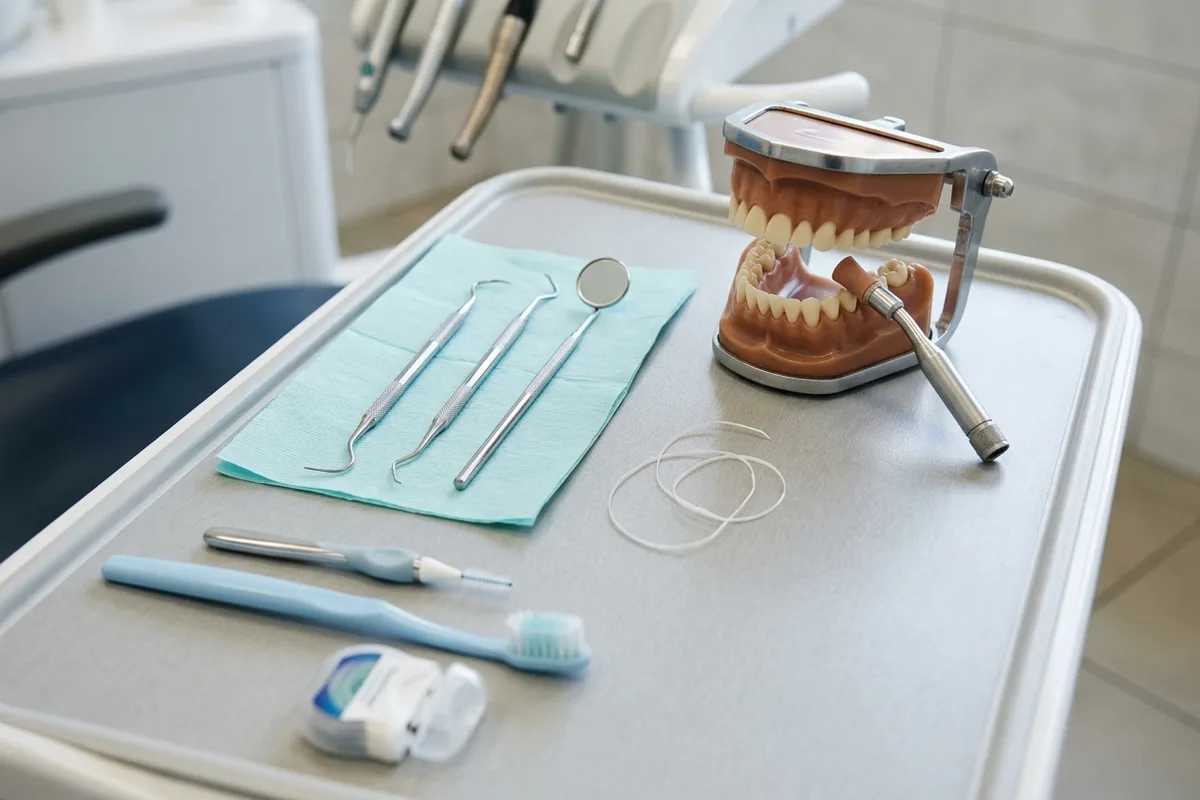
The hygienist begins with a process called scaling, which uses specialized instruments to carefully scrape away plaque and hardened tartar from the tooth surfaces and along the gumline. Patients with existing gingivitis may experience mild gum sensitivity or slight bleeding during this thorough cleaning phase.[1][3]
Removing Surface Stains
After scaling, the hygienist polishes your teeth using a gritty paste to remove surface stains and smooth the enamel. The cleaning concludes with professional flossing to clear away any remaining debris from between the teeth, ensuring a completely clean surface before the final examination.[1][2]
Maintaining Your Smile at Home
The success of professional dental visits relies heavily on your daily oral hygiene routine. Consistent at-home care prevents plaque from rapidly rebuilding and helps maintain the smooth, clean surfaces achieved during your professional cleaning, protecting your teeth and gums long-term.[1][2]
Essential Home Hygiene Habits
At-home prevention requires brushing your teeth twice daily using a fluoride toothpaste to strengthen enamel and sweep away bacteria. Additionally, you must clean between your teeth every day using dental floss or interdental brushes to remove plaque from tight spaces where a toothbrush cannot reach.[2][4]
- Brush twice a day with a fluoride toothpaste.
- Clean between teeth daily using floss or interdental brushes.
- Limit your intake of sugary foods and beverages.
Sticking to a Maintenance Schedule
To sustain optimal oral health, individuals should maintain regular dental visits at the intervals recommended by their provider. While every six months is common, your dentist may suggest a different schedule based on your specific risk factors, history of gum disease, or ongoing medical conditions.[1][3]
Managing Dental Health Risks
Failing to maintain routine dental visits allows plaque and tartar to accumulate, increasing your risk for severe tooth decay and advanced periodontal disease. Staying proactive with your oral care schedule is the best way to minimize these risks and avoid complex dental procedures in the future.[1][3][4]
Taking Charge of Your Oral Health
By understanding the importance of professional cleanings and exams, you can make informed decisions about your preventive care. Partnering with your dental team ensures that any emerging issues are caught early, keeping your teeth and gums healthy for years to come.[1][2]
Sources
- Dental care - adult — medlineplus.gov
- Oral Hygiene — National Institute of Dental and Craniofacial Research
- Gum Disease — National Institute of Dental and Craniofacial Research
- Tooth Decay — National Institute of Dental and Craniofacial Research
Common questions
Frequently asked questions
Talk with One Ounce Dental about your next step
Ready to prioritize your oral health? Contact One Ounce Dental today to book an appointment. Our team is here to answer your questions and provide the routine preventive care you need for a healthy smile.
More Articles
View all Dental care
How to Straighten Teeth Without Braces (Step-by-Step)
Wondering how to straighten teeth without braces? Custom clear trays can gently shift your smile into place when you follow key daily steps, wear them enough hours, and keep your teeth clean.October 16, 2026 · 6 min read Preventive & General
Enamel Erosion Symptoms: A Patient Guide to Dental Cleaning and Exams
Enamel erosion involves the chemical loss of tooth structure from acids. Understanding the early signs and risk factors can help you discuss prevention strategies during your regular dental cleaning and exams.October 15, 2026 · 6 min read Preventive & General