

Teeth Straightening: A Patient Guide to Orthodontics
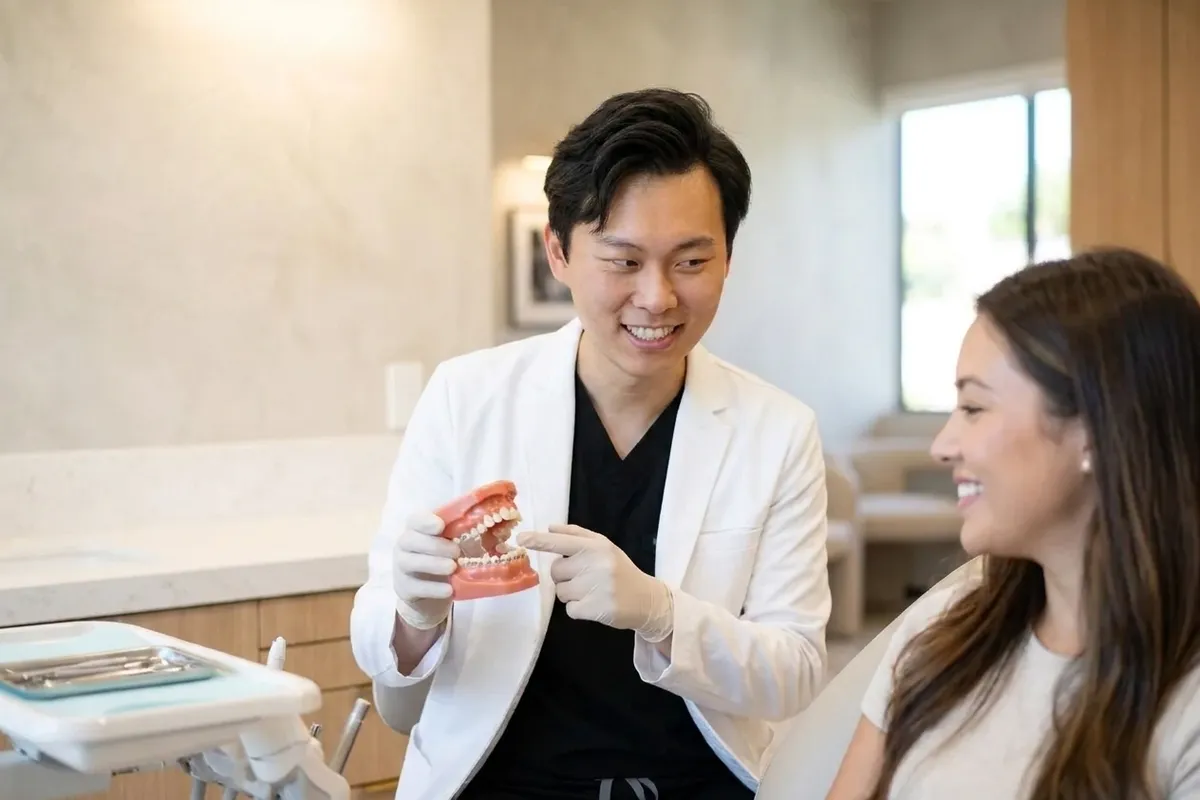
A comprehensive guide to teeth straightening, exploring the causes of malocclusion, modern orthodontic treatments like braces and clear aligners, and what patients can expect during their journey to a healthier smile.
Understanding Malocclusion and Crooked Teeth
Misaligned teeth, clinically referred to as malocclusion, develop from a variety of genetic and environmental factors that affect how the jaws and teeth grow.[3]
Genetic and Hereditary Factors
Malocclusion is most often a hereditary condition. It frequently results from a genetic mismatch between the size of the upper and lower jaws or between jaw size and tooth size. When the jaw is too small to accommodate all emerging permanent teeth, overcrowding occurs, forcing teeth to erupt at abnormal angles, twist, or overlap one another as they compete for limited space.[3]
Childhood Habits and Acquired Causes
Beyond genetics, acquired causes can significantly impact dental alignment. Prolonged childhood habits, such as thumb sucking, tongue thrusting, or pacifier use beyond age three, can alter the trajectory of jaw growth and push teeth out of alignment. Additionally, extra or missing teeth, impacted teeth, ill-fitting dental restorations, jaw fractures, and craniofacial anomalies like cleft lip and palate can contribute to severe malocclusion.[3]
Recognizing the Signs You Need Orthodontic Care
Identifying the symptoms of malocclusion early can help patients seek timely orthodontic intervention before complications worsen and require more invasive treatments.[3]
Recognizing Common Symptoms of Misalignment
Patients with misaligned teeth often experience visible overcrowding, where teeth overlap or twist. Other common symptoms include difficulty chewing or biting food, speech impediments such as a lisp, and noticeable jaw shifting or clicking when opening and closing the mouth. These functional issues indicate that the upper and lower teeth are not meeting correctly during daily activities.[3]
- Visible overcrowding or spacing issues
- Difficulty chewing or biting food properly
- Speech impediments, such as a lisp
- Jaw shifting or clicking during movement
Identifying Different Types of Bite Irregularities
Orthodontists categorize malocclusion into several specific bite patterns. An overbite, or retrognathism, occurs when the upper front teeth excessively overlap the lower teeth. An underbite, or prognathism, happens when the lower jaw protrudes forward, causing the lower teeth to sit in front of the upper teeth. A crossbite involves one or more upper teeth biting inside the lower teeth, which can lead to uneven enamel wear and jaw strain.[3]
The Functional and Aesthetic Benefits of Treatment
Orthodontic treatment extends far beyond cosmetic improvements, offering profound benefits for a patient's long-term oral health and daily function.[1]
Improving Oral Hygiene and Daily Function
Straightening crooked or overlapping teeth makes it significantly easier to brush and floss effectively, reducing the risk of plaque accumulation, tooth decay, and periodontal disease. Furthermore, correcting abnormal bite patterns enhances chewing efficiency, which aids in digestion, and resolves speech impediments caused by improper tongue and tooth positioning. Proper alignment also alleviates excessive stress on the temporomandibular joints, preventing chronic jaw pain and headaches.[1]
Exploring Teeth Straightening Treatment Options
Modern orthodontics provides a range of evidence-based treatment options designed to address varying degrees of malocclusion and patient preferences.[1][2]
Traditional Metal and Ceramic Braces
Traditional braces are fixed appliances that use metal or tooth-colored ceramic brackets bonded directly to the teeth. Archwires are threaded through these brackets and secured with ligatures. By periodically tightening the archwires, the orthodontist applies precise, continuous pressure to gradually shift the teeth into their correct positions. Braces remain one of the most effective treatments for complex or severe malocclusion.[2]
Clear Aligners for Discreet Treatment
Clear aligners offer a popular, removable alternative to fixed braces. Patients receive a series of custom-fit, transparent plastic trays that fit snugly over the teeth. Each set of aligners is worn for a specified period, typically one to two weeks, before moving to the next set in the series. Because they are removable, clear aligners allow for easier brushing, flossing, and eating without dietary restrictions.[1]
Adjunct Appliances and Surgical Options
In addition to braces and aligners, orthodontists may utilize adjunct appliances to achieve optimal results. Palatal expanders are used to widen a narrow upper jaw, while elastics or rubber bands help correct bite alignment. Temporary anchorage devices (TADs) can provide fixed points to facilitate complex tooth movements. For severe skeletal irregularities that cannot be corrected with appliances alone, orthognathic surgery, or corrective jaw surgery, may be required.[1]

What to Expect During the Orthodontic Journey
Successful orthodontic treatment requires a significant commitment of time, continuous pressure, and active patient cooperation to achieve the desired results.[1][2]
The Adjustment Process and Timelines
The duration of teeth straightening varies widely, lasting anywhere from a few months for minor corrections to several years for complex cases. Patients typically visit the orthodontist every six to ten weeks. During these appointments, the orthodontist monitors progress, adjusts wires, provides new aligners, or modifies adjunct appliances to ensure teeth continue moving along the planned trajectory.[1]
Maintaining Rigorous Oral Hygiene During Care
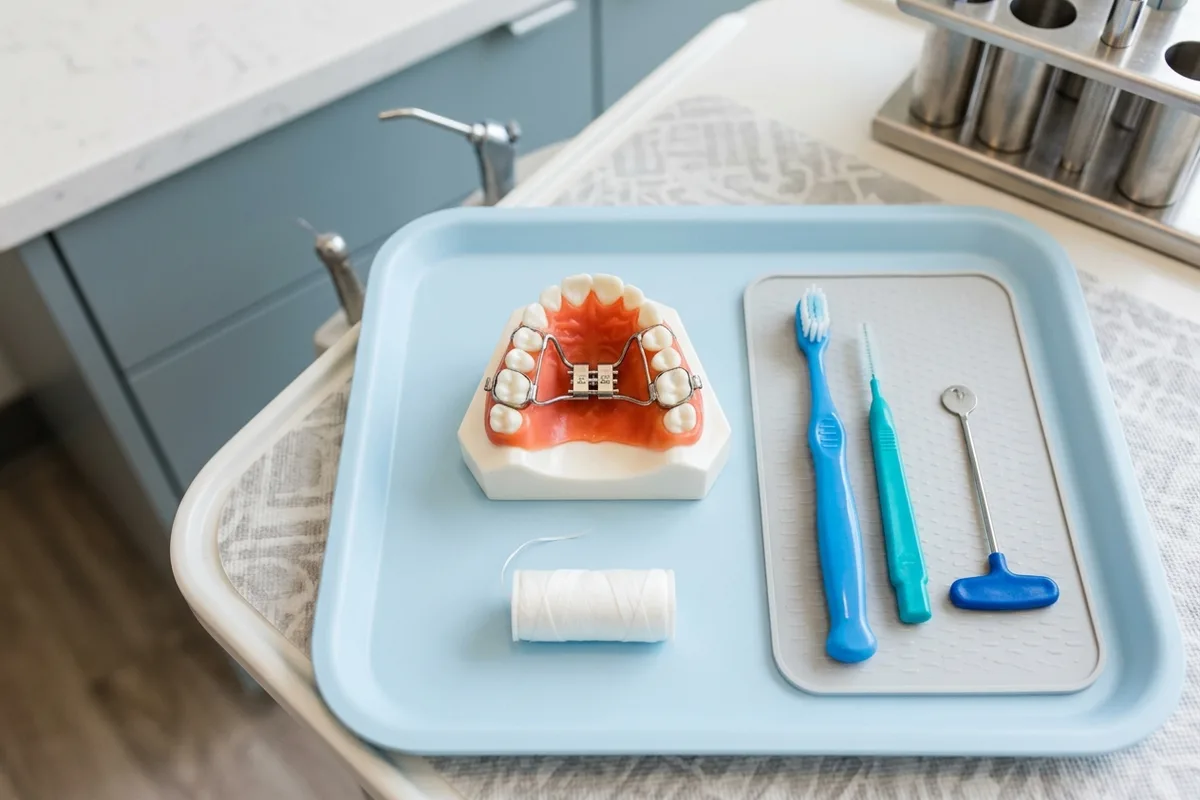
Patient compliance is critical for successful outcomes. Individuals with fixed braces must maintain rigorous oral hygiene to prevent decalcification and cavities around the brackets. This involves specialized brushing techniques and using floss threaders. Additionally, patients must avoid hard, crunchy, or sticky foods that can break brackets or bend wires, which can delay treatment progress and require extra repair visits.[1][2]
The Importance of Retainers Post-Treatment
The final phase of the teeth straightening process is just as critical as the active movement phase to ensure lasting results and protect your investment.[1]
Preventing Teeth from Shifting Back
Once braces or aligners are removed, teeth have a natural tendency to shift back toward their original positions, a process known as relapse. To prevent this, patients must wear retainers. Retainers can be removable custom trays, traditional wire-and-acrylic devices, or fixed wires bonded to the back of the teeth. Consistent retainer wear, as prescribed by the orthodontist, is essential for maintaining the newly aligned smile for a lifetime.[1]
Early Intervention and Preventive Orthodontics
Proactive evaluation during childhood can identify developing orthodontic issues before they require extensive or invasive treatments in adolescence or adulthood.[5]
The Age Seven Orthodontic Screening and Phase I Care
The American Association of Orthodontists recommends that all children receive their first orthodontic screening by age seven. At this developmental stage, an orthodontist can spot subtle problems with jaw growth and emerging permanent teeth. If issues are detected, early intervention, known as Phase I treatment, can guide jaw growth, create adequate space for incoming permanent teeth, and significantly reduce the need for tooth extractions or complex surgical treatments later in life.[5]
Adult Orthodontics: It Is Never Too Late
Teeth straightening is not exclusively for children and teenagers; a growing number of adults are seeking care to improve their oral health and confidence.[4]
Why More Adults Are Seeking Treatment
Today, adults make up one in three orthodontic patients. Many adults seek treatment to correct long-standing bite issues, alleviate jaw pain, or improve chewing function that has deteriorated over time. As long as the teeth and underlying bone and gum tissues are healthy, teeth can be moved successfully at any age. Advances in discreet options, like clear aligners and ceramic braces, have made adult orthodontics more appealing and accommodating to professional lifestyles.[4]
Sources
- aaoinfo.org — American Association of Orthodontists
- aaoinfo.org — American Association of Orthodontists
- medlineplus.gov — medlineplus.gov
- aaoinfo.org — American Association of Orthodontists
- aaoinfo.org — American Association of Orthodontists
Common questions
Frequently asked questions
Talk with a dentist about your next step
If you are ready to improve your oral health and achieve a properly aligned smile, schedule a consultation with One Ounce Dental today to explore your personalized orthodontic treatment options.
More Articles
View all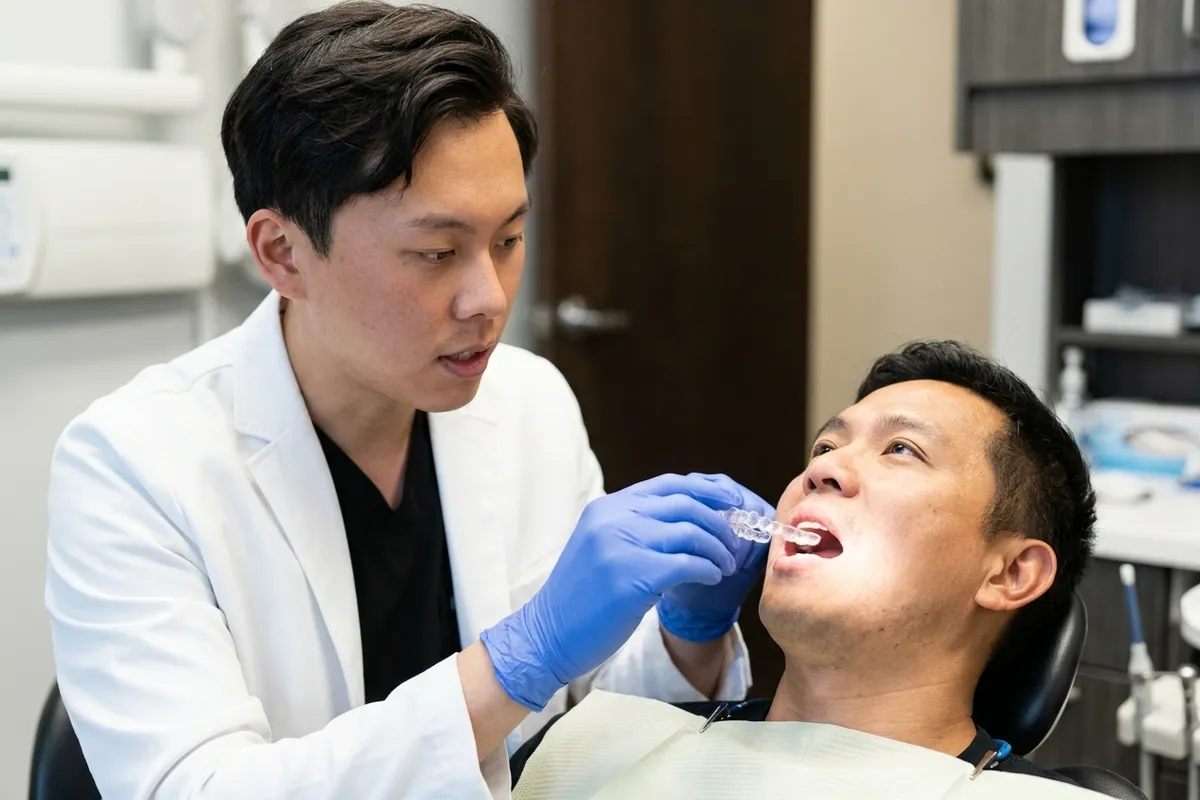 Dental care
How to Straighten Teeth Without Braces (Step-by-Step)
Wondering how to straighten teeth without braces? Custom clear trays can gently shift your smile into place when you follow key daily steps, wear them enough hours, and keep your teeth clean.October 16, 2026 · 6 min read Preventive & General
Enamel Erosion Symptoms: A Patient Guide to Dental Cleaning and Exams
Enamel erosion involves the chemical loss of tooth structure from acids. Understanding the early signs and risk factors can help you discuss prevention strategies during your regular dental cleaning and exams.October 15, 2026 · 6 min read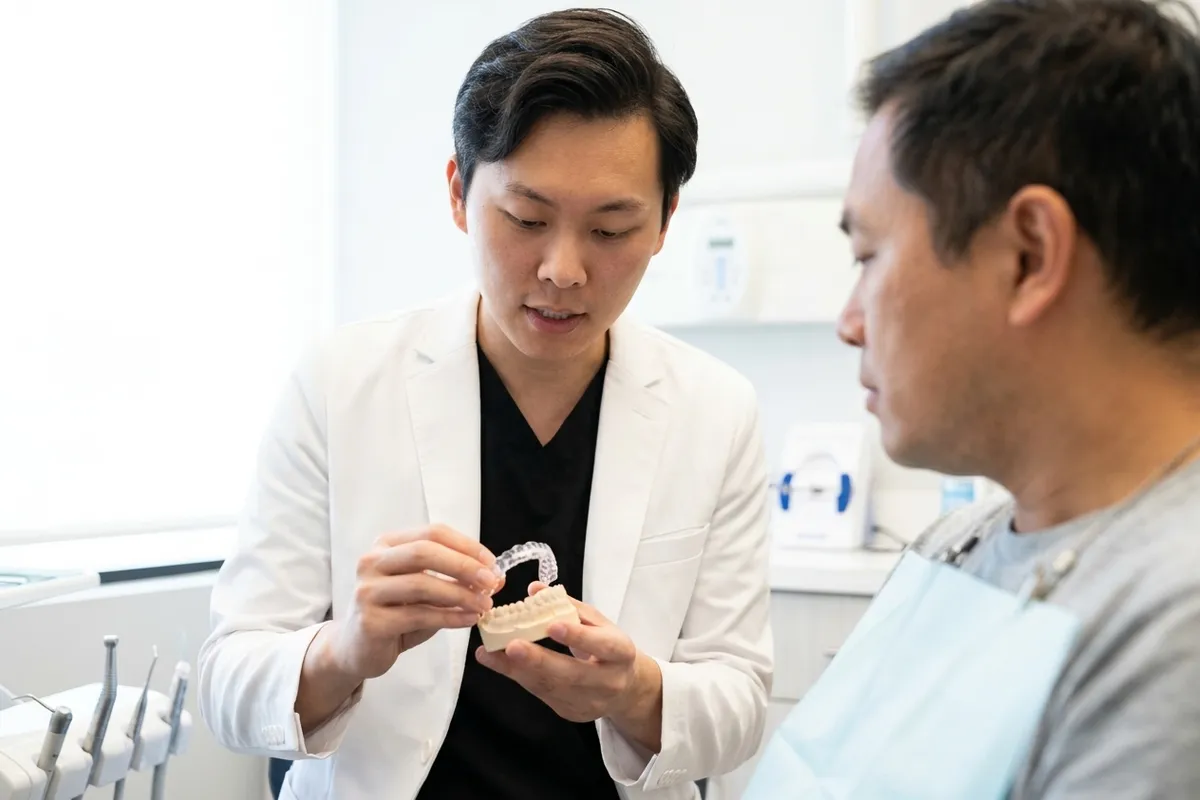 Preventive & General