

Tooth Replacement Dentures Vs Bridges: A Patient Guide to Full and Partial Dentures

Choosing between tooth replacement dentures vs bridges depends on your oral health, the number of missing teeth, and your lifestyle. Understanding the differences helps you and your dentist select the best restorative option.
Understanding Tooth Replacement Options
Replacing missing teeth restores your ability to chew and speak clearly while preventing remaining natural teeth from shifting out of place. Dentures and bridges are two common approaches to rebuilding a functional smile after tooth loss.[1][2][5]
Fixed Dental Bridges
A dental bridge is a fixed restoration that fills the gap left by one or more missing teeth. It relies entirely on the healthy teeth on either side of the gap, known as abutments, to support the artificial tooth, which is clinically referred to as a pontic.[2][3]
Removable Dentures
Dentures are removable appliances designed to replace missing teeth and surrounding tissues. They are typically used when a patient is missing several teeth in a row or an entire dental arch, offering a versatile solution when adjacent teeth cannot support a fixed dental bridge.[1][4]
Factors Influencing Your Choice
Selecting the right restoration involves evaluating the underlying causes of tooth loss, such as severe decay, gum disease, or facial trauma. A dentist considers several clinical factors to determine whether a fixed bridge or a removable denture is more appropriate.[1][2][5]
Health of Surrounding Teeth
Because a bridge must be cemented to neighboring teeth, those abutment teeth must be structurally sound and free of severe decay or advanced periodontal disease. If the adjacent teeth are compromised or missing, a partial or full denture becomes the necessary restorative alternative.[2][3]
Bone Density and Gum Health
The health of your jawbone and gum tissue plays a critical role in supporting any dental appliance. Full dentures rest directly on the gums, requiring adequate tissue volume for stability, while partial dentures often use clasps attached to your remaining natural teeth.[1][4]
Recognizing the Need for Replacement
Unreplaced missing teeth can cause immediate and long-term oral health issues. Addressing these gaps promptly helps maintain facial aesthetics and prevents the remaining natural teeth from drifting into the empty spaces, which can alter your bite.[5]
Chewing and Speech Difficulties
Patients often notice difficulty chewing certain foods or experience changes in their speech patterns after losing teeth. These functional challenges, along with the visible gaps in a smile, are primary indicators that it is time to discuss replacement options with a dental professional.[5]
Dental Assessment and Planning
A dentist conducts a thorough examination to evaluate your overall oral hygiene, jawbone density, and the condition of your remaining teeth. This assessment guides the treatment plan and helps determine which restorative appliance will provide the best long-term function.[1][2][5]
Clinical Evaluation Process
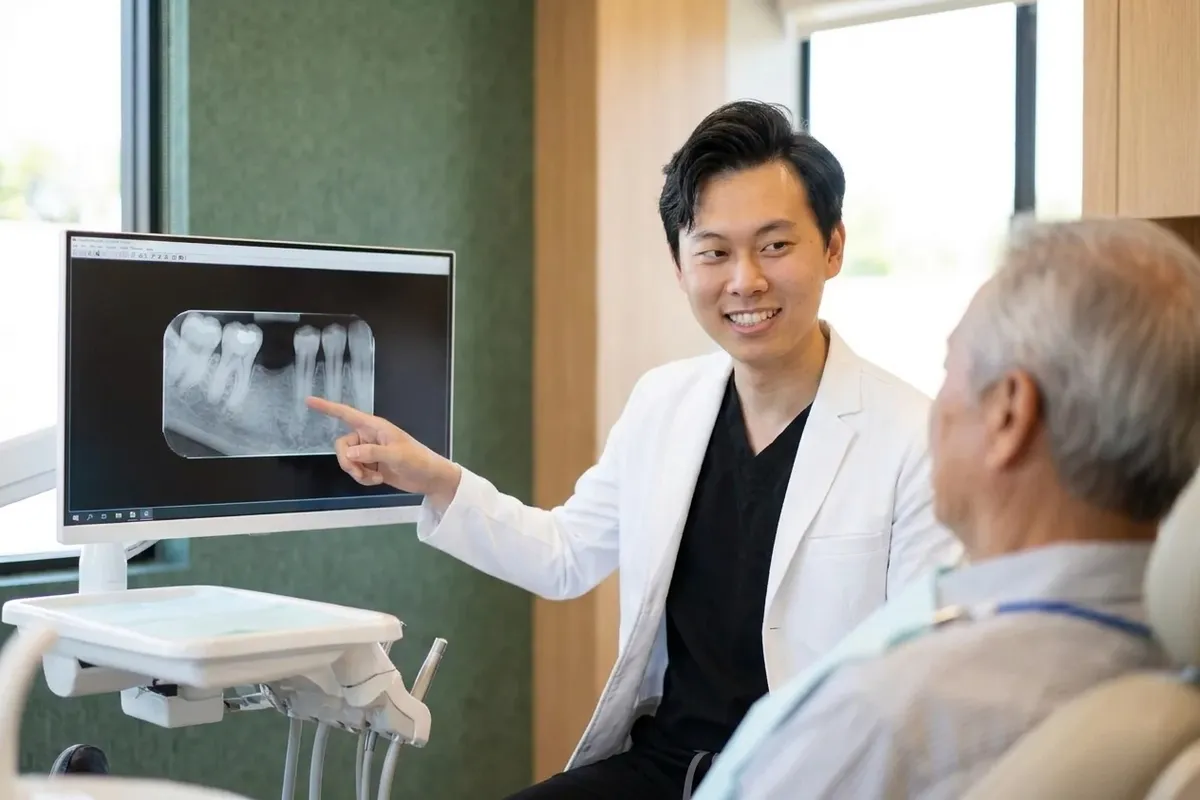
During the consultation, the dentist reviews the location and number of missing teeth. If a full dental arch is missing, full dentures are indicated. If only a few teeth are missing but the neighboring teeth cannot support a bridge, a partial denture is recommended.[1][2][4]
Comparing Bridges and Dentures
Both bridges and dentures aim to restore masticatory function, which is the ability to chew, as well as facial aesthetics. However, they differ significantly in how they are secured in the mouth and how they feel during daily use.[1][2]
Stability of Fixed Bridges
Bridges are cemented permanently into place, meaning they function very similarly to natural teeth and do not move when you speak or eat. This stability is highly desirable, but it requires the permanent reshaping of the adjacent healthy teeth to accommodate the supporting crowns.[2][3]
Versatility of Dentures
Dentures offer a non-fixed alternative that can replace any number of missing teeth without permanently altering neighboring teeth. While partial dentures use metal or acrylic clasps for retention, full dentures rest on the gums, which may require an adjustment period for the wearer.[1][4]
The Treatment Experience
The process for receiving either a bridge or a denture involves multiple dental visits for impressions, fittings, and final adjustments. Understanding what to expect during the transition can help patients adapt more comfortably to their new dental appliance.[1][2]
The Bridge Placement Process
To place a bridge, the dentist first reduces the size of the abutment teeth so crowns can fit over them. After taking impressions, a custom bridge is fabricated in a laboratory. Once ready, the final restoration is permanently cemented onto the prepared teeth.[2][3]
The Denture Adjustment Period
Patients receiving dentures should expect a learning curve as the mouth adapts to the removable appliance. It is common to experience increased salivary flow, minor tissue irritation, and temporary difficulty with speaking and eating while the oral muscles adjust to holding the denture in place.[1][4]
Maintaining Your Dental Appliance
Proper maintenance is essential to extend the lifespan of your restoration and protect your remaining natural teeth. Meticulous oral hygiene helps prevent further tooth loss and gum disease, though the cleaning methods differ between fixed and removable appliances.[1][2]
Bridge Cleaning Techniques
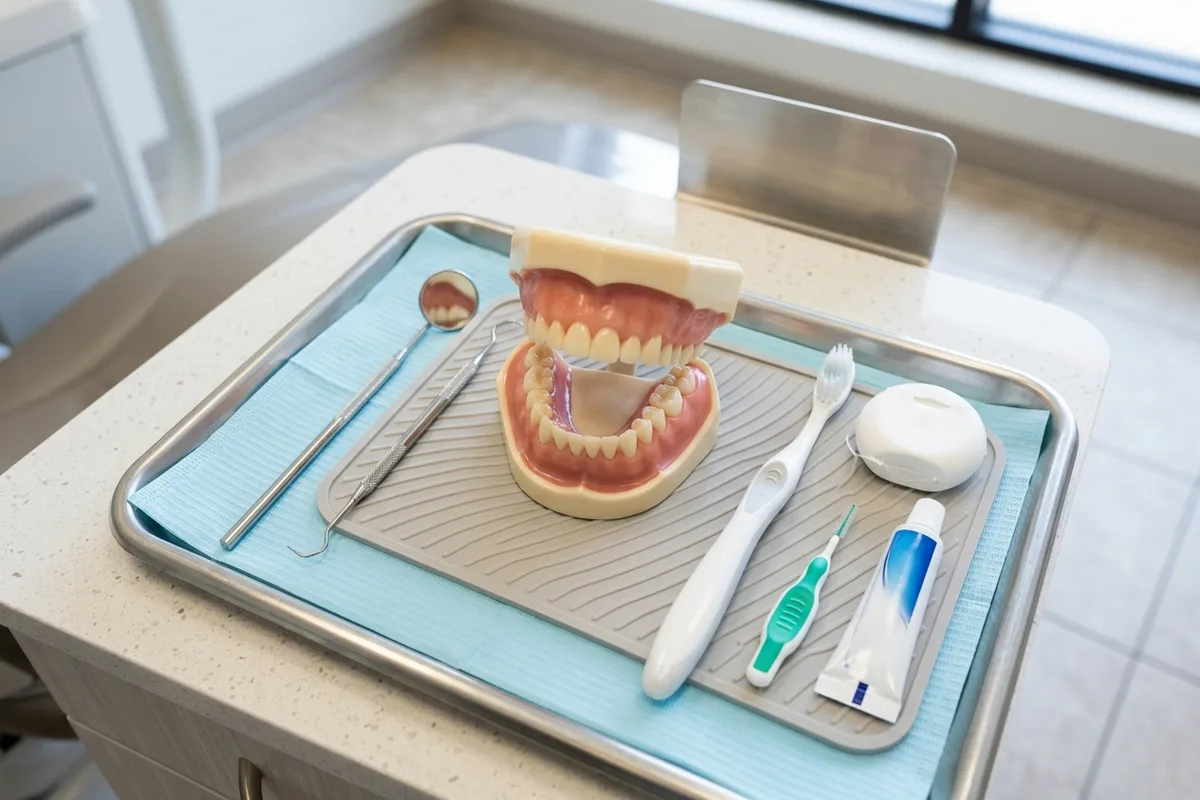
Because a bridge is fixed permanently in place, it requires specialized cleaning techniques to remove plaque from underneath the artificial tooth. Patients must use specific dental tools, such as floss threaders or interdental brushes, to maintain the health of the supporting abutment teeth and prevent decay.[2][3]
Daily Denture Maintenance
Removable dentures must be taken out of the mouth daily to give the underlying gum tissues a chance to rest and to allow for thorough cleaning. Proper overnight storage is also critical, as it prevents the acrylic materials from drying out and warping out of shape.[1][4]
- Remove dentures every night before sleeping.
- Brush gently with a soft-bristled brush and non-abrasive cleanser.
- Soak overnight in water or a denture-cleaning solution.
Managing Complications and Next Steps
While both bridges and dentures are highly effective, they require ongoing professional monitoring to ensure they fit correctly and function well. Changes in the jawbone over time or damage to the appliance may necessitate adjustments, repairs, or eventual replacement.[1][2]
When to Seek Professional Help
Patients should schedule a dental visit if they experience pain, difficulty chewing, or notice that a bridge feels loose or damaged. For denture wearers, persistent sore spots on the gums, slipping, or clicking sounds during speech indicate that the appliance needs a professional adjustment.[1][2][4]
Sources
- Dentures — American Dental Association
- Bridges — American Dental Association
- Dental crowns and bridges — medlineplus.gov
- Dentures — medlineplus.gov
- Missing Teeth — American Dental Association
Common questions
Frequently asked questions
Talk with One Ounce Dental about your next step
If you are considering tooth replacement options, book an appointment at One Ounce Dental. Our team can evaluate your oral health and help you understand whether a bridge or dentures will best restore your smile.
More Articles
View all Dental care
How to Straighten Teeth Without Braces (Step-by-Step)
Wondering how to straighten teeth without braces? Custom clear trays can gently shift your smile into place when you follow key daily steps, wear them enough hours, and keep your teeth clean.October 16, 2026 · 6 min read Preventive & General
Enamel Erosion Symptoms: A Patient Guide to Dental Cleaning and Exams
Enamel erosion involves the chemical loss of tooth structure from acids. Understanding the early signs and risk factors can help you discuss prevention strategies during your regular dental cleaning and exams.October 15, 2026 · 6 min read Preventive & General