

The Complete Guide to Dental Crowns
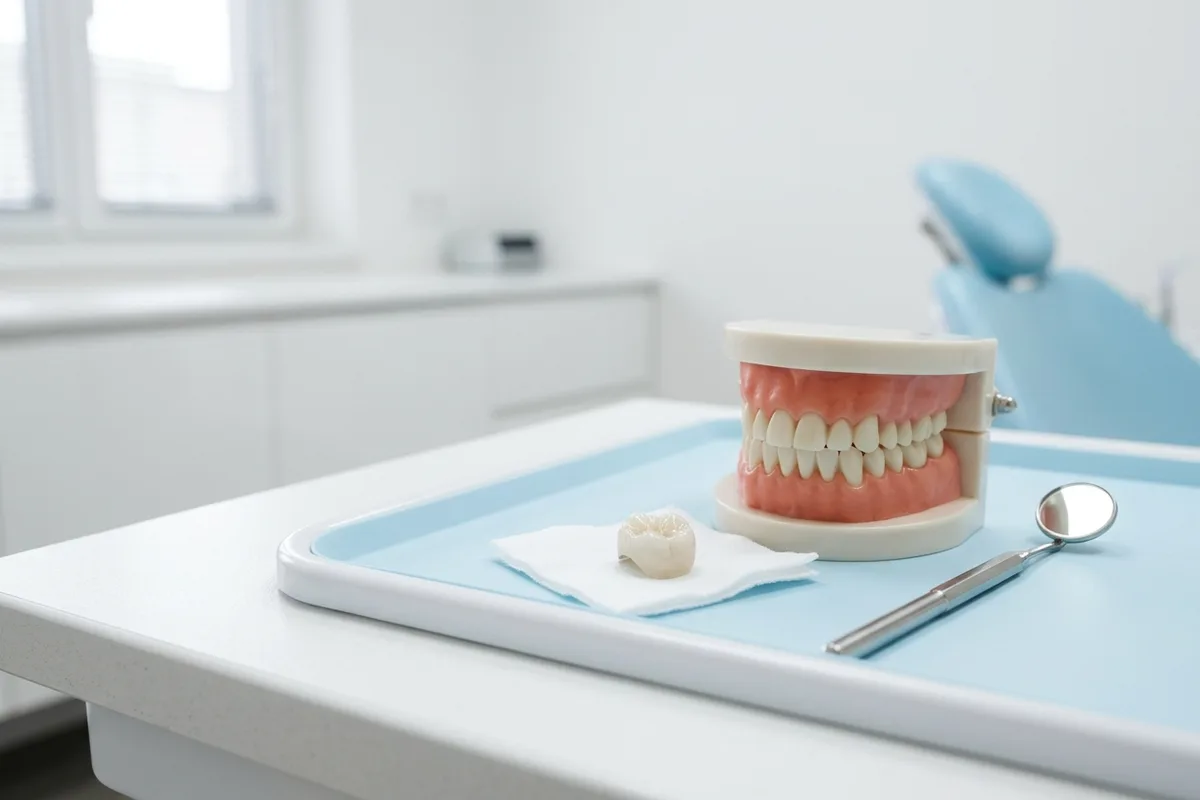
A dental crown can rebuild the strength and shape of a damaged tooth. Learn how the process works, the materials available, daily care tips, and what shapes your overall treatment.
Dental Crowns at a Glance
A dental crown is a custom tooth-shaped cap placed above the gumline to protect a weakened tooth or improve how it looks. Here are the core facts to know before starting care:[1][2][3]
- Treatment typically takes two office visits, though some dental practices can digitally scan the tooth and make the crown in their office.
- Most crowns last at least five years, and they can endure between 15 and 20 years when cared for properly.
- Materials range from metal alloys and porcelain-fused-to-metal to all-ceramic, porcelain, and resin.
- Natural tooth structure beneath the cap can still develop cavities, so daily oral hygiene remains necessary.
What Is a Dental Crown?
A dental crown is a durable restoration fitted over an existing natural tooth down to the gumline. While a standard dental filling only repairs a small section of enamel, a crown encloses the entire visible tooth to rebuild its size, shape, and chewing strength.
Dentists often recommend crowns when a tooth has broken or when a large filling leaves too little natural enamel to hold up under chewing pressure. A crown can also attach to a dental implant to replace an entire missing tooth, or serve as an anchor for a dental bridge.[1][2][3]
Who It Suits
Patients Who Benefit from a Crown
A crown suits people with teeth that are cracked, broken, severely worn down from grinding, or heavily decayed. It is also an effective way to protect a tooth with an oversized filling, conceal severe discoloration, correct irregular shapes, or complete a dental bridge.[1][2][3]
When a Crown May Not Suffice Alone
A crown might not stay in place if the underlying tooth core is too severely damaged or weak to anchor it. In addition, if the nerve of the tooth is affected, your dentist may need to perform root canal therapy or recommend tooth removal instead.[1][3]
How a Dental Crown Works (Step by Step)
The standard process to place a dental crown typically requires two dental visits to prepare the tooth and bond the final cap.[1][3]
Step 1: Numbing and Tooth Preparation
Your dentist numbs the surrounding gum tissues for comfort. Then, your dentist removes existing decay or failing fillings and carefully shapes the tooth so the permanent restoration can fit smoothly over it.[1][3]
Step 2: Impression and Temporary Placement
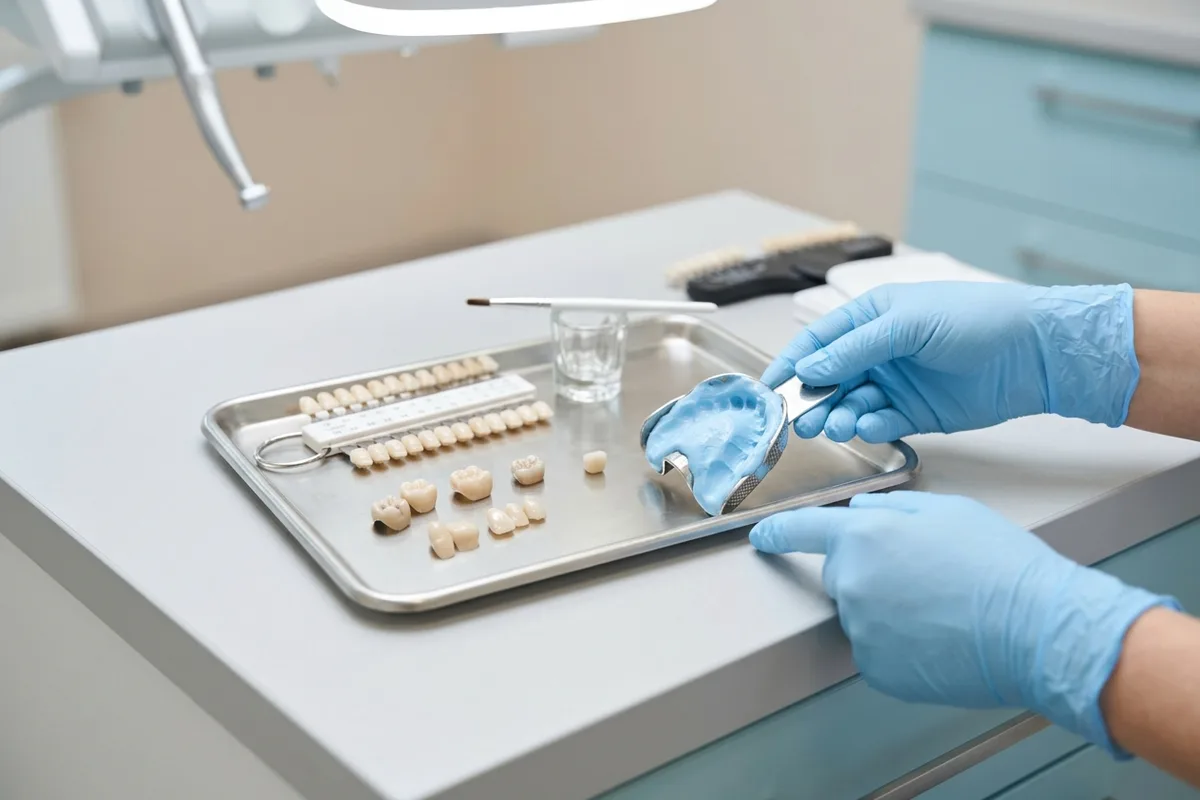
Your dentist takes an impression or digital scan of the shaped tooth to guide the fabrication of your permanent cap. A temporary crown is placed over the prepared tooth to shield it while the final piece is made.[1][3]
Step 3: Checking the Fit and Cementing
At your second appointment, your dentist removes the temporary cap and fits your permanent crown. Your dentist may take an x-ray to make sure the permanent crown fits well before cementing it into place.[1][3]
Types and Options
Your dentist can help you select a crown material based on tooth location, cosmetic goals, and chewing demands. This overview compares common restorative choices:[1][3]
| Material | Key Characteristics | Common Applications | Typical Lifespan |
|---|---|---|---|
| Metal Alloys[1][3] | Extremely durable and long-lasting | Back molars with heavy chewing force | 5 to 20 years |
| Porcelain-Fused-to-Metal[1][3] | Strong metal base with a natural tooth-colored exterior | Front and back teeth requiring strength and aesthetics | 5 to 20 years |
| Ceramic or Porcelain[1][3] | Realistic appearance that blends with natural enamel | Front teeth and visible smile zones | 5 to 20 years |
| Composite Resin[1][3] | Budget-friendly option, though generally less durable | Temporary or lower-wear situations | At least 5 years |
| Stainless Steel[1][3] | Prefabricated shells | Temporary protection, often for young children | Short-term pediatric use |
Recovery and Care
What to Expect Right After Placement
It is normal to experience mild sensitivity to cold or hot drinks if the tooth nerve is still alive. This sensitivity generally subsides over time.[3]
Daily Cleaning and Protection
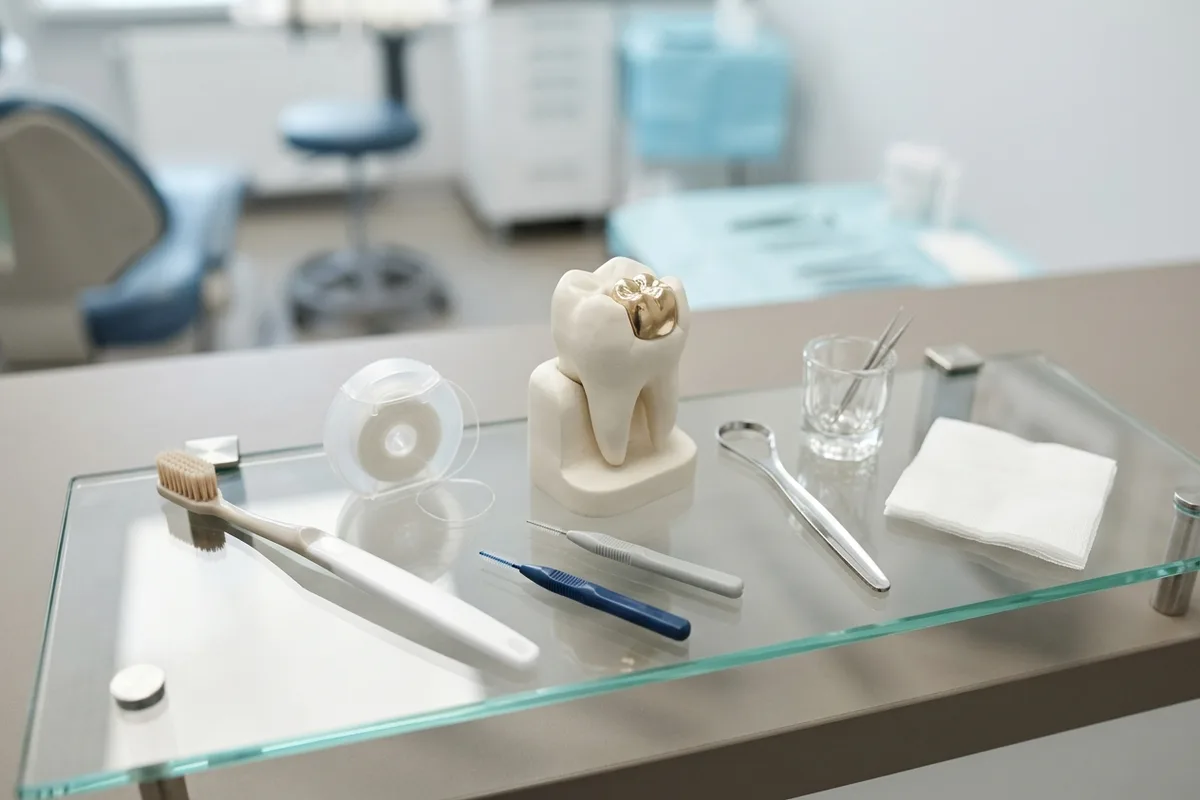
A crown cannot develop decay, but the underlying tooth can still form cavities along the gumline. Brush twice daily with fluoride toothpaste, clean between teeth daily with floss, and keep up with regular checkups.
If you grind or clench your teeth during sleep, wearing a night guard or bite splint can protect your restoration from chipping or cracking.[1][3][4]
Common Mistakes to Avoid
Taking simple precautions while wearing a temporary crown protects your tooth and keeps treatment on schedule. Avoid these frequent mistakes before your final visit:[1][3]
- Chewing sticky foods that can dislodge the temporary crown.
- Chewing directly on the treated side before the permanent restoration is cemented.
- Pulling dental floss straight upward next to the temporary cap instead of sliding it out sideways.
- Skipping daily brushing or flossing, which allows plaque to gather near the exposed tooth margin.
Risks
Dental crowns are common and reliable restorations, but potential complications can arise. A crown may loosen or come off if the supporting tooth core lacks adequate structure. Teeth can also experience persistent nerve inflammation after treatment, which may require a root canal or extraction.
In addition, nighttime grinding can crack or chip restorative porcelain or resin. Contact your dentist if a temporary crown falls off, your bite feels uneven, swelling increases, or pain continues despite over-the-counter pain relievers.[1][3]
What Affects the Cost
The overall cost of crown treatment depends on several practical factors. The specific material you choose—such as all-ceramic, porcelain fused to metal, or gold alloy—plays a central role. The amount of preliminary dental work needed, such as removing deep decay, placing a core buildup, or treating a root canal, also changes the final expense.
Your dental insurance coverage, the location of the tooth, and whether the crown is part of a larger dental bridge plan will influence your out-of-pocket balance as well. Your dentist can provide a clear fee estimate before your procedure begins.
If you are planning restorative treatment in Chino, CA, you can schedule a visit at One Ounce Dental. At your visit, you can ask Dr. Yiyang Zou about material options, crowns and bridges, and what best supports your oral health.[1][3]
Sources
- Dental crowns — medlineplus.gov
- Crowns — American Dental Association
- Dental crowns — medlineplus.awsqa.nlm.nih.gov
- Dental Health — medlineplus.gov
Common questions
Frequently asked questions
Questions about your own smile?
Ready to restore your smile? Contact One Ounce Dental in Chino, CA, to schedule your appointment and talk through your restorative options with your dentist.
More Articles
View all Dental care
Why Do I Have a Metallic Taste in My Mouth? 7 Common Causes
A lingering metallic flavor can come from swollen gums, everyday drugs, sinus colds, or dry mouth. Learn what causes this strange taste and how to find relief.November 17, 2026 · 6 min read Dental care
Why Is My Tongue White? 7 Common Causes
A white tongue can stem from harmless debris, surface irritation, fungal thrush, or precancerous patches. Discover what causes these color changes, how to spot warning signs, and when to seek dental care.November 16, 2026 · 6 min read Dental care