

Denture Repair: Restoring Fit, Comfort, and Damaged Appliances
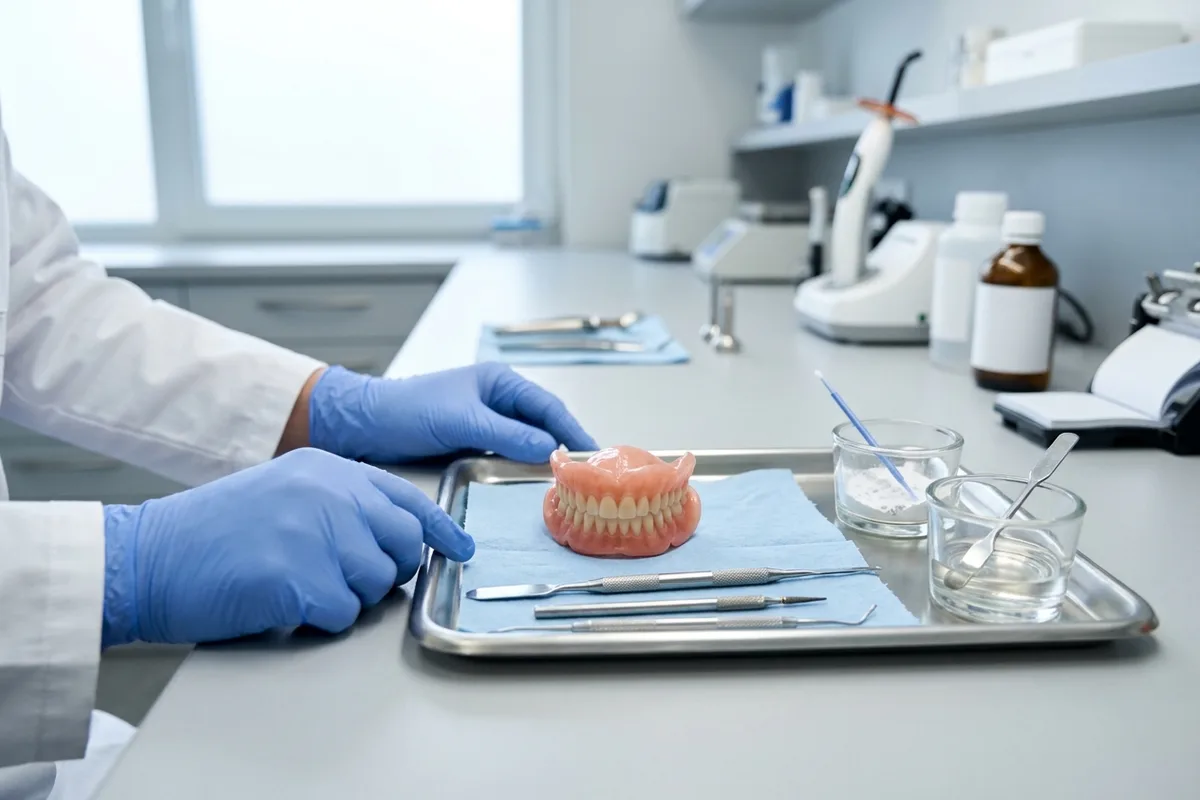
If your denture breaks, cracks, or feels loose, professional denture repair restores your bite and protects your gums without the serious risks that come with home fix kits.
What Is Denture Repair? (Quick Definition)
Denture repair involves professional dental care to correct structural damage or poor fit in your appliance. Whether you wear complete dentures that replace an entire arch of teeth or partial dentures that replace several missing teeth, keeping the appliance intact is vital for chewing, speaking, and protecting oral tissues. When an appliance chips, cracks, or loses a tooth, prompt professional attention restores its stability safely.[1][3]
Full and Partial Appliances
Dentures can replace all upper or lower teeth as complete dentures, or restore one or several missing teeth as partial dentures. Both varieties rely on careful alignment with your gums, making professional repair essential whenever parts loosen or break.[1][3]
Why Home Fixes Fail
Trying to repair or adjust dentures on your own can cause severe damage to the appliance and injure your oral health. Commercial glues contain dangerous chemicals that never belong on dental appliances, and over-the-counter repair kits can permanently ruin a denture beyond repair.[1]
Why Dentures Suffer Damage and Change Fit
Dentures experience continuous chewing stress and changing oral contours over their lifespan. Understanding why an appliance breaks or loosens helps you recognize when to contact your dentist for an evaluation.[2]
Natural Mouth Changes Over Time
Over time, your jawbone and gum ridges naturally shrink and recede. As the shape of your mouth changes, dentures lose their snug grip, which can result in friction, uncomfortable mouth sores, or oral infections if left unadjusted by your dentist.[1][3]
Everyday Handling and Biting Stress
Accidental drops during daily cleaning can crack the denture or loosen teeth. In partial dentures, biting down forcefully to snap the appliance into place places excessive pressure on metal clasps, which can bend or break them.[1]
Signs Your Denture Needs Immediate Professional Attention
Contact your dentist immediately if your denture breaks, cracks, chips, or has an artificial tooth become loose. In addition, prompt evaluation is needed if the appliance no longer fits correctly or creates localized sore spots. When a partial denture exerts excessive pressure on specific gum areas, the underlying tissue becomes sore and irritated, requiring your dentist to adjust the fit. Ignoring chronic looseness increases the risk of mouth sores and infections.[1][2]
How Your Dentist Evaluates Denture Damage
When you visit for denture repair, your dentist examines the physical appliance alongside your oral tissues. Your dentist evaluates whether the base has cracked, checks if clasps have bent, and inspects your gums for signs of irritation or pressure sores. After receiving dentures, follow-up visits are typically scheduled to evaluate fit and perform small adjustments if soreness continues. If teeth were extracted on the day you received immediate dentures, your dentist will also evaluate how your gum ridges and jawbone have healed over subsequent months.[1][2]
Professional Repair and Replacement Options
Depending on the severity of the damage and how your mouth has changed, your dentist can recommend several proven approaches to restore your smile.
Same-Day Fixes Versus Laboratory Work
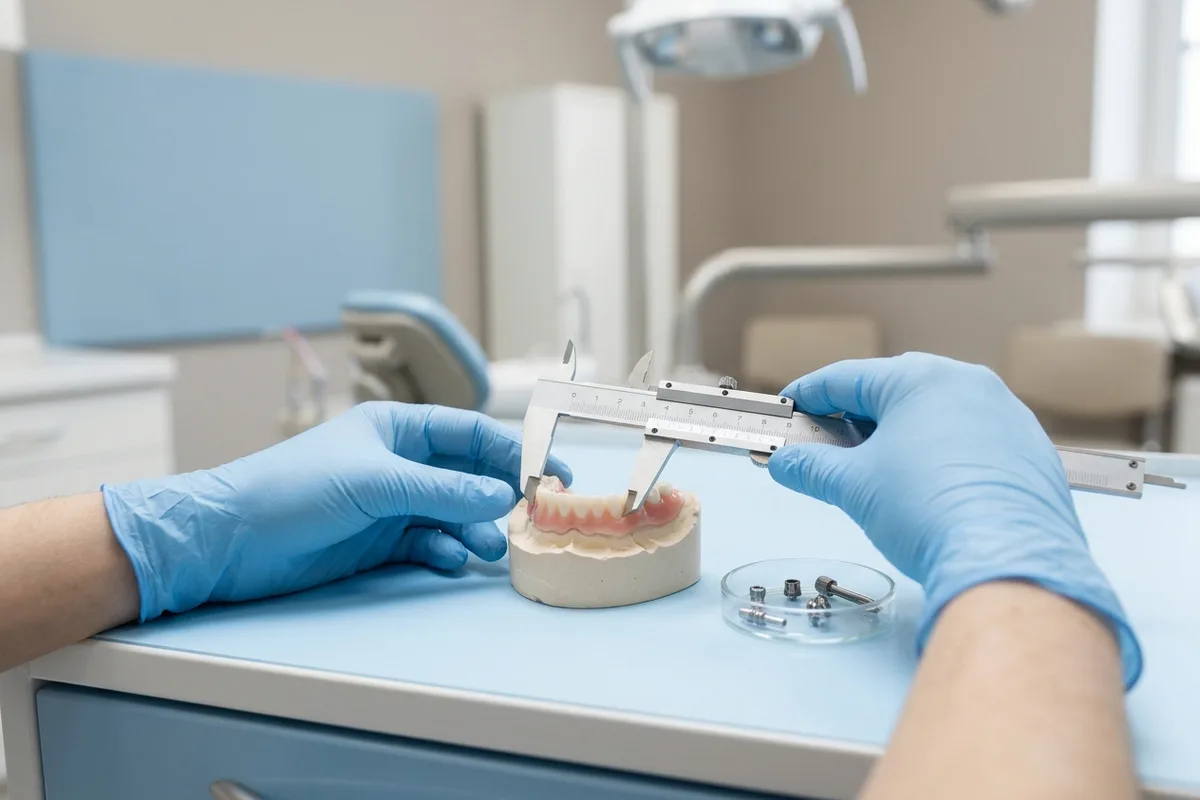
Dentists can frequently complete necessary denture repairs and minor adjustments on the same day in the dental clinic. However, if your appliance has suffered complicated fractures or needs major structural reconstruction, your dentist may need to send the appliance to a specialized dental laboratory.[1]
Relining, Overdentures, and Implants
When natural healing or ridge shrinkage alters your fit, immediate dentures may be relined or remade entirely once gums heal. In some cases, a dentist may recommend an overdenture that fits over natural teeth or implants to stabilize the appliance and preserve bone, or permanent dental implants that replace tooth roots and teeth instead of removable dentures.[2][3]
What Happens During Denture Repair and Adjustment
Allowing your dentist to handle repairs ensures your appliance is aligned accurately without disturbing your bite or irritating your oral tissues.[1][3]
Relieving Pressure and Realigning Fit
Always allow your dentist to perform denture adjustments instead of attempting to adjust them yourself. Your dentist can carefully relieve pressure points that rub against your gums and restore a comfortable, balanced fit.[1][3]
Temporary Stability and Adhesives
If a denture moves around too much while you await repair or adjustment, denture adhesive can help keep it in place. Adhesives come in creams, powders, pads, wafers, strips, or liquids, and they must always be applied strictly according to the manufacturer instructions.[2][3]
Everyday Care to Prevent Denture Damage
Proper daily maintenance protects your repaired dentures from chipping, warping, and bacterial buildup, keeping them comfortable over the long term.
Gentle Brushing and Safe Cleansers
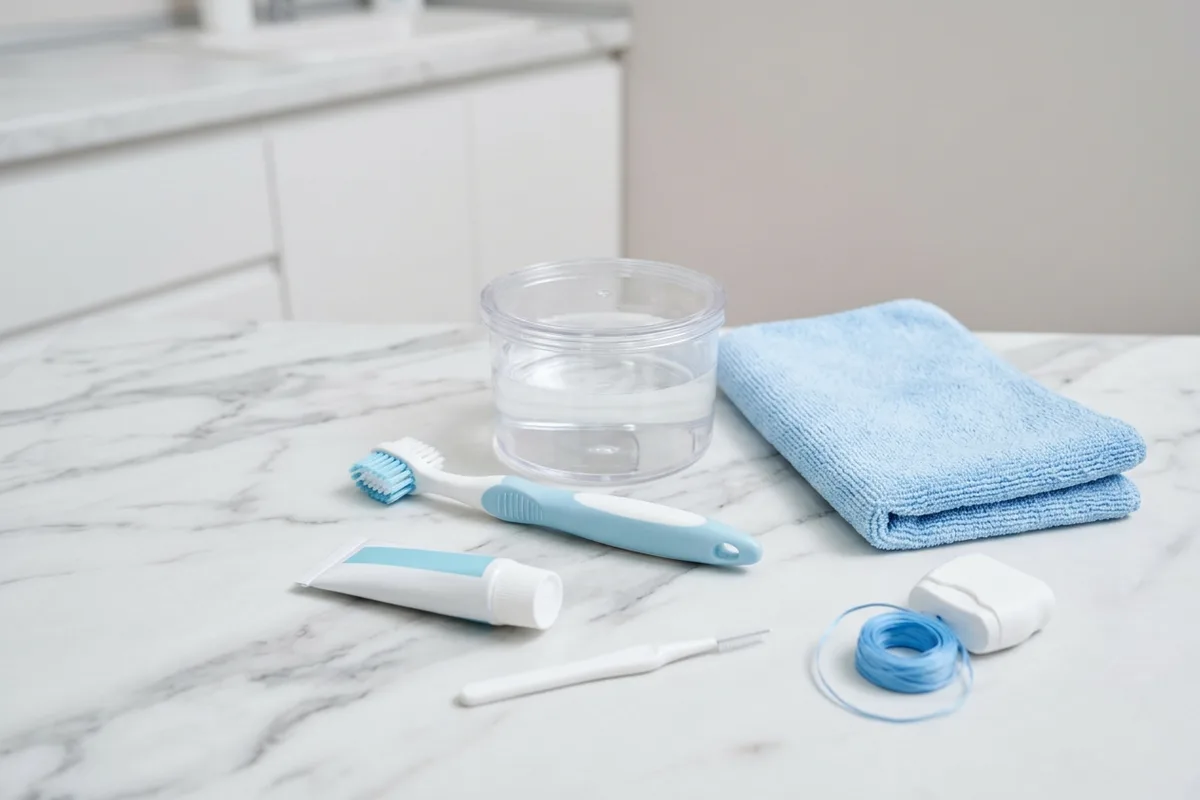
Brush dentures daily with a soft-bristled brush and non-abrasive cleanser to clear food debris and plaque without scratching delicate surfaces. Regular toothpaste and common household cleaners are too abrasive for dentures, but mild dishwashing liquid or hand soap can be safely used.[1][2][3]
Overnight Soaking and Oral Health
Always submerge dentures in water or a soaking solution overnight so the material does not dry out and lose its proper shape. In addition, brush your gums, tongue, and the roof of your mouth each morning before inserting dentures to stimulate tissue circulation and remove plaque.[1][2][3]
Protecting Your Appliance and Oral Health
Continuing to wear ill-fitting dentures can cause persistent tissue sores and infections. Never bite down to force an appliance into place, and avoid over-the-counter glues that harm your oral health. If you are searching for denture repair near me in Chino, CA, One Ounce Dental can help you arrange an appointment. At your visit, you can talk with Dr. Yiyang Zou about options for repairing your appliance or adjusting its fit.[1]
Sources
- Dentures Partial — American Dental Association
- Dentures — American Dental Association
- Dentures — medlineplus.gov
Common questions
Frequently asked questions
Questions about your own smile?
If your dentures feel loose, uncomfortable, or damaged, contact One Ounce Dental in Chino, CA, at 909.283.3130 to request an appointment. Our clinic is open Monday through Saturday to assist you.
More Articles
View all Dental care
Why Do I Have a Metallic Taste in My Mouth? 7 Common Causes
A lingering metallic flavor can come from swollen gums, everyday drugs, sinus colds, or dry mouth. Learn what causes this strange taste and how to find relief.November 17, 2026 · 6 min read Dental care
Why Is My Tongue White? 7 Common Causes
A white tongue can stem from harmless debris, surface irritation, fungal thrush, or precancerous patches. Discover what causes these color changes, how to spot warning signs, and when to seek dental care.November 16, 2026 · 6 min read Dental care