

Rotten Teeth Signs Causes Treatment: A Patient Guide to General Dentistry

When you search for rotten teeth signs causes treatment, you are looking for ways to address severe tooth decay. Understanding how cavities progress can help you find the right general dentistry solutions to restore your smile.
Understanding Severe Tooth Decay
The term "rotten teeth" is a common way people describe severe dental caries, or advanced tooth decay. General dentistry focuses on identifying this progressive condition, stopping the bacterial infection, and repairing the damaged tooth structure to restore proper oral function.[1][2]
The progression of cavities
Tooth decay begins when a sticky film of bacteria called plaque forms on the teeth. These bacteria feed on sugars and starches from your diet, producing harmful acids. Over time, these acids dissolve the hard outer layer of the tooth, known as enamel, creating cavities that worsen without intervention.[1][2]
The role of general dentistry
General dentists are equipped to manage all stages of tooth decay. By addressing the infection early, they can prevent the decay from reaching the inner pulp of the tooth. When decay is already advanced, general dentistry provides comprehensive restorative procedures to save the tooth or safely remove it.[1][2]
Causes and Risk Factors
Understanding why teeth decay helps individuals make informed decisions about their oral health. Several specific causes and lifestyle factors contribute to the rapid breakdown of tooth enamel, increasing the likelihood of developing severe cavities over time.[1][2]
Bacterial plaque and dietary habits
The primary driver of tooth decay is the interaction between plaque bacteria and the foods you consume. Frequent snacking on sugary or acidic foods and beverages provides a constant fuel source for bacteria. This leads to continuous acid attacks that weaken the enamel and eventually cause structural damage.[1][2]
Underlying risks and dry mouth
Certain conditions can accelerate the decay process. Inadequate oral hygiene allows plaque to accumulate and harden. Additionally, a lack of fluoride exposure or experiencing dry mouth, also known as xerostomia, reduces the mouth's natural ability to wash away food particles and neutralize harmful bacterial acids.[1][2]
Recognizing Symptoms and Timing
Early stages of tooth decay often present no noticeable symptoms. However, as the enamel continues to dissolve and the decay progresses deeper into the tooth, distinct warning signs begin to emerge that signal the need for professional care.[1][2]
Identifying a damaged tooth
When a tooth becomes severely decayed, you may experience spontaneous toothaches or heightened sensitivity to hot, cold, or sweet stimuli. Physical signs often include visible holes or pits, persistent bad breath, and noticeable brown, black, or white staining on the surface of the affected tooth.[1][2]
- Spontaneous or persistent toothaches
- Sensitivity to hot, cold, or sweet foods
- Visible holes, pits, or dark staining
- Persistent bad breath
Professional Dental Evaluation
A dentist must carefully assess the affected tooth to determine the most appropriate treatment. This evaluation focuses on understanding how far the decay has penetrated the tooth structure and whether the inner pulp or surrounding tissues are involved.[1][2]
Assessing the extent of decay
During an examination, the dentist looks for visible signs of enamel breakdown, pits, and staining. They may also use specialized instruments to check for soft spots on the tooth surface. This thorough assessment allows the dental team to plan a restorative approach tailored to the severity of the damage.[1][2]
Treatment Options and Alternatives
Depending on the severity of the decay, your dentist will recommend specific restorative treatments. The goal is always to preserve as much of the natural tooth as possible while completely removing the active bacterial infection.[1][2]
Fillings and dental crowns
For moderate decay that has created a cavity but has not reached the inner nerve, dentists typically use dental fillings to restore the tooth. If the structural damage is extensive, a dental crown may be placed over the remaining tooth to provide necessary strength and protection against further fracture.[1][2]
Root canals and extractions
When decay penetrates deep into the inner pulp, endodontic therapy, commonly called a root canal, is often necessary to remove the infected tissue and save the tooth. In cases where the tooth is too severely damaged to be restored, a professional extraction may be the only viable alternative.[1][2]

The Treatment Process
Addressing severe tooth decay involves a structured clinical approach. From the initial diagnosis to the final restoration, understanding the sequence of events can help patients feel more comfortable and prepared for their upcoming dental procedures.[1][2]
Planning the restoration
Once the dentist evaluates the decayed tooth, they will discuss the proposed treatment plan with the patient. This planning stage includes explaining the chosen procedure, whether it is a filling, crown, or root canal, and outlining the expected timeline and steps required to fully restore oral function.[1][2]
Removing decay and repairing the tooth
The actual procedure begins with the dentist carefully removing the decayed and softened portions of the tooth to eliminate the bacteria. After the area is thoroughly cleaned, the chosen restorative material is applied and shaped, sealing the tooth to prevent future bacterial infiltration and restoring its natural appearance.[1][2]
Long-Term Care and Prevention
After a decayed tooth has been treated, maintaining the restoration and protecting your remaining teeth becomes the primary focus. Consistent daily habits and routine professional care are essential for preventing new cavities from forming.[1][2]
Daily oral hygiene habits
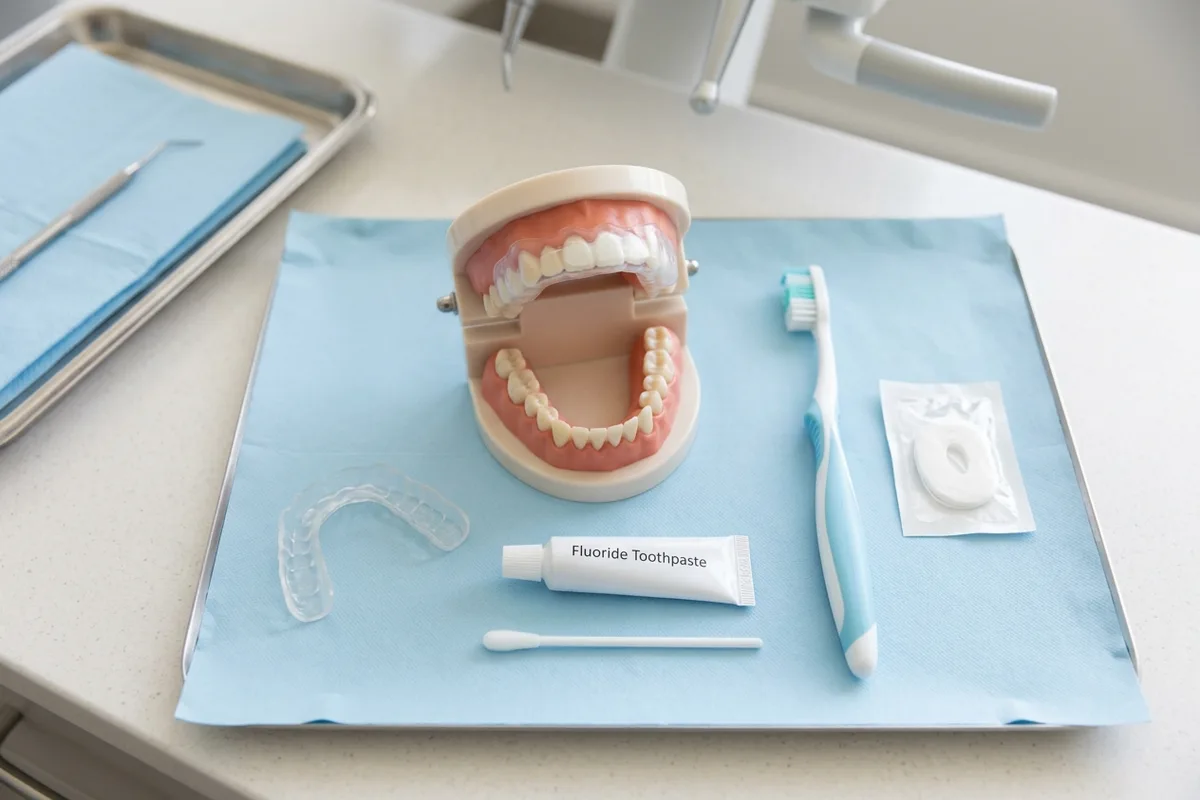
Effective prevention strategies start at home. Dentists recommend brushing your teeth twice daily using a fluoride toothpaste to help strengthen enamel. Additionally, cleaning between the teeth every day with dental floss or interdental cleaners is crucial for removing plaque from areas that a toothbrush cannot easily reach.[1][2]
Dietary choices and dental visits
Limiting the frequency of sugary snacks and acidic beverages reduces the acid attacks on your teeth. Alongside a balanced diet, maintaining regular dental check-ups allows your dentist to monitor your restorations, provide professional cleanings, and apply preventive fluoride treatments to catch early demineralization before it progresses.[1][2]
Risks and Next Steps
Ignoring the signs of severe tooth decay can lead to worsening symptoms and more complex dental problems. Taking timely action is the most effective way to minimize risks and protect your overall oral health.[1][2][3]
Complications of untreated decay
If left untreated, a decaying tooth will continue to deteriorate, potentially leading to severe pain, dental abscesses, and the eventual loss of the tooth. Recognizing the early warning signs and scheduling a professional dental evaluation is the vital next step to halt the infection and explore your treatment options.[1][2][3]
Sources
- Tooth Decay — National Institute of Dental and Craniofacial Research
- Cavities — American Dental Association
- Dental Emergencies — American Dental Association
Common questions
Frequently asked questions
Talk with One Ounce Dental about your next step
If you are experiencing symptoms of tooth decay, prompt care is essential. Book an appointment at One Ounce Dental today to discuss your symptoms, explore your treatment options, and take the next step toward restoring your smile.
More Articles
View all Dental care
How to Straighten Teeth Without Braces (Step-by-Step)
Wondering how to straighten teeth without braces? Custom clear trays can gently shift your smile into place when you follow key daily steps, wear them enough hours, and keep your teeth clean.October 16, 2026 · 6 min read Preventive & General
Enamel Erosion Symptoms: A Patient Guide to Dental Cleaning and Exams
Enamel erosion involves the chemical loss of tooth structure from acids. Understanding the early signs and risk factors can help you discuss prevention strategies during your regular dental cleaning and exams.October 15, 2026 · 6 min read Preventive & General