

How to Eat After a Tooth Extraction (Step-by-Step)
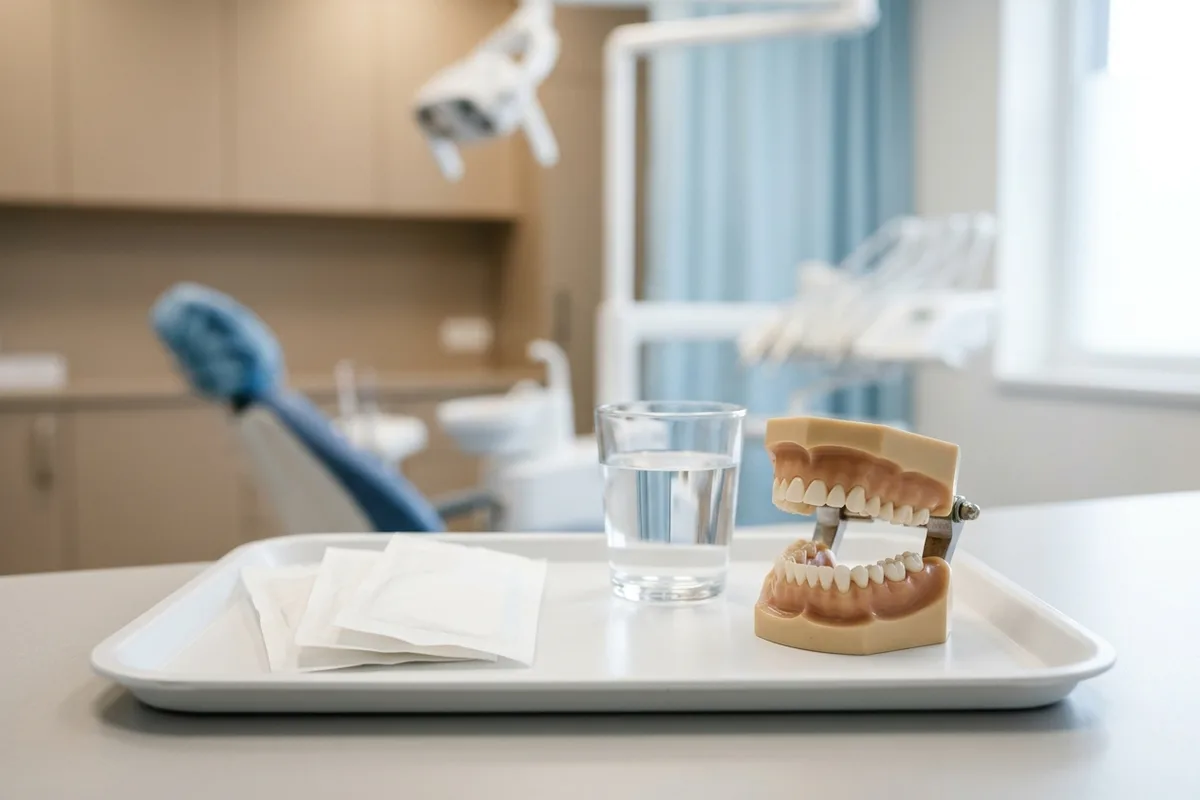
Knowing how to eat after a tooth extraction protects your healing blood clot and keeps you comfortable. Follow this clear guide to plan your meals, nourish your body, and recover smoothly after oral surgery.
What You'll Need Before Your Extraction
Stocking up on appropriate groceries before having oral surgery ensures you have easy meals ready when you return home. Many patients wonder what can I eat after tooth extraction to stay comfortable and well-nourished. Preparing nutrient-dense soft options in advance allows you to rest quietly without the stress of cooking while recovering from anesthesia.
Gather these recovery essentials and kitchen staples before your appointment:[4][5]
- Smooth, soft foods like applesauce, yogurt, pudding, and pureed soups
- Protein-rich staples including eggs, tofu, soft cheeses, and powdered milk to boost calories in soups
- Soft produce such as ripe bananas and mashed avocados
- Plenty of hydrating liquids, including plain drinking water and fruit juice
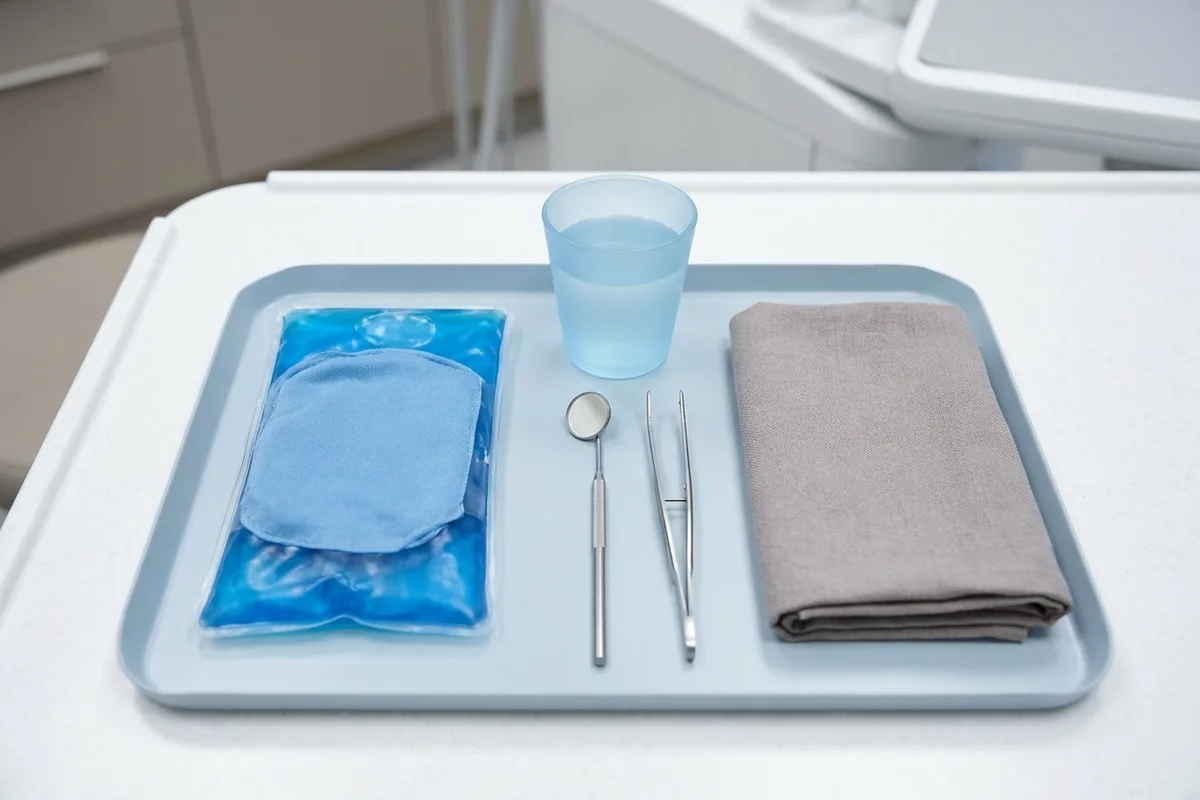
- Clean damp gauze packs and a cloth-wrapped cold pack for your cheek
- An adult escort to drive you home and stay with you following surgery
Step by Step: How to Eat After a Tooth Extraction
Following these dietary steps protects the blood clot inside your socket, prevents painful complications, and provides the nourishment required for prompt oral healing.[1][2][4]
Wait for Numbness to Fade
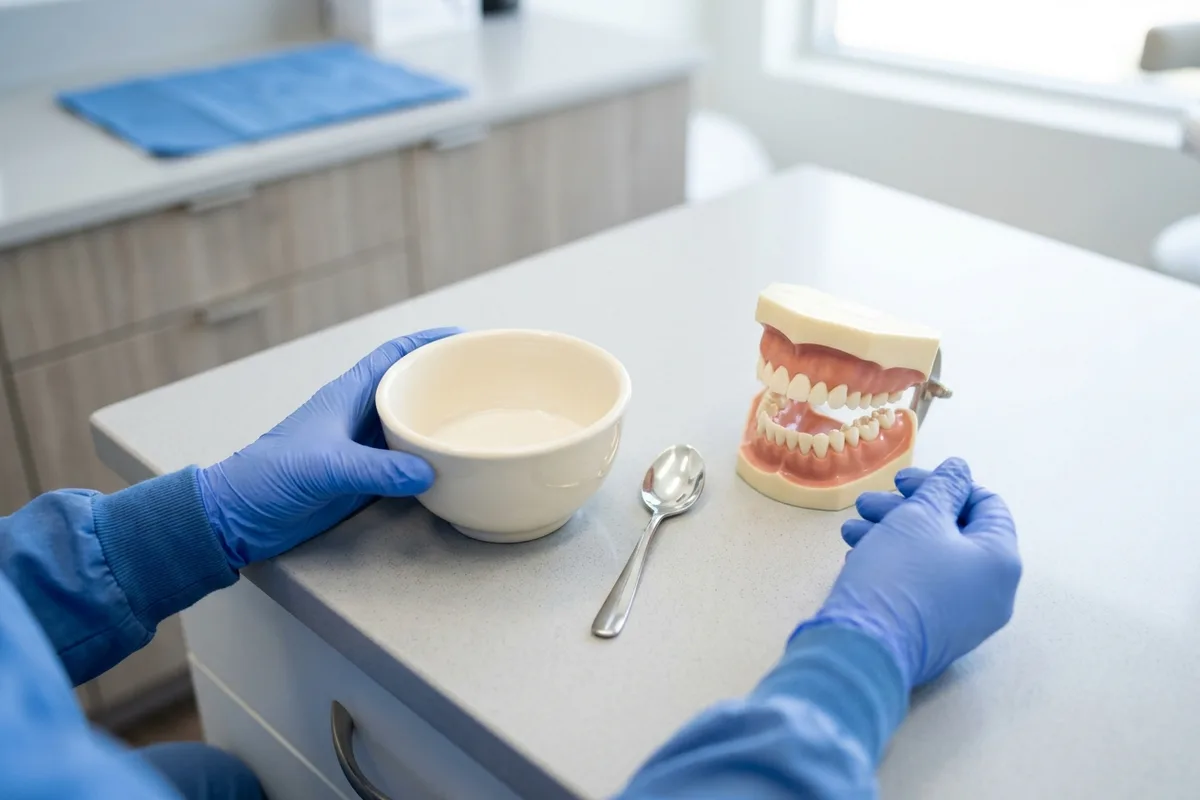
Consume only cold or cool liquids and soft foods while local numbness affects your mouth. Chewing firmer textures while numb can cause severe, accidental bites to your tongue or inner cheeks. Avoid chewing solid food until sensation completely returns to your oral tissues.[3]
Drink Liquids Without a Straw
Drink plenty of water and juice by sipping directly from an open cup or using a spoon. Suction generated by drinking straws can dislodge the blood clot and trigger an empty, painful socket (dry socket). Avoid using a straw for at least four days following your procedure.[1][2][3]
Choose Cool and Lukewarm Meals
Select cool or lukewarm dishes like smooth yogurt, applesauce, or room-temperature pureed soup. Hot liquids and warm foods can irritate open surgical wounds and increase bleeding or swelling. You'll know it's working when you swallow comfortably without heat or throbbing in the socket.[1][3]
Chew on the Opposite Side
Position all bites on the side of your mouth opposite the extraction area when you begin chewing soft textures. Keeping food away from the wound prevents mechanical irritation and protects the fragile blood clot. You'll know it's working when food remains safely clear of the healing socket.[1]
Boost Healing Nutrients
Selecting healthy foods to eat after tooth extraction provides vital nutrients like protein, zinc, and vitamins A and C to assist recovery. Good options include scrambled eggs, refried beans, oatmeal, and powdered milk mixed into mashed potatoes. You'll know it's working when your energy stays steady without jaw strain.[4]
Avoid Carbonation and Tobacco
Stay away from carbonated sodas, alcohol, and tobacco products while your extraction site begins to heal. Carbonation and chemicals irritate sensitive surgical tissues, while smoking delays blood flow and sharply raises dry socket risk. Avoid all carbonated beverages for 72 hours and avoid smoking for at least four days.[2][3]
Rinse Gently After Eating
Do not spit or rinse on the day of surgery to avoid dislodging your blood clot. Beginning 24 hours after extraction, bathe your mouth gently with warm salt water after every meal and snack. Avoid vigorous swishing, spitting forcefully, or using commercial mouthwashes for the first 72 hours.[1][2][3]
Steer Clear of Hard and Crunchy Foods
Patients often ask when can I eat solid food after tooth extraction without risking harm to their mouth. Soft solids like tender pasta or flaked fish work well early, but sharp textures like popcorn, chips, and peanuts must wait until full healing. Avoid hard and crunchy foods for at least one full week.[1][3][4]
Timeline: Eating After Oral Surgery
Your dietary choices progress through specific phases as tissue heals following tooth extractions or oral surgery. Use this schedule to guide your daily meals.[1][4]
| When | What to Expect | What to Do |
|---|---|---|
| First 24 Hours[1][3] | Numbness fades, minor bleeding is checked by gauze, and an initial blood clot forms. | Eat cool, smooth soft foods, drink without a straw, and chew on the opposite side. |
| Days 2 to 3[3][4] | Swelling peaks, mild jaw stiffness may develop, and socket tissue stabilizes. | Eat nutrient-dense soft items like scrambled eggs, and rinse gently with salt water after meals. |
| Days 4 to 7[1][3][4] | Discomfort subsides and chewing becomes easier across your mouth. | Incorporate tender meats and soft pasta, but avoid hard, crunchy items for at least a week. |
| Weeks 1 to 2[1][3] | Socket soft tissue finishes initial closure while deeper structures continue repairing. | Transition back to your normal diet as comfort permits, continuing to protect sensitive areas. |
What's Normal and What's Not
What's Normal During Recovery
Mild swelling and temporary discomfort are standard after an extraction. Placing an ice pack wrapped in a cloth against your cheek for 10 to 20 minutes helps relieve initial swelling and discomfort. If your jaw muscles feel tight or difficult to open after two days, applying warm compresses and massaging the muscles eases stiffness.[1][3][5]
What's Not Normal During Recovery
Severe, throbbing pain arising one to three days after an extraction is not expected. If pain radiates toward your temple, ear, or neck, and accompanies foul breath or an empty socket, your blood clot may have dislodged (dry socket). Frequent spitting, smoking, or straw suction can wash the protective clot away, leaving bare bone exposed.[2]
When to Call Your Dentist
Call your dentist promptly if you notice heavy bleeding that continues after biting on damp gauze, high fever, severe facial swelling, or trouble swallowing. You should also call if you develop worsening socket pain, ineffective pain relief, or an unpleasant taste and odor in your mouth. When calling, explain when your procedure occurred, what foods you have managed to eat, and whether pain medication is helping.
Your dentist can treat dry socket by gently flushing trapped food debris from the socket and placing a soothing medicated paste or dressing. If you are healing in Chino, CA, you can contact One Ounce Dental to ask Dr. Yiyang Zou about any recovery concerns or post-procedure symptoms.[1][2]
Your Checklist (Make Sure It's Healing)
Check off these practical dietary habits before the end of your first week of recovery to make sure your socket is healing properly.[1]
- Do drink plenty of water and fruit juices straight from an open cup
- Do chew tender, nutritious foods strictly on the side away from the socket
- Do rinse and spit starting about 3 days after surgery
- Don't drink through a straw for at least 24 hours or smoke
- Don't consume carbonated sodas or commercial mouthwash for the first 72 hours
- Don't eat hard and crunchy foods for at least one full week
Common Problems and Fixes
Food Trapped Near the Extraction Site
Food fragments can occasionally drift toward the healing socket during mealtimes. Do not probe the area with toothpicks, fingers, or your tongue. Instead, rinse gently with warm salt water after meals, or use a plastic syringe to gently flush the socket with salt water if your dentist provided one.[1][2][3]
Jaw Muscle Tightness and Soreness
Chewing soft meals on one side of your mouth can cause mild jaw fatigue and stiffness. Starting two days after your surgery, apply warm compresses to the outside of your jaw and massage your tight jaw muscles gently to relieve discomfort.[3]
Managing Discomfort from a Dislodged Clot
If a blood clot dissolves or dislodges, exposed bone triggers intense discomfort. While waiting to see your dentist for a medicated dressing, self-care involves taking approved pain relievers, applying cold packs to the jaw, rinsing gently, and avoiding all tobacco and alcohol.[2]
The Bottom Line
Recovering well after an extraction depends on protecting the protective blood clot in your socket. Prioritize cool, soft, nutrient-dense foods, avoid drinking straws, and keep crunchy textures away from your mouth for at least a week. If severe pain develops or you notice unexpected swelling or fever, contact your dentist right away for care.[1][2]
Sources
- Tooth extraction — medlineplus.gov
- Dry socket — medlineplus.gov
- Home Care Instructions Following: Tooth Extraction — dentalclinics.umn.edu
- What (and How) to Eat When You're Having Dental Issues — American Dental Association
- Oral Surgery Doesn't Have to Scare You — now.tufts.edu
Common questions
Frequently asked questions
Questions about your own smile?
If you have questions about recovering from an extraction or need personalized dental care in Chino, CA, contact One Ounce Dental. Request an appointment today to discuss your treatment with Dr. Yiyang Zou.
More Articles
View all Dental care
Why Do I Have a Metallic Taste in My Mouth? 7 Common Causes
A lingering metallic flavor can come from swollen gums, everyday drugs, sinus colds, or dry mouth. Learn what causes this strange taste and how to find relief.November 17, 2026 · 6 min read Dental care
Why Is My Tongue White? 7 Common Causes
A white tongue can stem from harmless debris, surface irritation, fungal thrush, or precancerous patches. Discover what causes these color changes, how to spot warning signs, and when to seek dental care.November 16, 2026 · 6 min read Dental care